
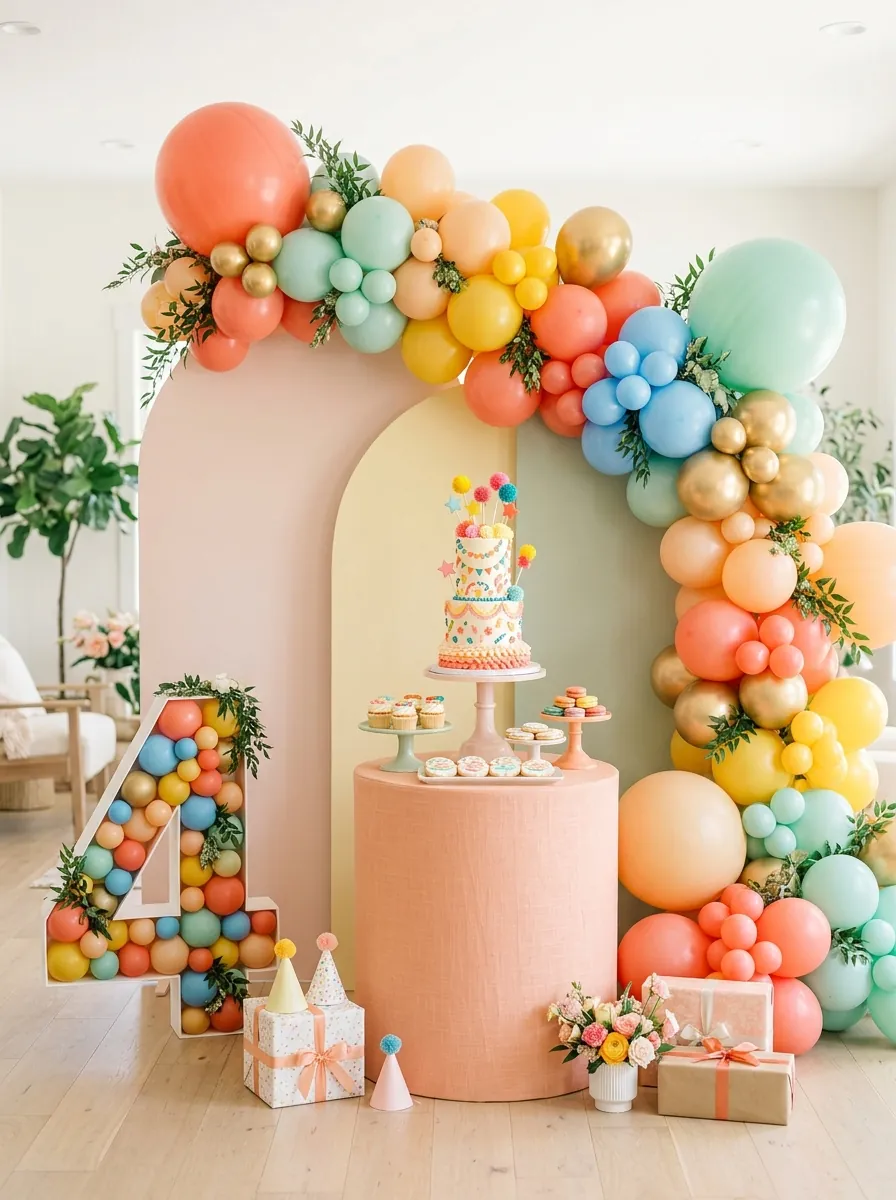
Fourth Birthday Decoration Ideas: Fun Themes, Backdrops, and Budget Tips
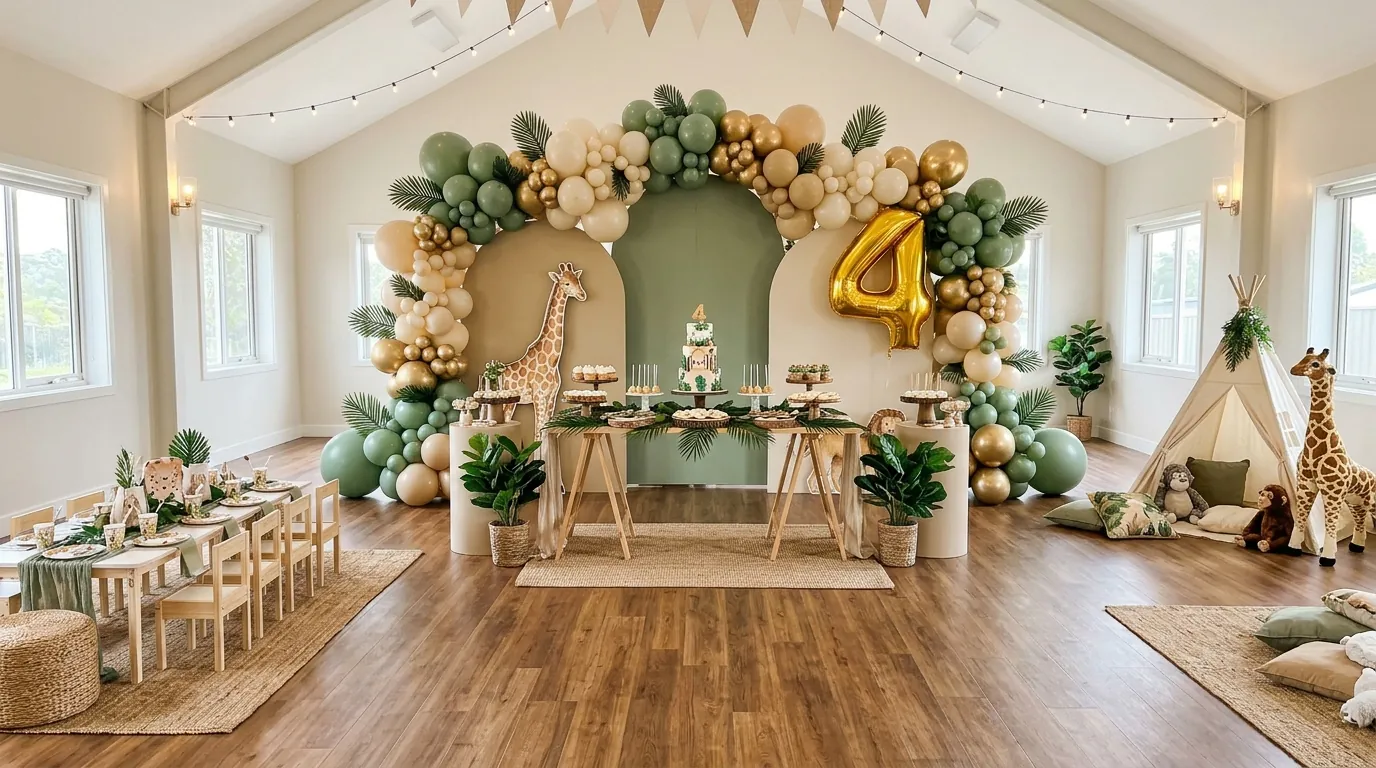
A Fourth birthday is a chance to celebrate a new stage of childhood with decorations that feel playful, personal, and comfortable for the family. The best setup does not have to cover every wall or rely on an expensive party package. Start with a clear theme, choose a few coordinated colors, and focus on the areas guests will notice most: the entrance, the cake table, and the photo backdrop.
At this age, the child may have favorite animals, colors, toys, books, or activities that can inspire the design. Keep those interests at the center, while making sure decorations are sturdy and age-appropriate. Whether you are hosting at home, in a backyard, or at a rented venue, the following ideas help you build a festive space that is practical to set up and enjoyable to use.
1. Choose a Theme That Fits the Child
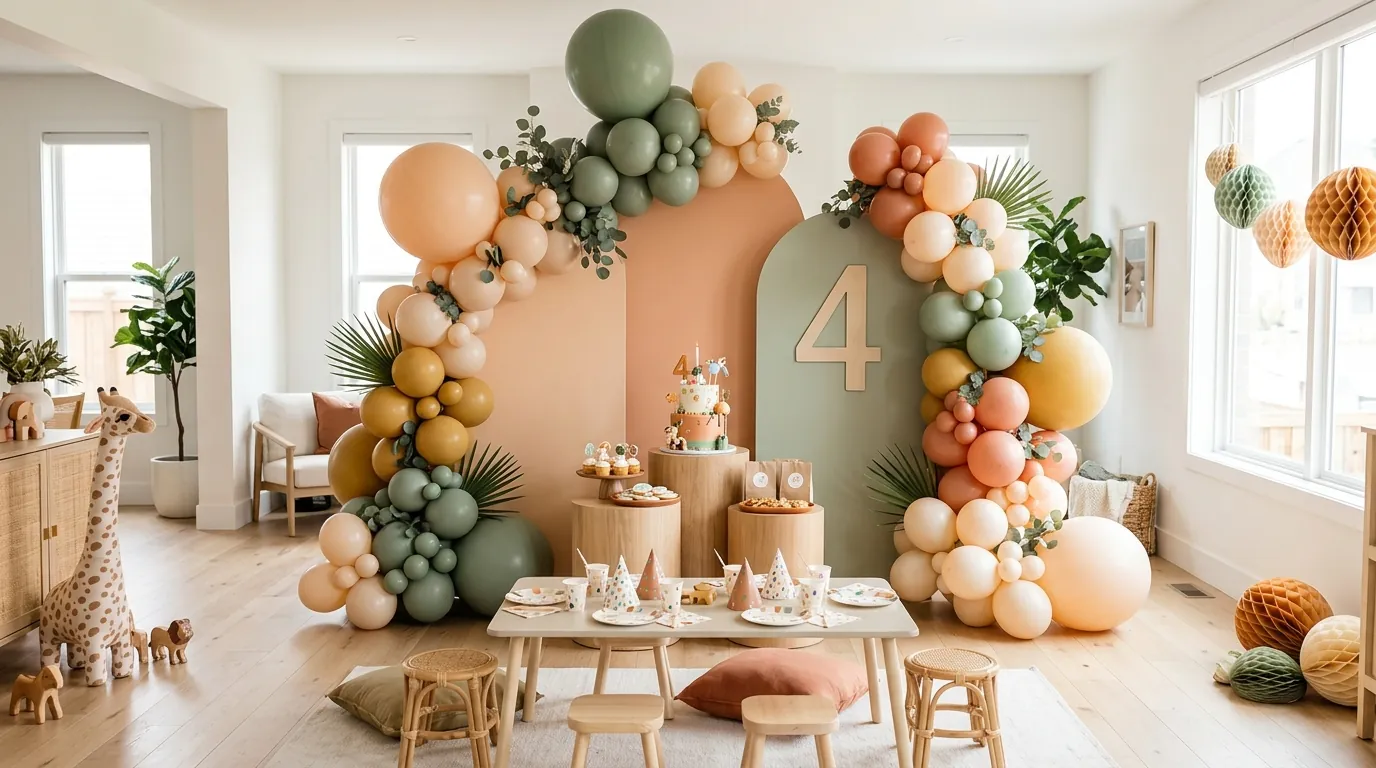
Start with a theme the birthday child enjoys, such as superheroes, outer space, art, garden parties, favorite animals, or adventure themes. You can also build the party around a favorite color, animal, story, vehicle, outdoor activity, or imaginative world. A clear theme helps you make decisions about the backdrop, tableware, cake topper, and welcome sign without buying decorations that do not fit together.
For a Fourth celebration, keep the idea recognizable but not overly complicated. Choose two main colors and one accent, then repeat a few visual motifs across the room. If the child has a strong preference, include it in one or two statement details rather than making every object match. This leaves room for practical supplies and helps the decorations feel personal rather than like a generic party kit.
2. Build a Photo-Ready Backdrop
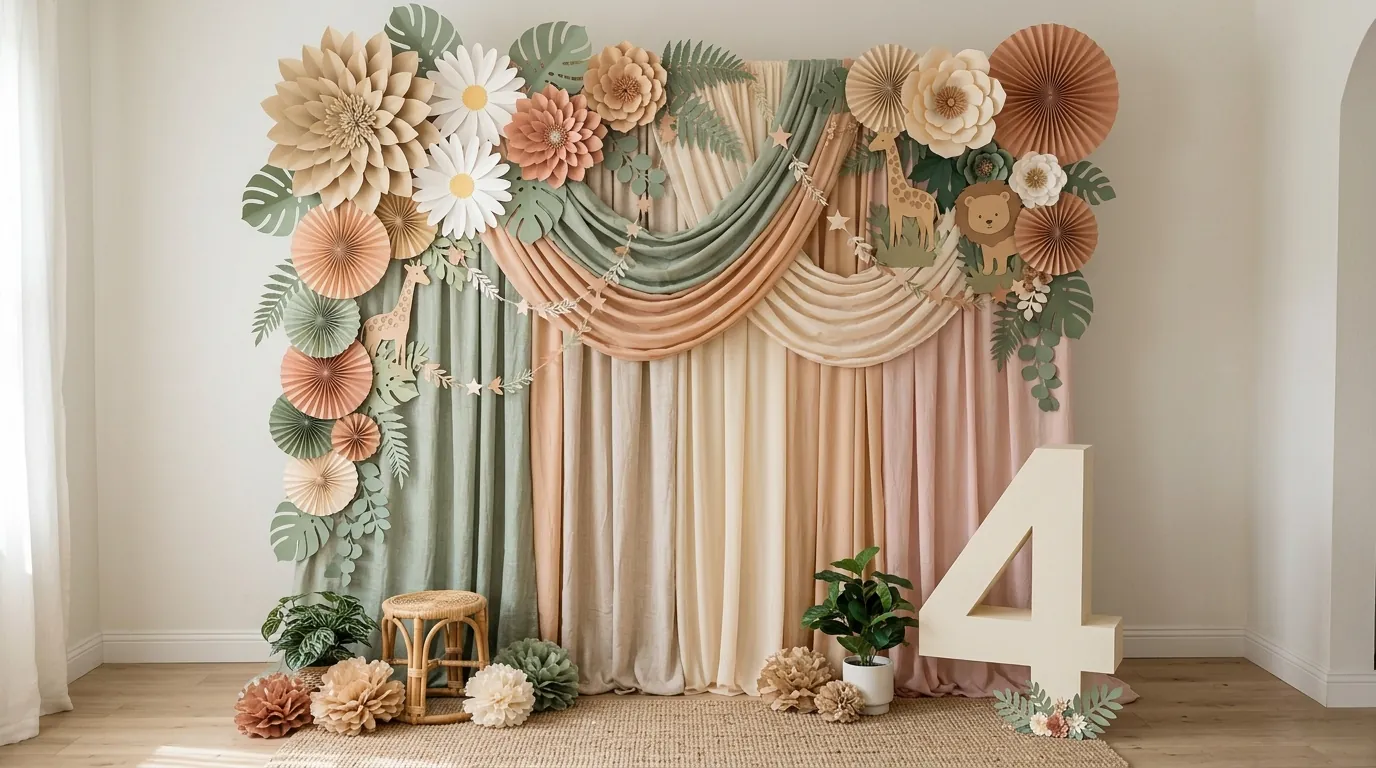
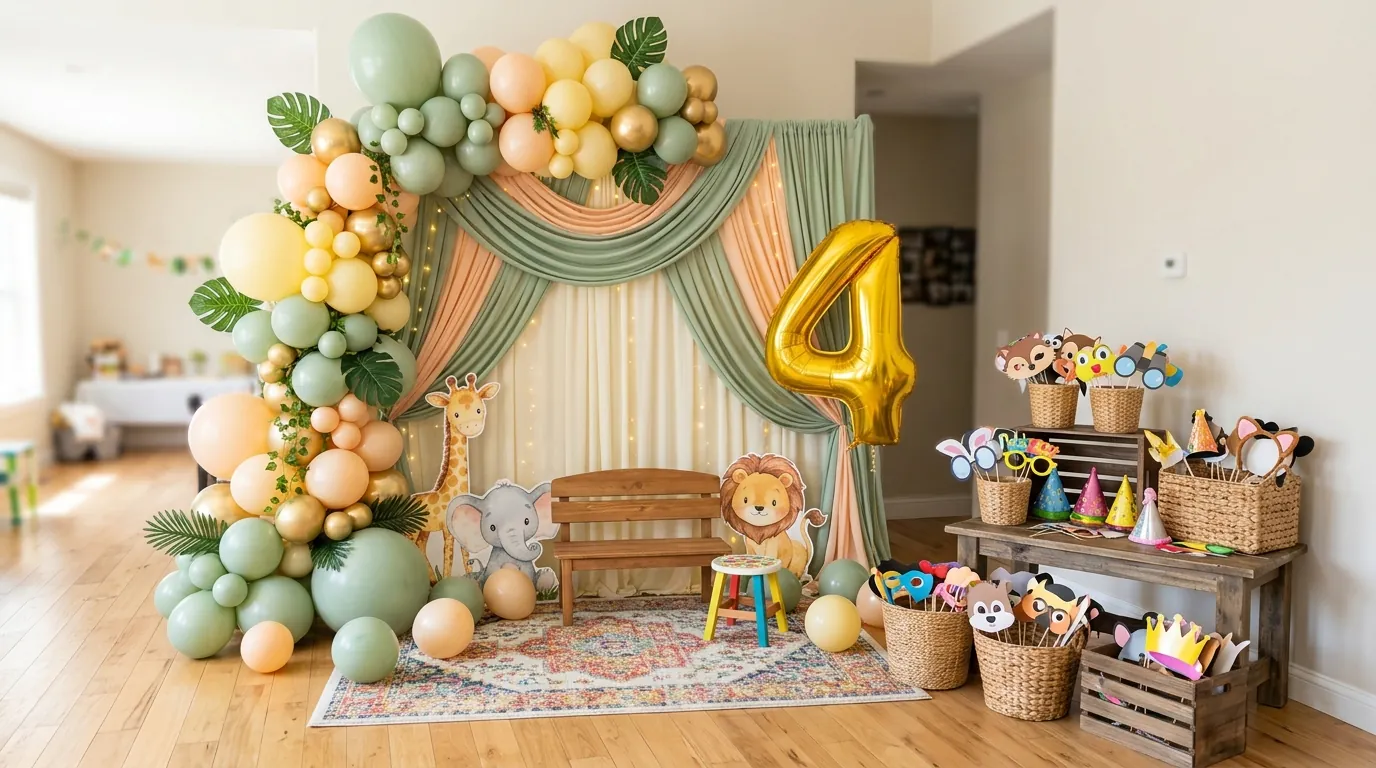
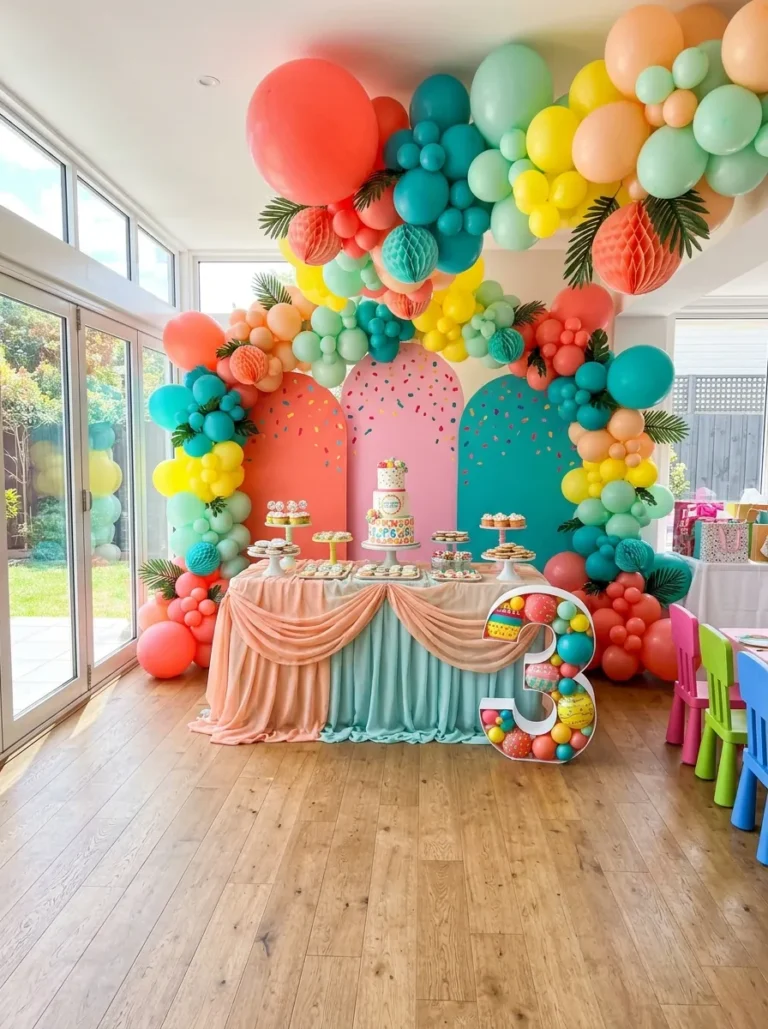
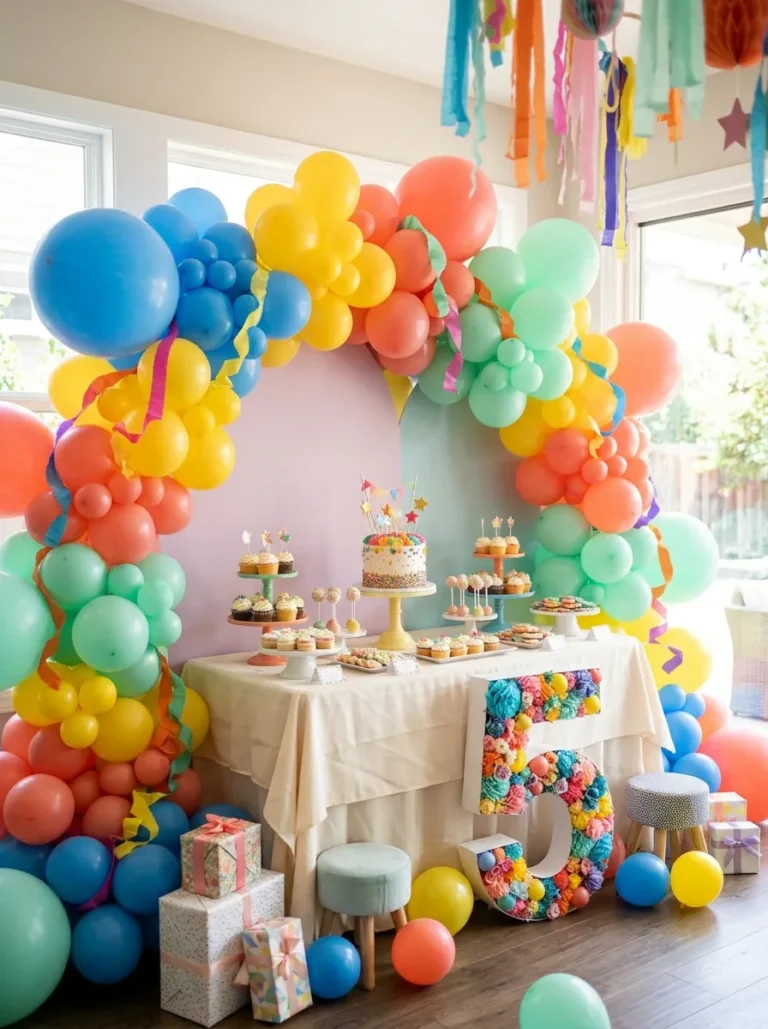
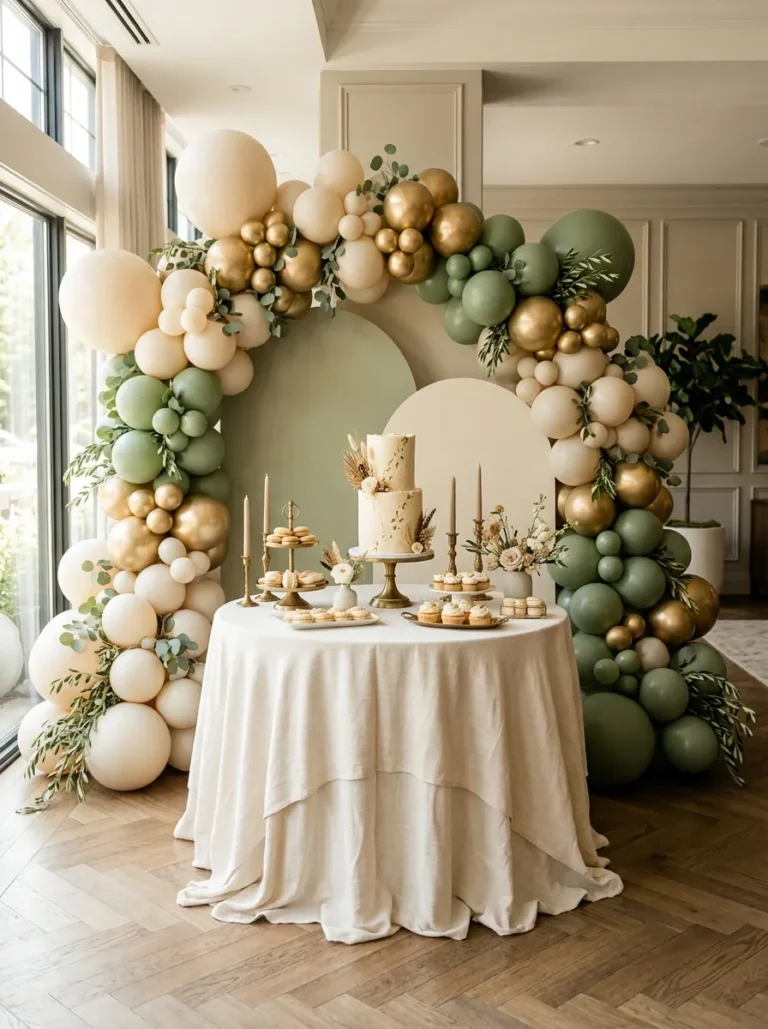
A backdrop gives the party a natural place for birthday portraits, family photos, and cake-cutting pictures. Use a fabric curtain, paper fans, a fringe panel, or a simple wall with a banner. Add the child’s name and age in large lettering, then frame the design with a small balloon garland or themed accents. Leave enough open space for the child and family to stand in front.
Test the arrangement with a phone photo before guests arrive. Check that the sign is readable, the colors are balanced, and no furniture or clutter appears at the edges. Secure stands and hanging pieces, and avoid blocking doorways or exits. A well-designed backdrop can serve as the main decoration, allowing the rest of the room to stay simple and comfortable.
3. Use Balloons With a Purpose
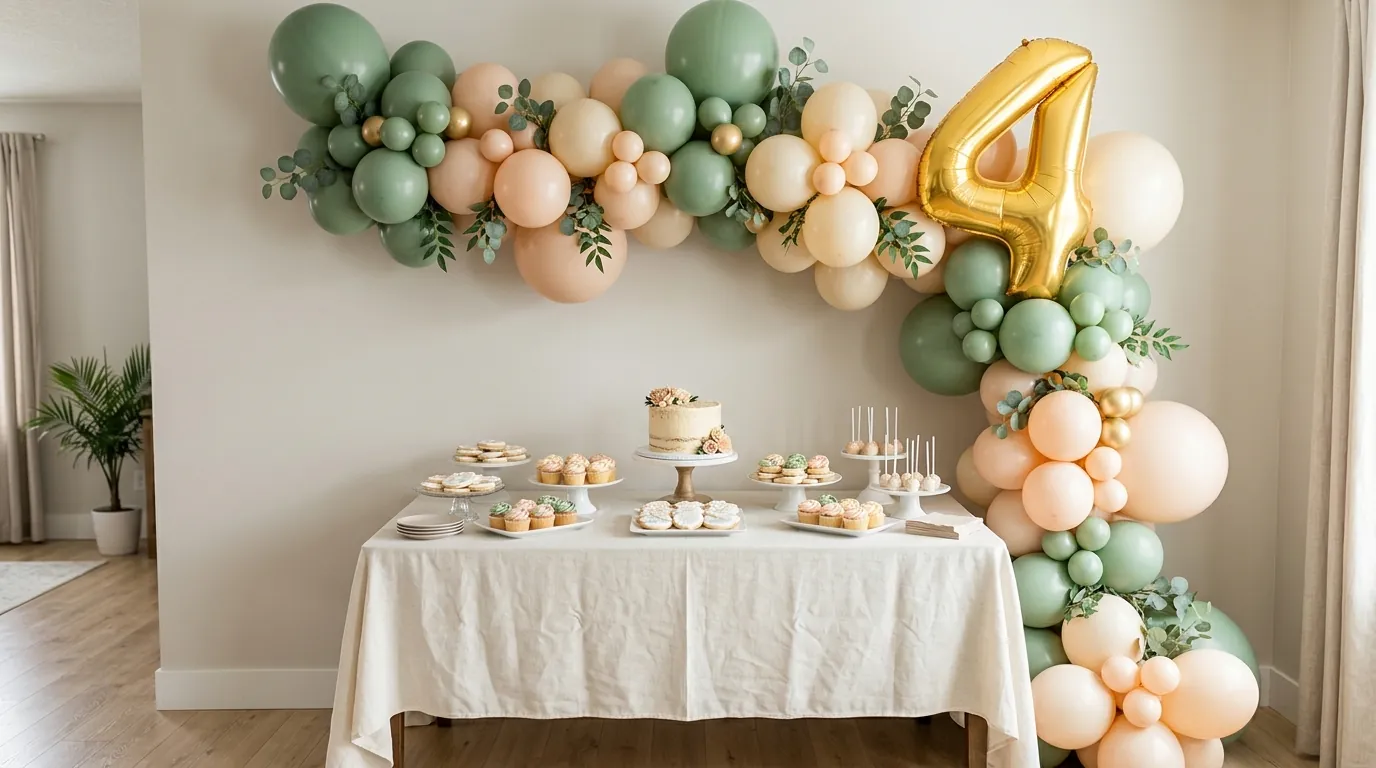
Balloons make a room feel festive, but they work best when they support the theme instead of taking over the entire space. A garland above the cake table, a small cluster beside the entrance, or a number balloon near the backdrop can be enough. Mix a few sizes and repeat the chosen palette so the arrangement looks coordinated.
Secure balloons away from heat, sharp edges, fans, and busy walkways. For younger children, supervise the display and promptly remove popped pieces because fragments can be choking hazards. Do not leave loose strings where children can wrap them around their bodies. For an outdoor celebration, account for wind and never release balloons into the environment. Consider paper fans or fabric bunting as alternatives for areas children can easily reach.
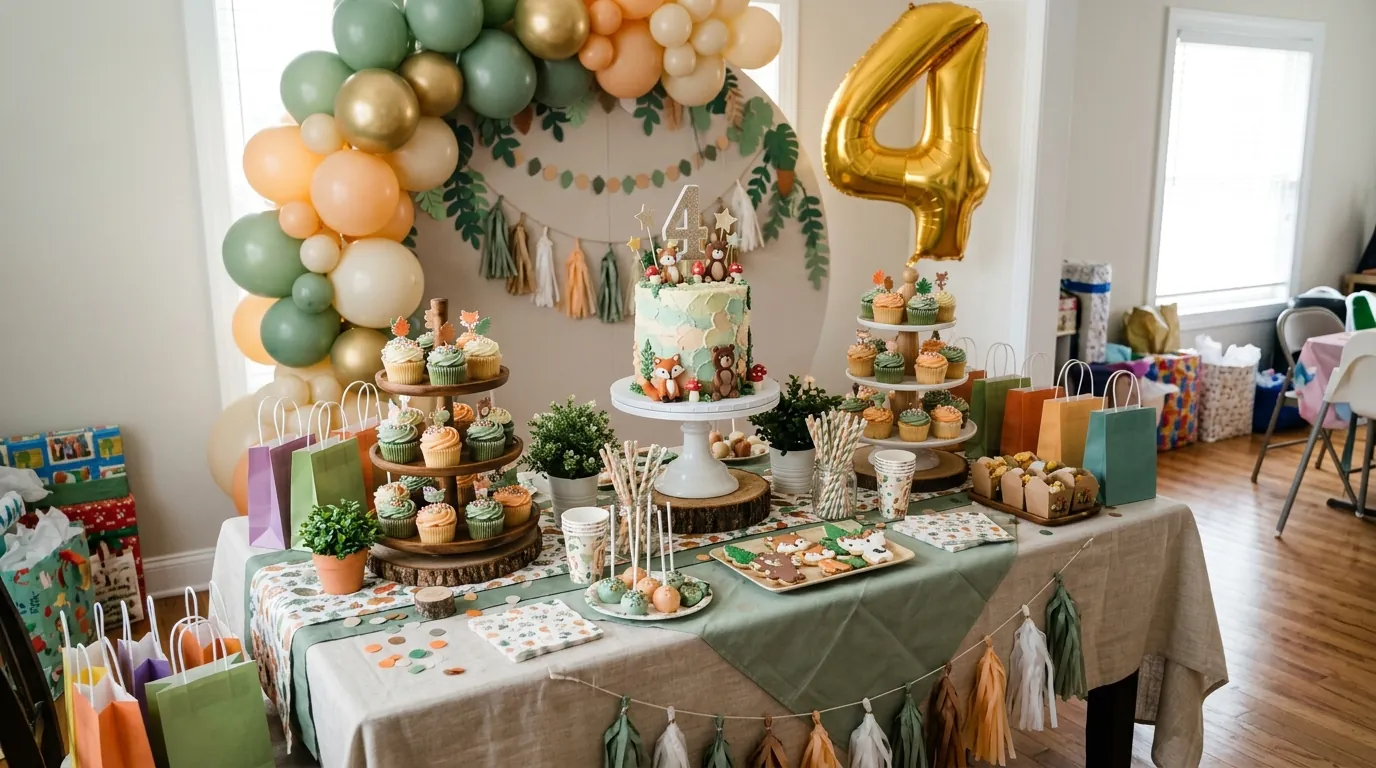
4. Make the Cake Table the Centerpiece
The cake table is often one of the most photographed parts of a birthday party. Start with a clean tablecloth, put the cake on a stable stand, and add a small number of supporting items such as cupcakes, cookies, a name sign, or a themed centerpiece. Use different heights to create interest, but leave enough space to cut and serve the cake safely.
Avoid cluttering the table with every decoration you own. If food is displayed outdoors, protect it from sunlight and insects. Keep candles and electrical decorations away from paper, fabric, and balloons, and never leave open flames unattended. Labels can help guests identify flavors or allergens. The display should be attractive in photos while remaining functional once guests begin serving themselves.
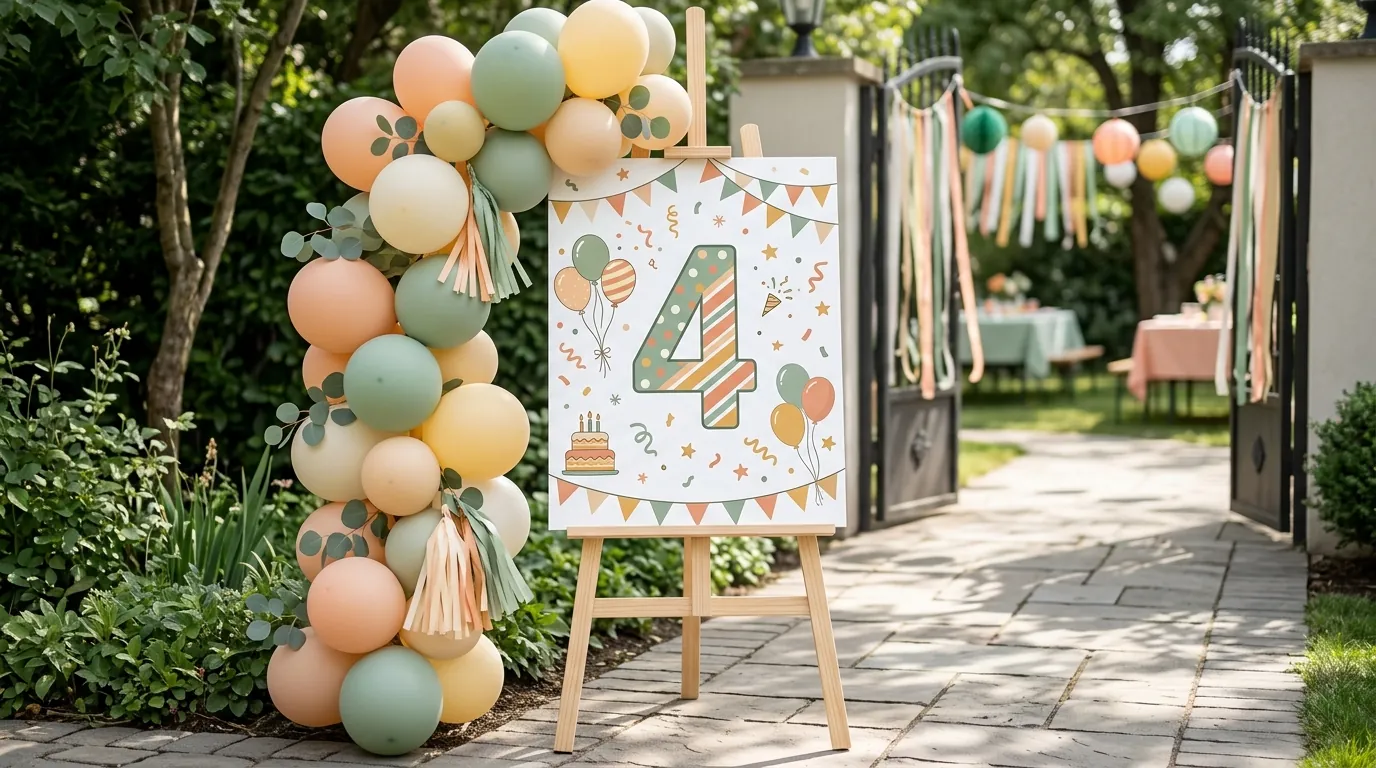
5. Add a Welcome Sign
A welcome sign introduces the party as soon as guests arrive. It can be a framed print, a chalkboard, a poster on an easel, or a simple sign attached to the entrance wall. Include the child’s name, age, and a short greeting. Choose large lettering and colors that repeat the backdrop palette.
Place the sign where it is easy to see without blocking the door or creating a trip hazard. If the venue is part of a larger building, add simple directions when useful. A reusable frame lets you update the message for future birthdays. This small detail makes the celebration feel organized and gives the decorations a clear starting point.
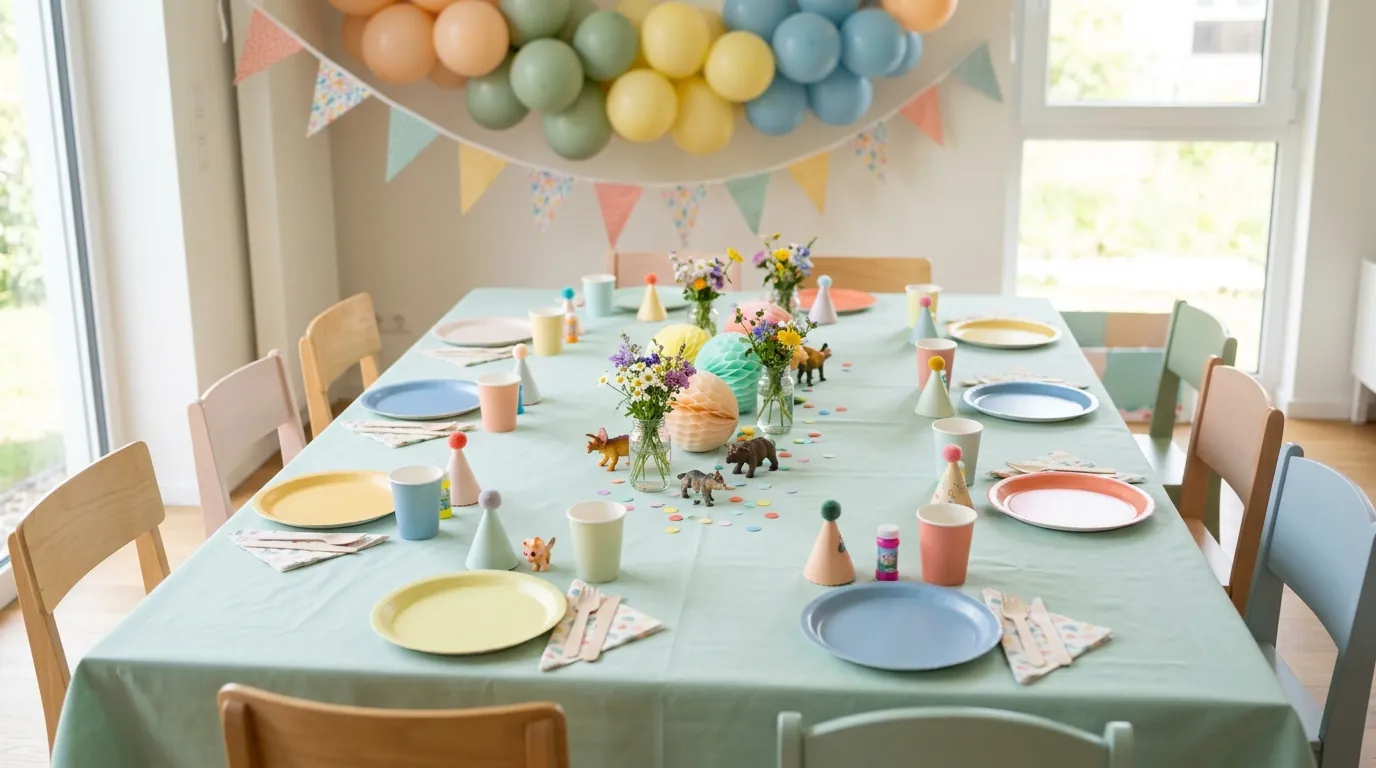
6. Decorate Guest Tables Without Clutter
Keep table decorations low, stable, and easy to move. A small vase, paper centerpiece, themed card, or battery-powered light can be enough. Guests need room for plates, cups, serving dishes, and conversation, so avoid tall centerpieces that block sightlines or fragile items near the table edge.
Repeat the same centerpiece across tables for a cohesive look and faster setup. If children will be seated together, choose sturdy materials and avoid small loose decorations that could be mouthed or swallowed. Test the table arrangement with plates and cups before guests arrive. Thoughtful spacing often makes the room look more polished than adding more objects.
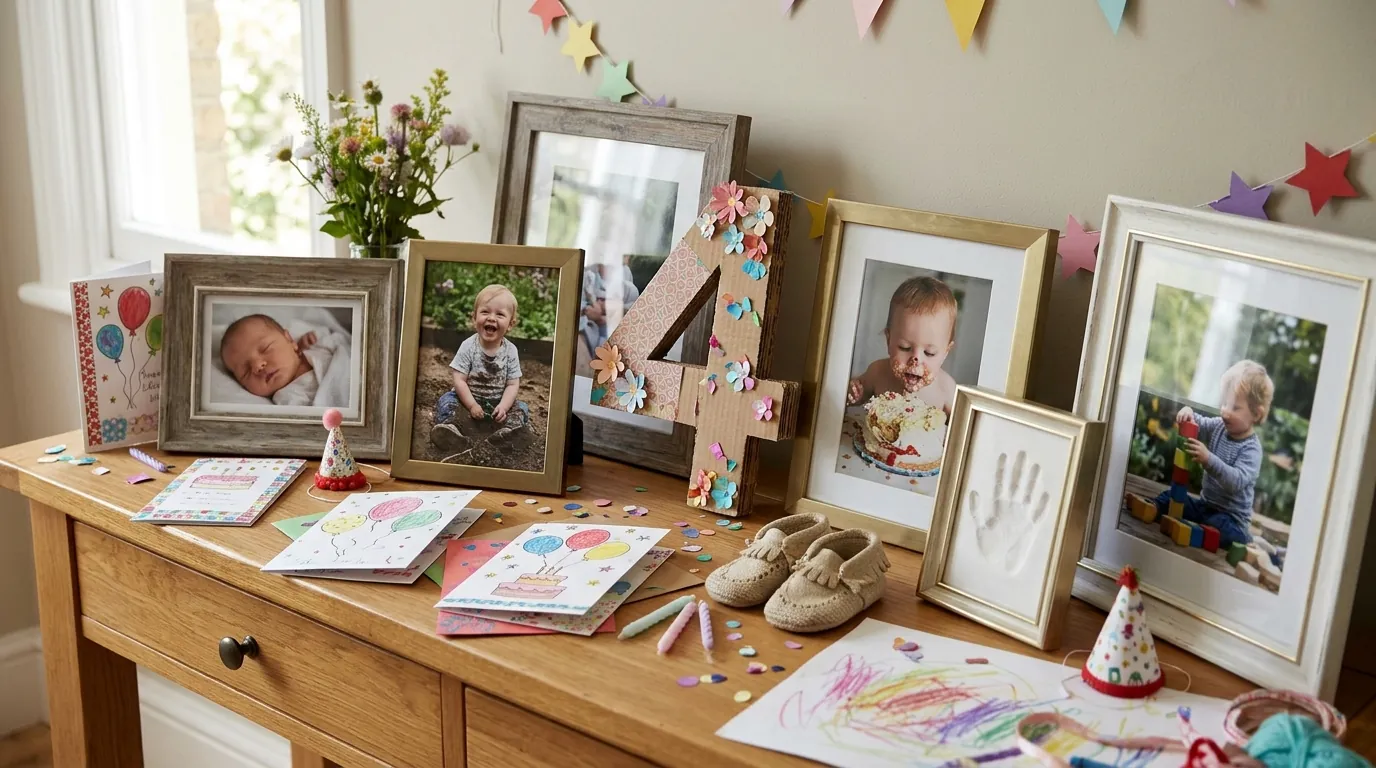
7. Personalize the Decorations
Personal details help the birthday child feel celebrated. Display a few favorite photos, add a sign connected to a hobby, or use colors inspired by a favorite book or activity. You might create a simple memory board, a “things I love” sign, or a photo timeline that shows how the child has grown. Keep the display focused so it does not compete with the main backdrop.
Choose photos and messages the family is comfortable sharing with guests. Secure frames and boards so they cannot tip over, and keep glass or delicate objects out of reach. Personal touches do not need to be expensive: a printed picture, handmade label, or favorite toy placed safely on a high shelf can make the party feel unique.
8. Create a Fun Activity Corner
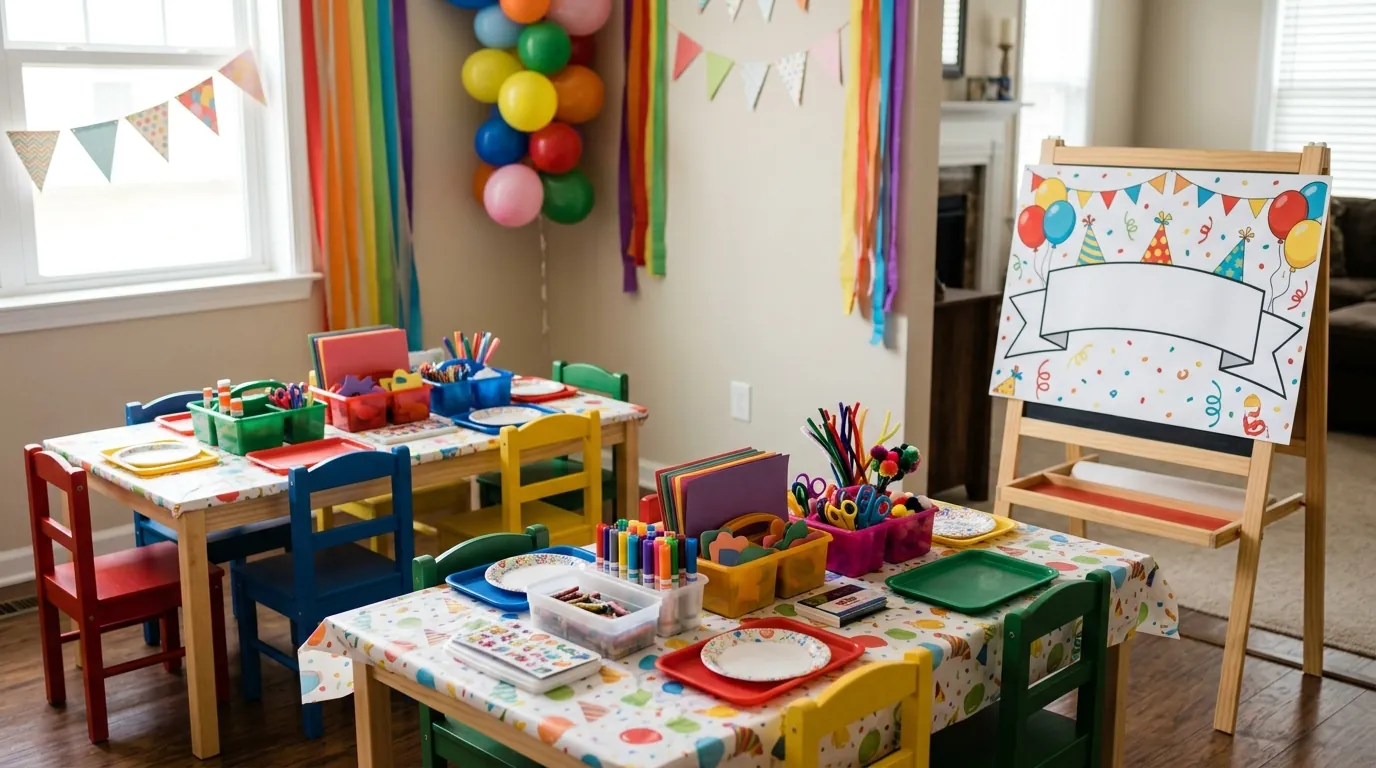
A small activity corner can make the party more engaging and help children move between activities. Depending on the age and guest list, consider coloring sheets, a craft table, a building area, a story corner, or a simple game station. Use a sign that matches the theme and keep the materials organized in labeled trays.
Choose activities that are appropriate for the children attending, and supervise supplies that contain small pieces, scissors, or messy materials. Place the activity area away from food service and walkways. Keep the decoration light so the activity remains the focus. A practical activity corner gives guests something to do while preserving the main backdrop and cake table as the central visual features.
9. Make Lighting Part of the Design
Lighting can change the atmosphere, especially if the party continues into the evening. String lights, battery-powered candles, or small LED accents can make a backdrop feel warmer. For daytime events, use natural light for photos and avoid placing the cake table where direct sunlight may melt frosting or make guests uncomfortable.
Use lighting products according to their instructions and keep cords away from walkways. Do not place real candles near paper decorations, balloons, or fabric. Test the setup at the time of day the party will happen, because the room may look different when daylight fades. A few carefully placed lights are usually more effective than bright decorations in every corner.
10. Adapt the Setup to Your Venue
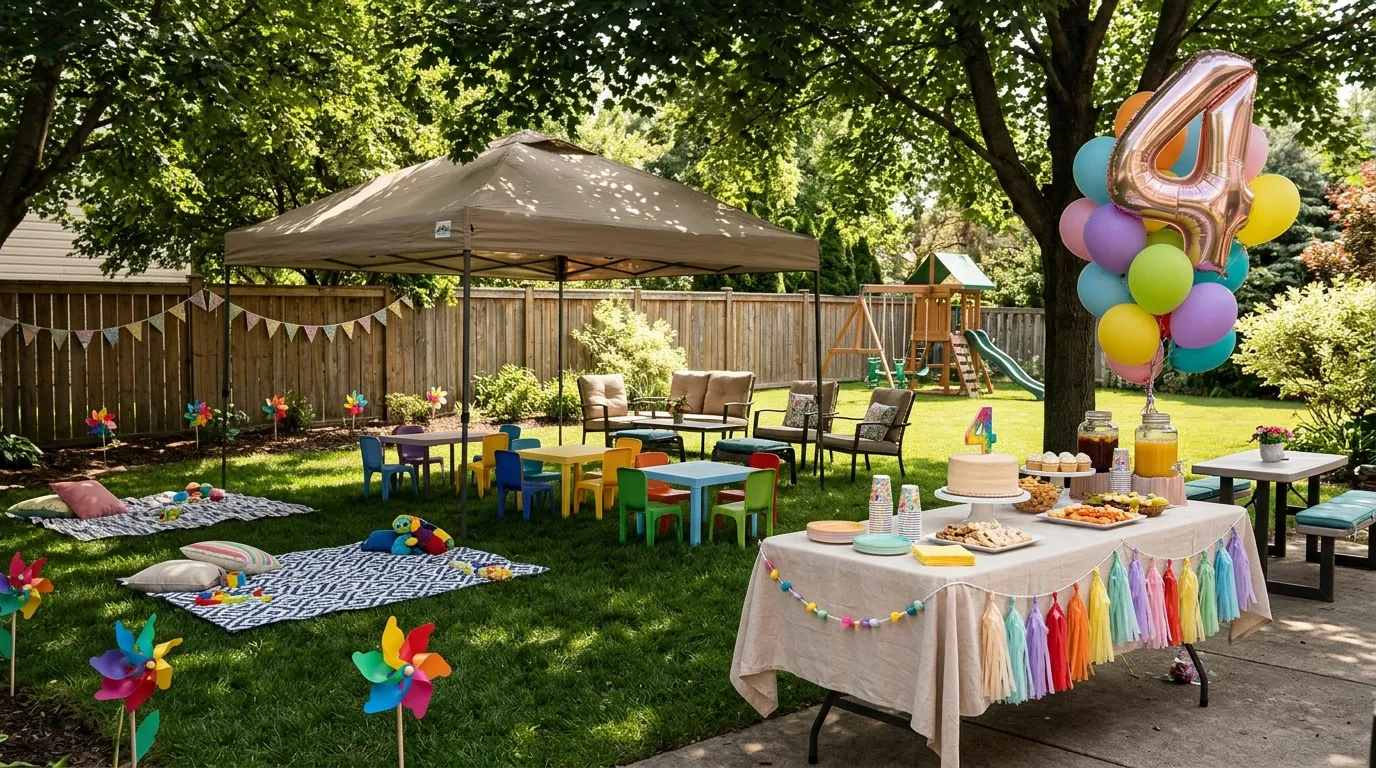
A home party, backyard gathering, and rented venue each have different needs. In a small room, decorate vertically and concentrate on one wall. In a backyard, secure decorations against wind and think about shade, uneven ground, and access to electricity. In a rented space, ask what can be attached to walls and whether confetti, tape, or open flames are allowed.
Measure the backdrop area and table before purchasing large items. Keep exits and routes to food and restrooms clear. If setup time is short, choose decorations that can be assembled ahead of time and carried in labeled containers. A simple design that fits the space will look more impressive than an elaborate display squeezed into an unsuitable area.
11. Save Money With a Simple Plan
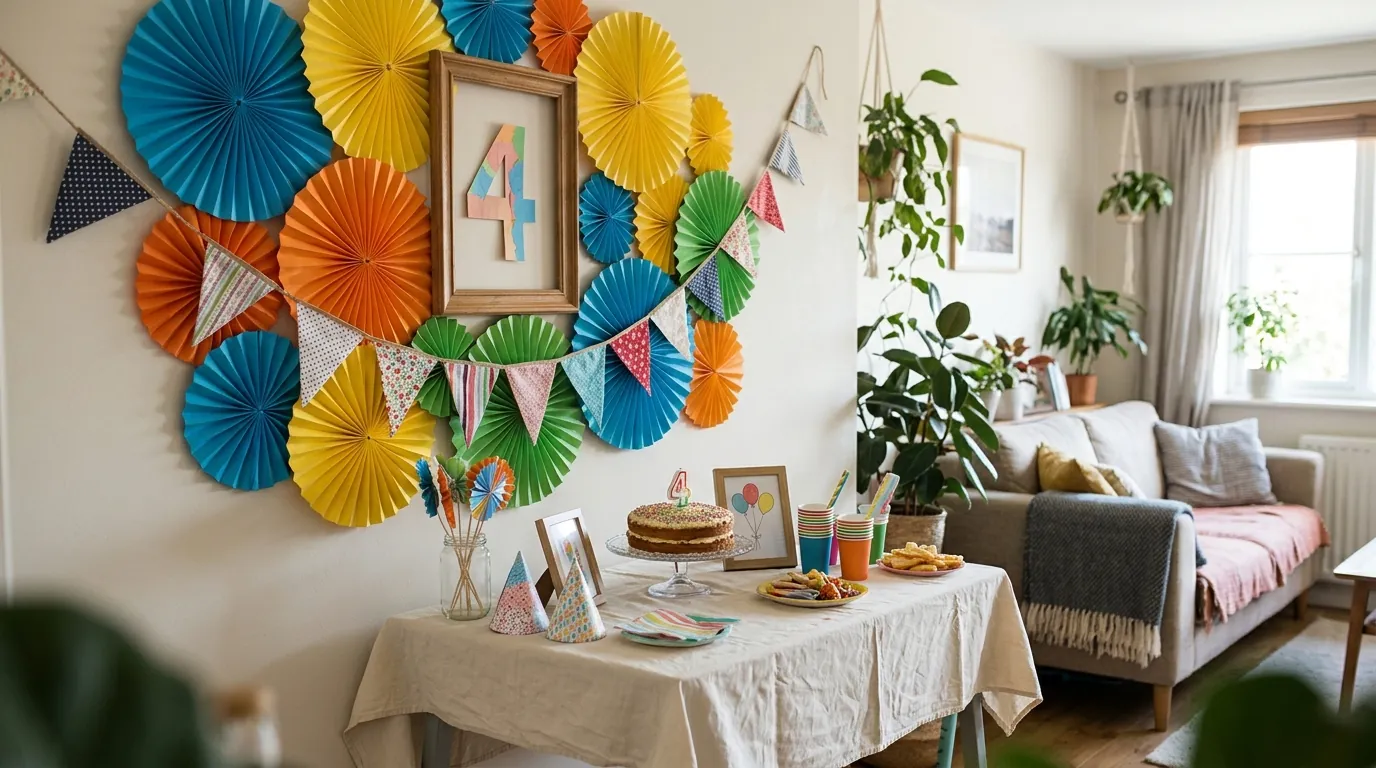
Decide which areas deserve the most attention before buying anything. A backdrop and cake table usually create the strongest visual impact, so spend there first and keep the remaining decor simple. Borrow stands, frames, vases, or lights when possible. Plain tableware can look intentional when the colors match the rest of the setup.
Include small costs such as tape, hooks, batteries, delivery, and replacement supplies in your budget. DIY decorations can save money when they are easy to make, but compare the total cost with ready-made options. Prepare signs and paper elements in advance to avoid rushed purchases. A coordinated, edited design often looks more expensive than a room filled with unrelated decorations.
12. Keep Safety and Comfort in Mind
Decorations should never block exits, stairs, heaters, cooking areas, or electrical panels. Secure tall displays and keep cords out of walking paths. If younger children are attending, remove small parts and keep balloons, strings, and breakable items supervised or out of reach. Make sure seating and food areas remain accessible for caregivers and guests with mobility needs.
Check the venue rules and follow product instructions for hooks, lighting, and stands. If the party is outdoors, prepare a backup plan for rain or strong wind. Safety does not have to make the decor plain; it simply means choosing sturdy items and arranging them thoughtfully. Guests should be able to enjoy the celebration without navigating obstacles.
13. Choose Reusable Decorations
Reusable basics make future birthdays easier. Fabric backdrops, neutral tablecloths, frames, cake stands, baskets, and string lights can be adapted to different themes by changing the sign, balloons, and paper accents. Store items in labeled boxes so they are easy to find and check them before the next event.
For large displays, consider renting rather than buying if storage is limited. Avoid buying many single-use pieces just to fill empty space. A few durable decorations can form the foundation of several celebrations, while small inexpensive accents make each party feel new. Reusability saves money and reduces the amount of material left over after the event.
14. Plan the Setup Timeline
Prepare a simple timeline so decorating does not become a last-minute rush. A few days before the party, confirm the theme, print signs, gather supplies, and test any DIY pieces. The day before, sort decorations by area and inflate or assemble what can safely be prepared in advance. On the day, install the backdrop first, then the cake table, guest tables, and finishing details.
Keep a small kit with scissors, tape, hooks, spare batteries, and cleaning cloths. Ask another adult to help if the display is large or if children need supervision. Leave enough time to get ready and welcome guests. The purpose of planning is to reduce stress and make the celebration enjoyable for the host as well as the birthday child.
15. Finish With a Final Walkthrough
Before guests arrive, enter the room as if you were attending for the first time. Check whether the welcome sign is visible, the backdrop is secure, the cake table is ready, and the main paths are clear. Take a photo of the space and look for clutter at the edges of the frame. Remove empty packaging, tools, and spare decorations from sight.
Resist the urge to add details just because a surface looks empty. Negative space helps the main features stand out and gives guests room to move. Once the essentials are ready, take a few photos and enjoy the party. A successful setup is coordinated, safe, and personal—not necessarily the biggest or most expensive one.
Related ideas: Birthday Party Decoration Ideas, First Birthday Decoration Ideas, Second Birthday Decoration Ideas, Third Birthday Decoration Ideas
Frequently Asked Questions
What is a good theme for a Fourth birthday?
Choose a theme based on the child’s favorite colors, animals, books, toys, or activities. A simple color palette is also an easy and flexible option.
How can I decorate for a Fourth birthday at home?
Focus on one backdrop, a small balloon arrangement, a cake table, and a welcome sign. Keep walkways clear and use the room’s existing furniture where possible.
How many decorations do I need?
You usually need a few coordinated focal details rather than decorations on every wall. A backdrop, cake table, and simple guest-table accents can be enough.
How can I reduce birthday decoration costs?
Reuse frames and stands, borrow items, choose two or three colors, and spend the budget on the most visible areas.
One Comment