
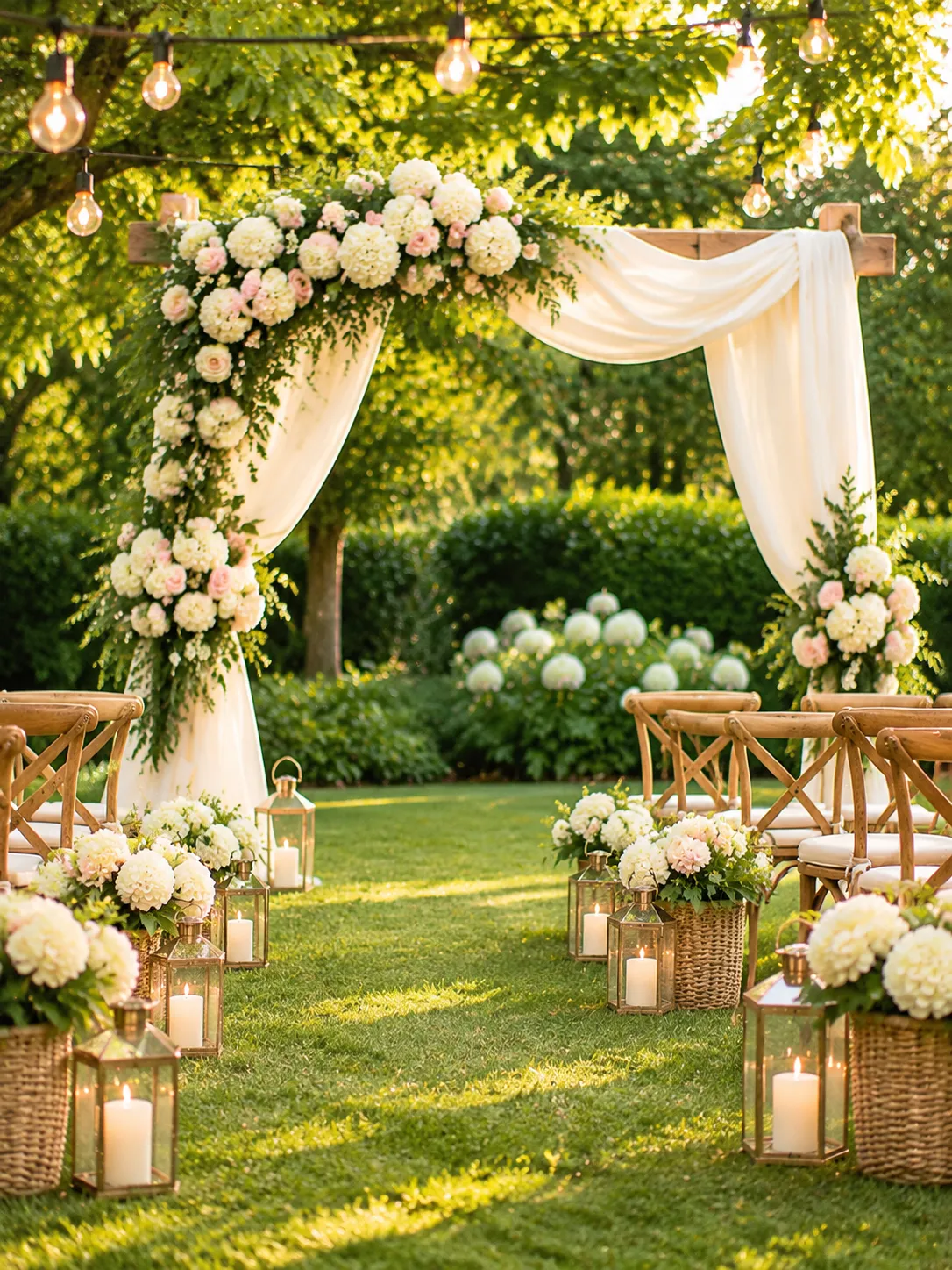
15 Garden Wedding Ideas for a Beautiful Outdoor Celebration
A garden wedding offers a lovely setting for couples who want their celebration to feel warm, personal, and close to nature. Flowers, greenery, open air, and natural light can do much of the decorating for you. Whether you are planning a small backyard gathering or a larger event at a botanical garden, the right details can make the day feel special without making it feel overdone.
The key is to plan around the space and the season. Think about where guests will sit, how they will move between the ceremony and reception, and what will happen if the weather changes. With a little preparation, you can create a beautiful outdoor wedding that feels comfortable for your guests and true to your style.
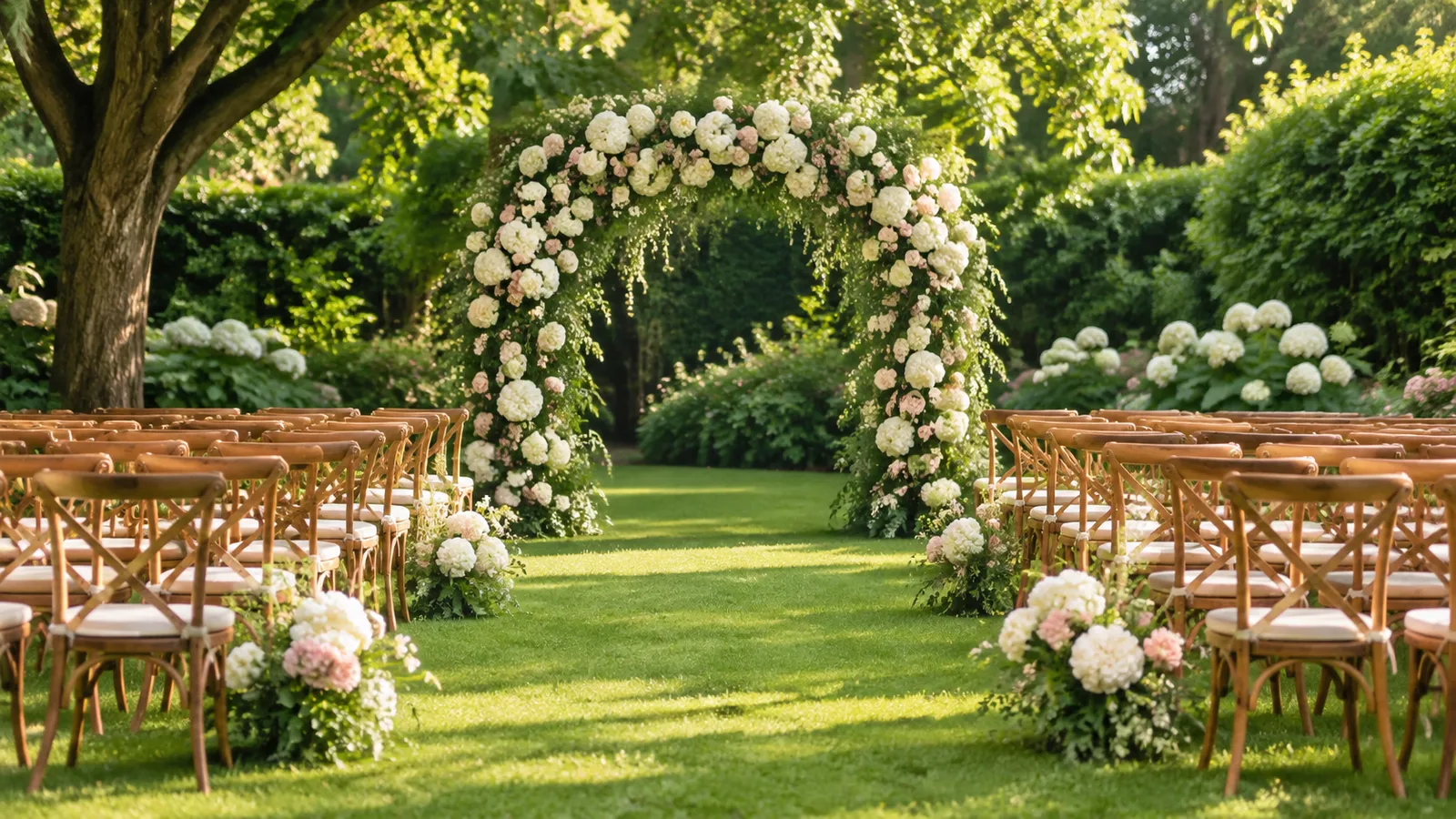
Choose a Garden Venue That Fits Your Guest List
Start by looking at the garden as a real event space, not just a pretty backdrop. Check the number of guests it can comfortably hold, the location of restrooms, parking, power outlets, and accessible paths. Ask whether the venue allows outside vendors, candles, tents, and amplified music. A private garden, estate lawn, botanical garden, or family backyard can all work well, but each comes with different rules and needs. Walk through the space at the same time of day as your planned ceremony if possible. Notice where the sun falls, where shade gathers, and whether nearby roads or public paths could affect privacy. Choose a layout that leaves enough room for guests to move around without stepping through flower beds.
Build Your Color Palette Around the Season
Let the garden and the time of year guide your colors. Spring weddings often look lovely with soft blush, butter yellow, pale blue, and fresh green. Summer can handle brighter flowers and richer shades, while autumn pairs naturally with rust, plum, warm ivory, and olive. For a winter garden celebration, evergreen foliage, white flowers, and touches of deep berry can feel inviting. You do not need to match every flower. Choose two or three main colors and use them in linens, bouquets, ribbons, and small decor accents. Keeping the palette simple helps the setting feel connected instead of crowded.
Create a Ceremony Aisle With Natural Details
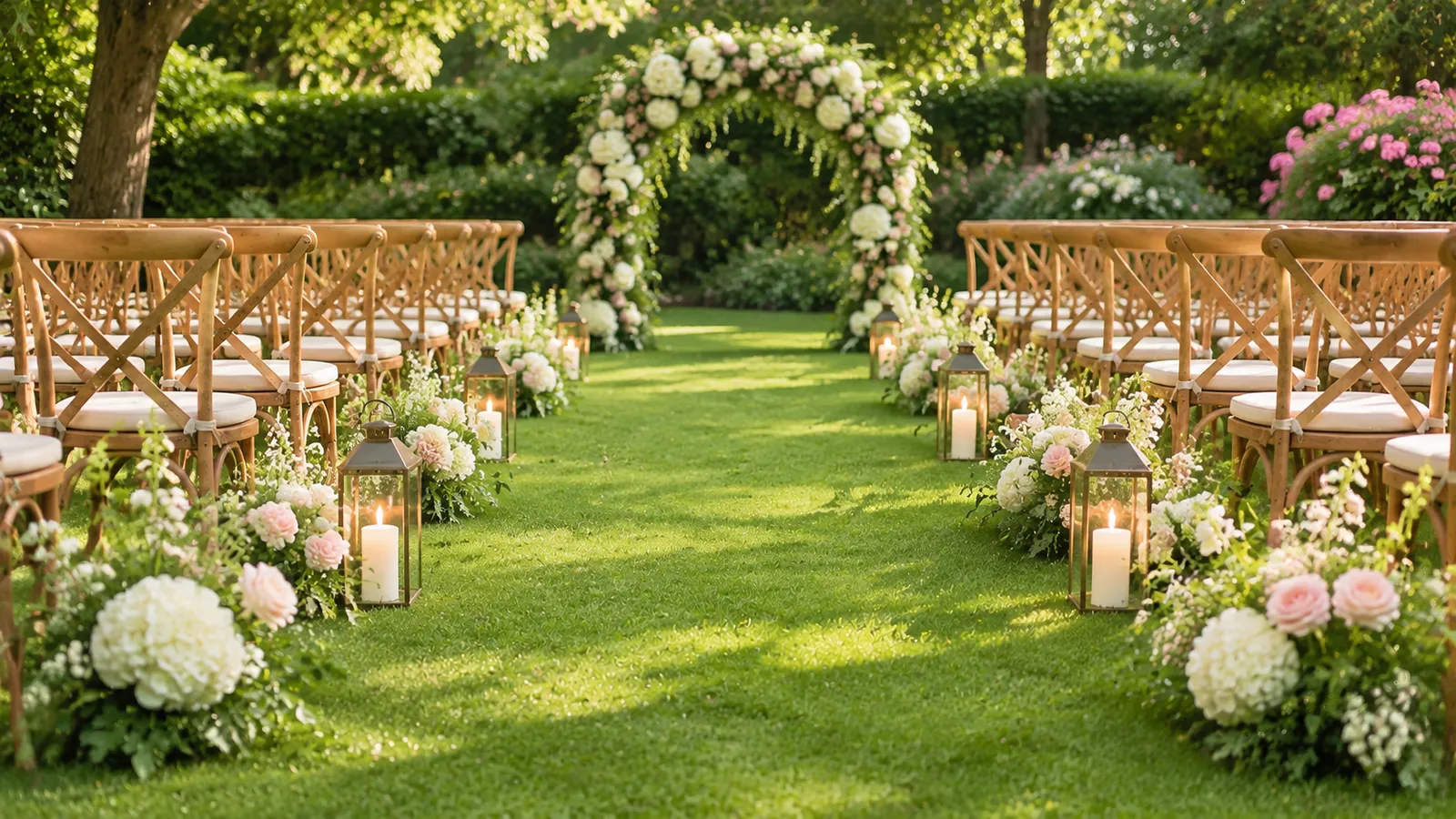
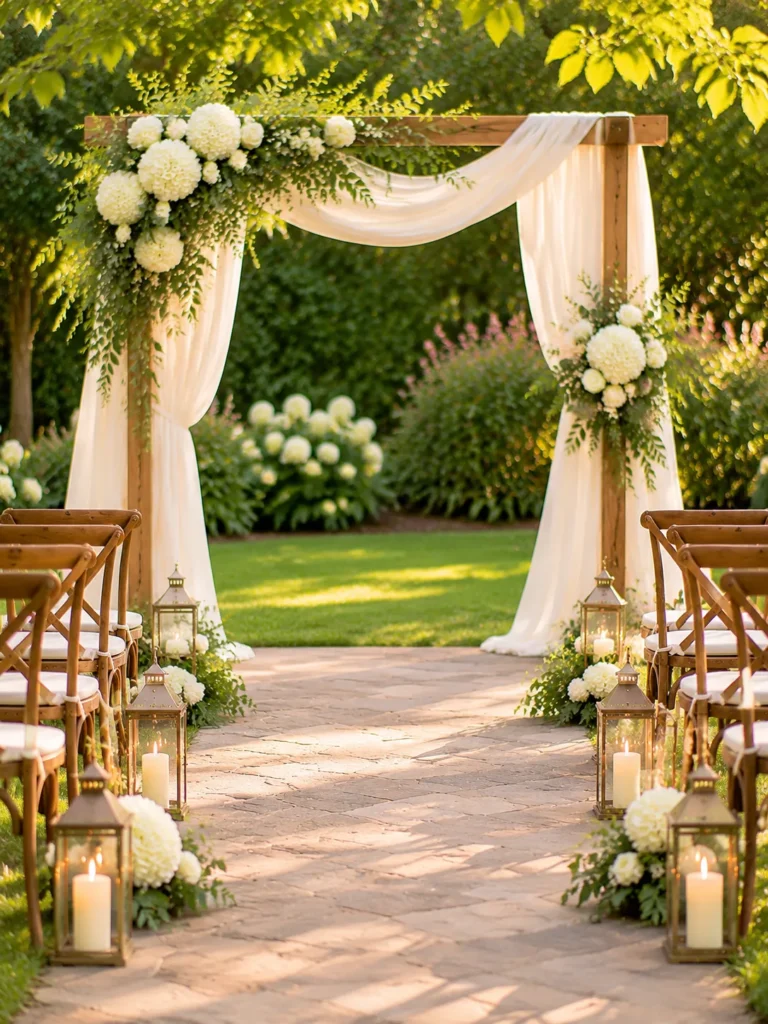
A garden aisle does not need a lot of decoration. A few clusters of flowers, small lanterns, or greenery tied to the first chairs can be enough. If the ceremony takes place on grass, make sure the aisle is even and easy to walk on in dress shoes. A simple runner may help, but test it beforehand so it does not bunch or slide. For a more natural look, let the lawn show and mark the aisle with low floral arrangements. Keep decorations low enough that guests can see the couple, and avoid placing delicate items where wind could knock them over.
Use a Floral Arch or Greenery Backdrop
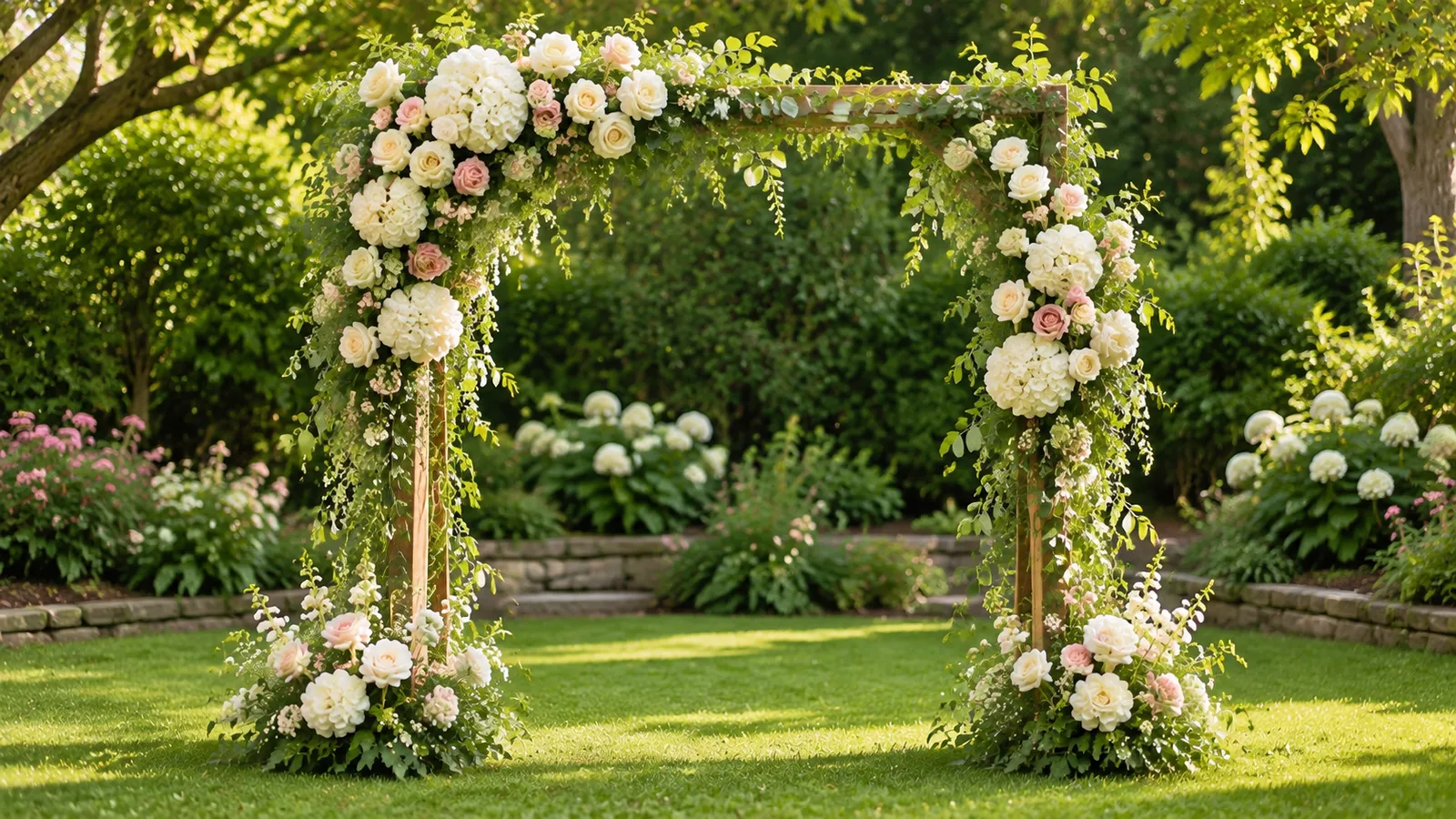
A floral arch can frame the ceremony and create a focal point without hiding the garden behind it. Choose flowers that suit the season and add greenery that looks good from every angle. If a full arch is outside your budget, try two simple arrangements on stands or a pair of potted trees. Make sure the structure is stable and secured for outdoor conditions. Ask your florist which flowers can handle the expected temperature and sunlight. Some delicate blooms wilt quickly in heat, so sturdy seasonal choices may look better for the full event.
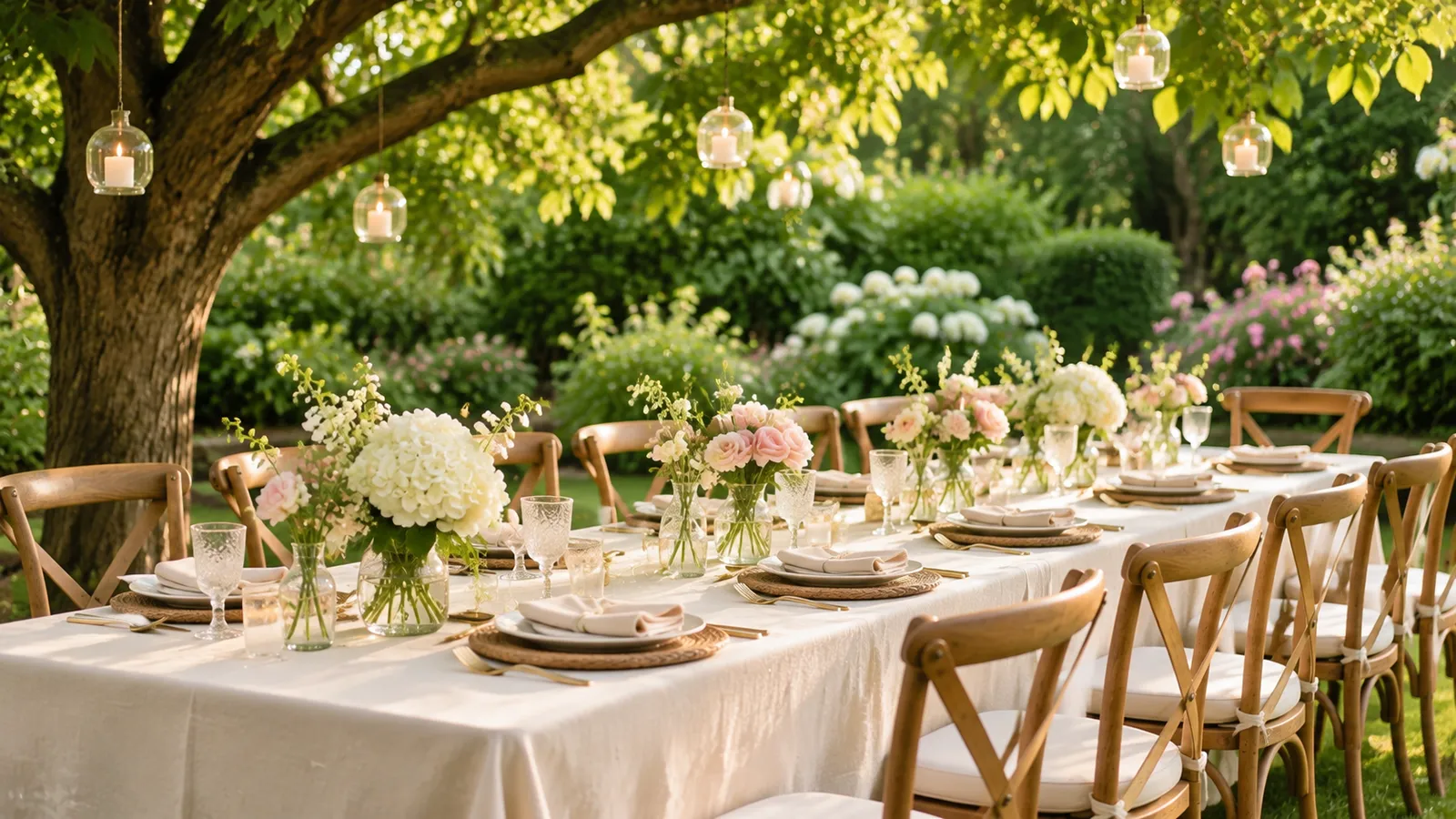
Make the Reception Tables Feel Fresh and Welcoming
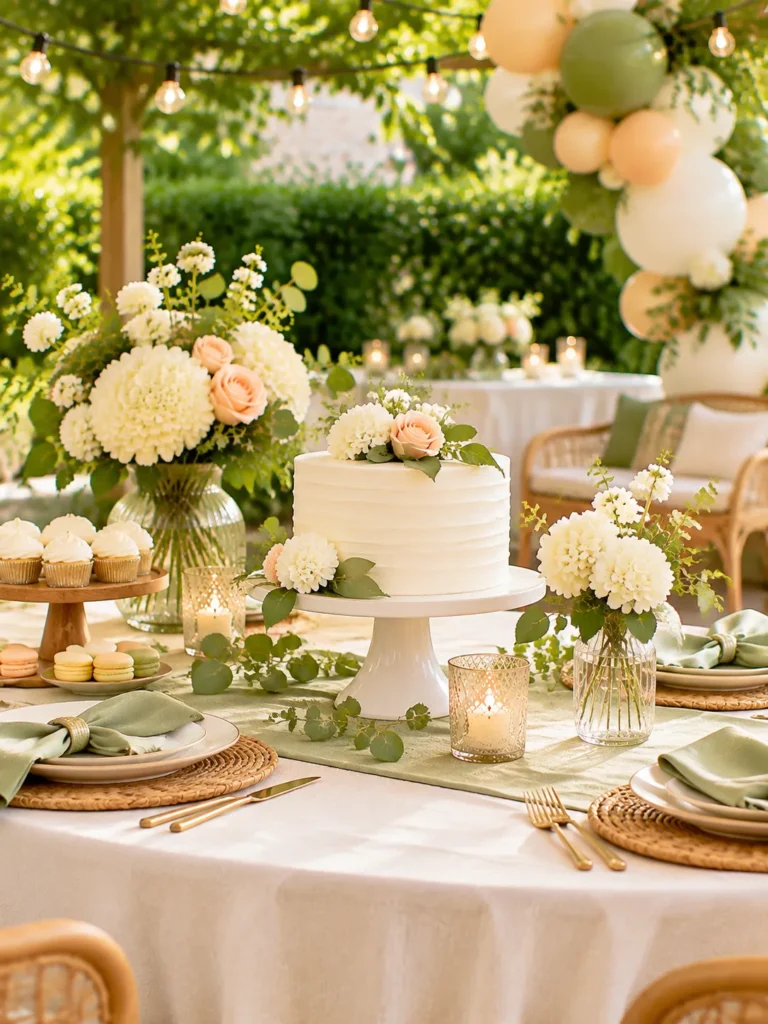
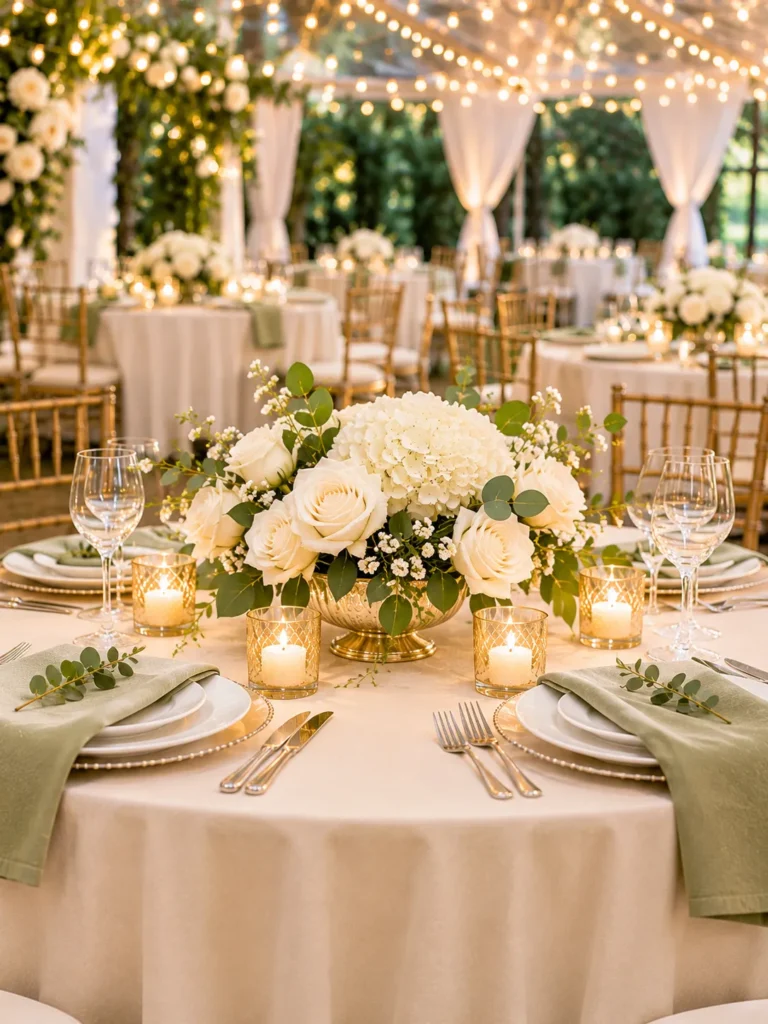
For garden wedding tables, use natural textures such as linen, wood, woven details, and simple ceramic pieces. A low centerpiece lets guests talk across the table and keeps the view open. Small flower arrangements, herbs in pots, or a mix of bud vases can create a relaxed look. Add candles only if the venue permits them and the conditions are safe. Keep place settings practical, with enough room for plates, glasses, and serving dishes. Outdoor tables can collect leaves or pollen, so have a team check them before guests are seated.
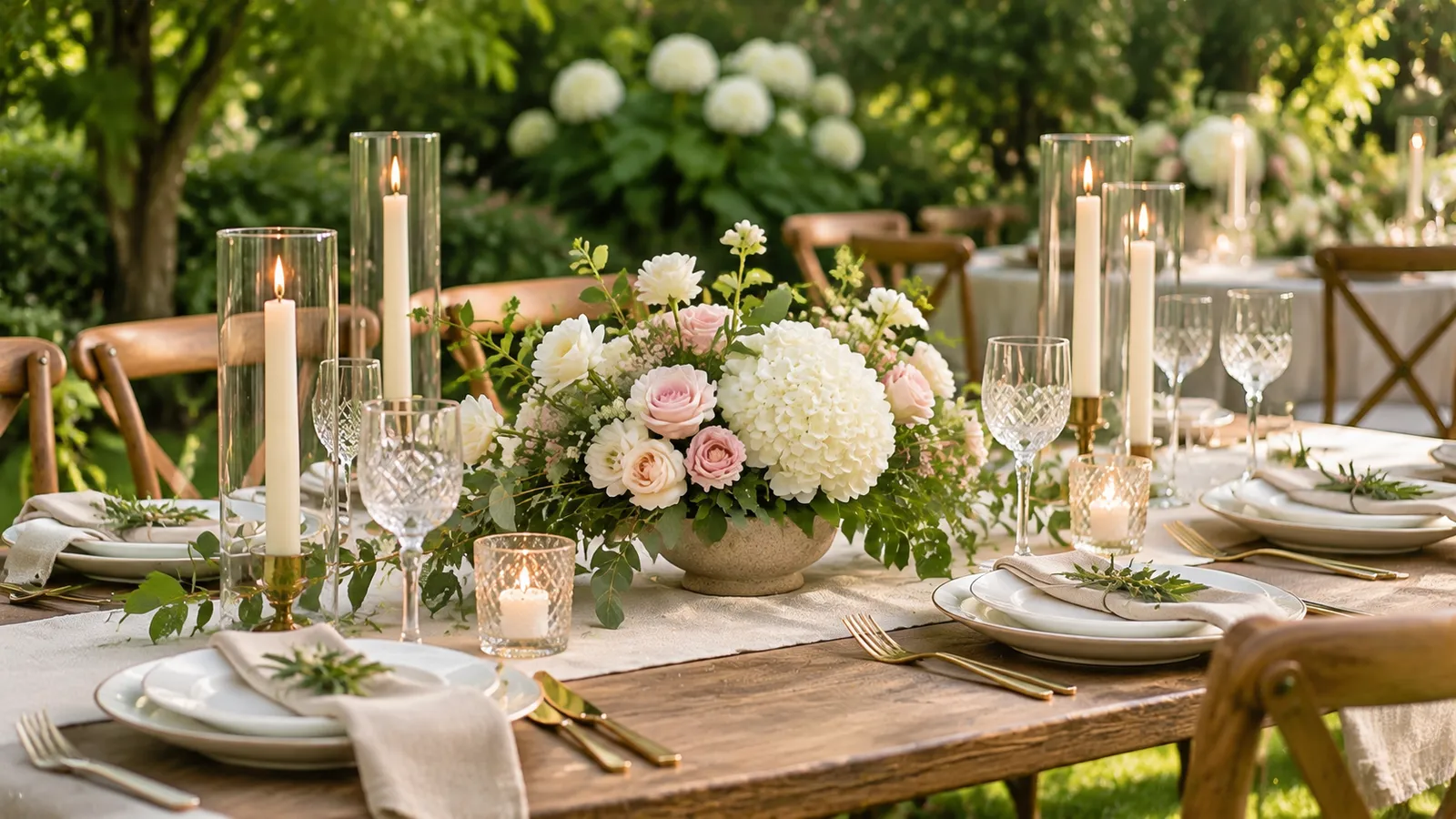
Add Shade for Sunny Ceremony and Dining Areas
Shade is one of the most useful comforts at an outdoor wedding. If the venue has mature trees, arrange seating where guests can benefit from their shade without blocking the ceremony view. For open lawns, consider a canopy, sailcloth tent, umbrellas, or a covered dining area. Ask the venue about wind ratings and installation rules before renting anything. If the ceremony is in direct sun, provide a shaded waiting area and consider a shorter service during the hottest part of the day. Shade also protects flowers, desserts, and guests who may be sensitive to heat.
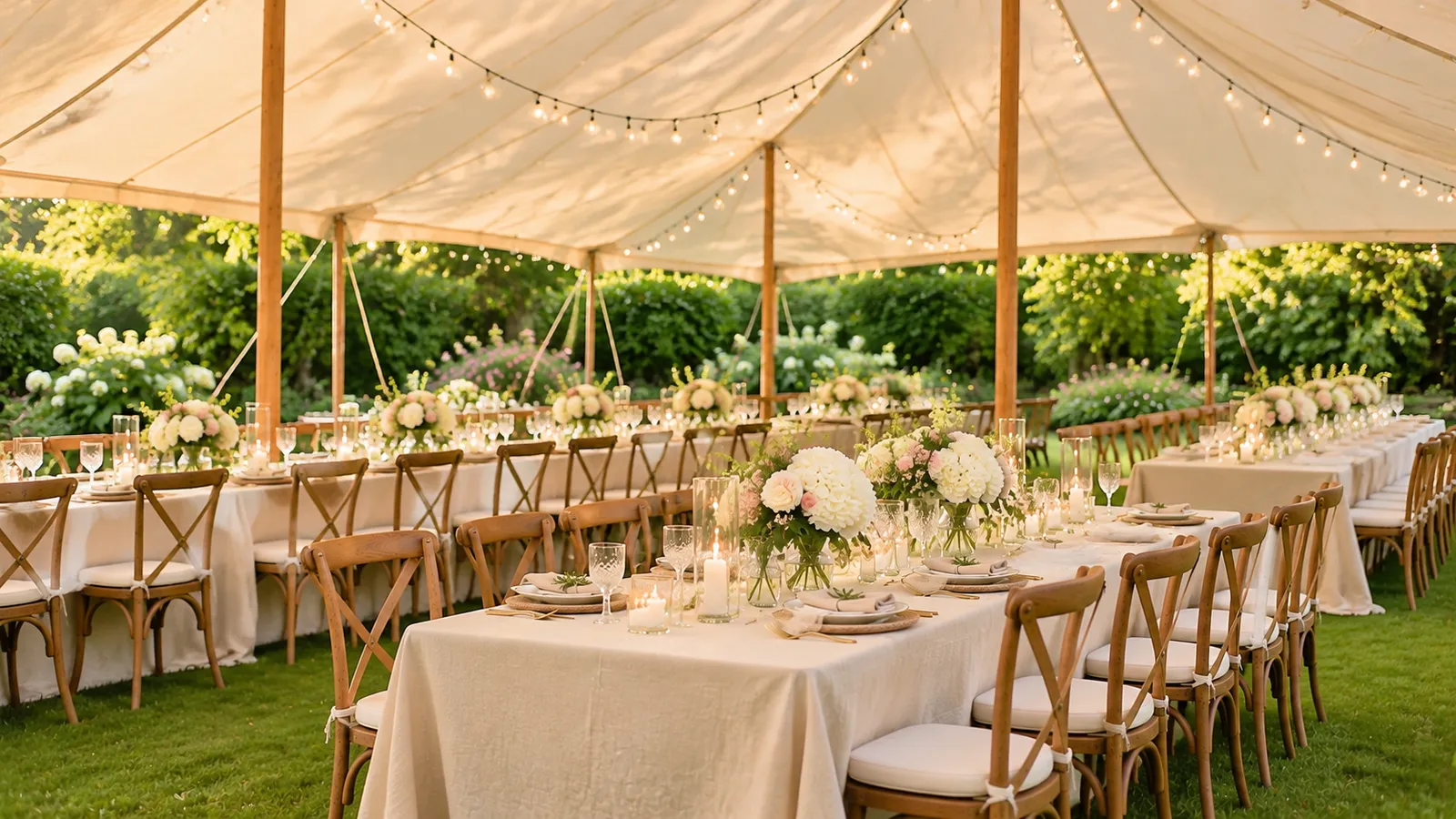
Plan Lighting for the Hours After Sunset
Garden spaces can look magical after sunset when the lighting is soft and thoughtfully placed. String lights overhead can define a dining area, while lanterns or low pathway lights help guests find their way. Use warm bulbs rather than harsh white lighting so the garden still feels calm. Check whether the venue has enough power and whether outdoor-rated equipment is required. Solar lights can help in some areas, but test them in advance because their brightness depends on sunlight during the day. Keep cables covered and away from walking routes.
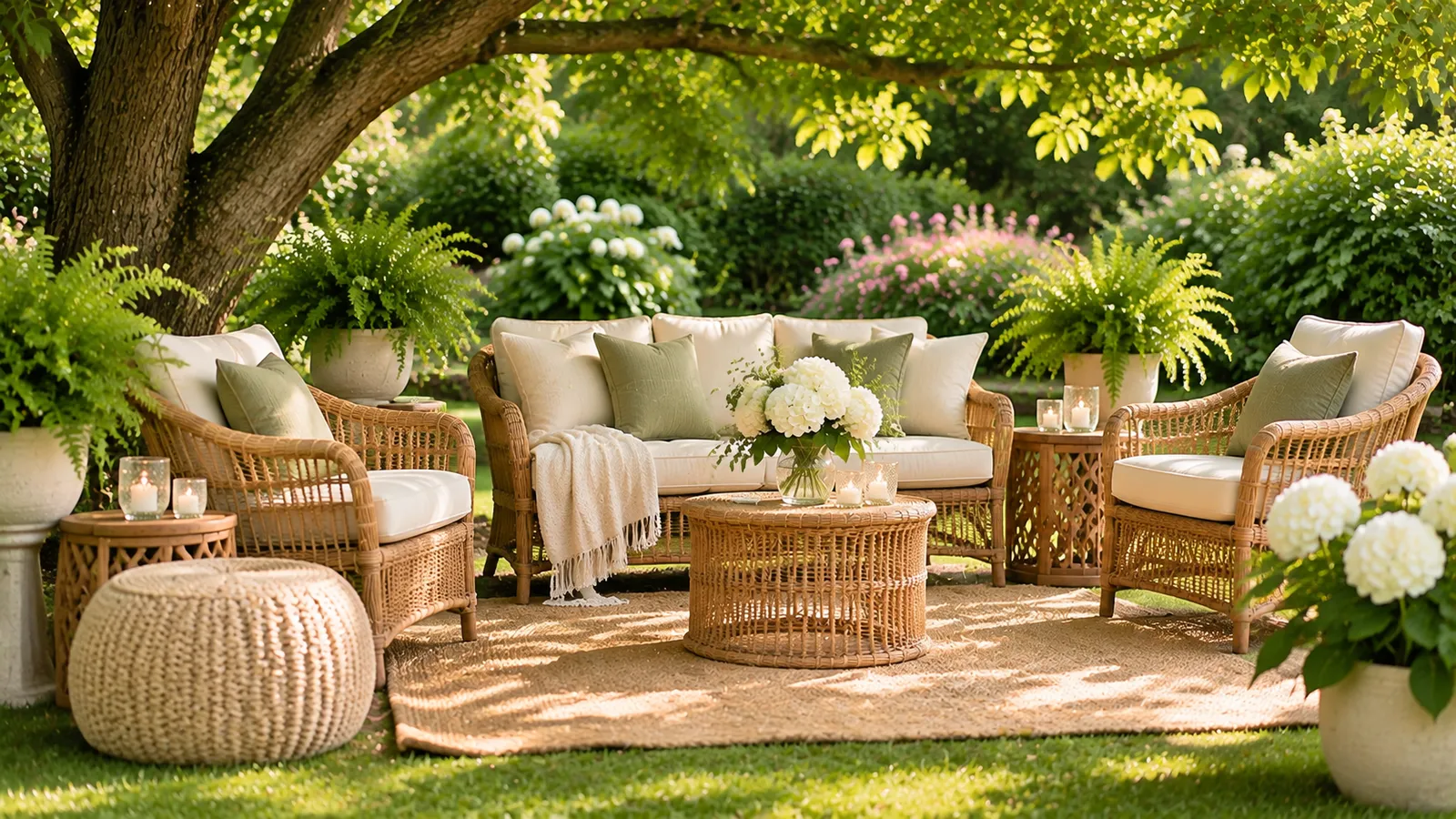
Prepare for Changing Weather
Outdoor weddings need a weather plan, even when the forecast looks promising. Ask the venue what happens if it rains and whether there is an indoor room or tent option that can hold everyone. Decide in advance who will make the call and how vendors will be informed. Keep a supply of umbrellas, blankets, or fans based on the season. If the ground may become soft after rain, provide a clear path between key areas. A backup plan should be comfortable and attractive enough that you can use it without feeling that the day has been spoiled.
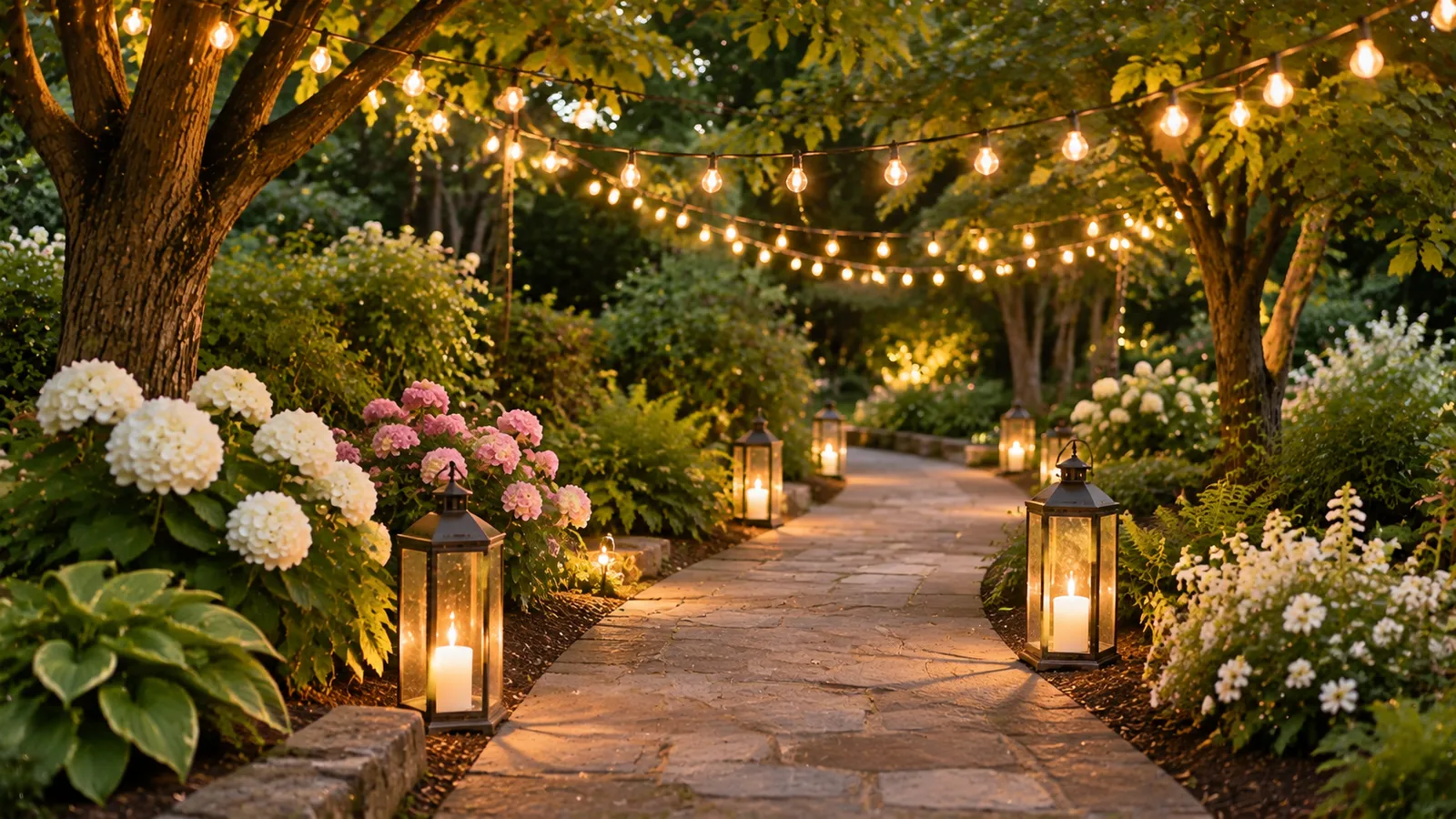
Offer Guest Comforts That Suit the Season
Small guest comforts can make a big difference outdoors. For a warm day, set out chilled water, fans, sunscreen, and a few shaded seats. For a cool evening, offer baskets of wraps or blankets near the reception area. Bug protection may be useful in some locations, but check with the venue before using sprays or citronella products near food and flowers. Make sure older guests and anyone with mobility needs have easy access to seating and restrooms. A simple welcome table can hold these items without making them feel like part of the main decor.
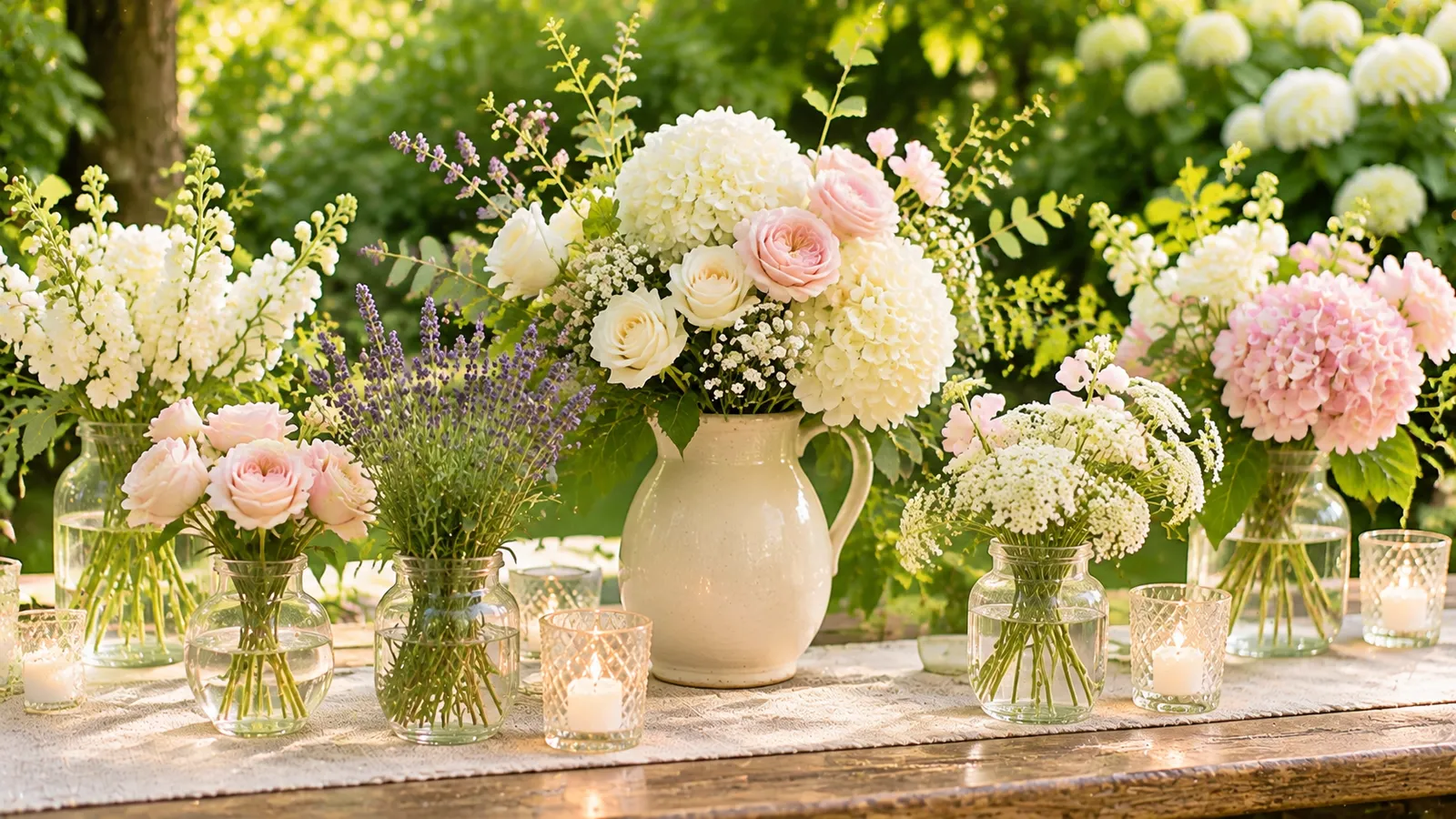
Choose Flowers That Can Handle the Outdoors
Outdoor conditions can be hard on fresh flowers, especially in direct sun or high humidity. Talk with your florist about seasonal blooms that hold their shape and color throughout the day. Greenery, herbs, and hardy flowers can be beautiful choices and may help control costs. Keep bouquets in water until shortly before the ceremony, and place arrangements out of intense sun whenever possible. If you love a delicate flower, use it in a bouquet or a shaded focal point rather than relying on it for every table. Your florist can help balance the look with blooms that last.
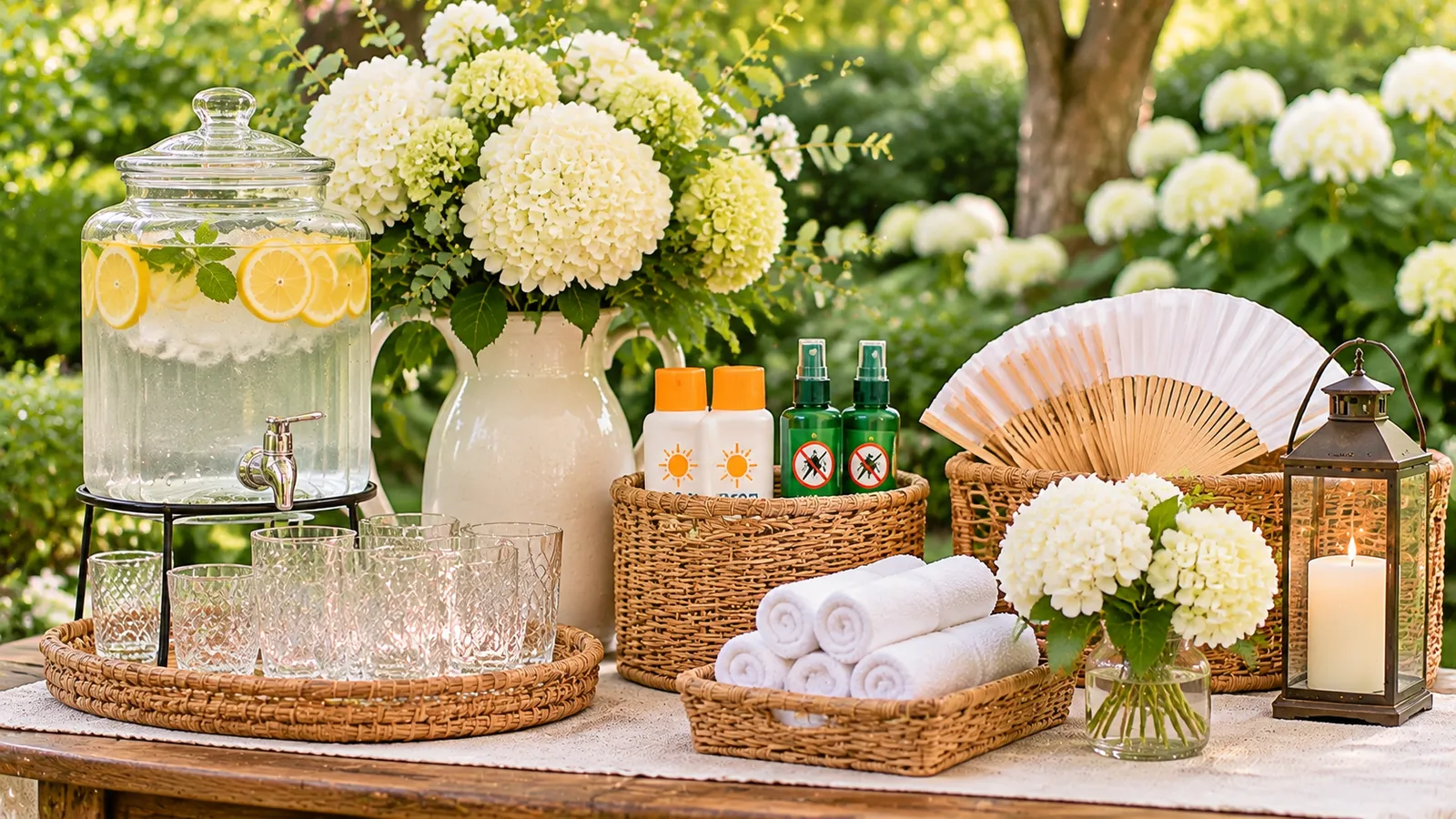
Set Up Clear Paths Between Wedding Areas
Guests should be able to move easily from the ceremony to cocktails, dinner, restrooms, and parking. Use existing paths whenever possible and add subtle lighting or small signs where directions are not obvious. Avoid sending guests across uneven ground in formal shoes. If the garden has steps, slopes, or narrow walkways, think through an accessible route and make sure it is clearly explained. Keep service areas and vendor equipment out of guest pathways. A well-planned layout helps the event feel relaxed because people know where to go next.
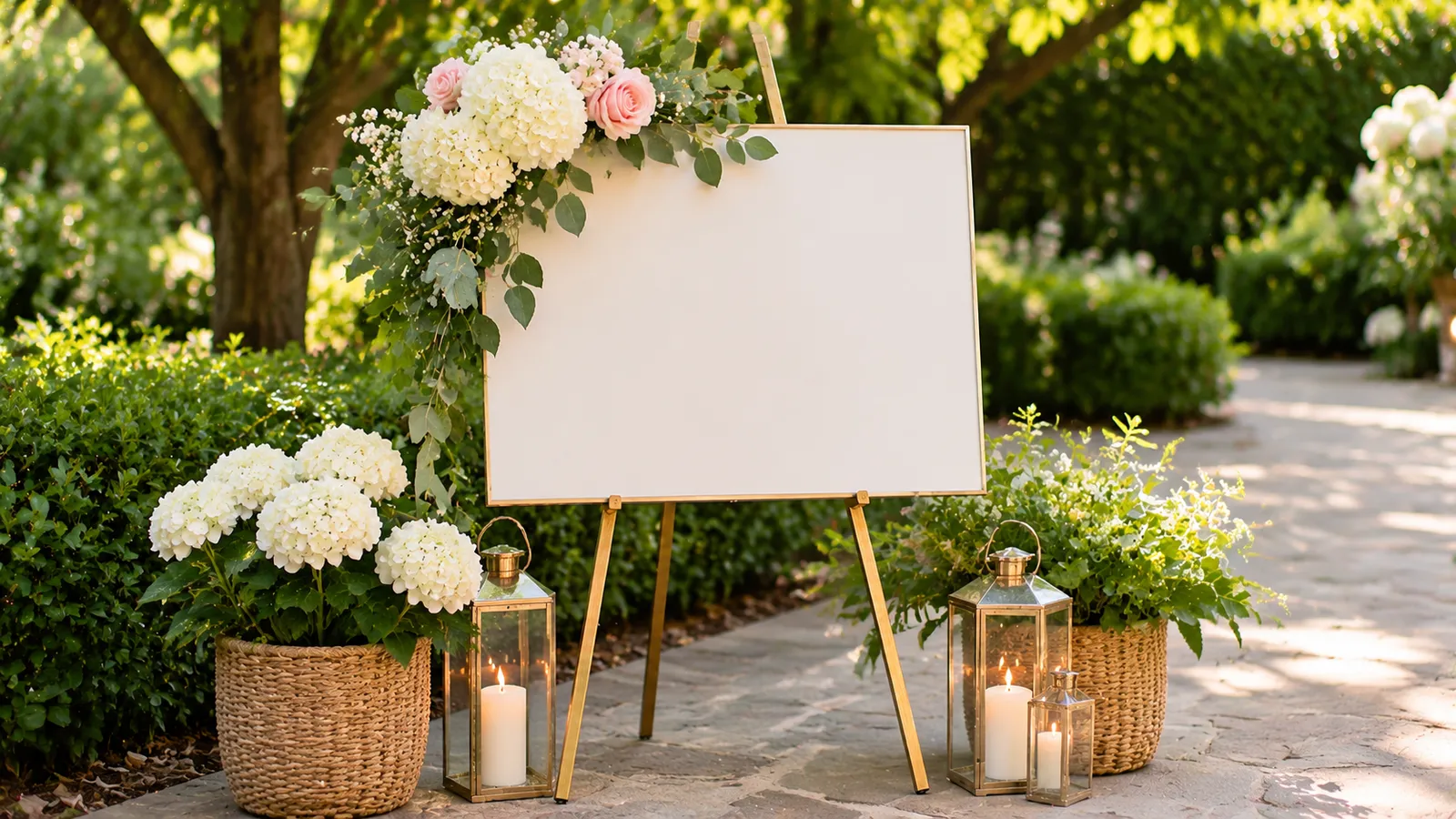
Create a Relaxed Cocktail or Lounge Area
A garden lounge gives guests a place to chat between the ceremony and reception. Arrange a few chairs, small tables, and cushions in a shaded corner or beneath a tree. Choose outdoor-friendly fabrics and furniture that can handle a little moisture. A rug can help define the area, but secure its corners so nobody trips. You might add a small side table with water or a signature drink, depending on your venue’s rules. Keep the lounge close enough to the main event that guests do not miss important moments.
Choose Food and Drinks That Work Outdoors
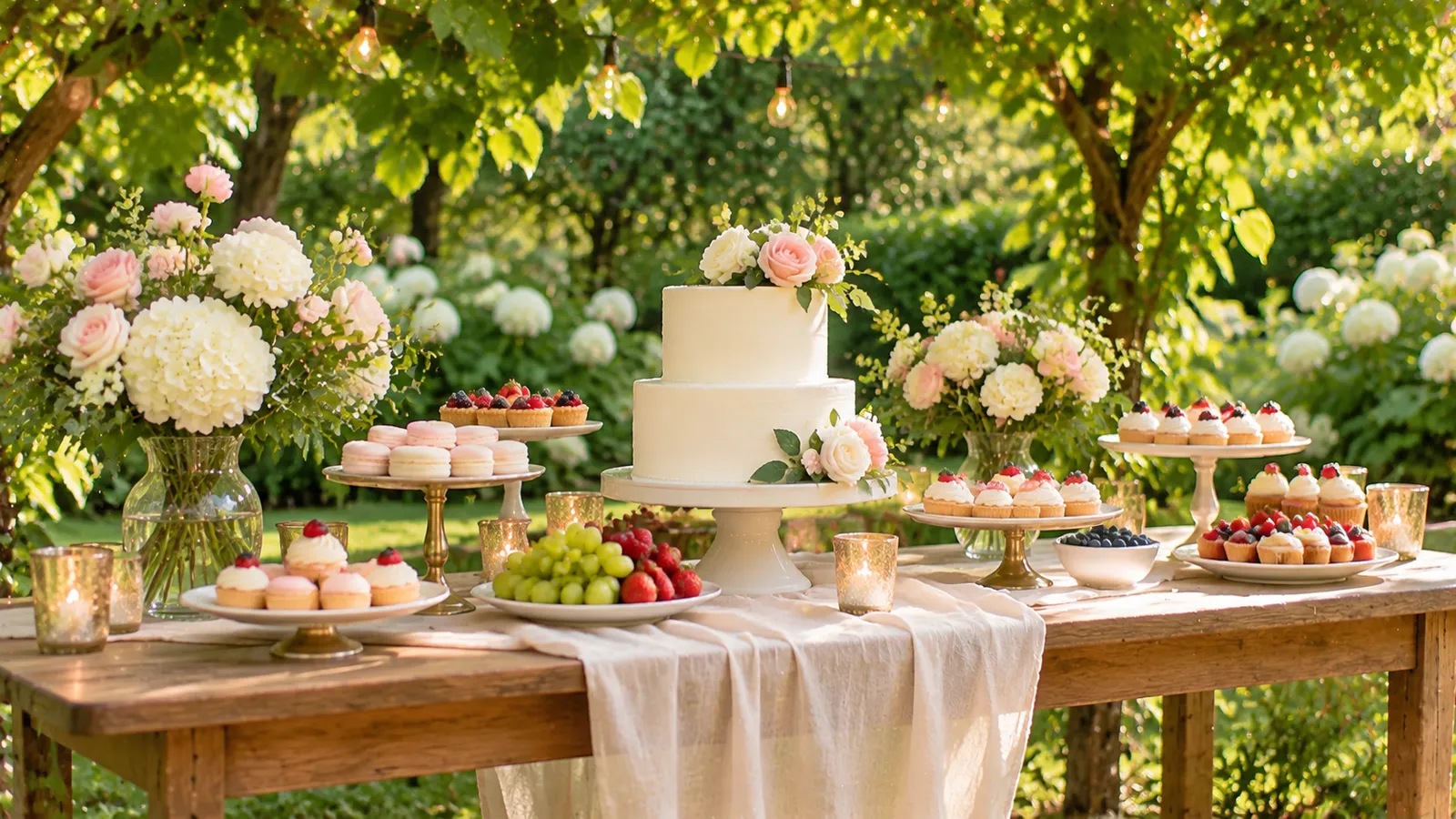
Outdoor dining calls for a little extra coordination. Ask your caterer how food will be kept at safe temperatures and protected from insects, dust, and direct sun. A plated meal can work beautifully under a tent, while a buffet may need shade and a clear serving line. Offer water throughout the event and make sure there are nonalcoholic choices as well as any planned drinks. Consider desserts that hold up in the expected weather. Share the garden setting and schedule with your caterer early so they can plan equipment, staffing, and food service accordingly.
Keep the Decor Personal but Not Overcrowded
The garden itself is part of the design, so leave room for it to shine. Choose a few personal details that mean something to you, such as family heirlooms, handwritten place cards, a favorite book, or a small display of meaningful objects. Use them in places where guests will notice them without creating clutter. If you include a welcome sign, make sure it is easy to read from a distance and secured against wind. A thoughtful mix of natural greenery and personal touches often feels more memorable than filling every corner with decorations.
Finish With a Practical Setup and Cleanup Plan
Before the wedding, confirm who is responsible for delivery, setup, moving furniture, collecting rentals, and cleanup. Ask vendors when they can access the garden and whether vehicles can drive onto the property. Protect lawns and planting beds from heavy equipment, and plan where bins will go so they are easy for staff to reach but out of sight of guests. After the event, make sure flowers, decorations, and personal items are collected. A clear schedule helps the day run smoothly and protects the garden for the people who care for it.
Frequently Asked Questions
What is the best season for a garden wedding?
Spring and early fall are popular because temperatures are often more comfortable and many flowers are in season. The best choice depends on your local climate, the garden’s shade, and the weather patterns in your area.
How do you keep guests comfortable at an outdoor garden wedding?
Provide shade, drinking water, accessible seating, and a clear route between event areas. Add fans or sunscreen in hot weather and blankets or wraps when evenings may turn cool.
What happens if it rains on the wedding day?
Have a backup location or tent plan confirmed before the event. Decide who will make the weather call, tell vendors how the plan may change, and make sure the alternative space can comfortably hold your guests.
Are garden weddings usually less expensive?
They can be, especially if the venue already has beautiful landscaping, but outdoor events may need extra rentals, lighting, restrooms, power, or weather protection. Compare the full costs before deciding.
Related Ideas
- 15 Wedding Ceremony Decoration Ideas for a Beautiful Day
- 15 Wedding Reception Decoration Ideas for a Beautiful Celebration
- 15 Engagement Party Decoration Ideas for a Lovely Celebration
- 15 Proposal Setup Decoration Ideas for a Beautiful Moment
- 15 Wedding Anniversary Decoration Ideas for a Special Day
- 15 First Wedding Anniversary Decoration Ideas to Celebrate One Year
- Silver Wedding Anniversary: 15 Beautiful Celebration Ideas
- Golden Wedding Anniversary: 15 Beautiful Celebration Ideas
- 15 Vow Renewal Ceremony Ideas for a Meaningful Day
- 15 Bridal Shower Decoration Ideas for a Beautiful Party
- 15 Couples’ Shower Ideas for a Fun Wedding Celebration
- 15 Rehearsal Dinner Ideas for a Warm Wedding Celebration
- 15 Welcome Wedding Party Ideas for a Warm Celebration
- 15 Post-Wedding Brunch Ideas for a Lovely Day-After Gathering
- 15 Bachelor Party Ideas for a Fun Pre-Wedding Celebration
- 15 Bachelorette Party Ideas for a Fun Wedding Celebration
- 15 Bridal Luncheon Ideas for a Lovely Pre-Wedding Gathering
- 15 Bridesmaid Proposal Party Ideas to Ask Your Friends
- 15 Groomsmen Proposal Ideas to Ask Your Friends
- 15 Wedding Welcome Party Ideas for a Warm Celebration
- 15 Elopement Celebration Ideas for a Meaningful Gathering
- 15 Micro Wedding Ideas for a Beautiful, Intimate Day
- 15 Destination Wedding Ideas for a Beautiful Celebration
One Comment