15 Adoption Celebration Ideas for a Meaningful Family Day
An adoption celebration is a chance to mark an important moment in a family’s story. Whether you are welcoming a child home, celebrating an adoption anniversary, or gathering loved ones after a finalization, the day can be joyful without being complicated. A comfortable space, a few thoughtful details, and time together are often more meaningful than an elaborate party.
Every adoption story is different, so let the child and family guide the celebration. Some children may enjoy a lively gathering, while others may prefer a small meal with a few familiar people. Keep the plans flexible, respect the child’s privacy, and choose decorations and activities that make them feel safe, included, and loved.
Choose a Celebration Style That Feels Right
Start by deciding what the day should feel like. A casual backyard lunch, a cozy family dinner, a small open house, or a playful afternoon at home can all work well. Think about the child’s age, comfort level, energy, and relationship with the guests before choosing the size and setting.
Some families celebrate the day an adoption is finalized, while others mark the day a child came home or choose an annual family date. There is no single correct way to do it. Pick a moment that feels right for your family and explain the plan to guests in simple terms.
Pick a Gentle, Welcoming Theme
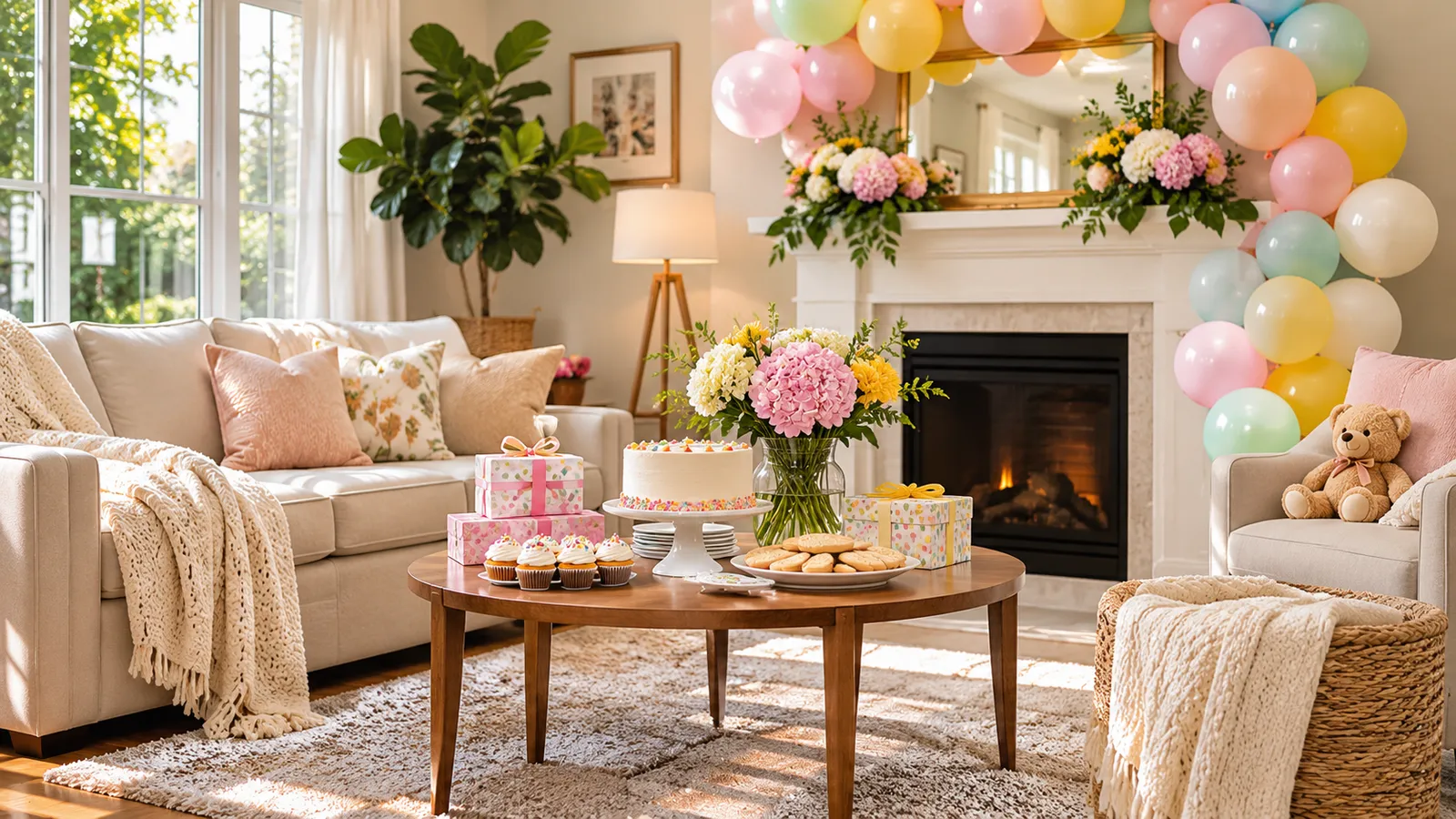
A theme can make decorating easier, but it does not need to define the child’s identity or tell their story for them. Consider broad, cheerful ideas such as a garden gathering, rainbow colors, favorite animals, storybook details, or a simple family picnic. Choose colors and objects the child genuinely likes.
Keep the theme flexible and avoid slogans or labels that could make the child feel on display. If the child is old enough, invite them to choose a color, activity, or favorite decoration. Their input can turn planning into part of the celebration rather than something arranged around them.
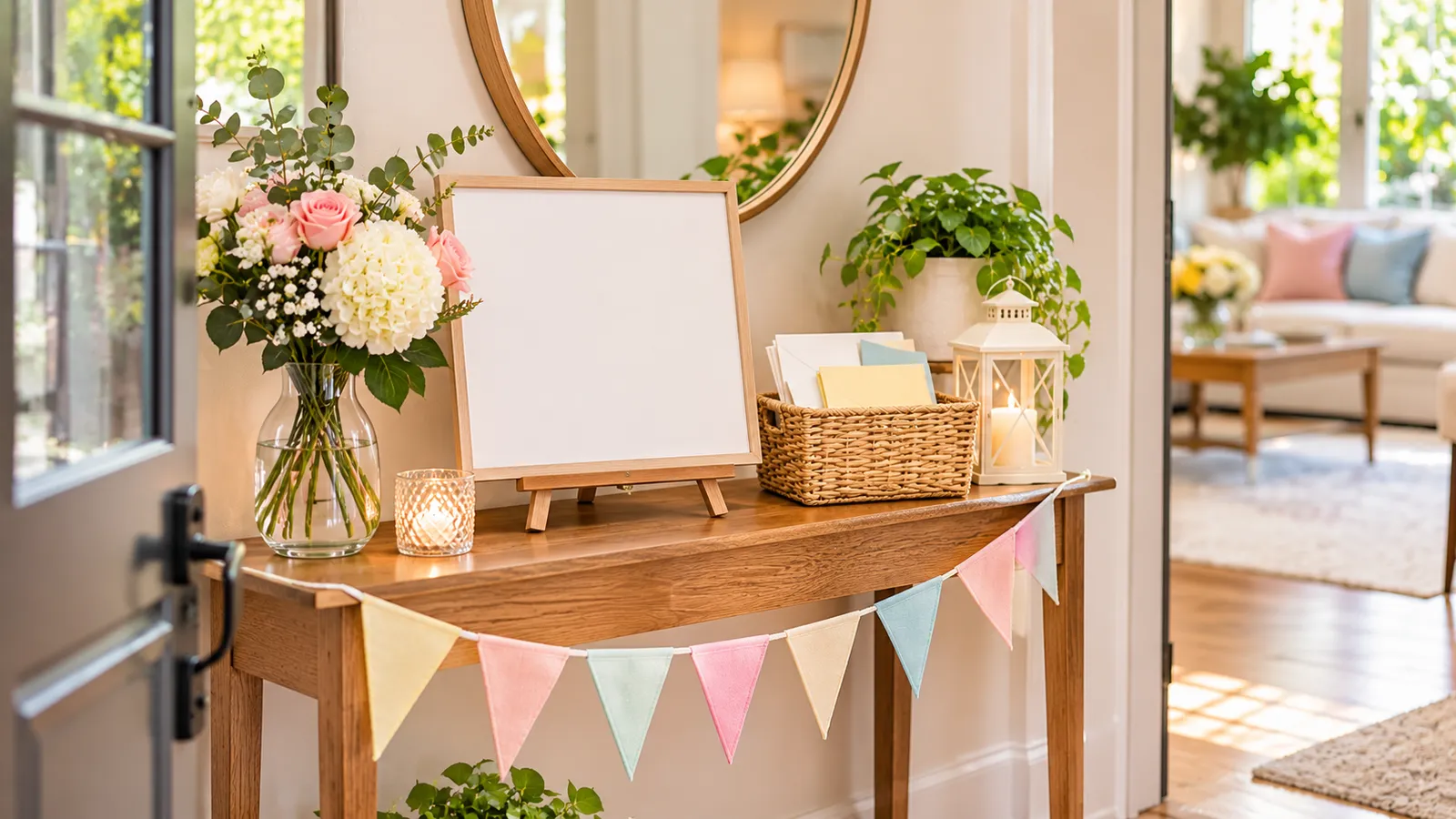
Create a Warm Welcome Area
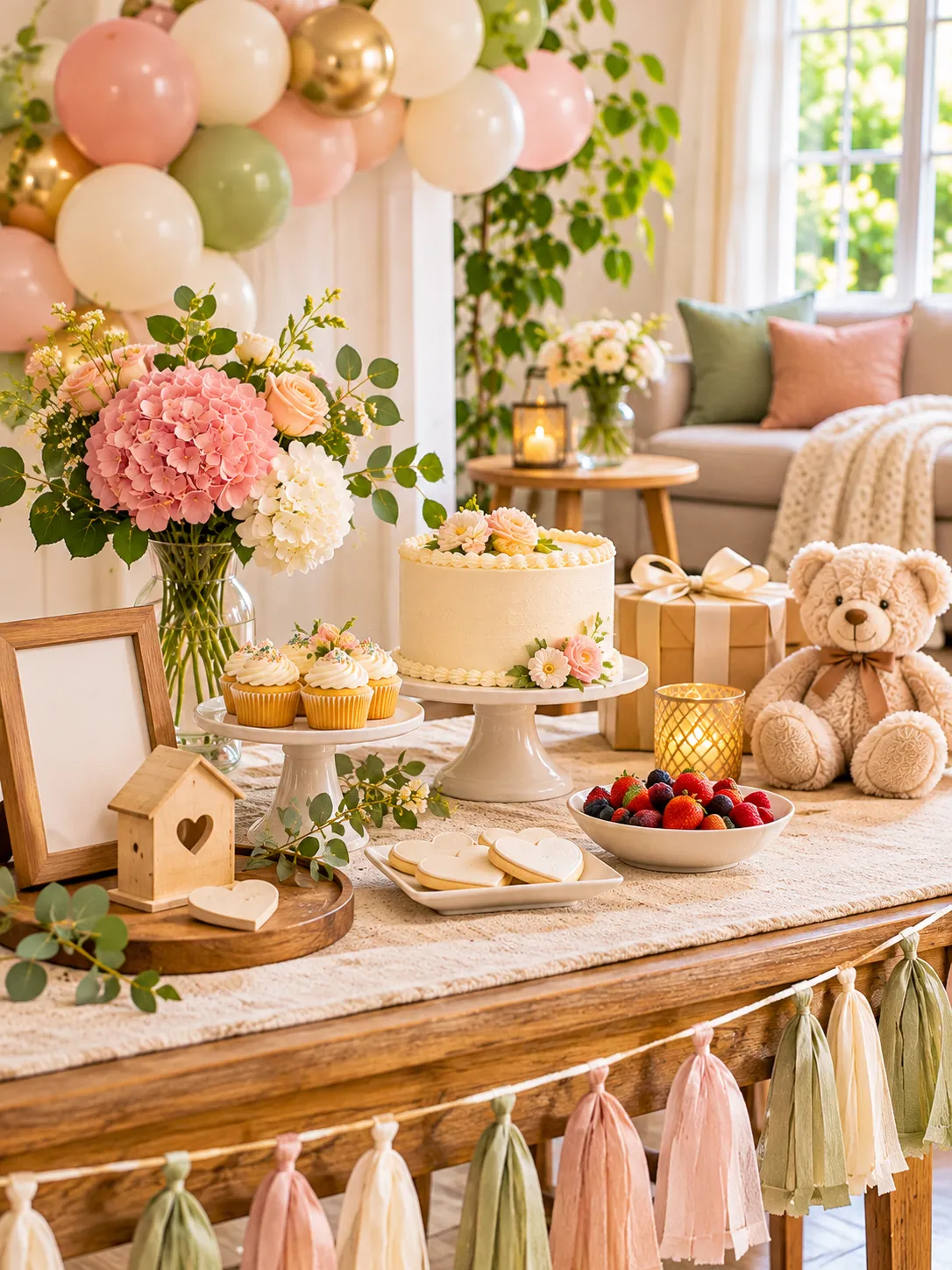
Set up a small entry table with flowers, a simple garland, and a basket for cards. A framed family photo can be a lovely touch if everyone pictured is comfortable sharing it. Leave plenty of open space so guests can arrive without crowding the doorway.
A welcome sign is optional. If you use one, keep the wording simple, such as a general greeting or the family name, and make sure the child is comfortable with it. Avoid public displays of private adoption details, legal information, or personal history.
Decorate with Meaningful Family Details
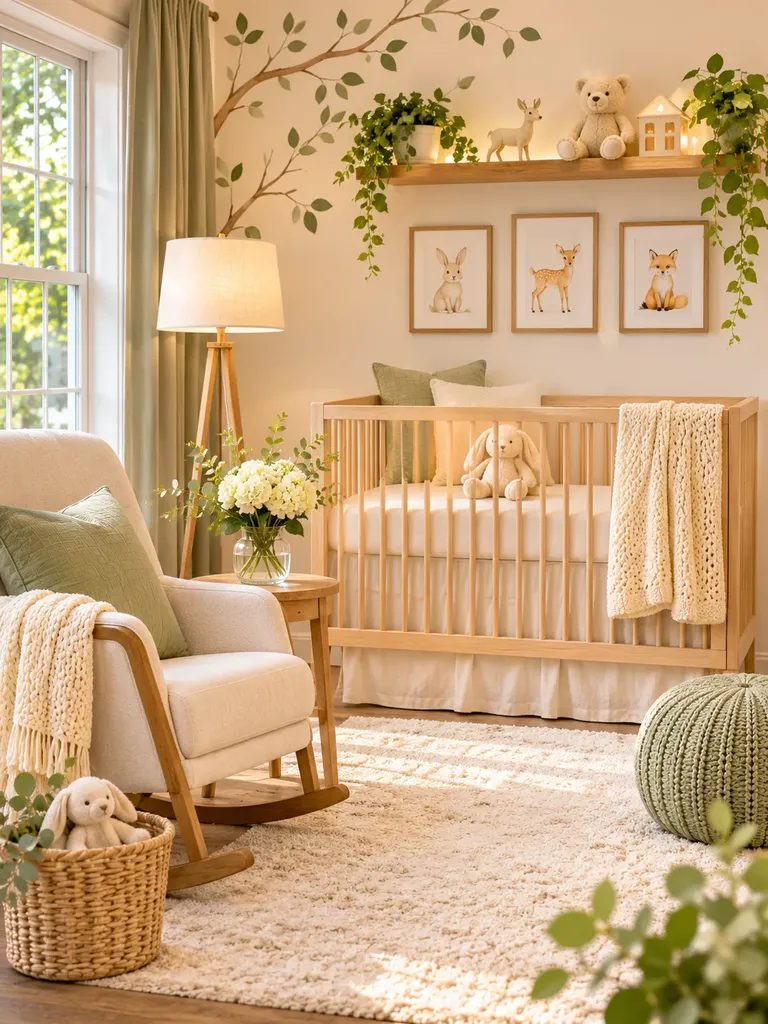
Choose a few decorations that make the space feel personal: favorite books, a beloved toy displayed on a shelf, family colors, or flowers from a meaningful season. These small details can make the gathering feel connected to everyday family life instead of like a formal event.
Use decorations that are easy to move or remove if the child becomes overwhelmed. Soft lighting, uncluttered tables, and familiar objects can help the room feel calm. Keep breakable pieces and small items out of reach when young children will be playing nearby.
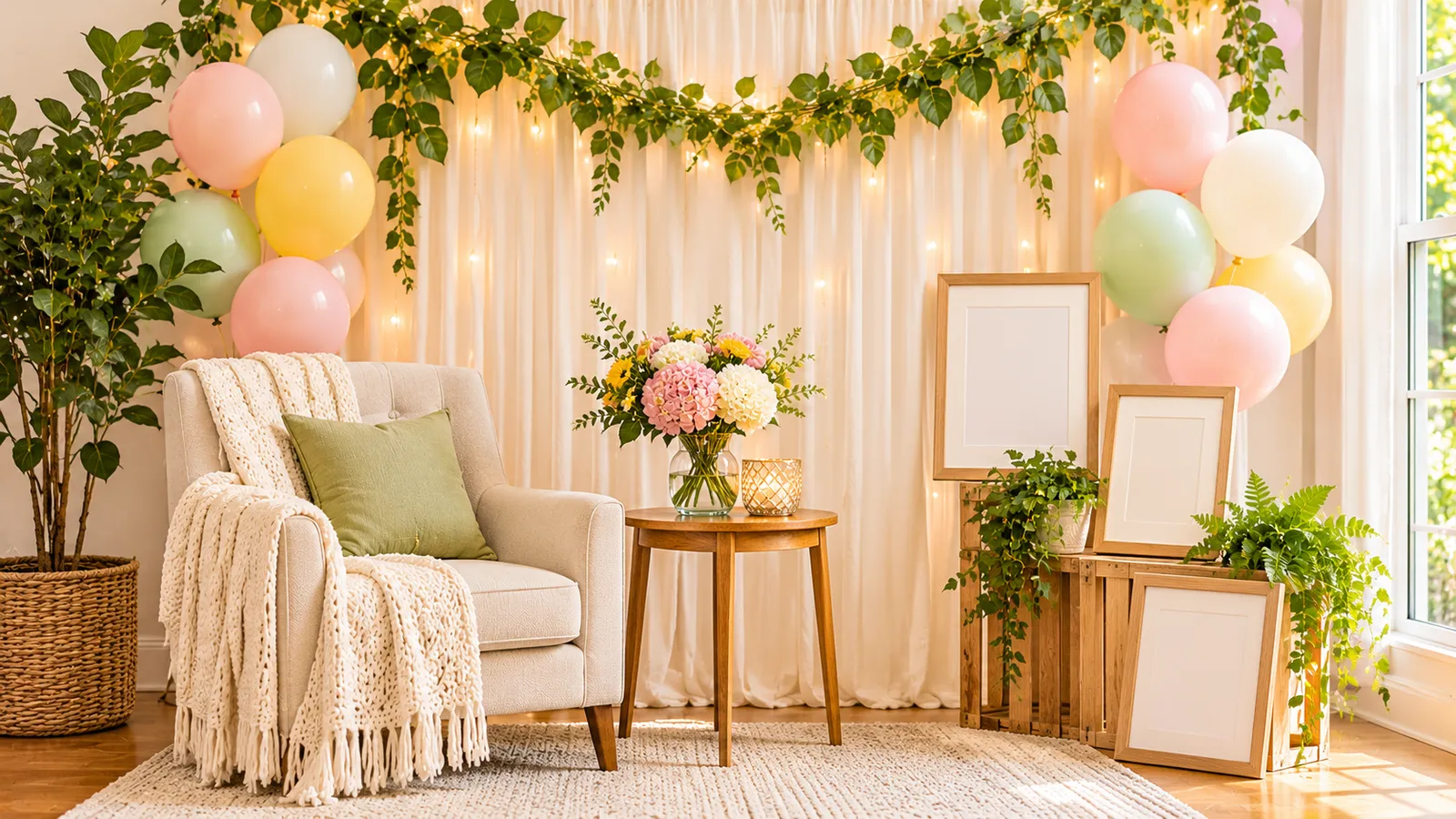
Set Up a Family Photo Corner
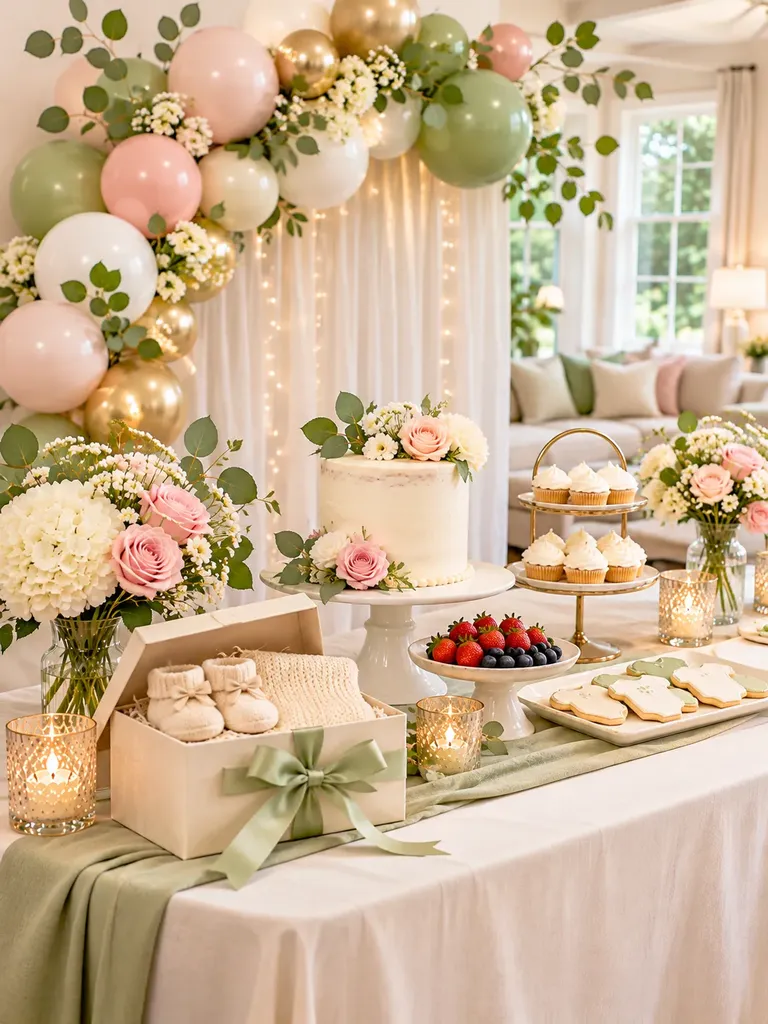
A photo corner gives guests a place to take pictures without making photographs the focus of the day. Use a simple fabric backdrop, a few balloons, greenery, or a comfortable chair. Add a small basket of optional props only if they suit the child’s age and personality.
Ask before taking or sharing photos, and let the child opt out without pressure. Some families prefer to keep adoption celebrations private, especially online. If you display framed pictures, choose images approved by the people shown and use blank frames or blank paper where a photo is not intended.
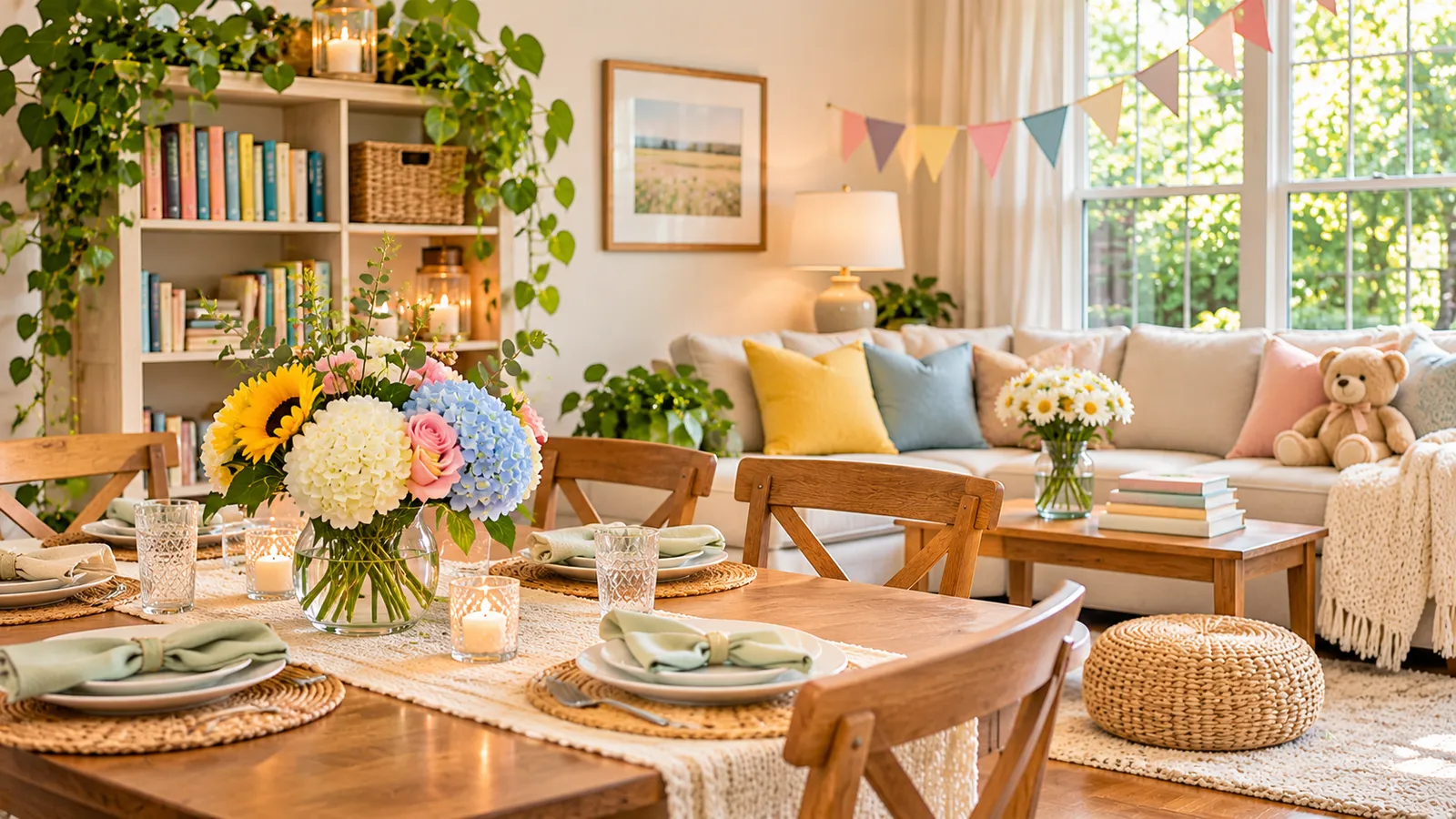
Plan Food That Is Easy to Enjoy
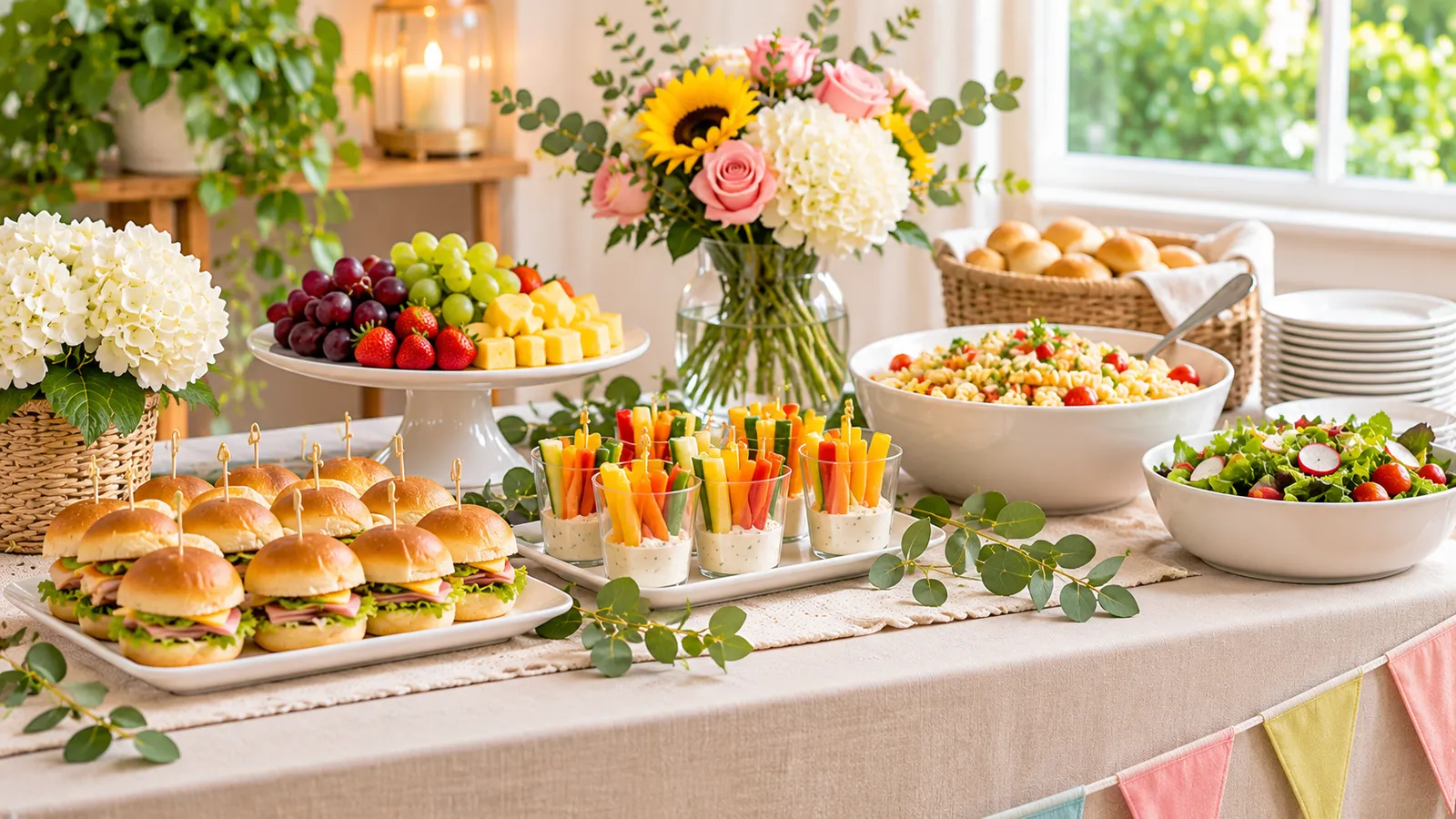
Choose food that suits the time of day and does not keep the hosts in the kitchen. Sandwiches, fruit, pasta salad, mini pizzas, simple snacks, and a few favorite family dishes can make a relaxed menu. Include options for common dietary needs and label dishes clearly for guests.
Think about the child’s preferences and routine. Familiar foods can be reassuring, and there is no need to introduce a large buffet of unfamiliar choices. Keep water and other drinks easy to reach, and plan a quiet place where a child can eat or take a break if the room gets busy.
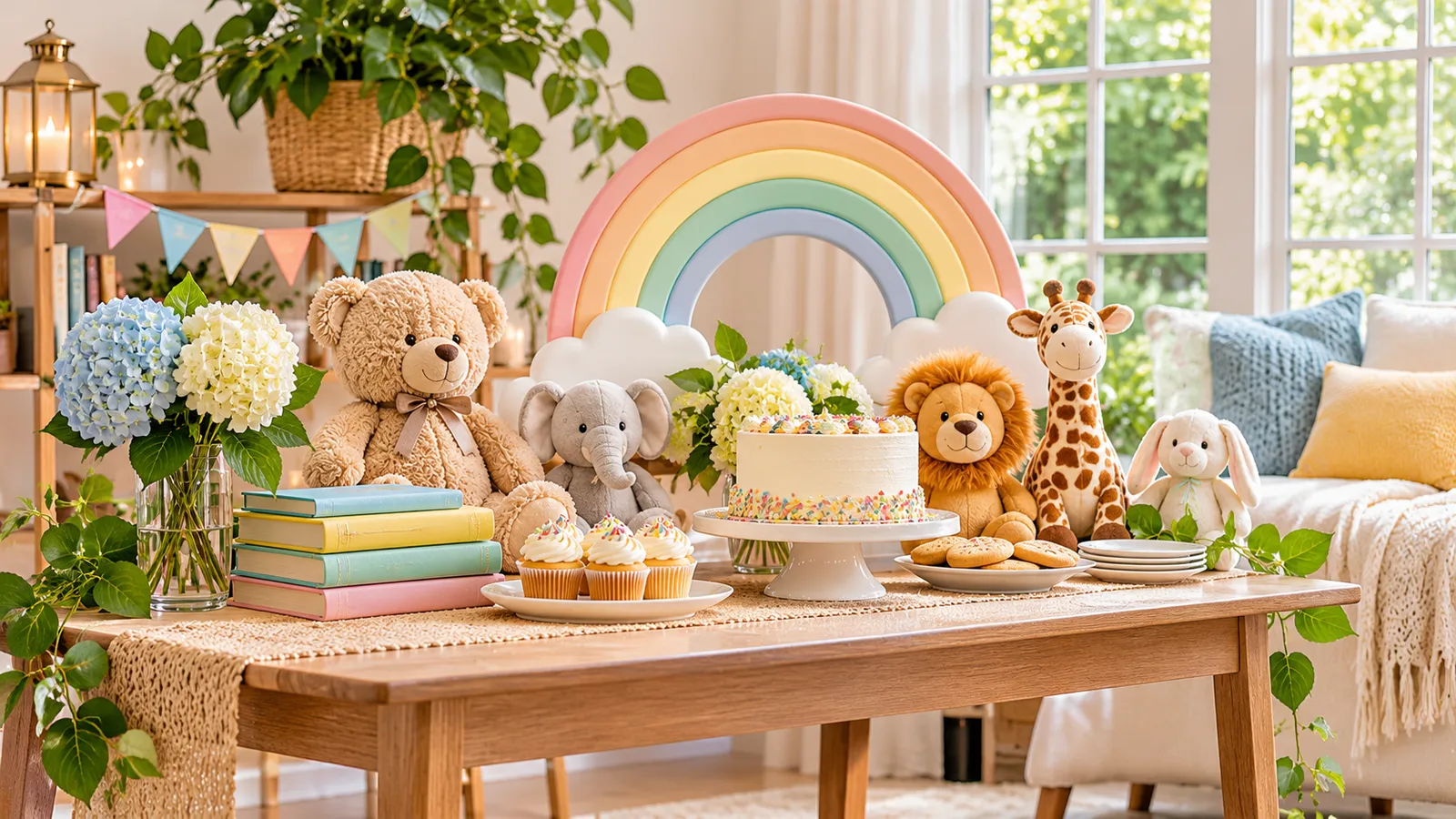
Make a Simple Dessert Table
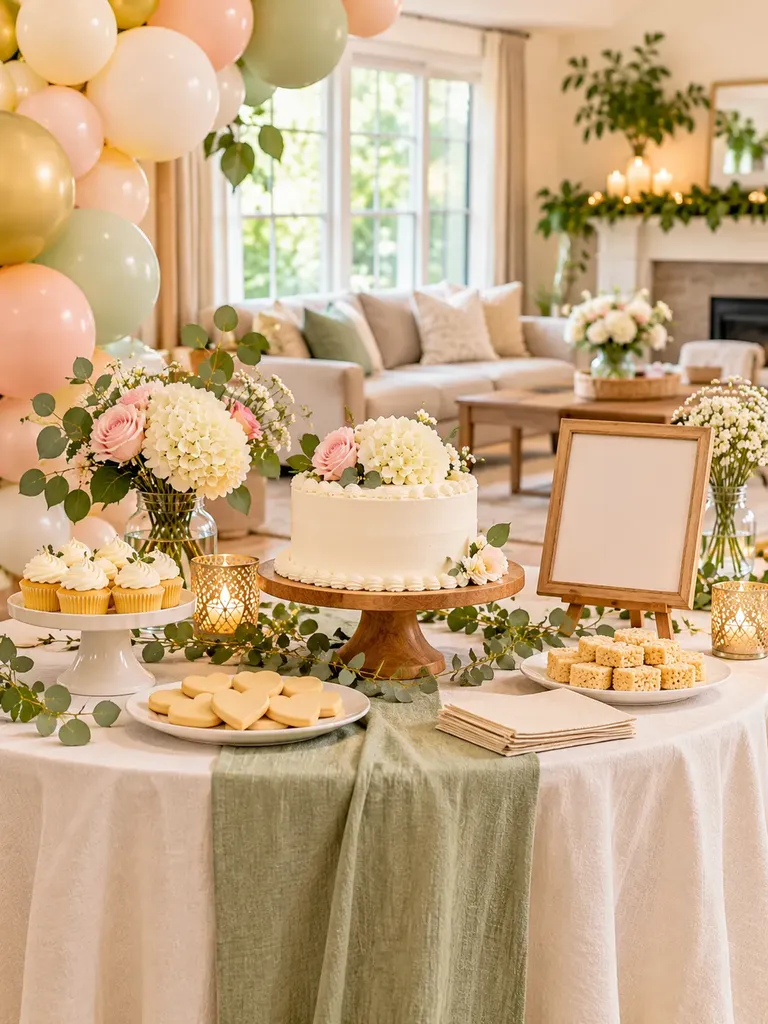
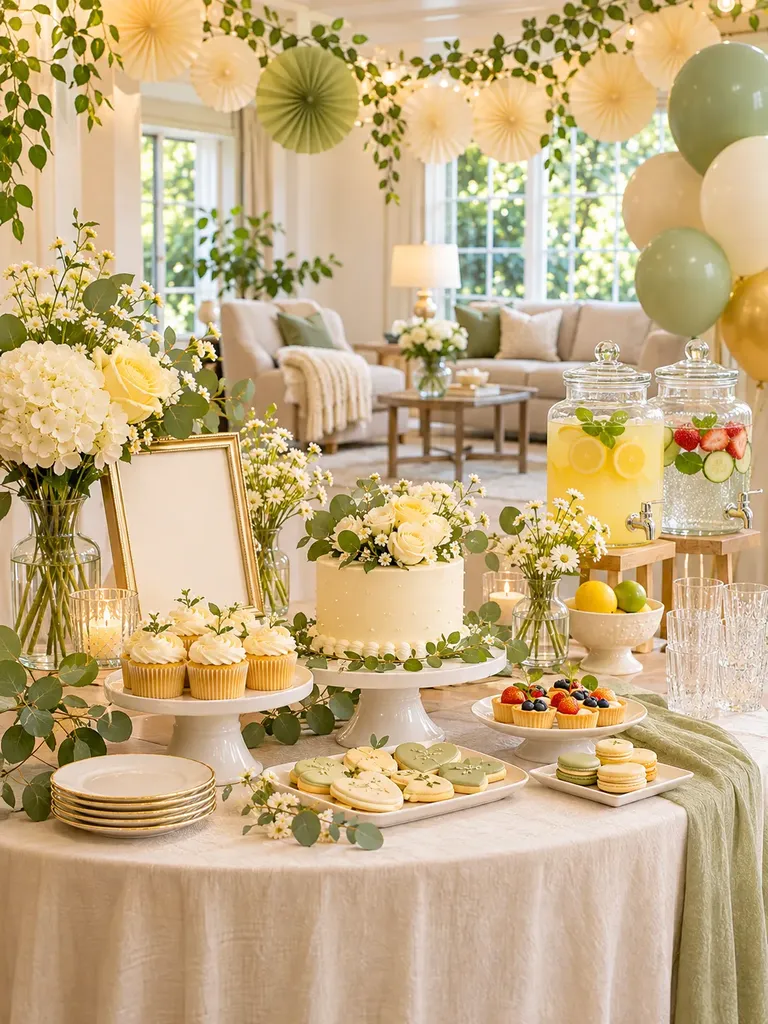
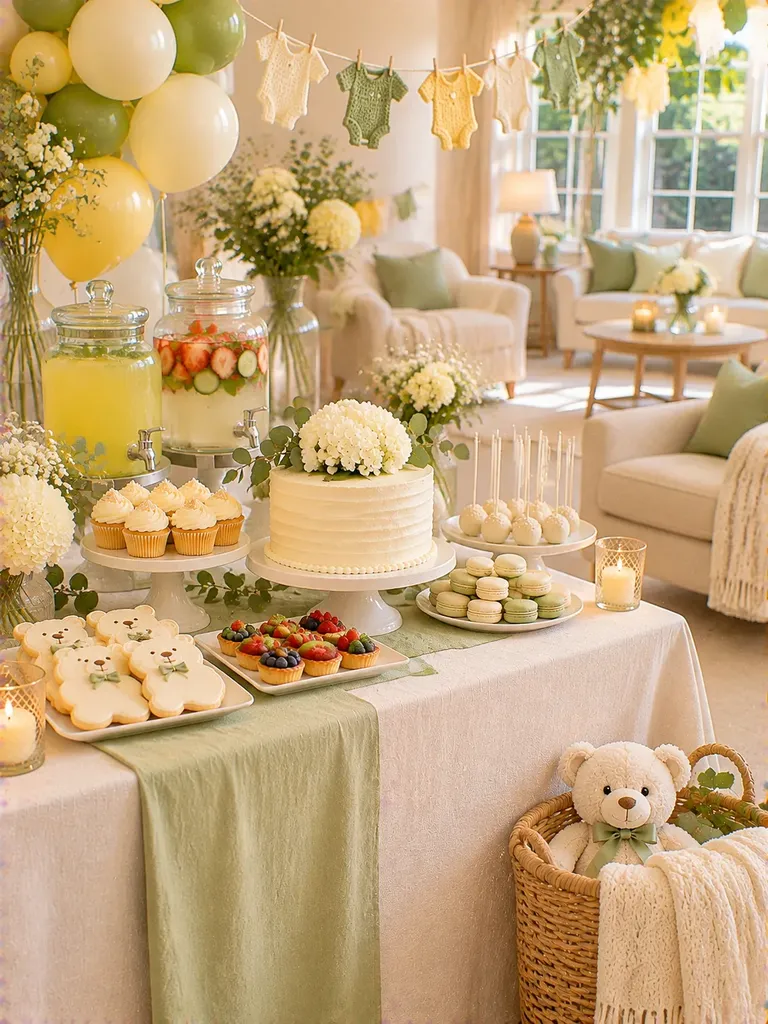
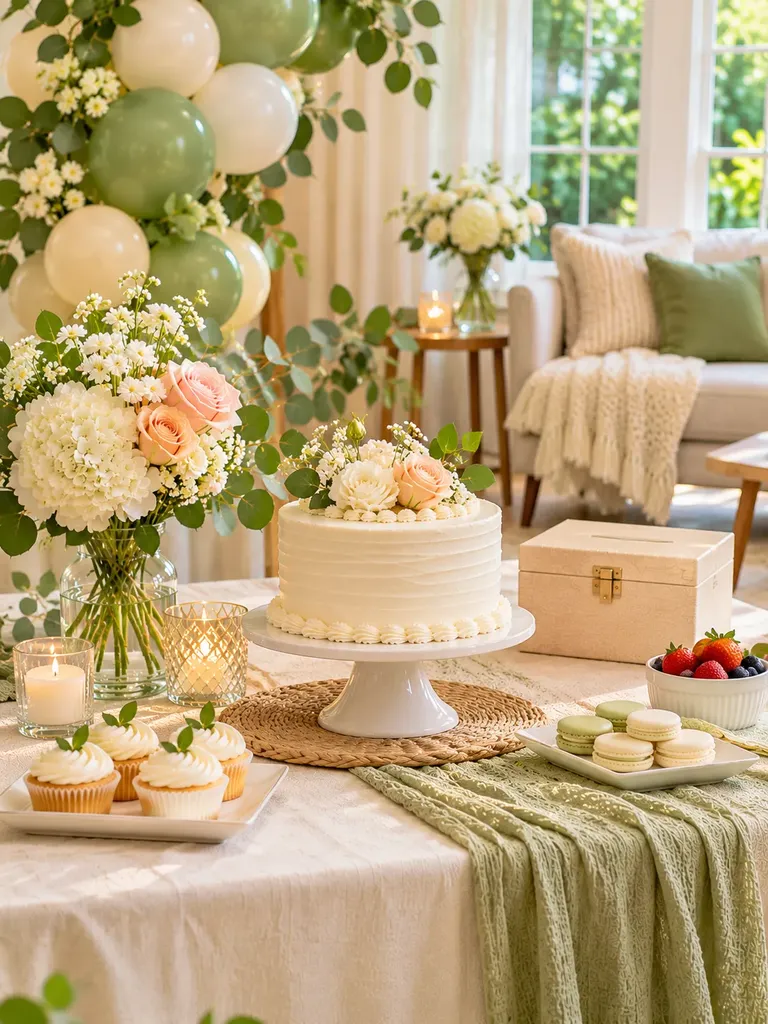
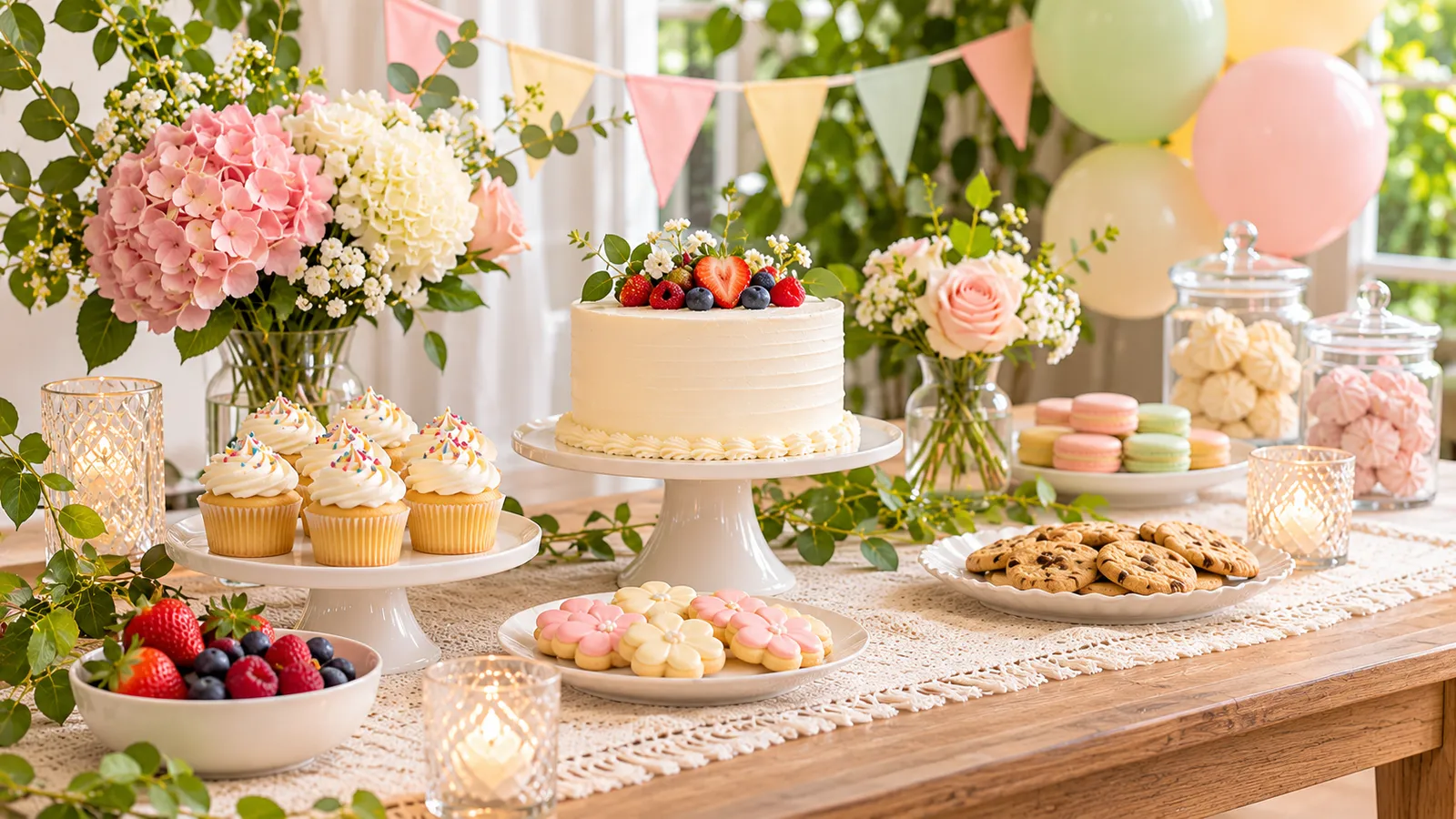
A dessert table can add a festive touch without becoming the centerpiece of the event. A small cake, cupcakes, cookies, fruit, or a favorite treat is plenty. Use a tablecloth, a cake stand, and a few coordinating decorations to make the display feel finished.
Choose a dessert the child enjoys and check for allergies before serving. If the child does not like being the center of attention, skip the cake presentation or sing-along and let dessert happen casually. The goal is to make the moment pleasant, not to create a performance.
Choose Activities That Let Everyone Join In
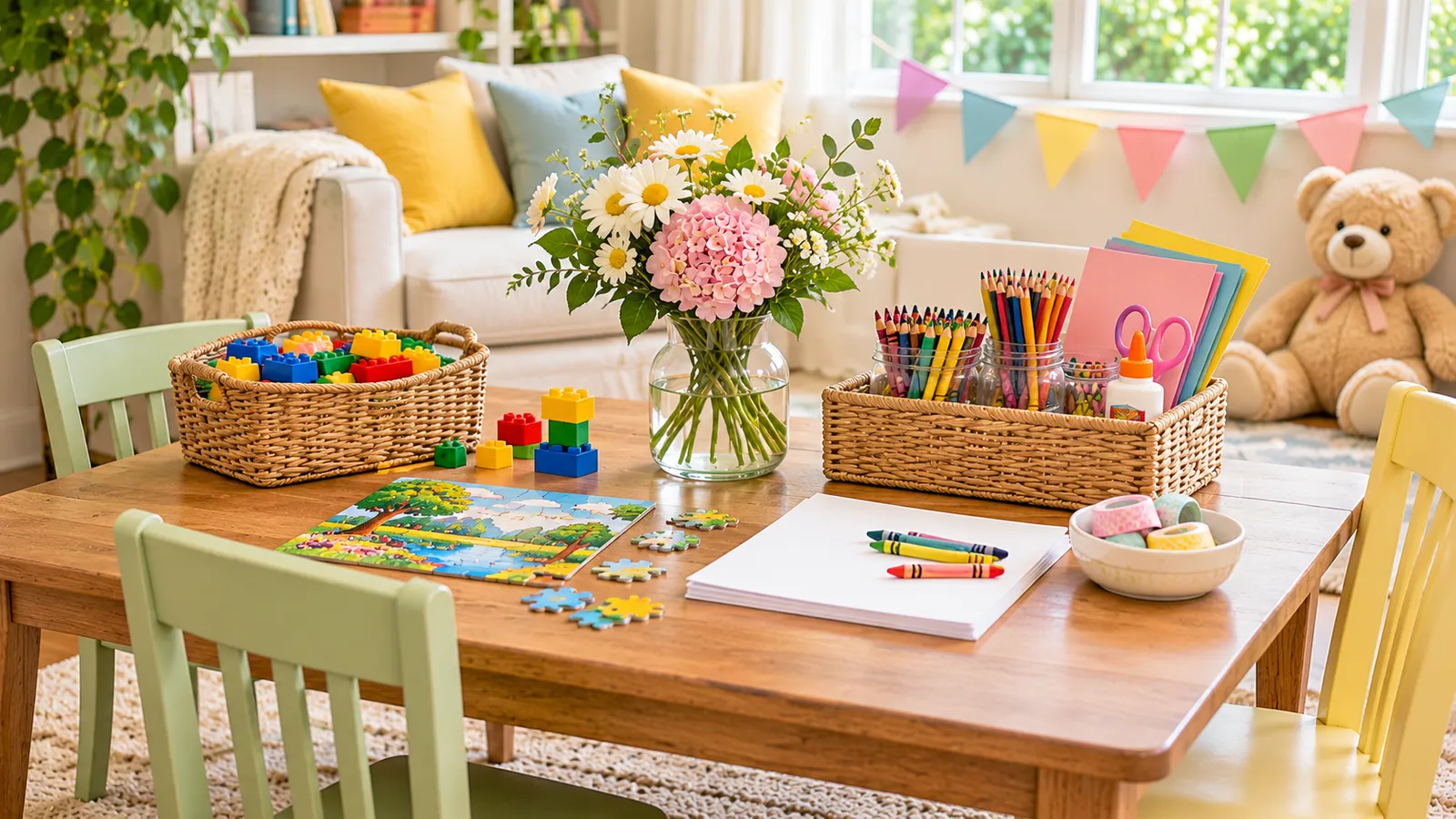
Offer a few low-pressure activities that work for different ages. Guests might decorate a paper star, play a simple lawn game, build with blocks, make friendship bracelets, or work on a family puzzle. Keep supplies ready on a table so people can join whenever they want.
Do not require the child to greet every guest, pose for photos, or take part in every activity. Let them watch first, choose what interests them, and step away when needed. A flexible schedule gives the day room to unfold naturally.
Create a Family Keepsake Together
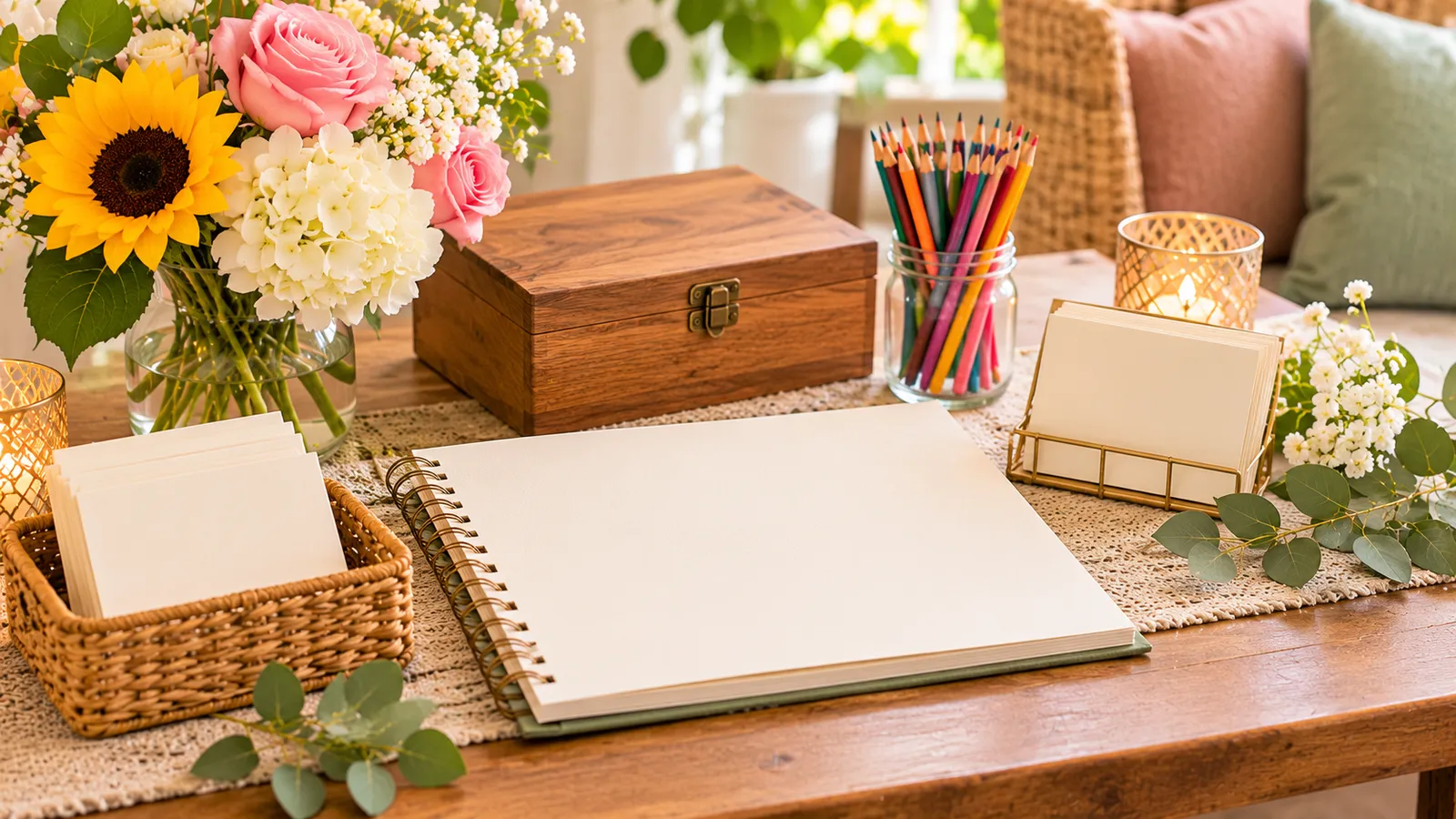
A shared keepsake can be a sweet reminder of the gathering. Guests could write short notes about hopes for the year ahead, add drawings to a scrapbook, or decorate a wooden keepsake box. Choose a project that is easy to complete and does not ask guests to comment on the child’s personal history.
Let the child decide whether they want to keep the item and where it belongs. If you collect messages, read them privately first and remove anything that feels too personal or uncomfortable. A keepsake should belong to the family, not become a public record of the child’s story.
Include Books, Music, and Favorite Things
Favorite stories, songs, and toys can make the celebration feel familiar. Set out a small basket of books or create a playlist with music the child enjoys. A quiet reading spot with cushions can be useful when the main room becomes noisy.
Be thoughtful about books or songs that discuss adoption. They may be meaningful for some children and uncomfortable for others, depending on age and experience. Follow the child’s lead, and do not use the gathering to explain adoption to guests through the child’s story.
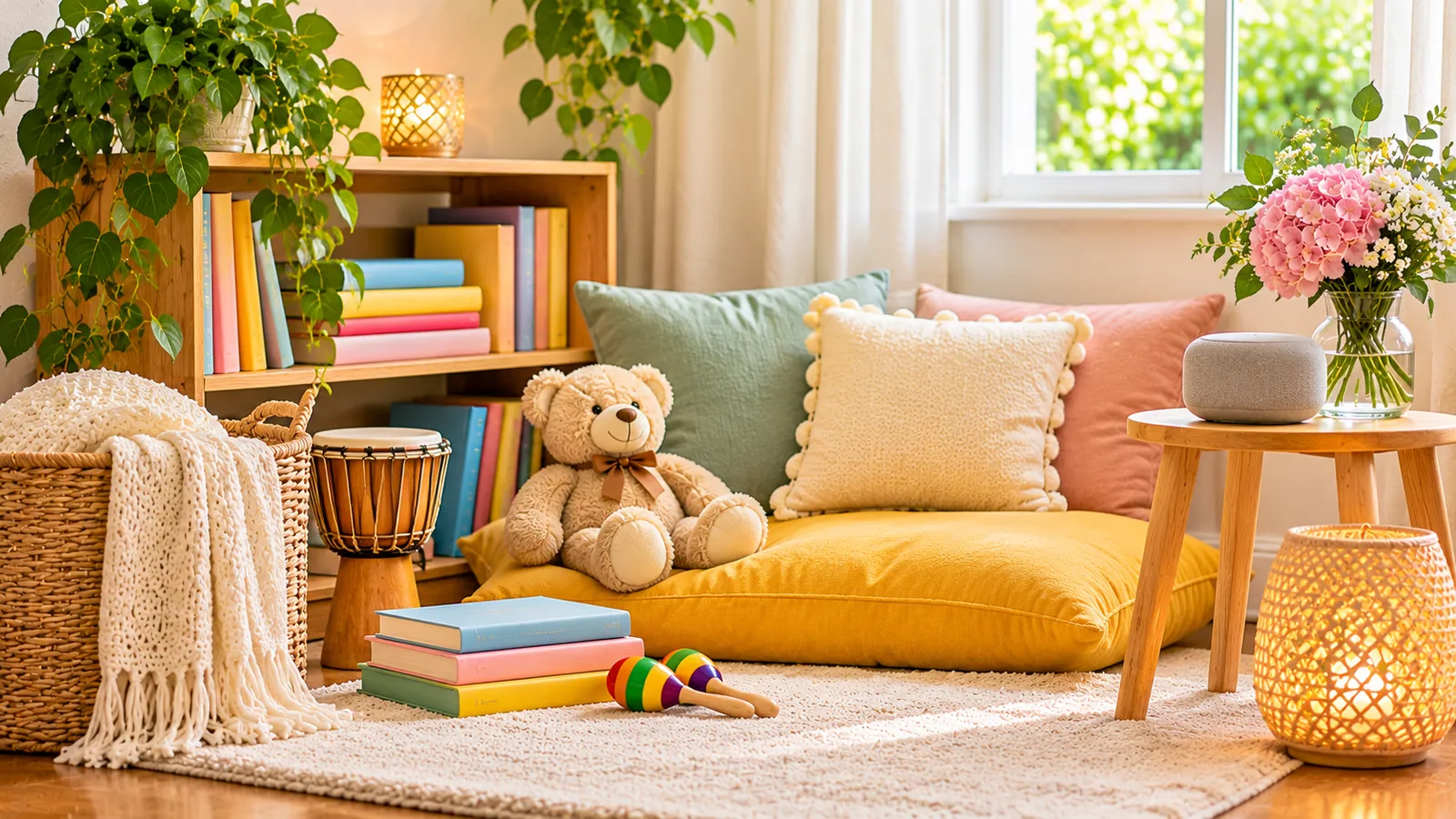
Prepare a Comfortable Space for Breaks
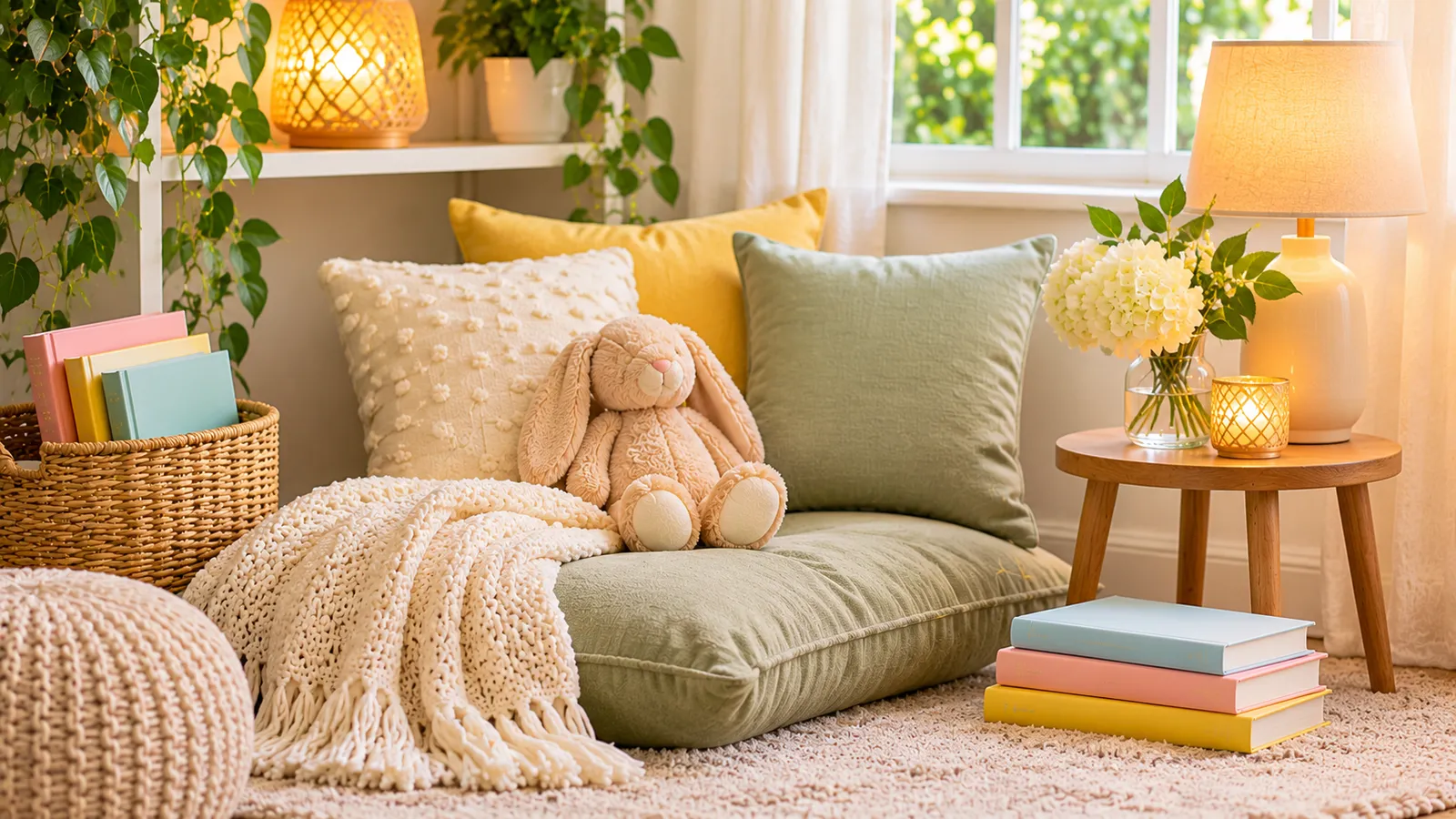
Even a happy gathering can be tiring. Set aside a calm room or corner with cushions, books, water, and a favorite comfort item. Let guests know that the child may take breaks and that no one should follow them into the quiet space unless invited by the caregiver.
Keep the day’s schedule loose, with time between food, activities, and photos. If the child needs to leave early or spend part of the event with one trusted adult, treat that as a normal part of the plan. Comfort matters more than sticking to a timetable.
Give Guests Helpful Guidance Beforehand
A short message before the event can help guests understand the tone you want. You might ask them to focus on celebrating the family, avoid questions about the child’s birth family or past, and let the child decide how they want to interact. Clear guidance can prevent awkward moments.
Use the language your family prefers when talking about adoption. Avoid asking the child to tell their story or answer personal questions. If a guest says something uncomfortable, gently redirect the conversation and make sure the child does not feel responsible for managing adults’ reactions.
Choose Thoughtful Party Favors
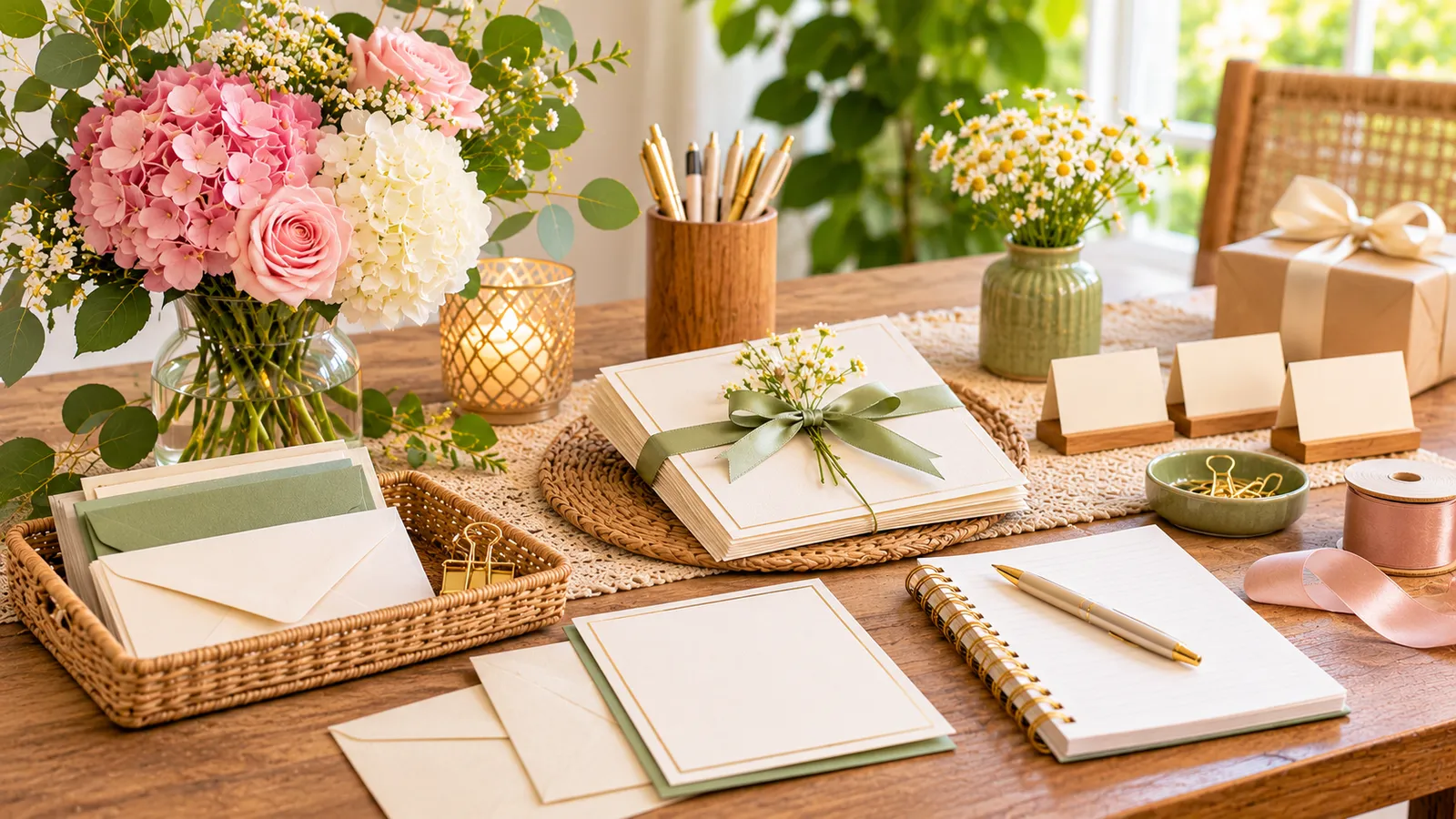
Party favors are optional, and simple items are usually best. Small coloring sets, bubbles, seed packets, bookmarks, or a wrapped treat can be easy for guests to take home. Choose something useful or enjoyable rather than a favor that carries a message about adoption.
If children are attending, consider age-appropriate items and avoid tiny parts for toddlers. You can also skip favors and send guests home with a printed photo only if everyone shown has agreed. A warm thank-you at the door is more than enough.
Keep the Schedule Short and Flexible
Plan only a few anchor moments, such as welcoming guests, sharing a meal, enjoying an activity, and having dessert. A two-hour gathering may be plenty, especially for a young child or a family adjusting to a new routine. Build in extra time rather than filling every minute.
Tell guests the start and end times in advance. If the child is tired, you can shorten the event without apology. A celebration should support the family’s well-being, not create another demanding responsibility during an already important transition.
Make the Day About Belonging, Not a Performance
The most meaningful part of an adoption celebration is often the ordinary time spent together. Give the child space to play, talk, eat, and connect with people at their own pace. A few kind words from caregivers can acknowledge the occasion without requiring the child to respond in a particular way.
Remember that adoption can bring a mix of feelings, and those feelings may change over time. Keep the celebration open-hearted and pressure-free. The day does not need to tell the whole story; it can simply be one happy family memory among many still to come.
Frequently Asked Questions
When should we have an adoption celebration?
You can celebrate when an adoption is finalized, when a child comes home, or on a family anniversary that feels meaningful. Choose a date that works for the child and caregivers, and remember that there is no required timeline.
What should we call an adoption celebration?
Use the wording your family and child feel comfortable with. Some families say adoption celebration, welcome-home party, or adoption day gathering. If you use a phrase such as “Gotcha Day,” make sure it feels positive and respectful to the child.
Who should we invite to an adoption celebration?
Invite people who are supportive, respectful, and familiar or comfortable for the child. A small group may feel best, especially early on. You can always plan a larger gathering later if the child enjoys social events.
What should guests avoid saying or asking?
Guests should avoid questions about the child’s birth family, personal history, legal process, or reasons for adoption. They should not ask the child to explain their story. Keep the focus on welcoming and supporting the family.
Related Ideas
15 Baby Shower Ideas for a Beautiful Celebration
15 Co-Ed Baby Shower Ideas for a Fun, Welcoming Party
15 Gender Reveal Party Ideas for a Memorable Celebration
15 Gender Reveal Dinner Ideas for a Special Night
15 Gender Reveal Balloon Pop Ideas for a Fun Surprise
15 Baby Sprinkle Ideas for a Sweet, Simple Celebration
15 Sip and See Party Ideas for a Sweet Baby Welcome
15 Welcome Baby Party Ideas for a Joyful Celebration
15 Birth Announcement Celebration Ideas for Families
15 Nursery Reveal Party Ideas for a Sweet Baby Celebration