15 Adoption Finalization Party Ideas for a Joyful Day
An adoption finalization party is a special way to celebrate an important step in a family’s journey. After the legal process and the many feelings that can come with it, gathering with supportive people can make the day feel joyful and memorable. The celebration does not need to be large or expensive. A comfortable setting, familiar food, and a few personal touches can be enough.
Every family reaches this moment in its own way, and every child has their own needs and feelings. Plan the party around the child’s comfort, privacy, age, and personality. Some families may want a lively gathering after court, while others may prefer a quiet meal at home on another day. The ideas below can help you create a celebration that feels warm without putting pressure on the child.
Decide When to Hold the Party
Some families gather on the day the adoption is finalized, while others choose a weekend or a later date when everyone has more time to relax. Court schedules, travel, school, work, and the child’s energy can all affect the timing. There is no need to squeeze a party into an already full day just because the legal milestone happened that morning.
If you celebrate after court, keep the first part of the day flexible and have a simple backup plan. You might reserve a room or prepare food at home, but avoid making the child feel that they must attend every part of the event. A later celebration can be just as meaningful and may give everyone more room to enjoy it.
Choose a Party Size That Feels Comfortable
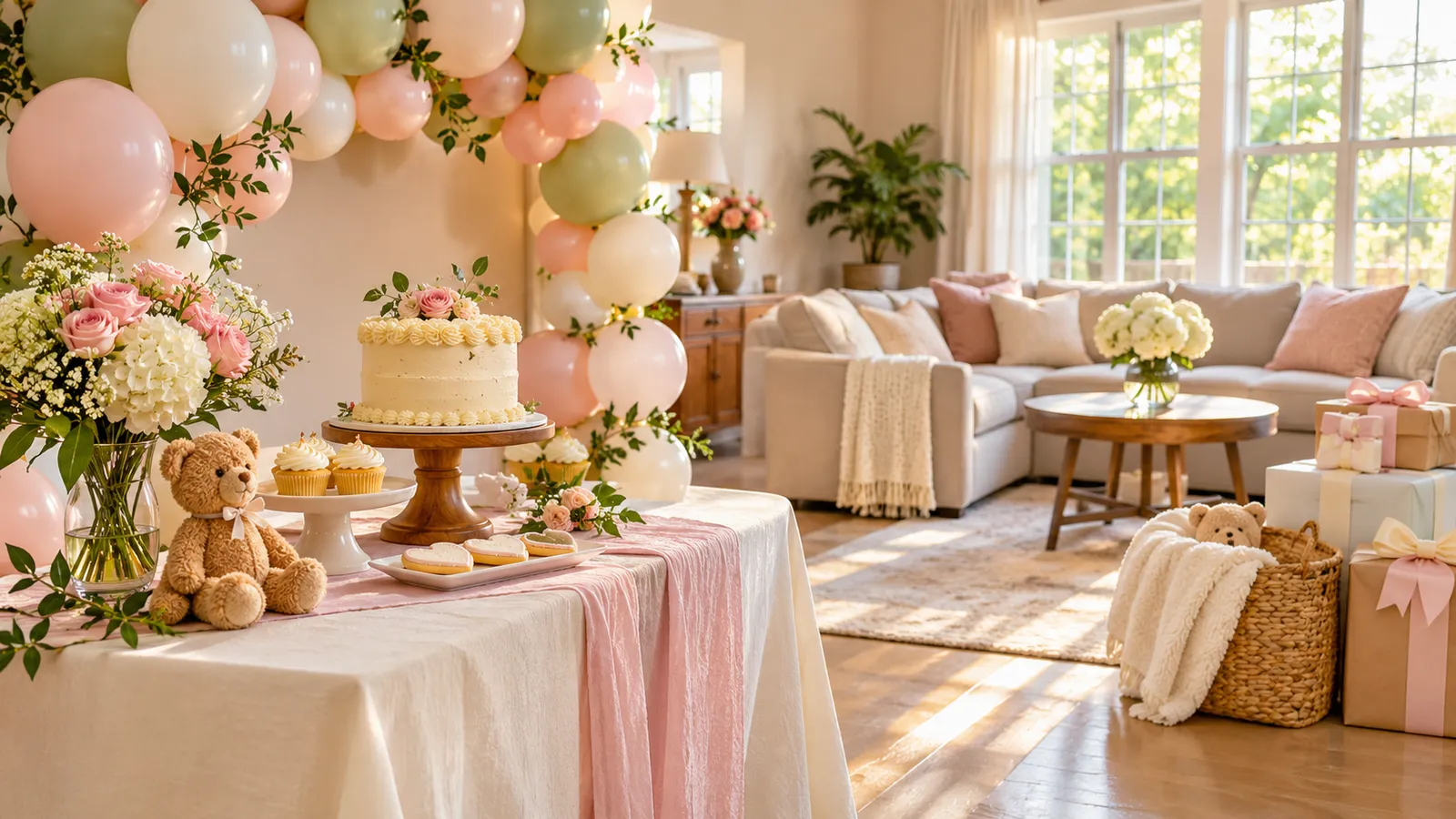
Think about how the child responds to groups, noise, and new people before making the guest list. A small gathering with close relatives and trusted friends may feel best, especially if the child is young or still adjusting to family routines. If the child enjoys larger events, you can invite a wider circle while keeping a calm space available.
Ask caregivers what level of activity is realistic and avoid inviting people simply out of obligation. Guests should be people who can respect the family’s boundaries and celebrate without asking personal questions. A smaller, supportive group often creates a more relaxed atmosphere than a crowded party.
Pick a Warm and Simple Party Theme
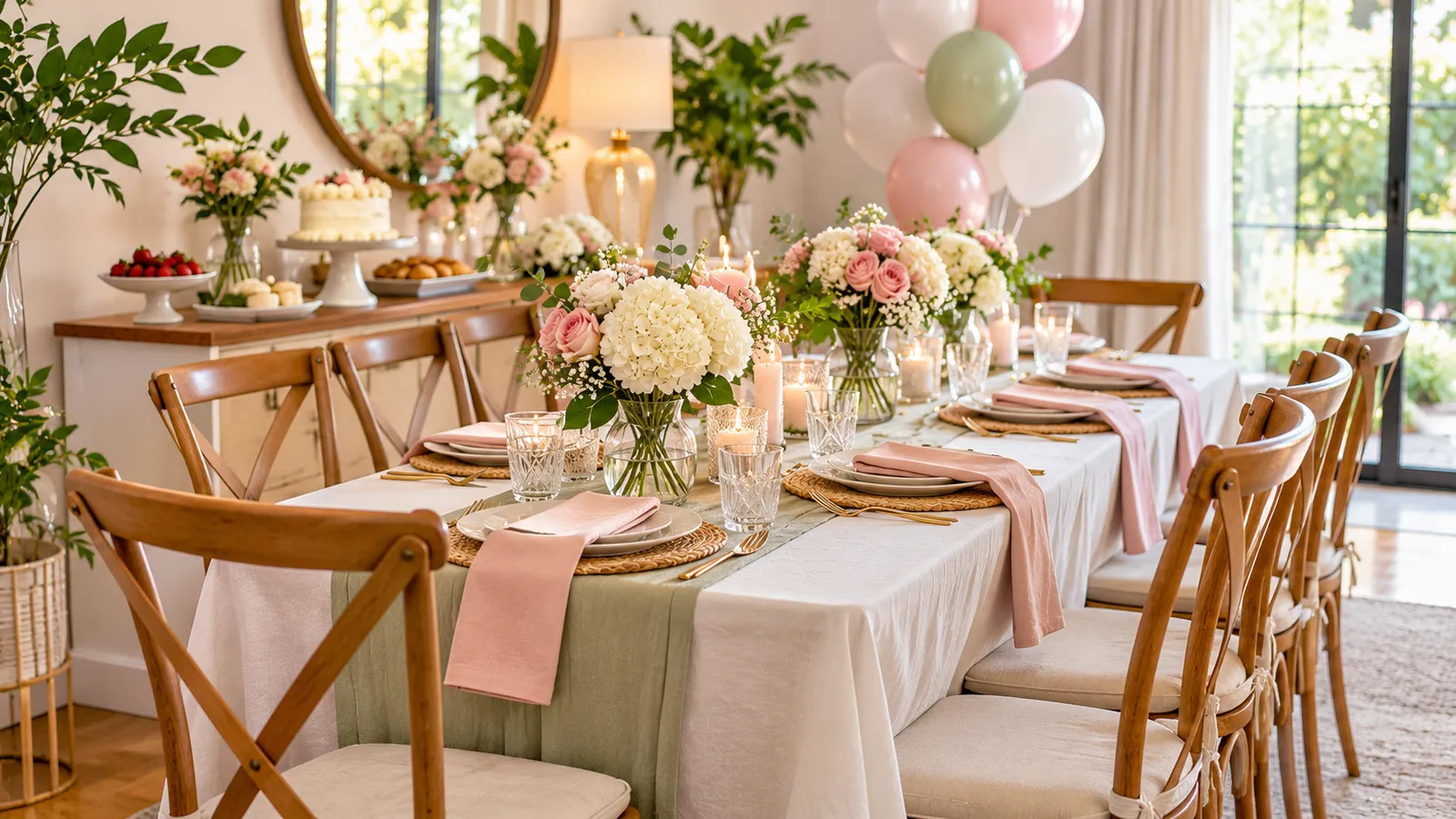
A theme can tie the decorations together, but it should feel cheerful rather than make the child’s adoption story into a display. Ideas such as a garden party, family picnic, rainbow gathering, favorite-animal theme, or storybook afternoon are easy to adapt. Choose colors and details that fit the child’s interests instead of relying on generic adoption slogans.
If the child wants to help, let them pick a color, favorite character-inspired palette, or a few decorations. They can also choose whether the party has a theme at all. A simple mix of balloons, flowers, and comfortable seating can look festive without making the event feel overly staged.
Create a Welcoming Entry Display
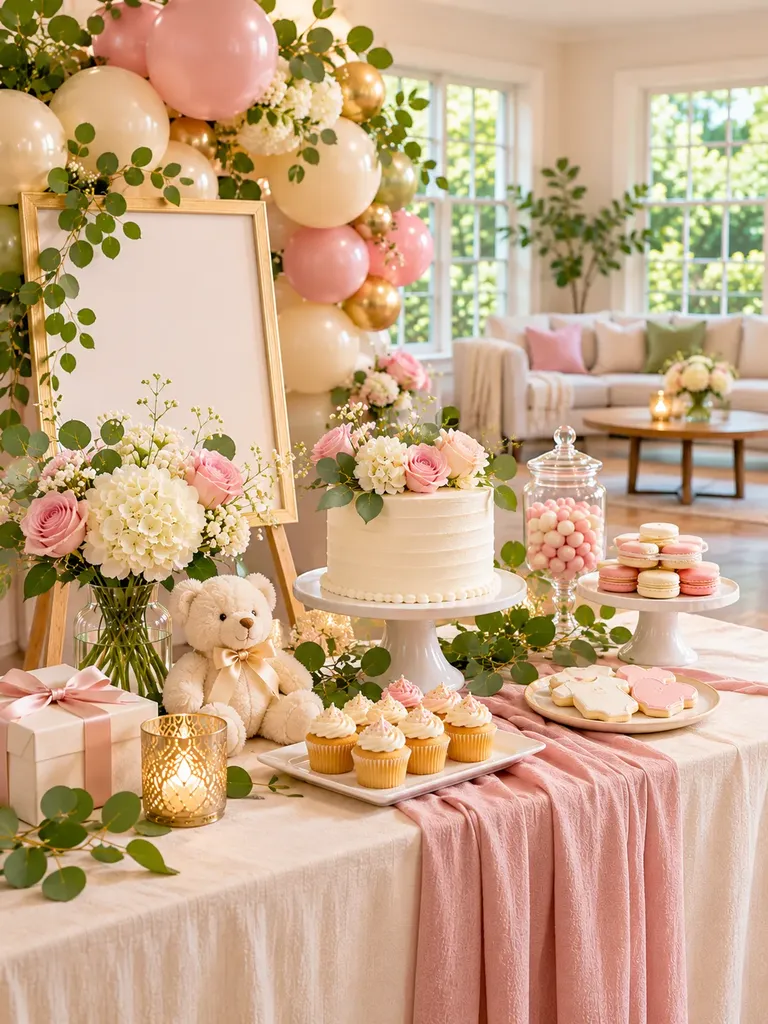
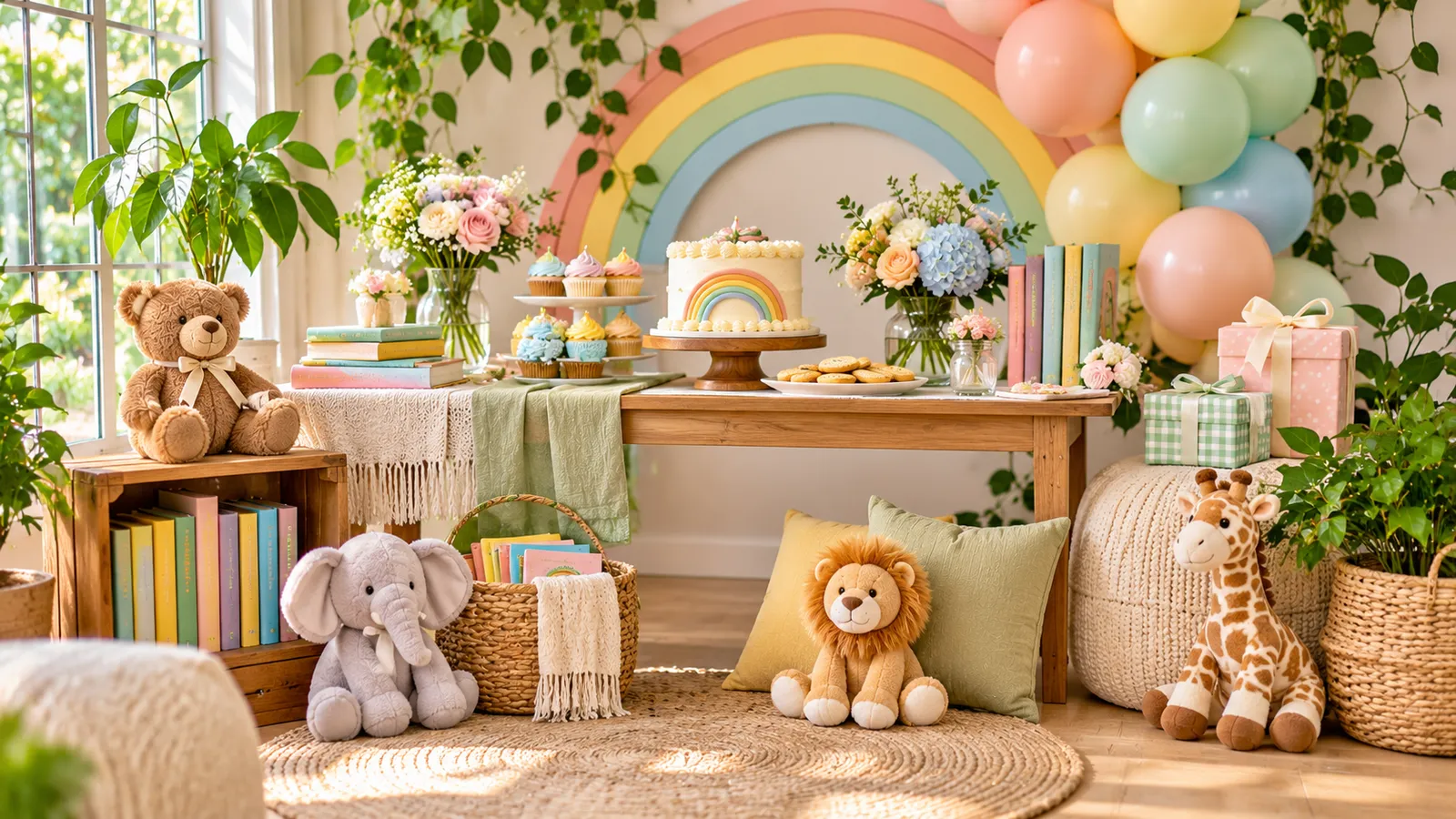
A small entry table can help guests feel expected as they arrive. Add a vase of seasonal flowers, a bowl for cards, a few balloons, and a simple framed family photo if everyone pictured is comfortable with it. Keep the display tidy and leave enough room for guests to move through the entrance easily.
A welcome sign is optional. If you use one, choose a short greeting or family-centered wording that feels right to the child. Do not include court details, legal information, or private parts of the child’s history. A blank sign can also be decorated with a simple border and filled in later if the family wants to add a greeting.
Decorate the Main Party Space
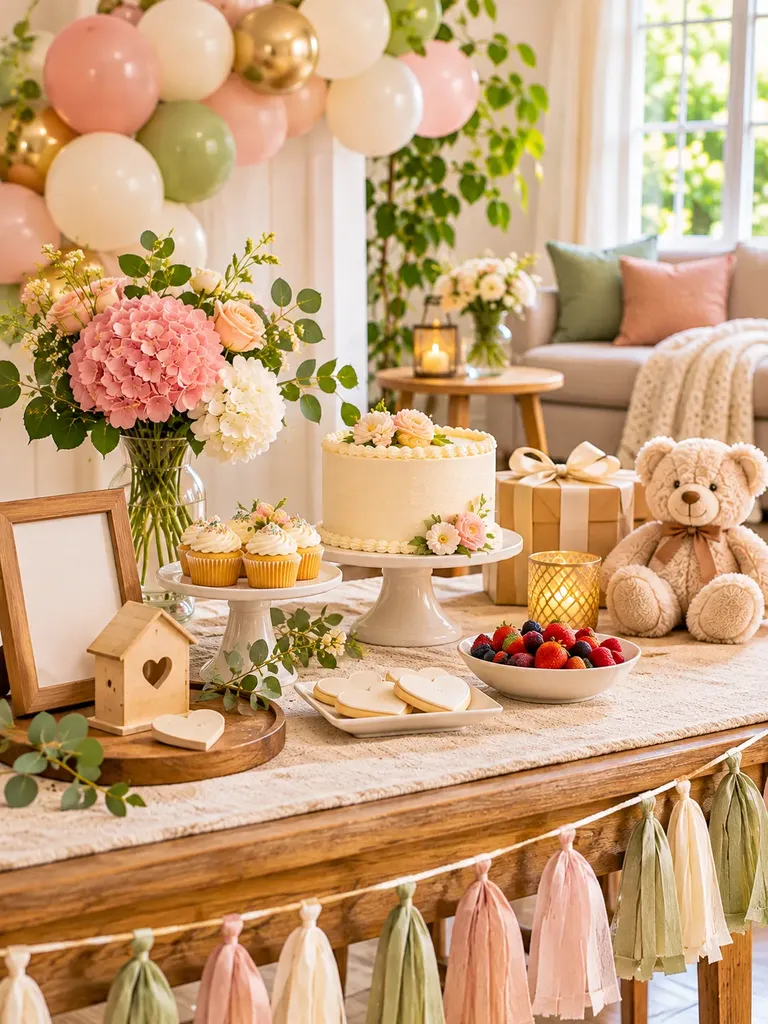
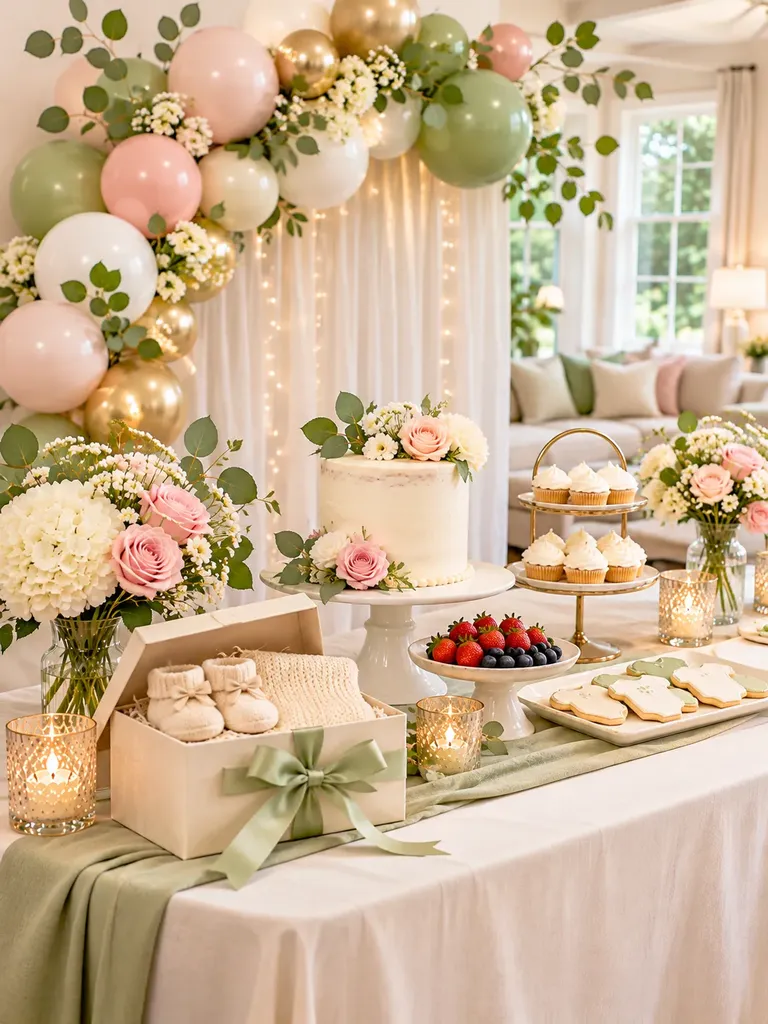
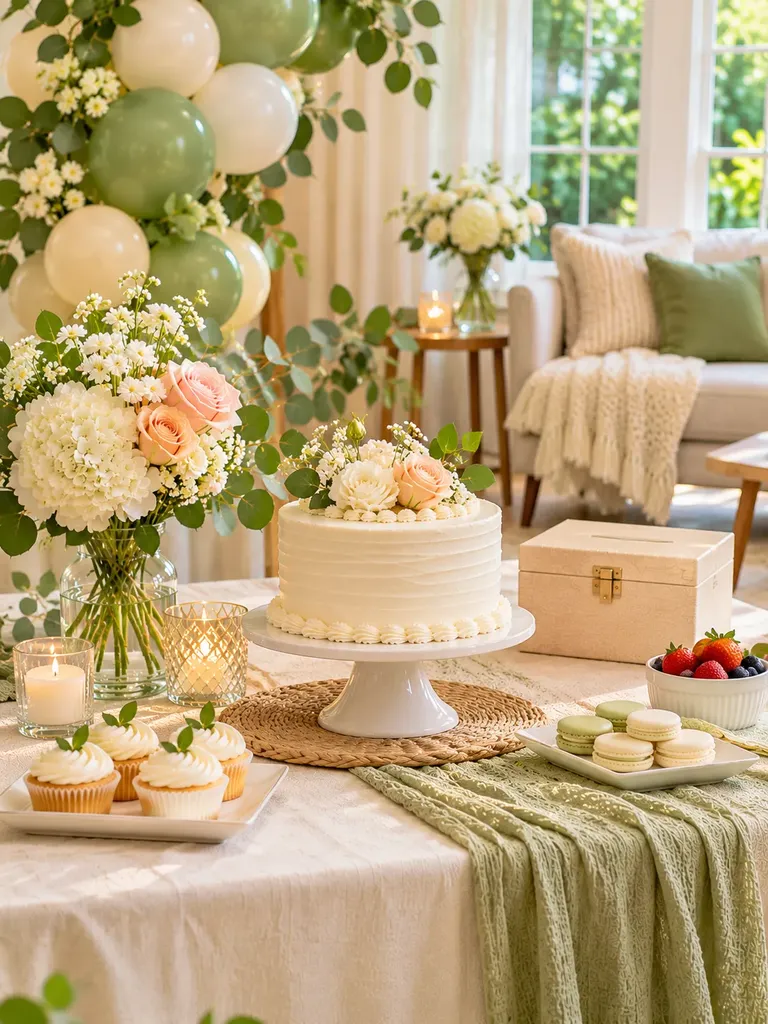
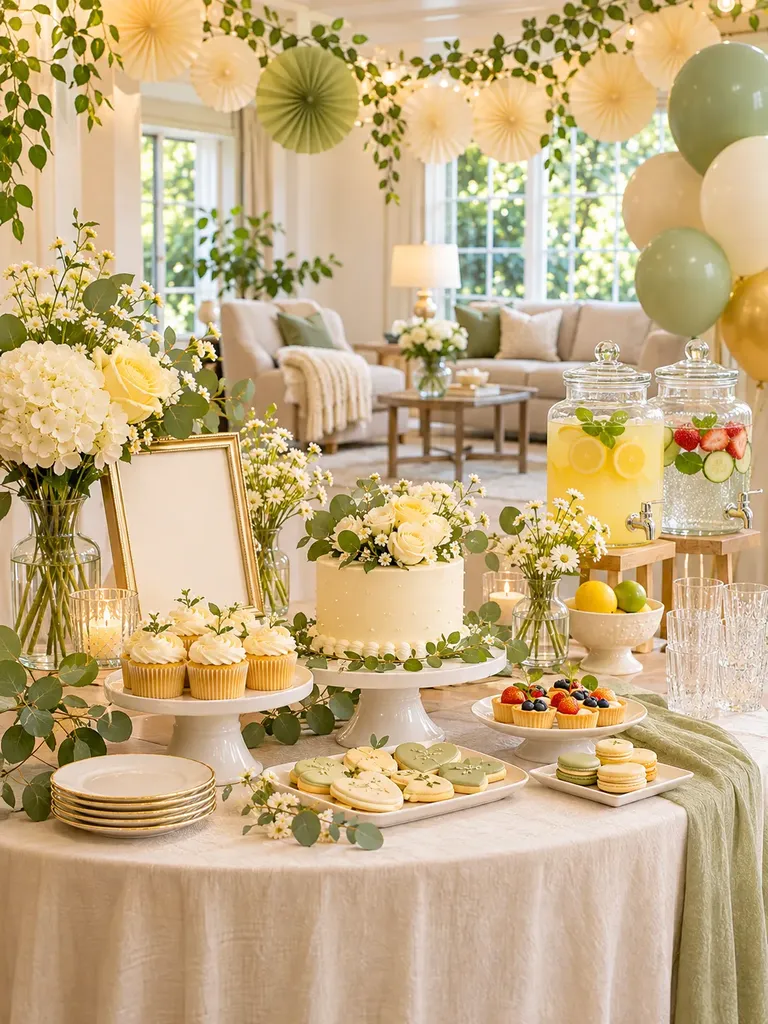
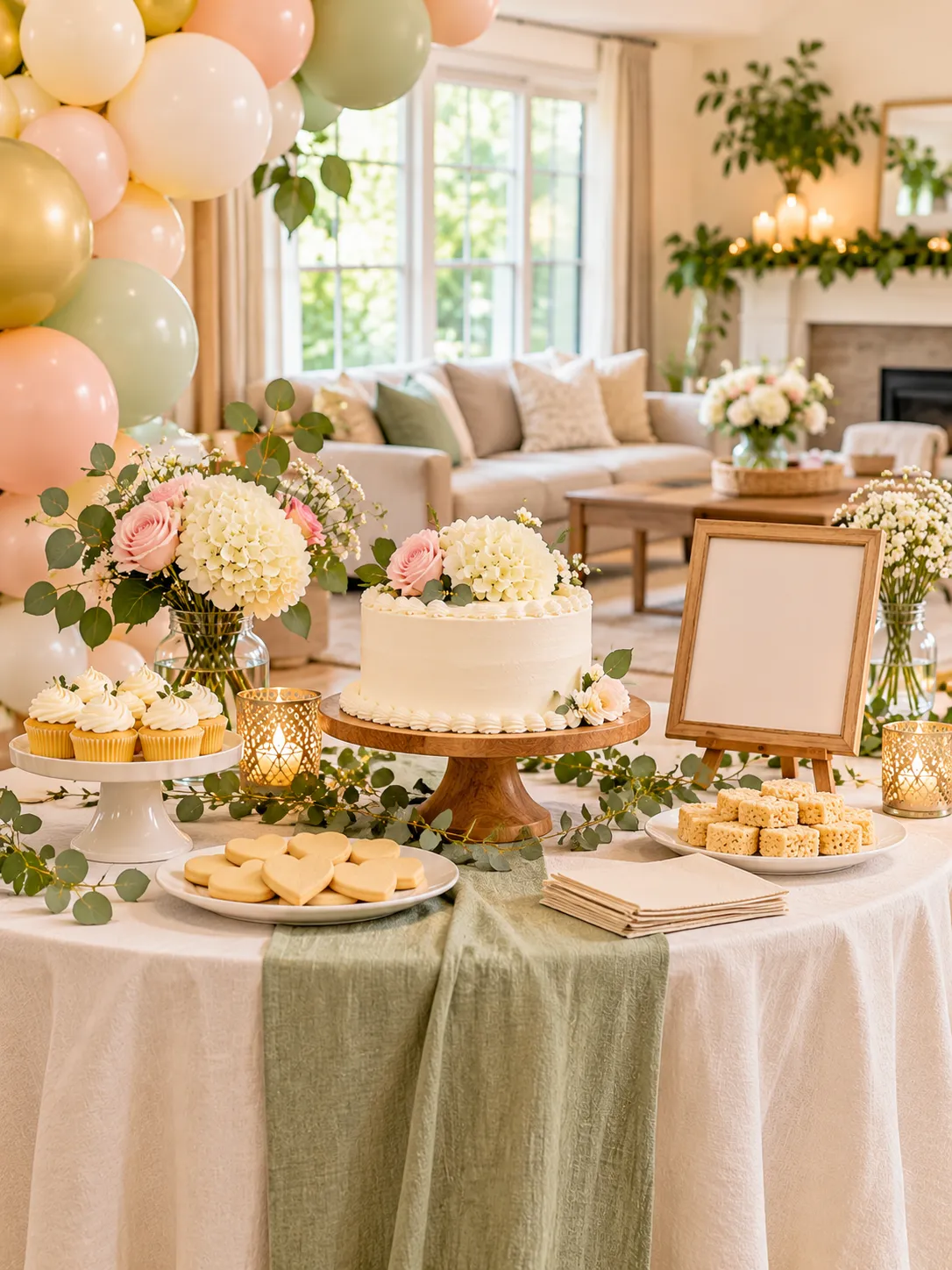
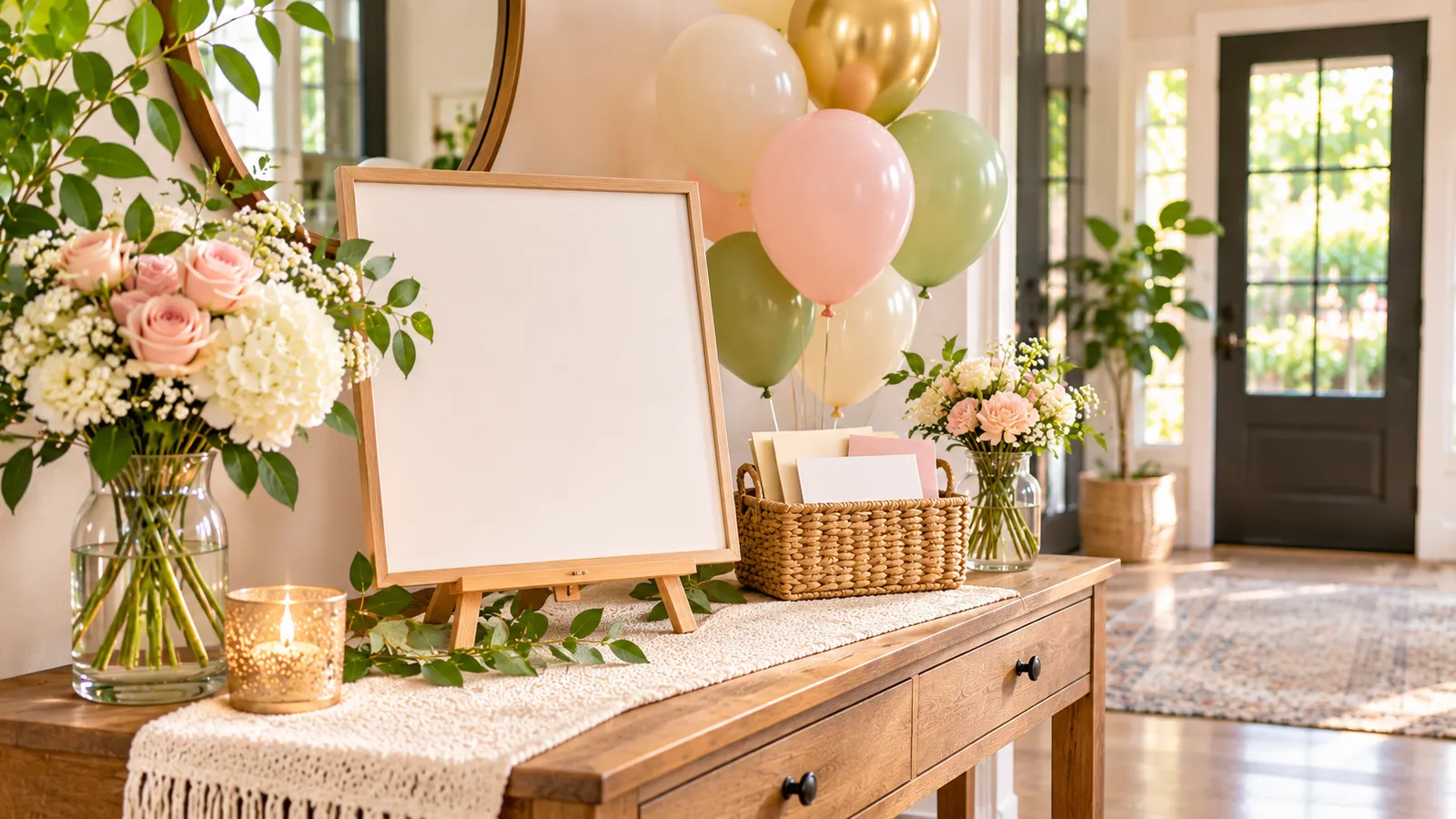
Use a few decorations to make the room feel special without crowding it. A balloon garland, paper fans, soft table runners, fresh flowers, and warm string lights can add color and texture. Keep pathways clear and avoid decorations that block doorways or make it hard for children to move around.
Set up familiar items alongside the party decor, such as favorite books, toys, or a cozy chair. Familiar surroundings can make a celebration feel less overwhelming. If the party is at home, you do not need to transform every room; focus on the main gathering area and leave the rest of the home comfortable and familiar.
Set Up a Family Photo Spot
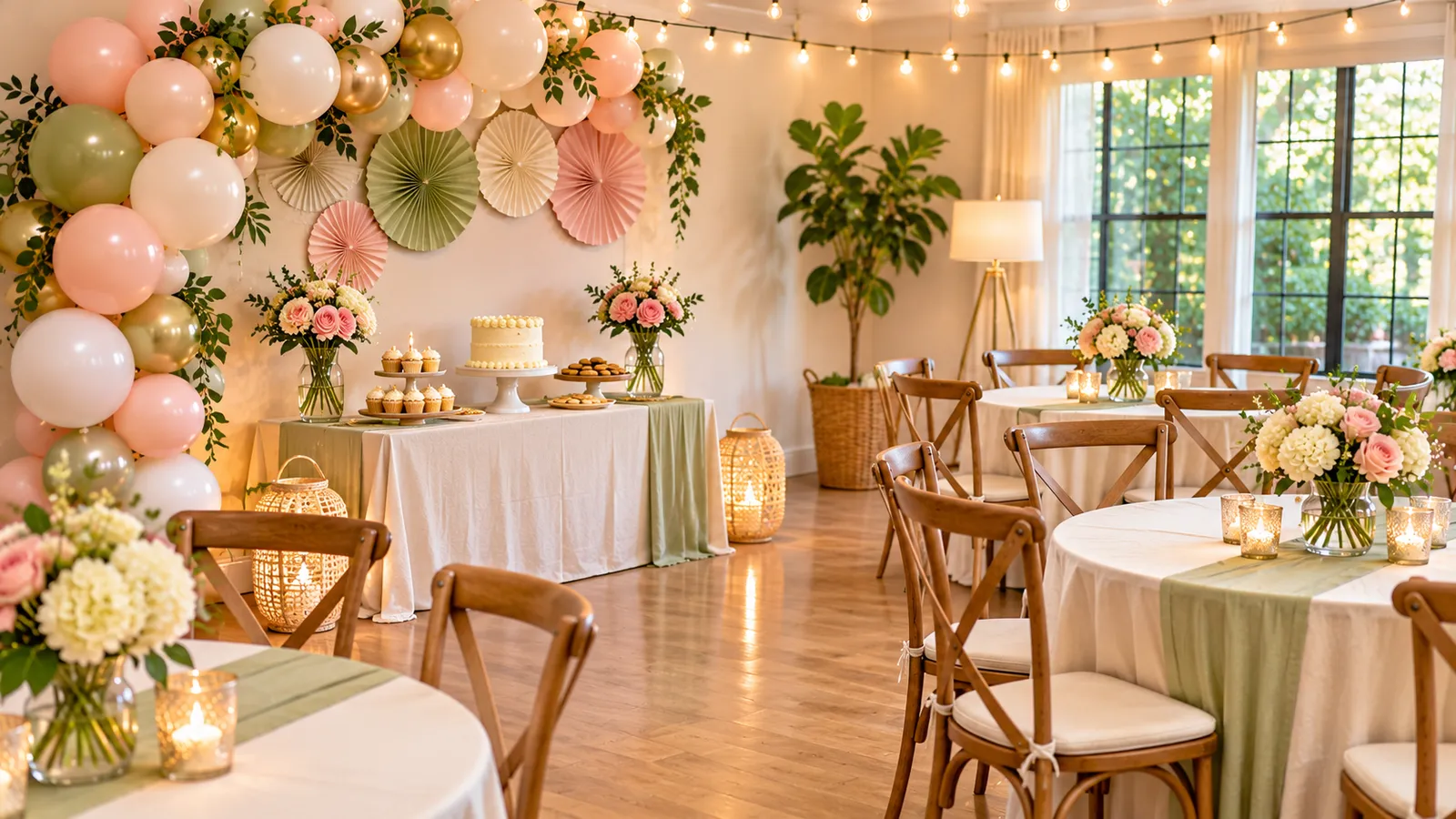
A photo spot can be a nice option for guests who want a keepsake from the day. Use a simple fabric backdrop, a small garland, a comfortable chair, and a few tasteful decorations. Keep props optional and avoid signs that ask the child to pose or make a public statement about their adoption.
Ask permission before taking photos and agree in advance about whether any pictures can be shared online. The child should be able to say no or leave the photo area without being coaxed. If you include frames in the display, use only approved family pictures; any empty frames or paper inserts should remain completely blank.

Plan Easy Food for Different Ages
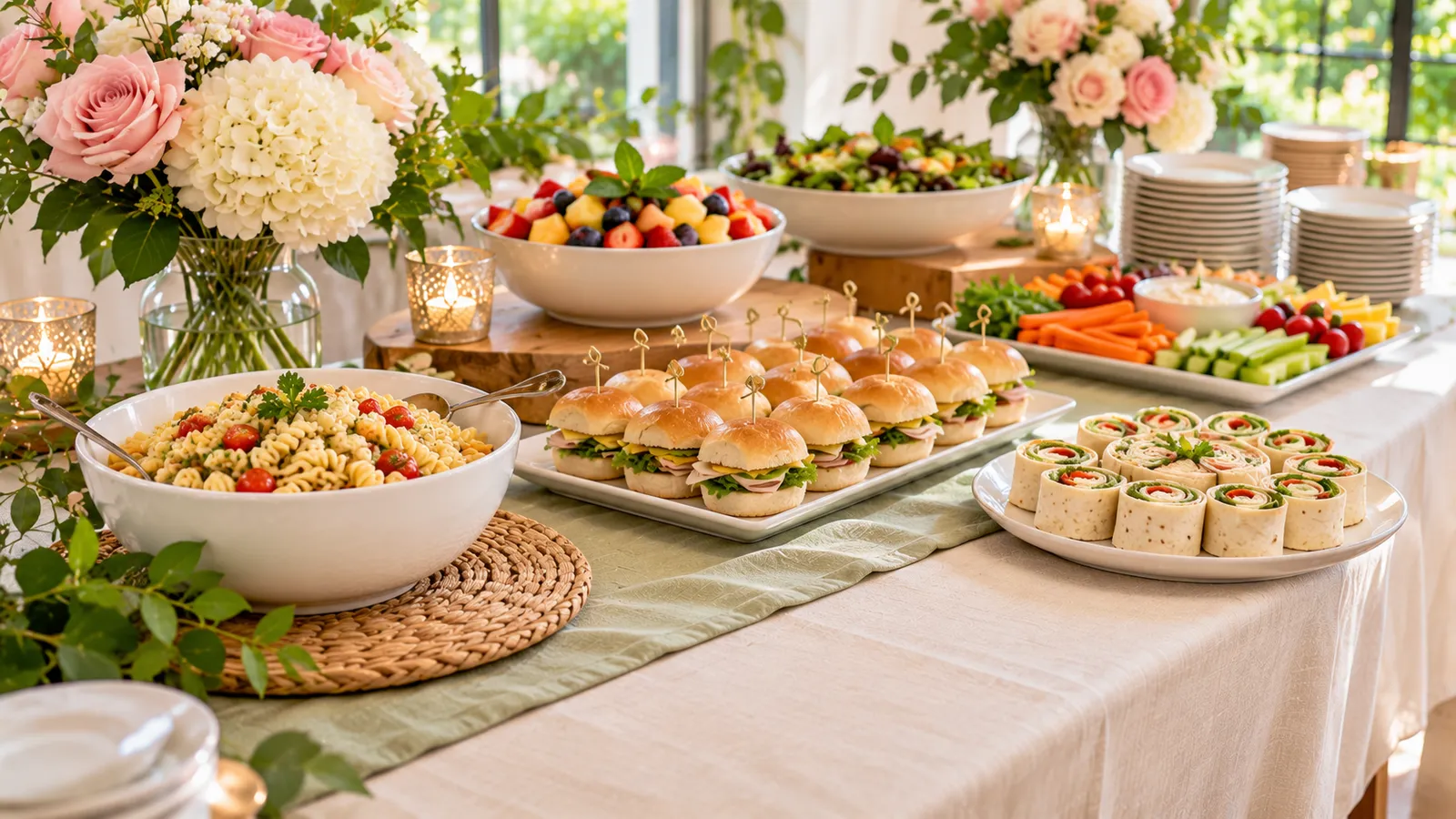
Choose food that can be prepared ahead so the hosts can spend time with guests. Sandwiches, wraps, pasta salad, fruit, vegetable platters, mini pizzas, and a few familiar favorites are practical choices. Include options for dietary needs and keep serving utensils easy to reach.
Think about the child’s normal meal and snack routine. Familiar foods can help the day feel predictable, especially if the celebration follows a busy court appointment. Provide water and other drinks where children can reach them safely, and consider a smaller plate of simple foods for younger guests.
Make a Small Cake or Dessert Table
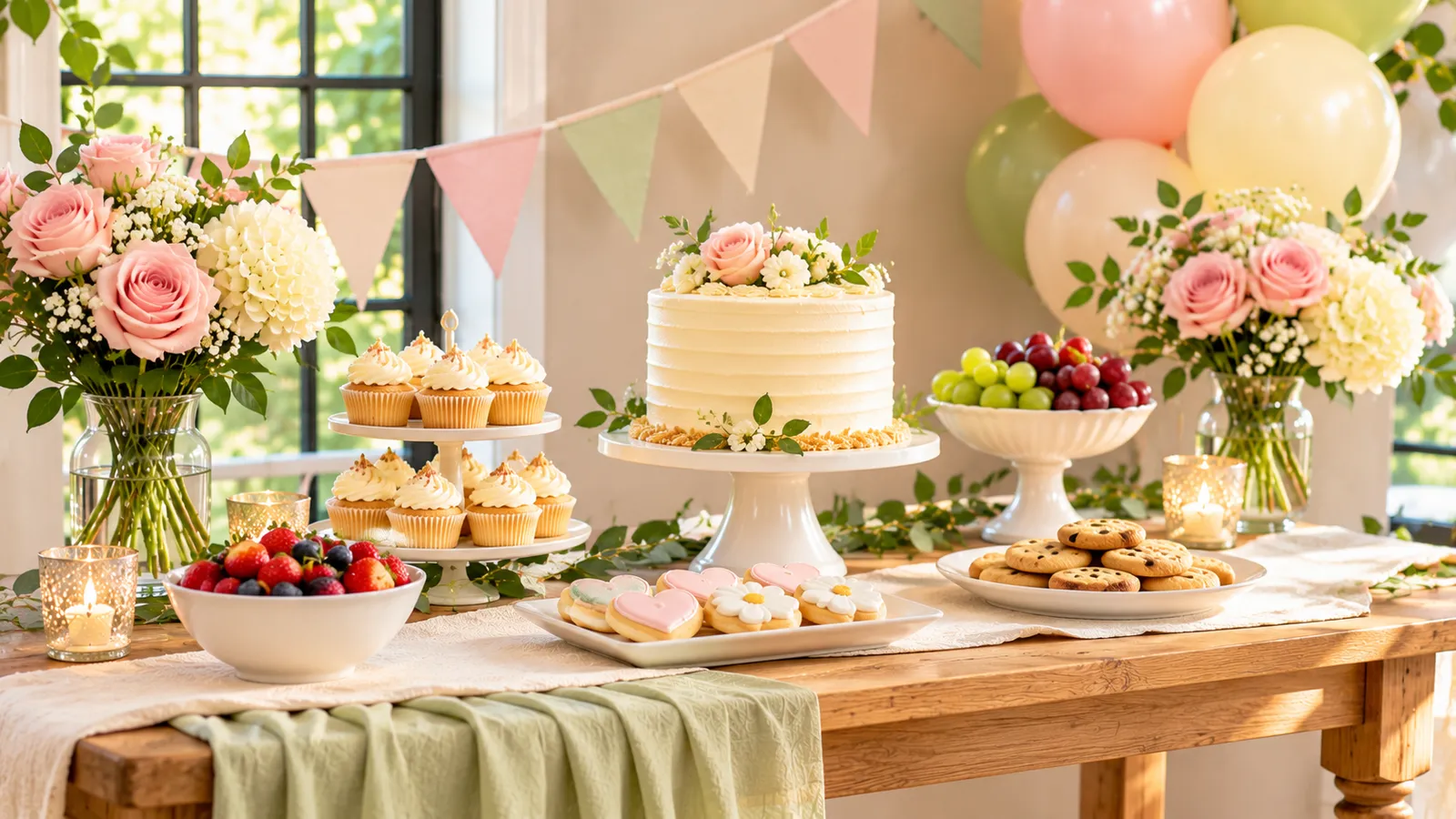
A cake or dessert table gives the party a festive touch, but it does not have to be elaborate. A small cake, cupcakes, cookies, fruit, or a favorite homemade dessert can work well. Use a cake stand, a simple tablecloth, and a few flowers or balloons to bring the display together.
Choose a dessert the child enjoys and check for allergies before finalizing the menu. If a candle moment or group song might make the child uncomfortable, keep dessert casual and let everyone serve themselves. The point is to share something sweet, not to put the child in the spotlight.
Offer Low-Pressure Activities
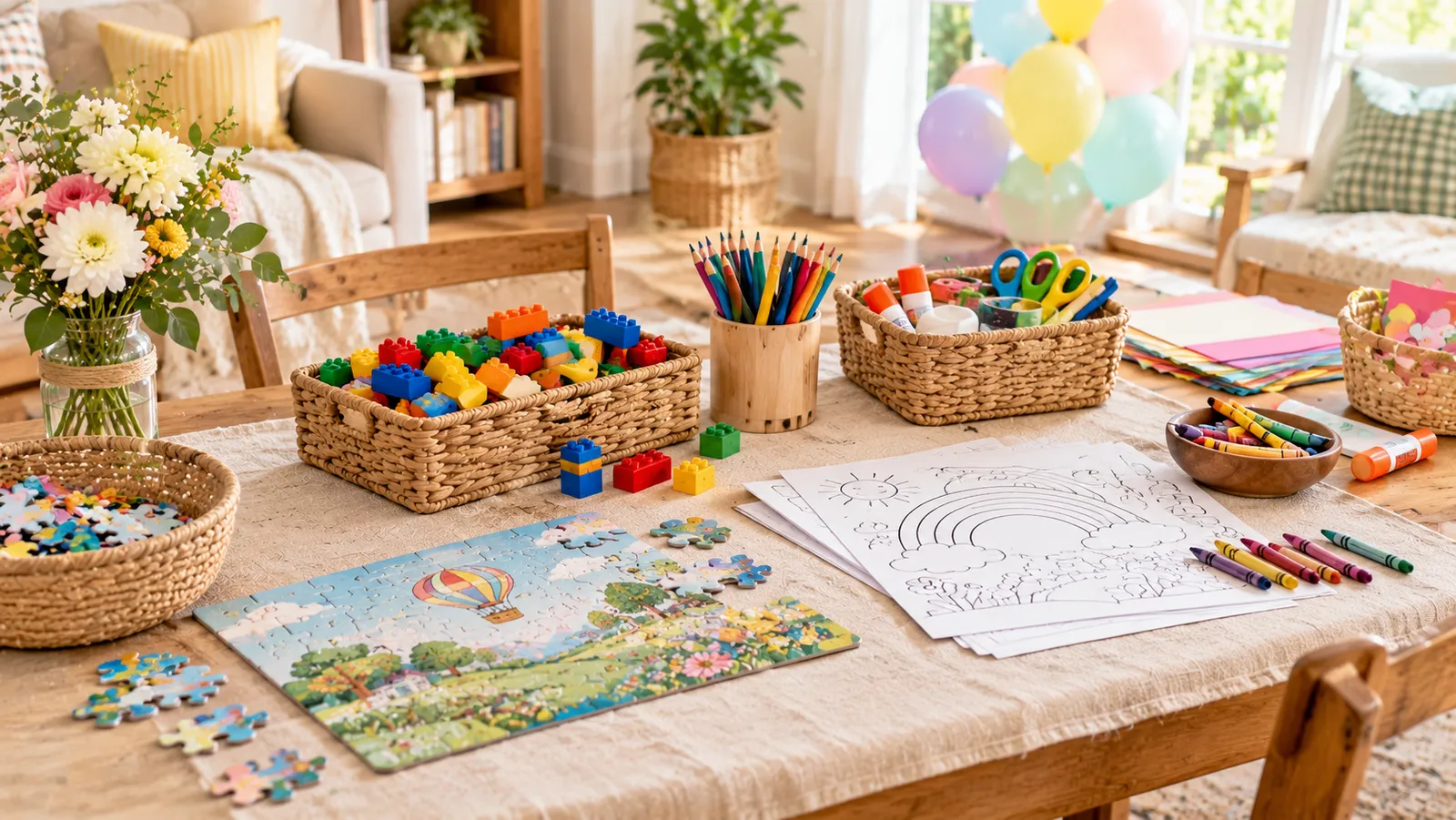
Set out activities that guests can join at their own pace. A family puzzle, coloring table, building blocks, simple lawn games, or a craft station can keep children and adults occupied without requiring everyone to participate at once. Keep instructions simple and supplies organized in baskets.
Let the child decide which activities they want to try. They may prefer to play with one trusted person or spend time away from the group. Avoid games that ask guests to quiz the child about adoption or make assumptions about their past. Choose activities that are fun on their own.
Create a Keepsake for the Family
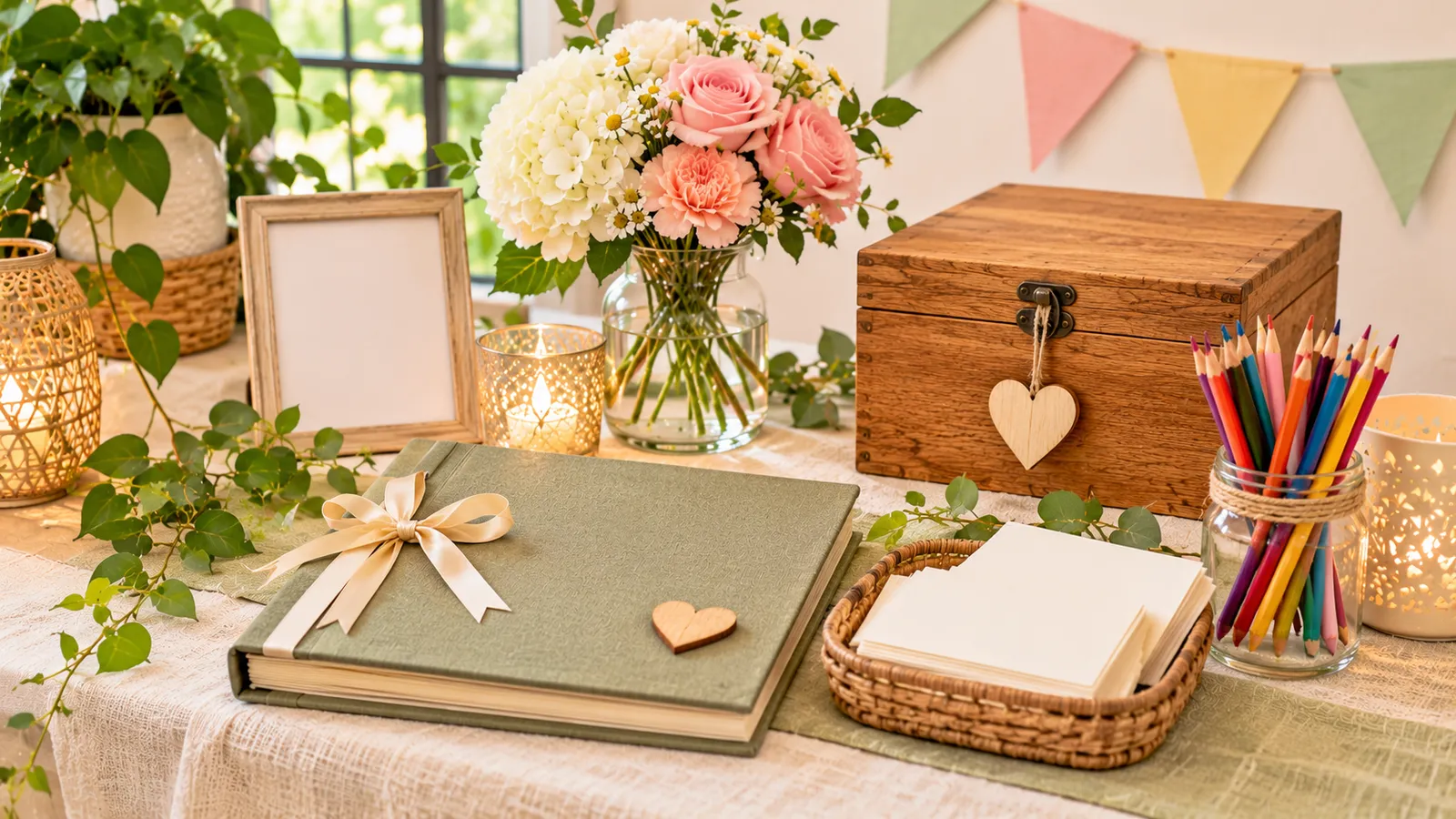
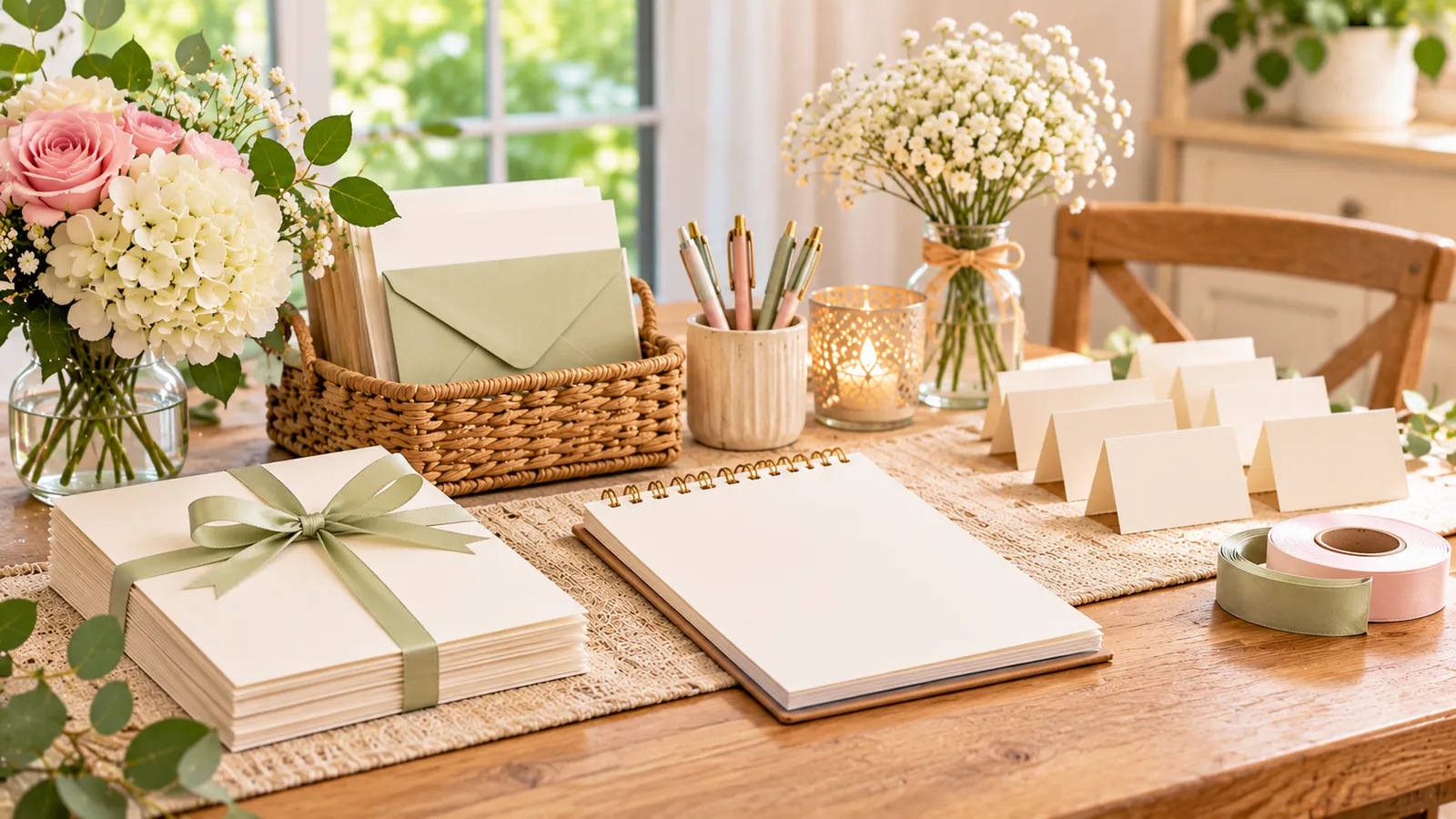
A keepsake can help the family remember who shared the day with them. Guests might write a short note, draw a picture, or add a message to a family scrapbook. Another option is a memory box where the family can keep a few cards, photographs, or small items from the celebration.
Give the child a choice about whether they want to take part and what they would like to keep. Review written notes before adding them to a scrapbook, especially if guests may unintentionally include personal questions or comments. The keepsake should be something the family can enjoy privately, not a public account of the child’s story.
Include a Quiet Area for Breaks
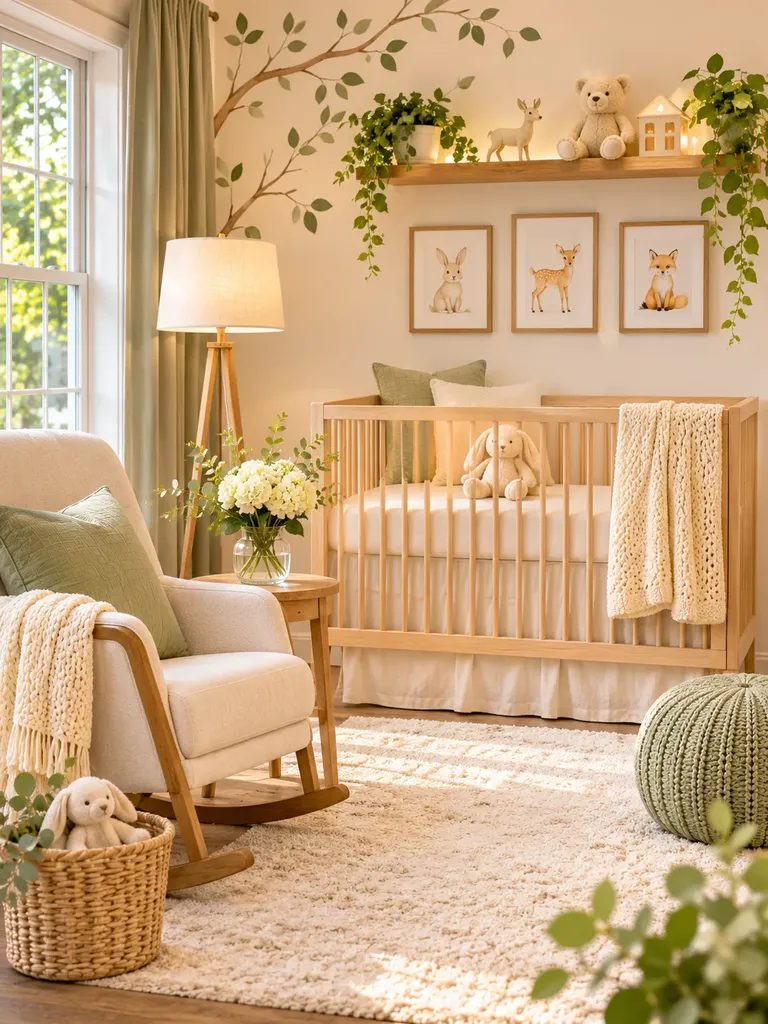
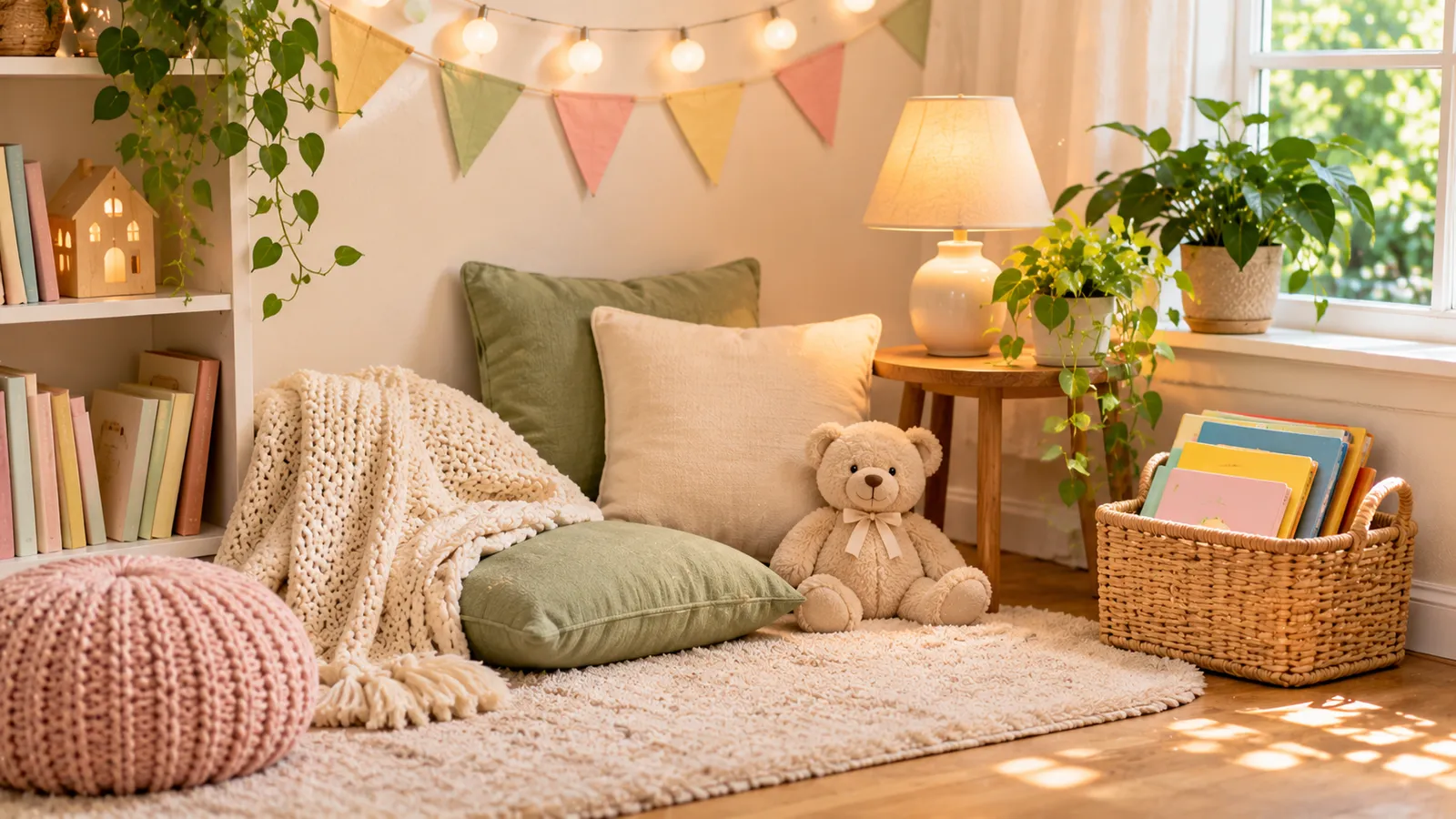
Even a happy party can become tiring when there are many conversations, sounds, and activities happening at once. Set aside a quieter room or corner with cushions, books, a soft blanket, and a familiar comfort item. Let guests know that the space is for the child and family to use when they need a break.
Do not treat a break as a problem or expect the child to return to the party on a schedule. A caregiver can stay nearby if needed, and the child can rejoin when ready. A calm space makes it easier to enjoy the celebration while respecting different energy levels.
Prepare Guests with a Kind Reminder
Before the party, send guests a short note about the kind of celebration you are planning. You can ask them to focus on supporting the family, avoid questions about birth relatives or personal history, and let the child choose how much interaction feels comfortable. A little guidance can prevent awkward conversations.
Use the adoption language preferred by the family, and do not ask the child to explain the legal process or tell their story. If guests are unsure what to say, a simple expression of happiness for the family is enough. Adults should handle questions and boundaries so the child does not have to.
Choose Simple Party Favors
Party favors are optional, but a small takeaway can be a nice thank-you for guests. Consider seed packets, bubbles, bookmarks, coloring supplies, or a wrapped treat. Choose items that suit the ages of the guests and fit the overall style of the party without relying on adoption-themed slogans.
If the guest list includes toddlers, avoid small pieces that could be choking hazards. You can also skip favors and simply thank everyone for coming. The gathering itself is the gift, and there is no need to add another task to an already busy day.
Keep the Schedule Relaxed
Rather than planning a full program, choose a few simple moments: welcome guests, share food, offer an activity, and enjoy dessert. Leave open time between these moments so people can talk and the child can move between activities naturally. A short gathering may be more enjoyable than an all-day event.
Tell guests the expected start and finish times so they know what to plan for. If court or travel makes the day unpredictable, let people know that the schedule may shift. It is fine to end early or change plans if the child needs rest. A flexible celebration is often the kindest option.
Celebrate the Milestone While Respecting the Child
An adoption finalization is an important family milestone, but the child should never feel responsible for making the day special for everyone else. Let them decide whether they want photos, a toast, a cake moment, or a quiet afternoon. Their comfort and sense of belonging matter more than any party tradition.
Remember that a child can have many feelings about adoption, sometimes all at once. Keep the event positive but leave room for their emotions and questions at another time. The celebration can simply mark a meaningful day with love, support, and the promise of many ordinary family moments ahead.
Frequently Asked Questions
What is an adoption finalization party?
It is a gathering held to celebrate the legal finalization of an adoption. Families may invite relatives and close friends for food, activities, and time together. The party can be as simple or elaborate as the child and family prefer.
When should we have an adoption finalization party?
You can hold it on the day of finalization or choose a later date that allows the family to relax. Court schedules and a child’s energy may make another day a better choice. There is no required timing.
What should guests bring to an adoption finalization party?
Guests can bring a card, a practical gift the family has requested, or nothing at all. If you are unsure, ask the caregivers what would be helpful. Avoid gifts or messages that make assumptions about the child’s history.
How can we make the party comfortable for the child?
Keep the guest list manageable, offer familiar food, make activities optional, and provide a quiet place for breaks. Let the child choose whether to take photos or join group moments, and remind guests to respect the family’s privacy.
Related Ideas
15 Baby Shower Ideas for a Beautiful Celebration
15 Co-Ed Baby Shower Ideas for a Fun, Welcoming Party
15 Gender Reveal Party Ideas for a Memorable Celebration
15 Gender Reveal Dinner Ideas for a Special Night
15 Gender Reveal Balloon Pop Ideas for a Fun Surprise
15 Baby Sprinkle Ideas for a Sweet, Simple Celebration
15 Sip and See Party Ideas for a Sweet Baby Welcome
15 Welcome Baby Party Ideas for a Joyful Celebration
15 Birth Announcement Celebration Ideas for Families
15 Nursery Reveal Party Ideas for a Sweet Baby Celebration
15 Adoption Celebration Ideas for a Meaningful Family Day