15 Family Game Night Ideas for a Fun Night at Home
Family game night is a simple way to spend time together without needing a special occasion or a big plan. You can bring out favorite board games, try something new, make easy snacks, and enjoy a few hours away from busy schedules and screens. It can be a weekly tradition, a rainy-day activity, or a fun way to spend a school holiday evening.
The best part is that game night can work for families of different ages and interests. Younger children may enjoy picture games and simple challenges, while older kids and adults might prefer trivia, cards, or team games. With a comfortable setup and a little preparation, you can make the evening feel special while keeping everything relaxed. These family game night ideas will help you plan a fun gathering everyone can look forward to.
Choose a Fun Family Game Night Theme
A theme can make an ordinary game night feel like a special event. You could plan a classic board game night, a colorful game-room evening, a family trivia night, or a cozy pajama game night. If your family enjoys a little friendly competition, try a mini tournament theme with different games and simple scorecards. Choose something that fits your family's interests rather than making the theme complicated.
Once you have an idea, carry it through with a few matching details. Use coordinated napkins, a simple table runner, fun bowls for snacks, or a small display of the games you plan to play. You might even invite everyone to wear comfortable pajamas or a favorite team shirt. A few small touches are enough to create a fun atmosphere without spending much money.
Set Up a Comfortable Game Night Area
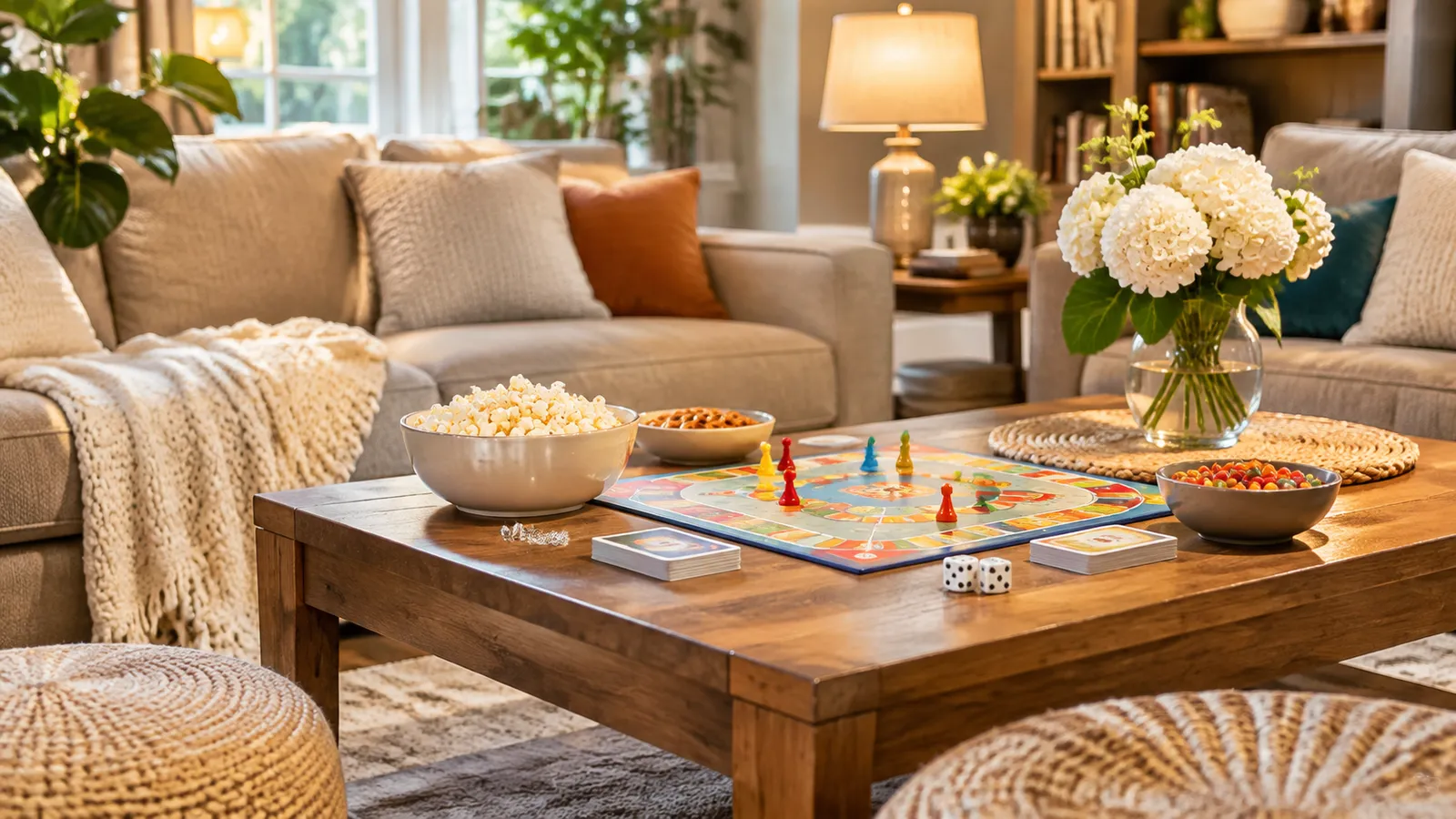
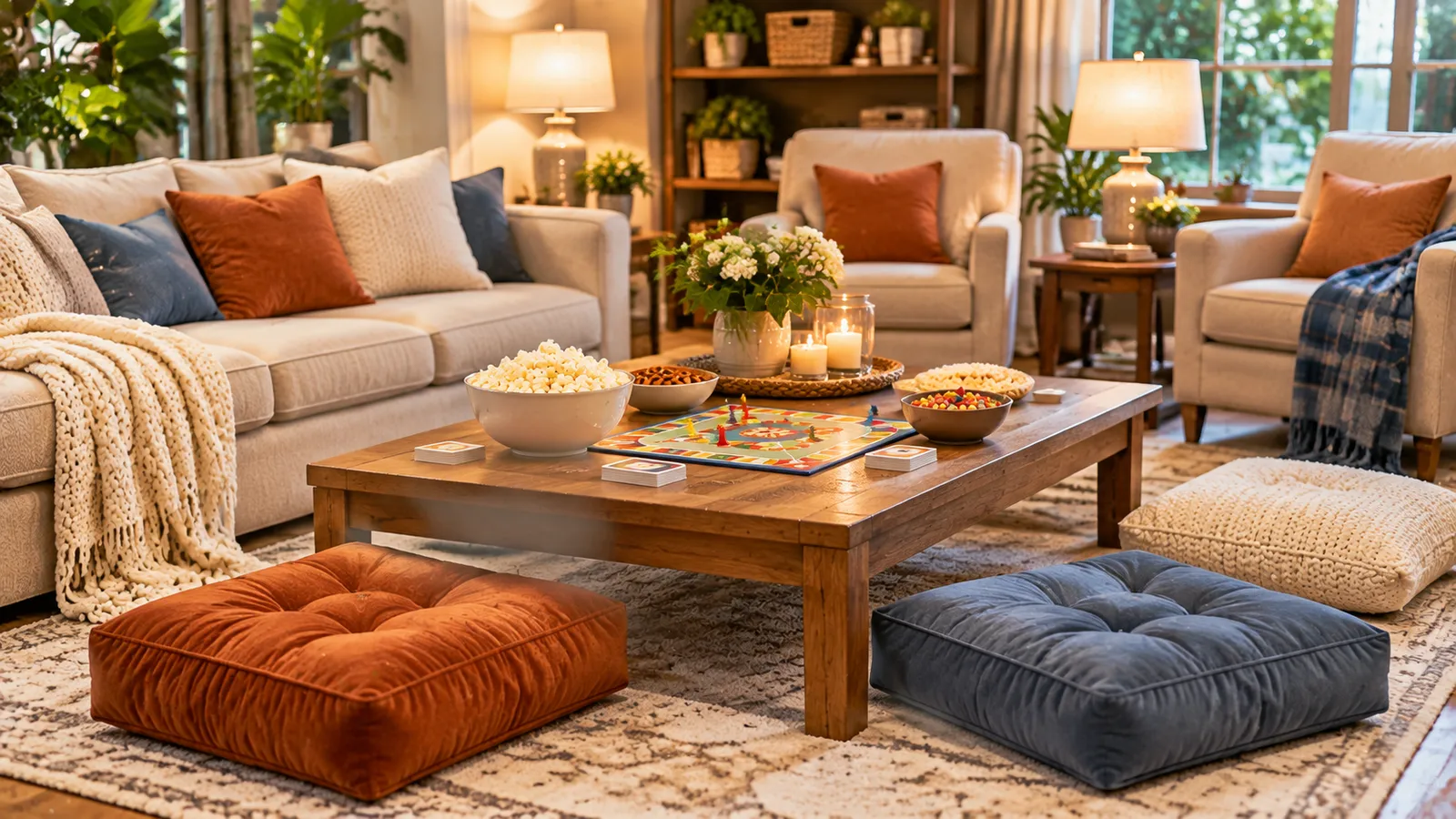
Choose a room where everyone can sit comfortably and see the game board or screen. A living room with a large coffee table, a family room with a dining table, or a cleared section of the floor can all work. Arrange seats so players have enough space to move pieces, hold cards, and reach snacks without bumping into one another.
Think about the ages and needs of everyone joining in. Younger children may need cushions or a low table, while older relatives might prefer supportive chairs. Keep walkways clear and make sure the room has enough light for reading cards and instructions. Put away fragile decorations and anything that could easily spill or get knocked over during an enthusiastic round.
Create a Simple Game Night Welcome Display
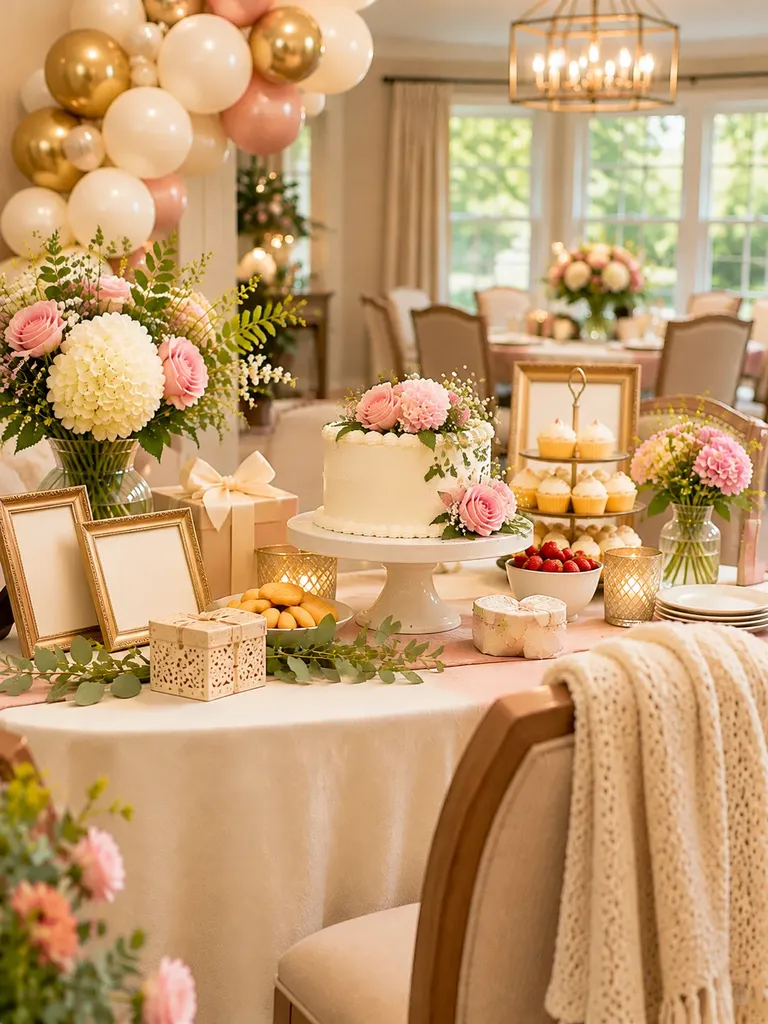
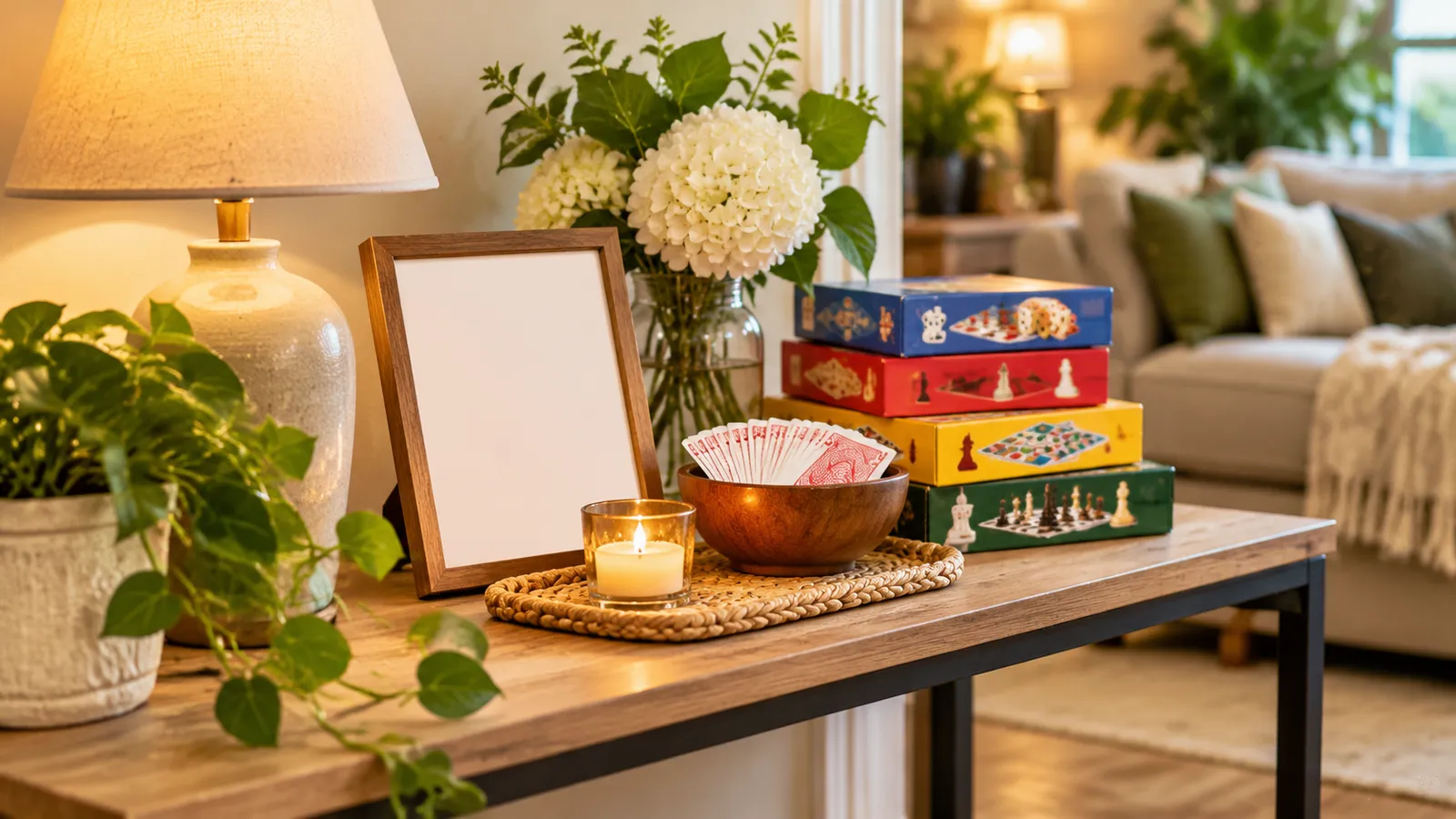
A small welcome display can help make the evening feel like an occasion, especially if you are inviting cousins, grandparents, or family friends. Use a side table or console to arrange a few favorite games, a bowl of playing cards, and a small decorative item that matches your theme. A simple framed blank display can be personalized with the evening's details before guests arrive.
Keep the display practical rather than filling it with decorations. You could place a small basket nearby for phones if everyone agrees to take a screen break, or use a tray to hold scorecards and pencils. If children are helping with setup, let them choose a game or arrange the supplies. Giving them a small job can build excitement before the games begin.
Pick Games That Suit Different Ages
The easiest way to keep everyone involved is to choose games that match the ages and interests of the players. Younger children may enjoy matching games, picture-based games, simple dice games, or activities with easy rules. Older children and adults might prefer strategy games, word games, trivia, or classic card games. Choose a few options rather than trying to play too many in one evening.
It also helps to explain the rules before starting, especially when some family members have never played before. For a new game, play a short practice round so everyone understands how it works. Avoid choosing only games that favor one age group or skill level. A mix of quick and longer games gives everyone a chance to enjoy the evening and keeps the pace from feeling too slow.
Plan a Family Trivia Challenge
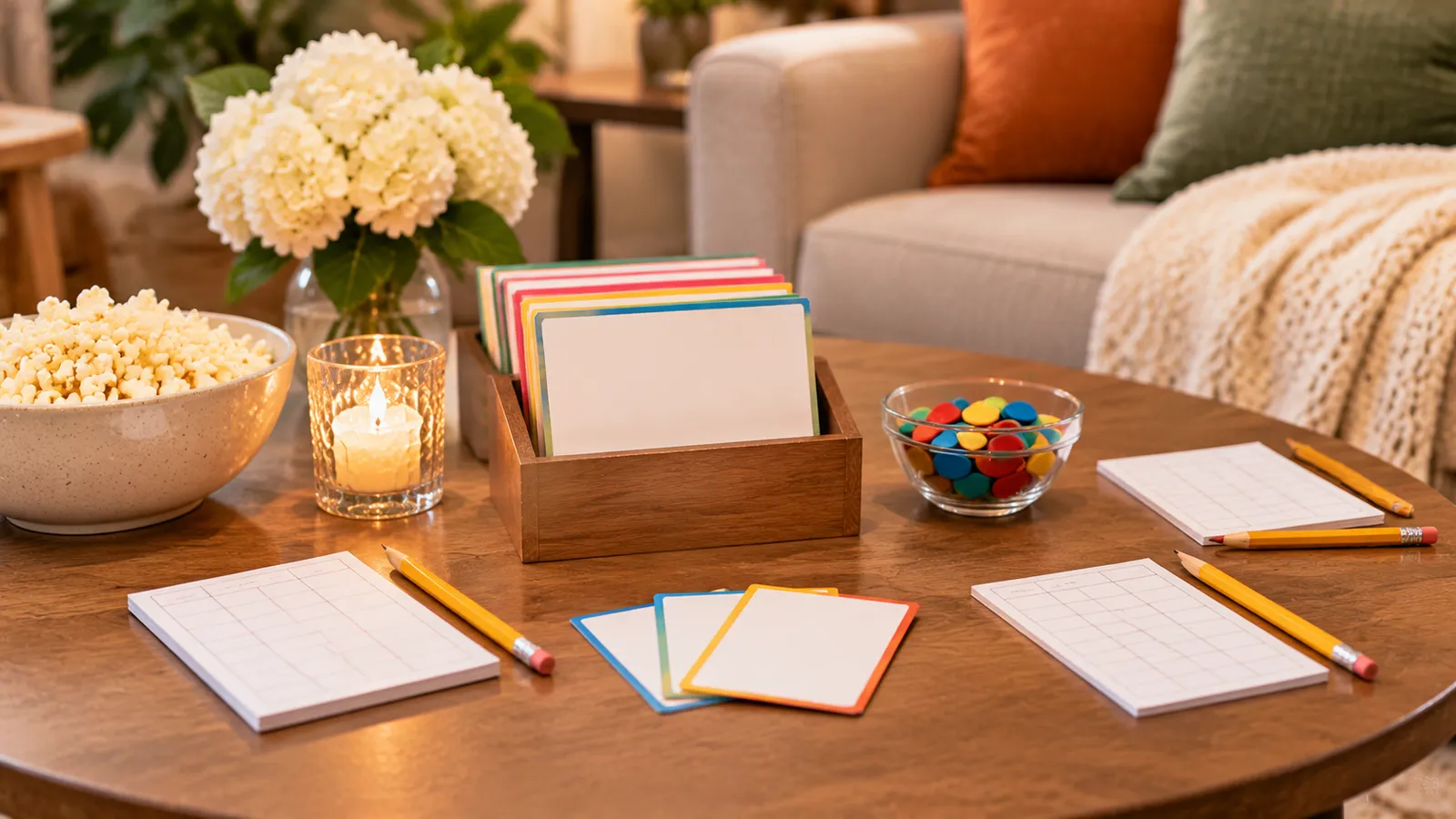
Family trivia is a fun way to turn shared memories into a game. Prepare questions about favorite family holidays, funny moments, hobbies, pets, childhood memories, or general topics everyone knows. You can divide into teams or let each person answer individually. Keep the questions light and friendly so nobody feels uncomfortable if they do not know an answer.
Write the questions on cards or read them aloud one at a time. Include a mix of easy and slightly harder questions so younger players and adults can both contribute. You can also let each family member write one question before the game begins. Keep score on a simple sheet of paper, but remember that the main point is sharing laughs and learning little things about one another.
Make a DIY Game Night Snack Station
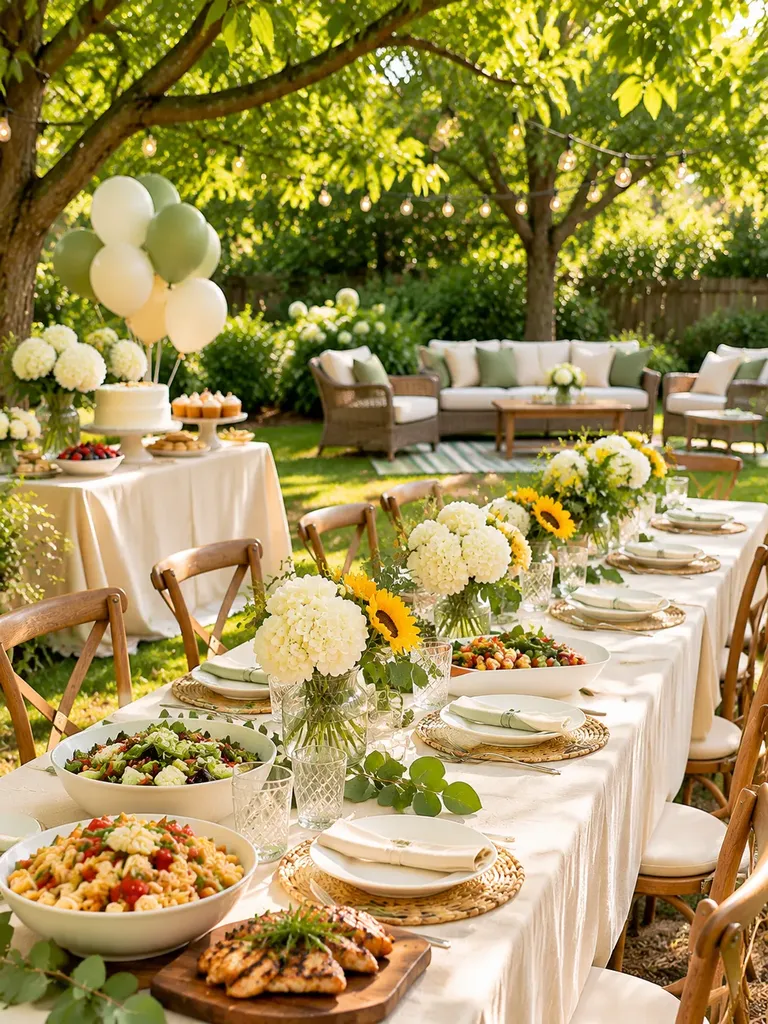
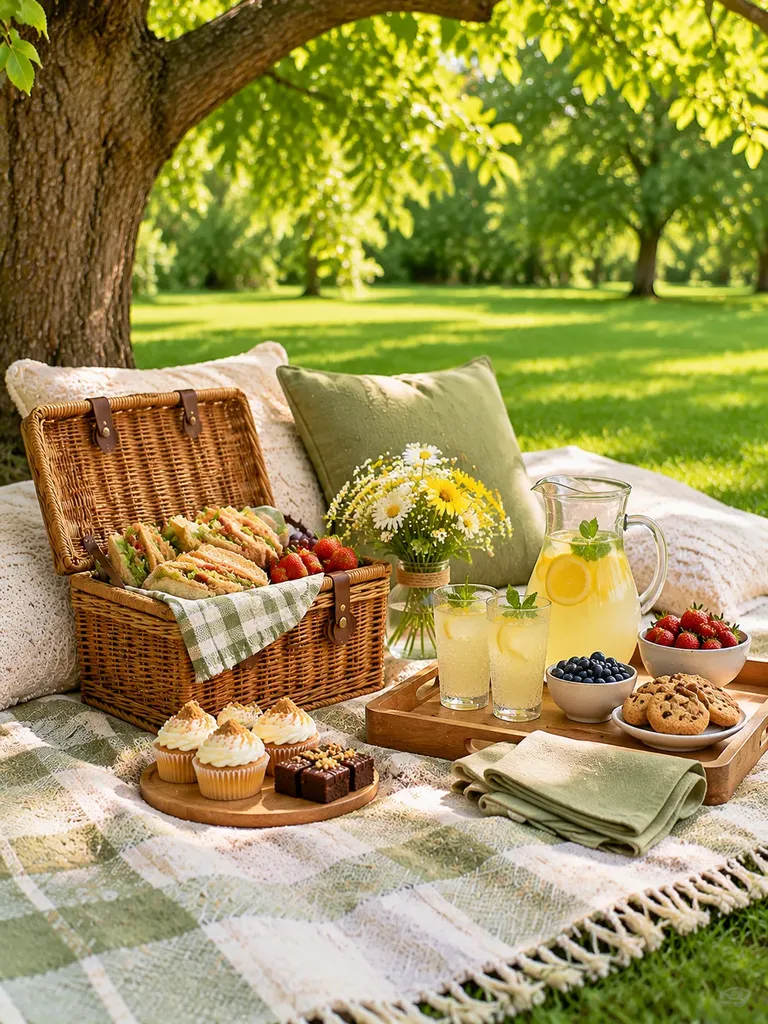
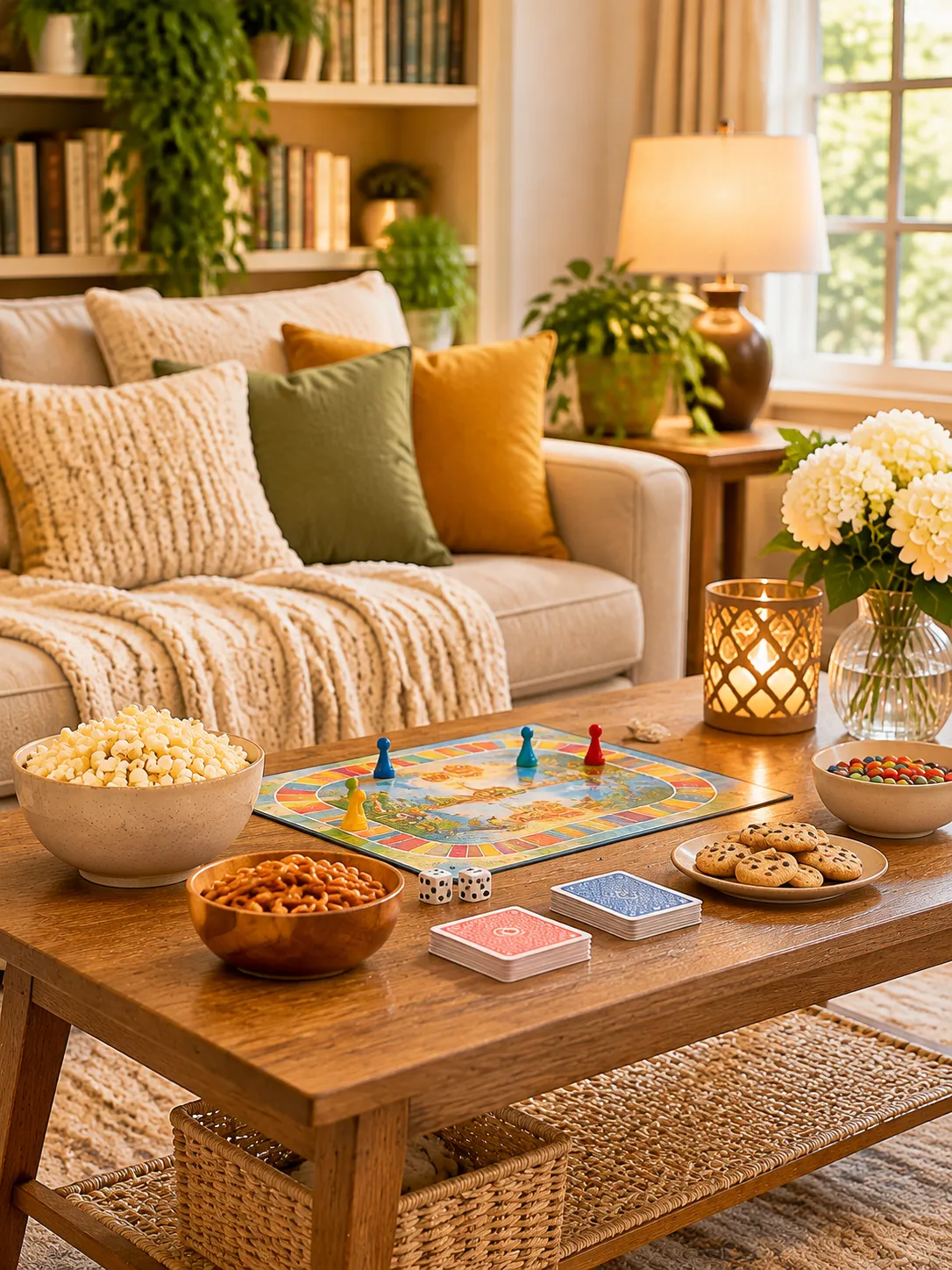
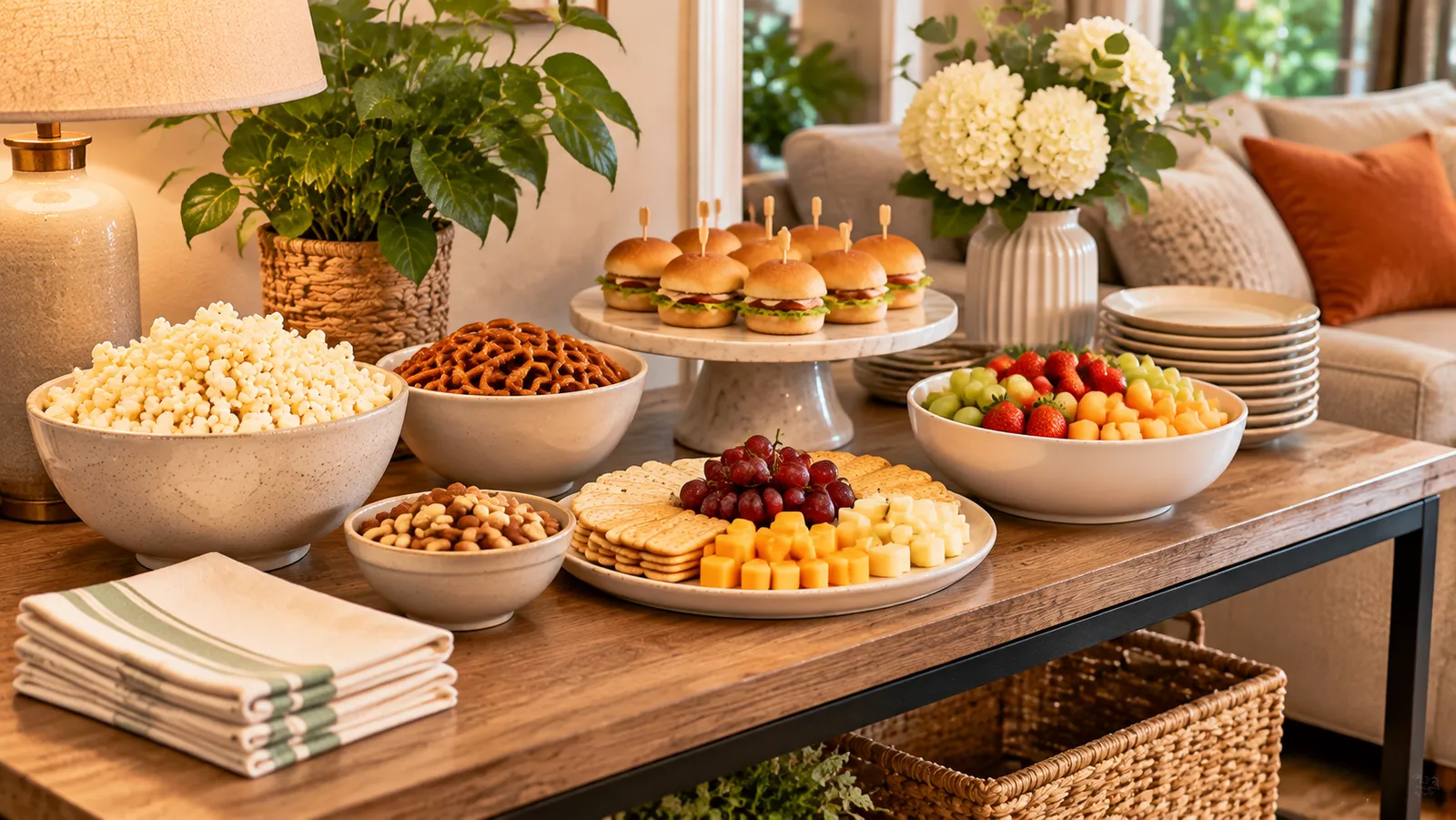
A snack station makes it easy for everyone to grab something between rounds. Choose foods that are simple to eat and do not create too much mess around game pieces. Popcorn, pretzels, fruit slices, crackers, cheese cubes, and small sandwiches are all practical options. Use separate bowls and trays so guests can choose what they like without crowding around one large plate.
Set the snacks on a side table away from the main playing area. Add napkins, small plates, and a wastebasket nearby to make cleanup easier. If younger children are attending, choose snacks that are suitable for their ages and serve them safely. Keep drinks in spill-resistant cups when possible, especially if the games involve cards, paper pieces, or electronic equipment.
Set Up a Fun Dessert Table
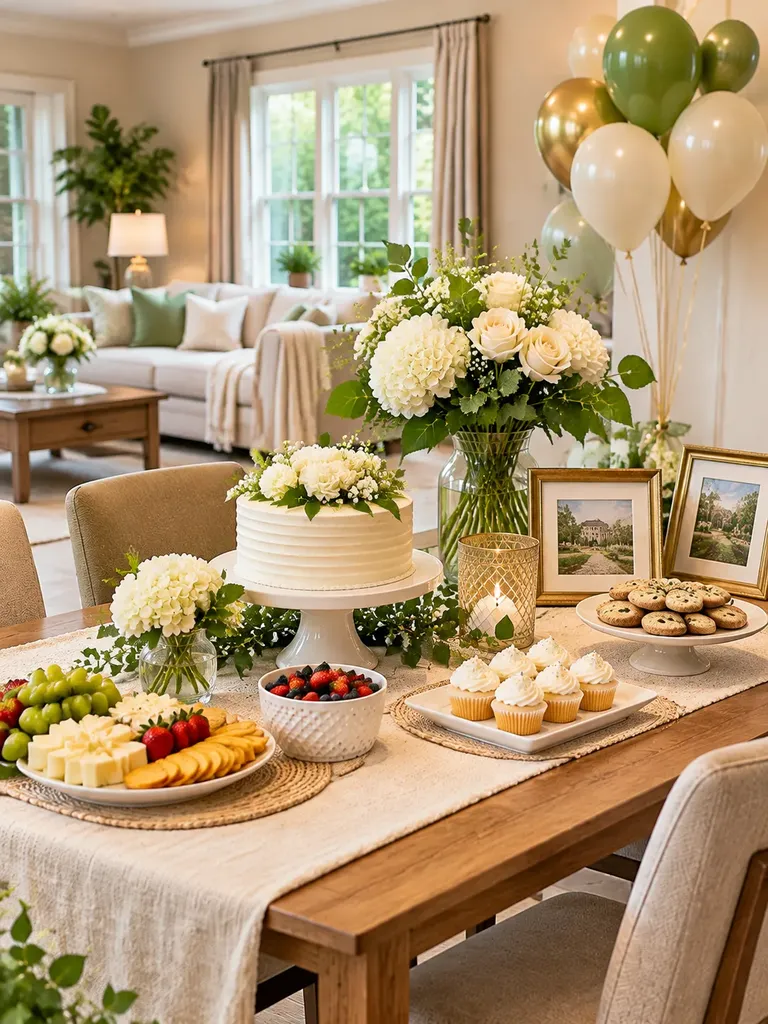
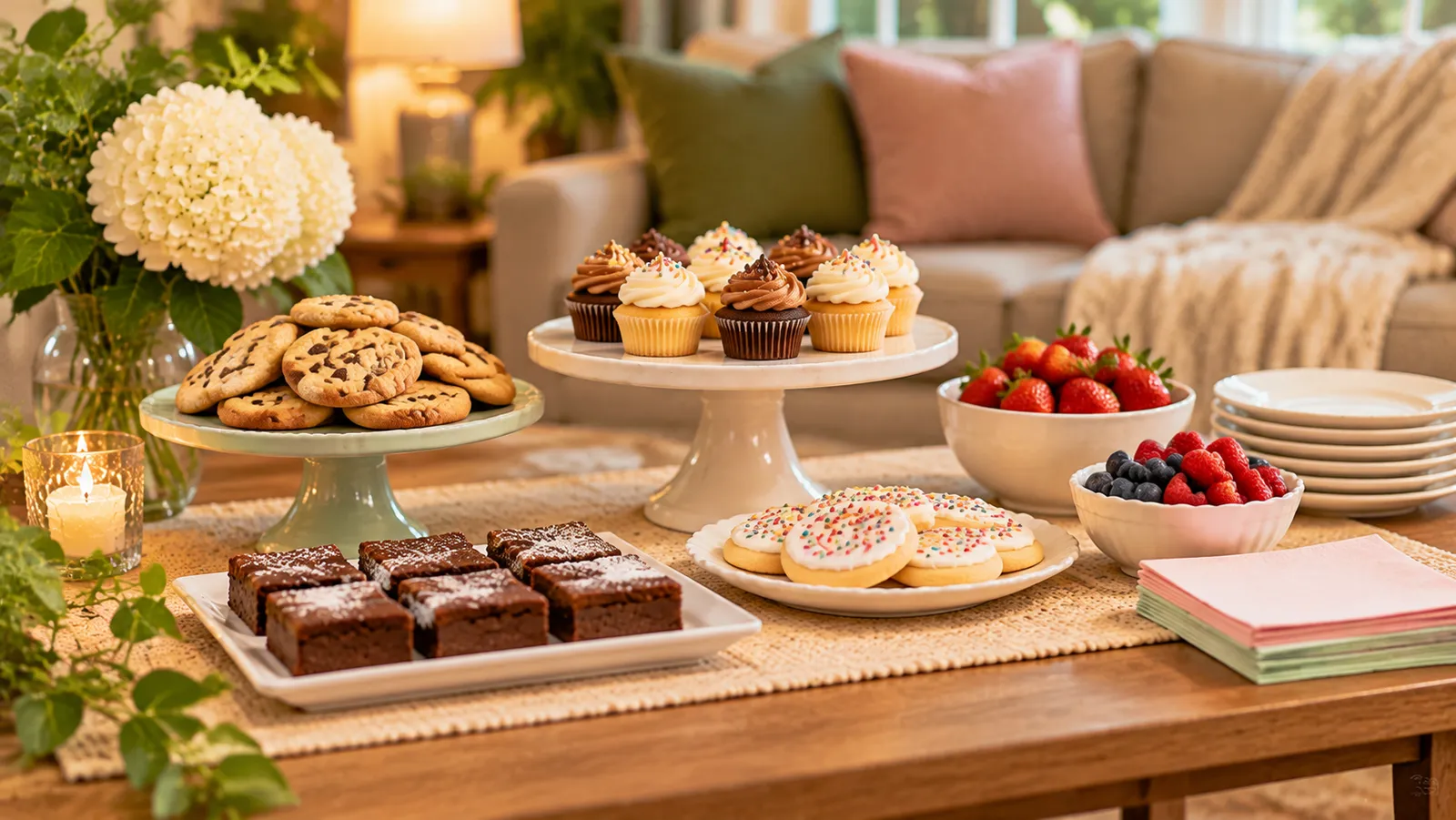
A small dessert table can add a festive touch to family game night. You could serve cookies, brownies, mini cupcakes, fruit skewers, or a simple bowl of sweet treats. Use a few cake stands or trays to arrange everything neatly, and add a small runner or paper decorations that match your theme. It does not need to be elaborate to look inviting.
Choose desserts that are easy to portion and do not require much preparation during the evening. If you are playing games at the table, keep desserts in a separate area so sticky fingers do not damage cards or game pieces. You can also make dessert part of the evening by letting everyone choose a treat after each round or once the games are finished.
Organize a Friendly Family Game Tournament
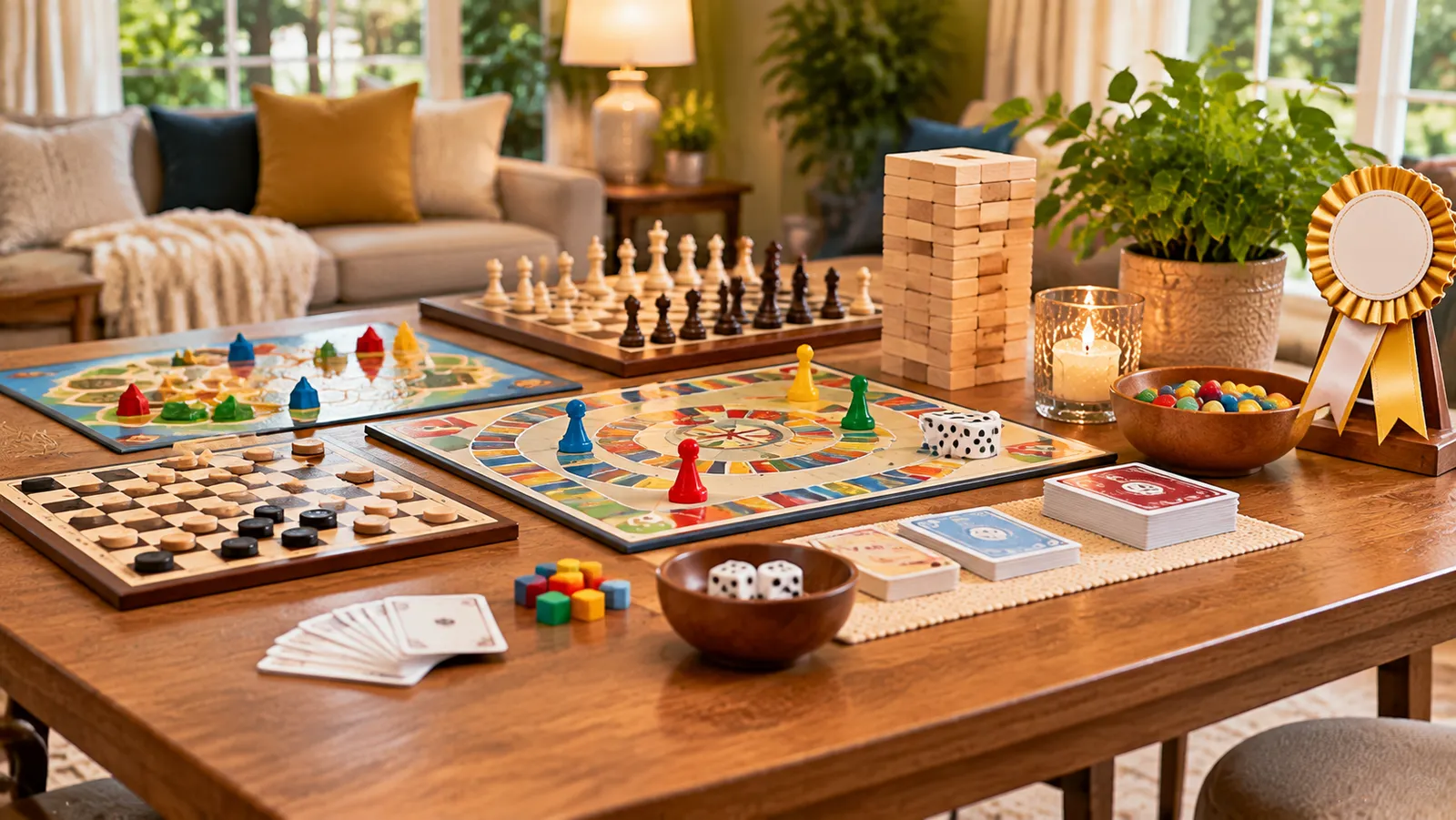
A mini tournament is a good choice when your family enjoys a little competition. Pick two or three short games and let players earn points for each round. You could include a card game, a quick board game, and a simple physical challenge. Keep the scoring easy to understand and make sure everyone has a chance to play.
Avoid making the tournament too serious. Pair younger players with older family members when a game needs teamwork, and change teams between rounds so everyone gets to play together. You could give the winner a small homemade certificate or let them choose the next family movie. A playful prize adds excitement without making anyone feel bad about losing.
Create a Kids' Game and Activity Corner
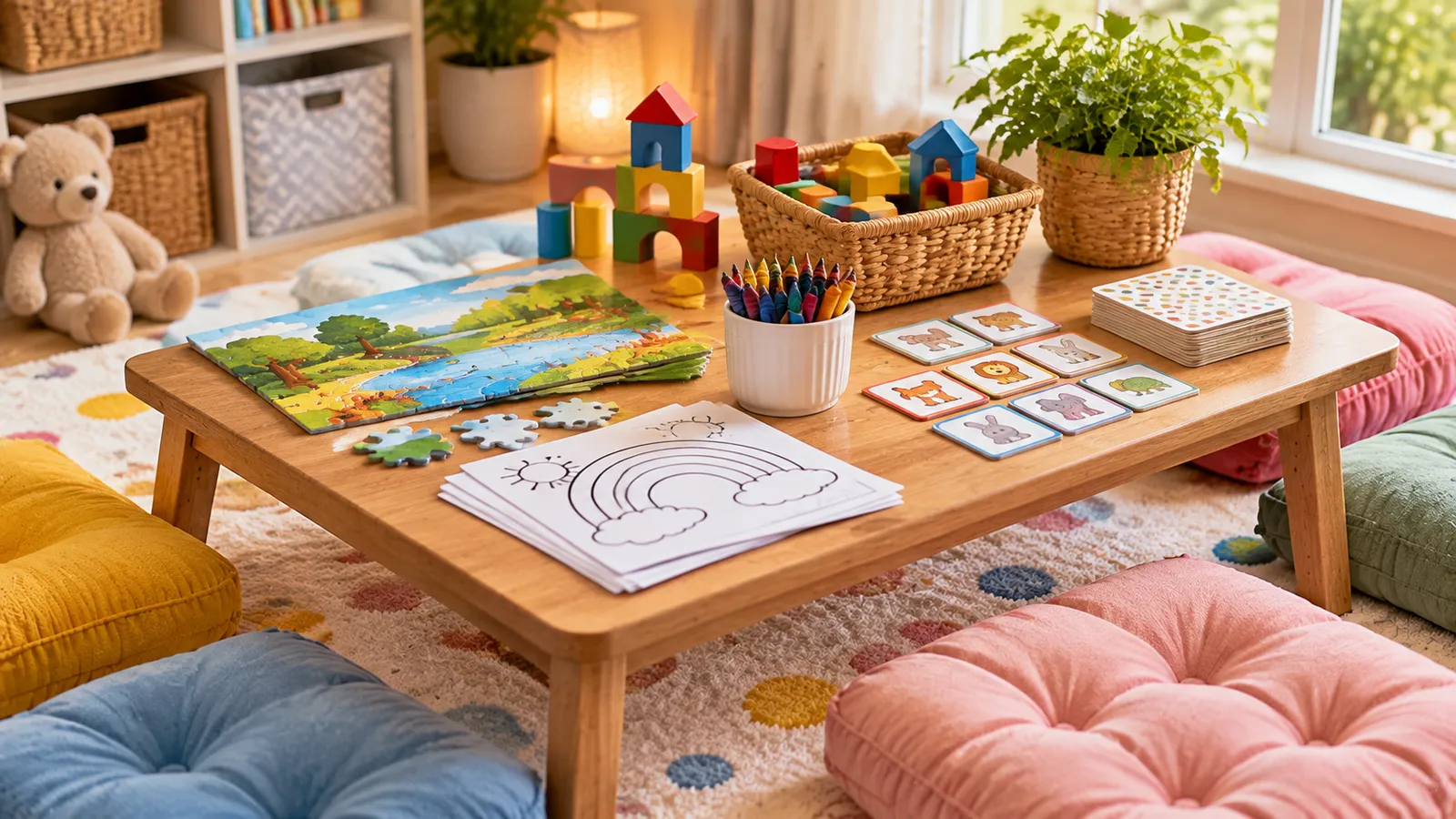
If younger children are part of the evening, set up a small area with games and activities that suit their ages. Include large-piece puzzles, matching cards, coloring pages, building blocks, or simple tabletop games. This gives children something to do while adults finish a longer game, and it can help younger guests stay involved even if they are not ready for every activity.
Keep the area easy to supervise and use materials that are safe for the children attending. Avoid small game pieces around babies and toddlers, and keep craft supplies away from food. A soft rug, a low table, and a few cushions can make the corner comfortable. Rotate activities if children lose interest, but do not feel you need to plan something for every minute.
Try a Charades or Drawing Game
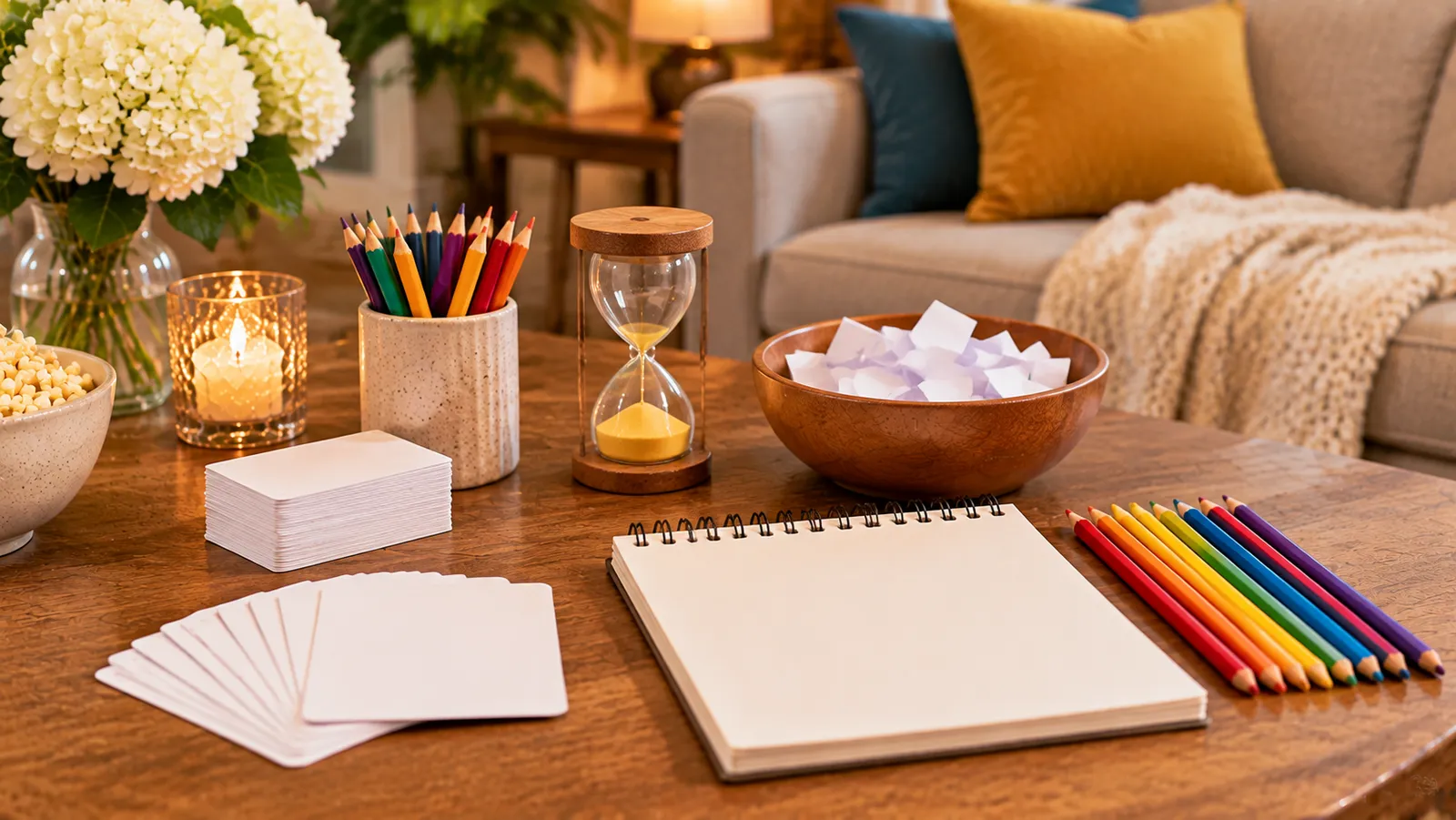
Charades and drawing games are great choices when you want everyone laughing and moving around a little. Write simple prompts on cards, such as animals, everyday activities, favorite foods, or familiar story characters. Players can take turns acting out a prompt or drawing it while their team guesses. Keep the prompts suitable for the ages and interests of the people playing.
You can make your own prompt cards using paper and a pen, so there is no need to buy a special game. For younger children, use picture prompts or very familiar subjects. For mixed-age teams, let players work together so everyone gets a turn. Keep rounds short and let people pass if they do not want to perform. The fun comes from the silly guesses and unexpected answers.
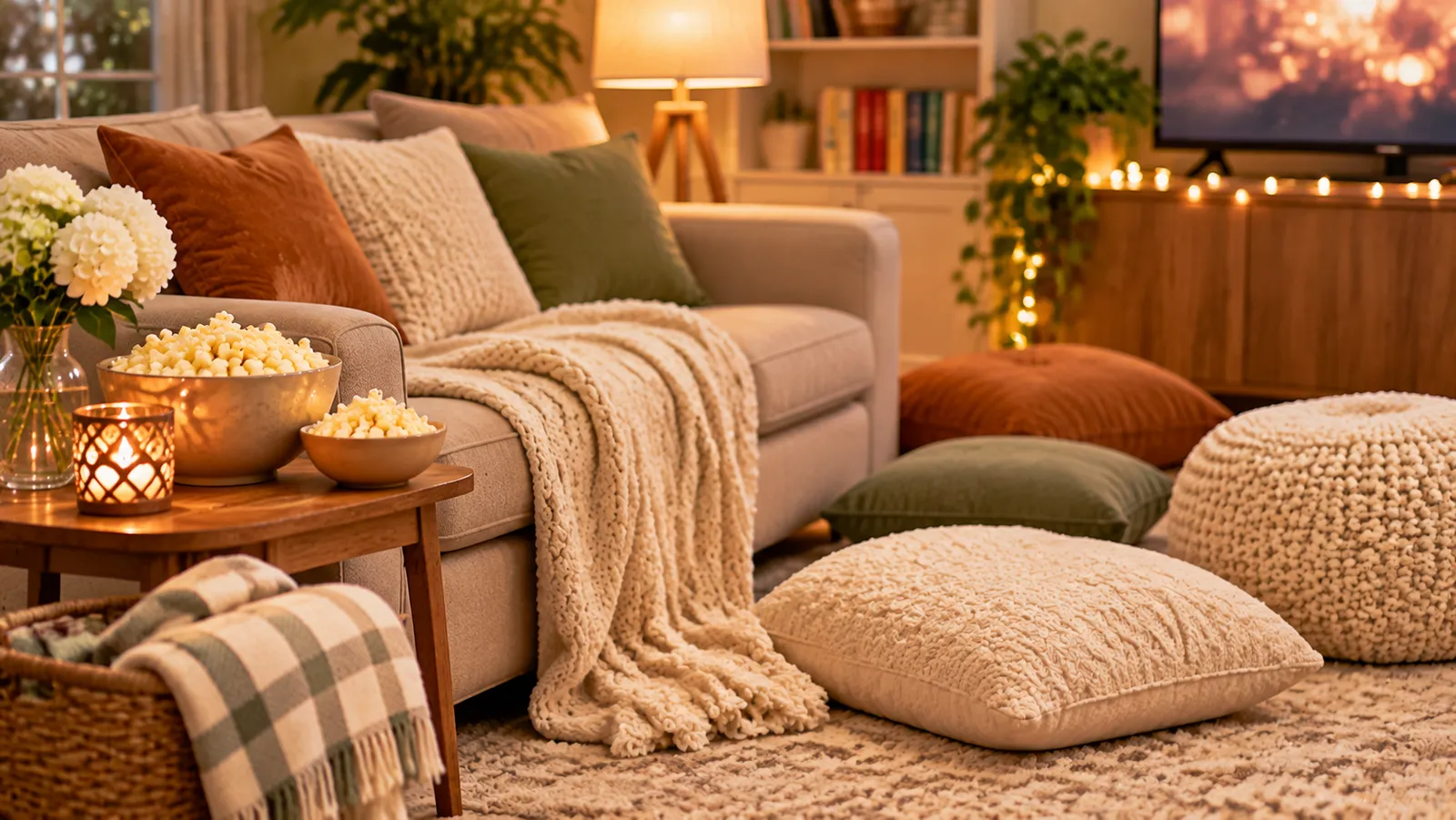
Add a Cozy Movie or Story Break
A short break can be useful if your game night lasts several hours or includes younger children. Set out blankets and cushions in a comfortable corner and choose a short family-friendly movie clip, animated short, or story to enjoy together. It gives everyone a chance to relax before returning to the games or moving on to dessert.
Keep the break flexible rather than making it the main event unless your family wants a movie night too. You could also ask someone to read a funny story or share a favorite childhood memory. Lower the lights slightly, but leave enough light for guests to move safely around the room. A calm pause can help the evening feel balanced and prevent younger players from getting overtired.
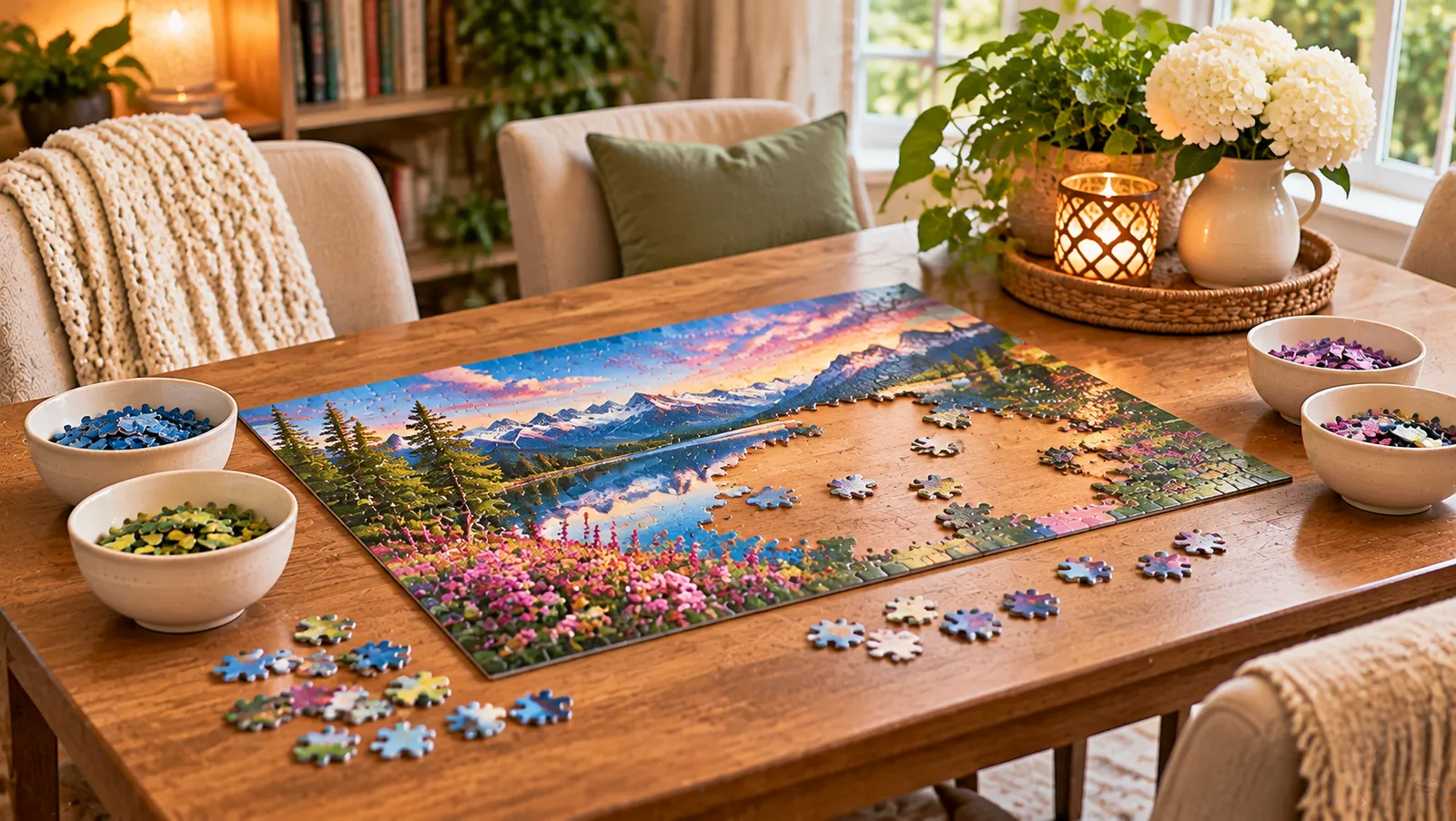
Make a Family Puzzle Challenge
A puzzle challenge is a quieter activity that can bring everyone together. Choose a puzzle with an image and difficulty level that suit the group, then set it up on a table where it can stay undisturbed. Family members can work on it in small teams or add pieces whenever they have a few minutes between other games.
If you want to make it a friendly challenge, split a puzzle into sections or give each team a similar small puzzle to complete. Keep the rules relaxed so people can join and leave without interrupting the fun. For younger children, use larger pieces and simpler pictures. A puzzle is also a good option for relatives who prefer a calm activity over fast-paced games.
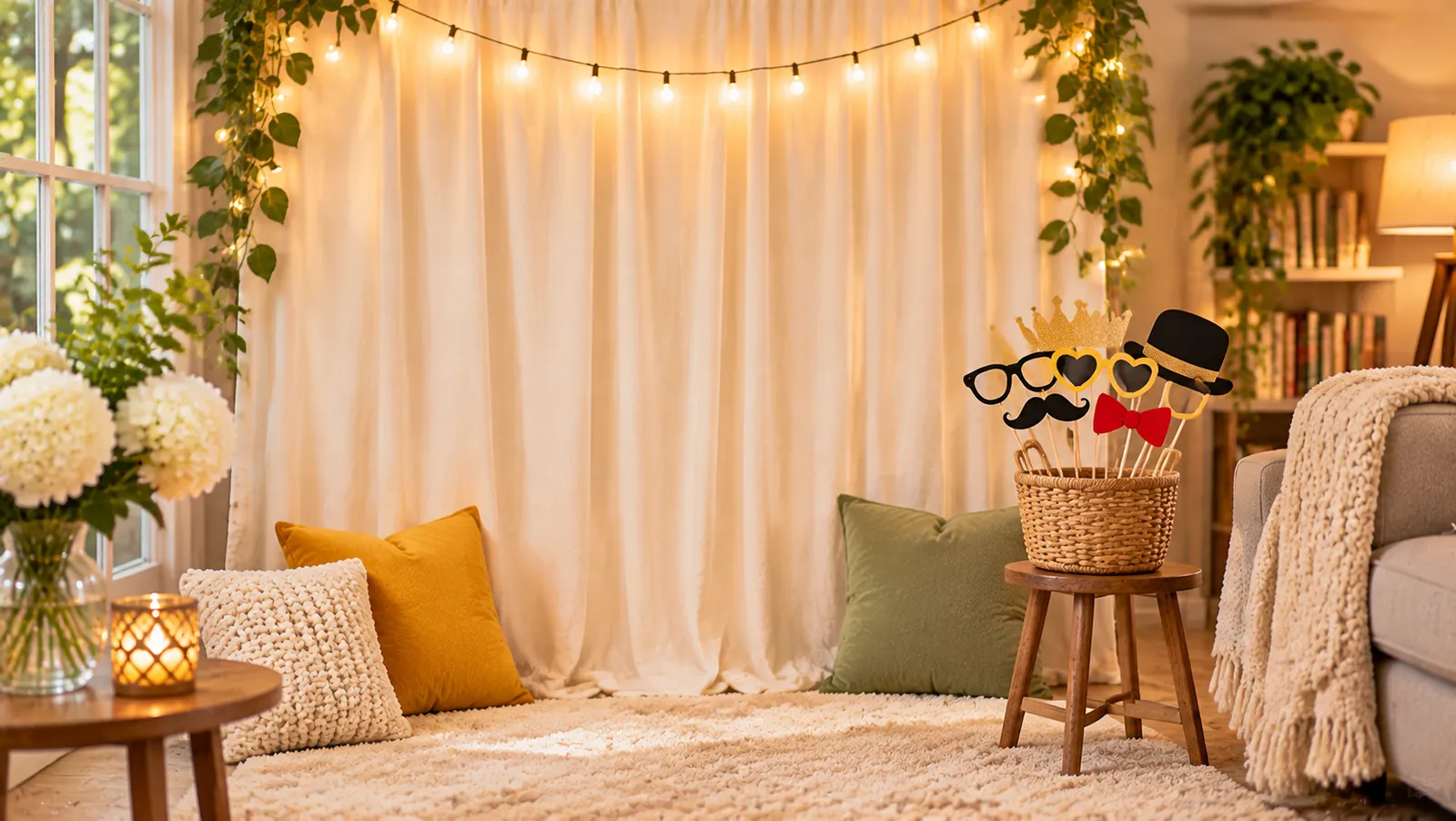
Prepare a Game Night Photo Spot
A small photo spot gives your family a way to remember the evening. Choose a clear wall or corner with good lighting and add a simple backdrop, a few cushions, and decorations that match the game night theme. You could include a basket of playful accessories, such as silly glasses or simple paper props, as long as they are safe and suitable for the group.
Keep the setup simple so it does not take over the room. Make sure the area is clear of cables and clutter, and use a stable stand if you are setting up a phone or camera. Invite family members to take group pictures between games rather than stopping the action too often. You can share the photos afterward in a family album or group chat.
Give Everyone a Chance to Choose a Game
One easy way to make game night feel fair is to let each person choose a game during the evening. You can place a few options in a basket and take turns picking one, or ask everyone to suggest a favorite before the night begins. This helps make sure the evening includes activities that different family members enjoy.
Set a simple time limit for each game so one choice does not take up the whole night. If a game is very long, agree on a stopping point before starting. Be willing to try something new, but do not pressure anyone to play a game they dislike. Taking turns choosing gives everyone a sense of involvement and can introduce the family to new favorites.
Start a Regular Family Game Night Tradition
A regular game night can become something everyone looks forward to. Choose a schedule that works for your household, such as one Friday evening each month or a short game session on a weekend afternoon. Keep the plan realistic so it does not become another task that is difficult to fit into busy family life.
You can take turns choosing the games, preparing snacks, or setting up the room. Save a list of games everyone enjoyed so you can bring them back another time, and keep a few new ideas ready for variety. Some evenings may be lively and competitive, while others may be short and relaxed. What matters most is making time to be together and enjoy each other's company.
Frequently Asked Questions
1. How do you plan a family game night?
Choose a date, decide who will join, and pick a few games that suit the ages of the players. Set up a comfortable area, prepare easy snacks, and explain any new rules before starting. Leave some flexibility in the schedule so the evening feels fun rather than rushed.
2. What are the best games for family game night?
The best games depend on the ages and interests of your family. Trivia, charades, drawing games, card games, matching games, puzzles, and simple board games are all good options. Choose a mix of quick and longer games so everyone can find something they enjoy.
3. What snacks should you serve on family game night?
Choose easy-to-eat snacks that are not too messy, such as popcorn, pretzels, fruit, crackers, cheese cubes, mini sandwiches, and cookies. Keep food and drinks on a separate table from the games to protect cards and game pieces. Remember to consider allergies and age-appropriate serving sizes.
4. How can you make family game night fun for all ages?
Offer different types of games, explain the rules clearly, and let family members take turns choosing activities. Pair younger players with older relatives when helpful, and include quieter options such as puzzles alongside active games. Keep the mood friendly and make participation optional.
Related Ideas
15 Baby Shower Ideas for a Beautiful Celebration
15 Co-Ed Baby Shower Ideas for a Fun, Welcoming Party
15 Gender Reveal Party Ideas for a Memorable Celebration
15 Gender Reveal Dinner Ideas for a Special Night
15 Gender Reveal Balloon Pop Ideas for a Fun Surprise
15 Baby Sprinkle Ideas for a Sweet, Simple Celebration
15 Sip and See Party Ideas for a Sweet Baby Welcome
15 Welcome Baby Party Ideas for a Joyful Celebration
15 Birth Announcement Celebration Ideas for Families
15 Nursery Reveal Party Ideas for a Sweet Baby Celebration
15 Adoption Celebration Ideas for a Meaningful Family Day
15 Adoption Finalization Party Ideas for a Joyful Day
15 Pregnancy Announcement Party Ideas to Share the News
15 Pregnancy Milestone Celebration Ideas for Every Stage
15 Maternity Celebration Ideas for a Special Day
15 Push Present Celebration Ideas for a New Mom
15 First Mother's Day Celebration Ideas for a New Mom
15 First Father's Day Celebration Ideas for a New Dad
15 Baby's First Christmas Ideas for a Special Celebration
15 Baby's First Easter Ideas for a Sweet Celebration
15 Baby's First Halloween Ideas for a Sweet Celebration
15 Baby's First Birthday Party Ideas for a Special Day
15 Baptism Reception Ideas for a Meaningful Celebration
15 Christening Reception Ideas for a Sweet Family Celebration
15 Naming Ceremony Ideas for a Meaningful Celebration
15 Family Reunion Ideas for a Fun Family Gathering