15 AANHPI Heritage Month Celebration Ideas for Families
Asian American, Native Hawaiian and Pacific Islander Heritage Month is celebrated every May in the United States. The month gives families, schools, libraries, and communities a chance to learn about the history, culture, and contributions of Asian American, Native Hawaiian, and Pacific Islander people. It is a time to explore different stories, traditions, languages, and experiences, while also recognizing the many ways these communities have shaped American life.
There are many ways to celebrate at home, in schools, libraries, and community spaces. Families can read books, visit exhibits, try cultural activities, and take part in community events. Small, simple activities can still make the month meaningful, especially when they encourage learning and conversation. If you are looking for Asian American, Native Hawaiian and Pacific Islander Heritage Month celebration ideas, this guide shares 15 easy and practical options. The ideas are suitable for families, children, teachers, and community groups. They focus on learning, creativity, and shared experiences, and they can be adapted to suit different ages, settings, and budgets.
Create an AANHPI Heritage Month Educational Display
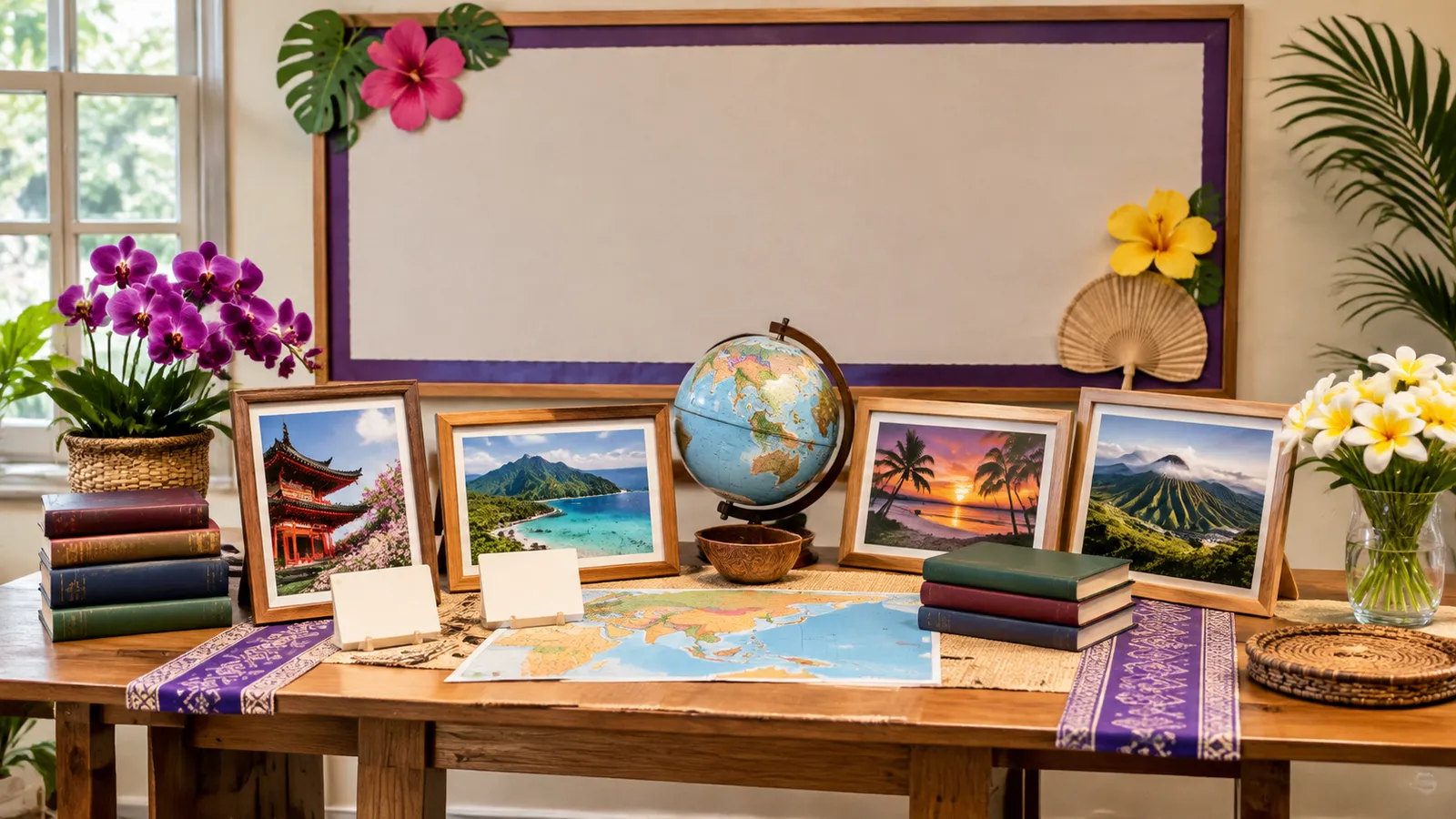
An educational display is a simple way to introduce visitors to the history and contributions of Asian American, Native Hawaiian, and Pacific Islander people. A table, wall, or noticeboard can be used to show maps, photographs, books, and short facts about important people and events. The display can also include information about different cultures and regions, helping visitors understand the diversity within AANHPI communities.
Try to include a variety of stories rather than focusing on only one country, culture, or historical period. Use clear labels and short descriptions so the information is easy to read and understand. A small collection of books and objects can also make the display more interesting and encourage visitors to ask questions and learn more.
Set Up an AANHPI Heritage Month Reading Corner
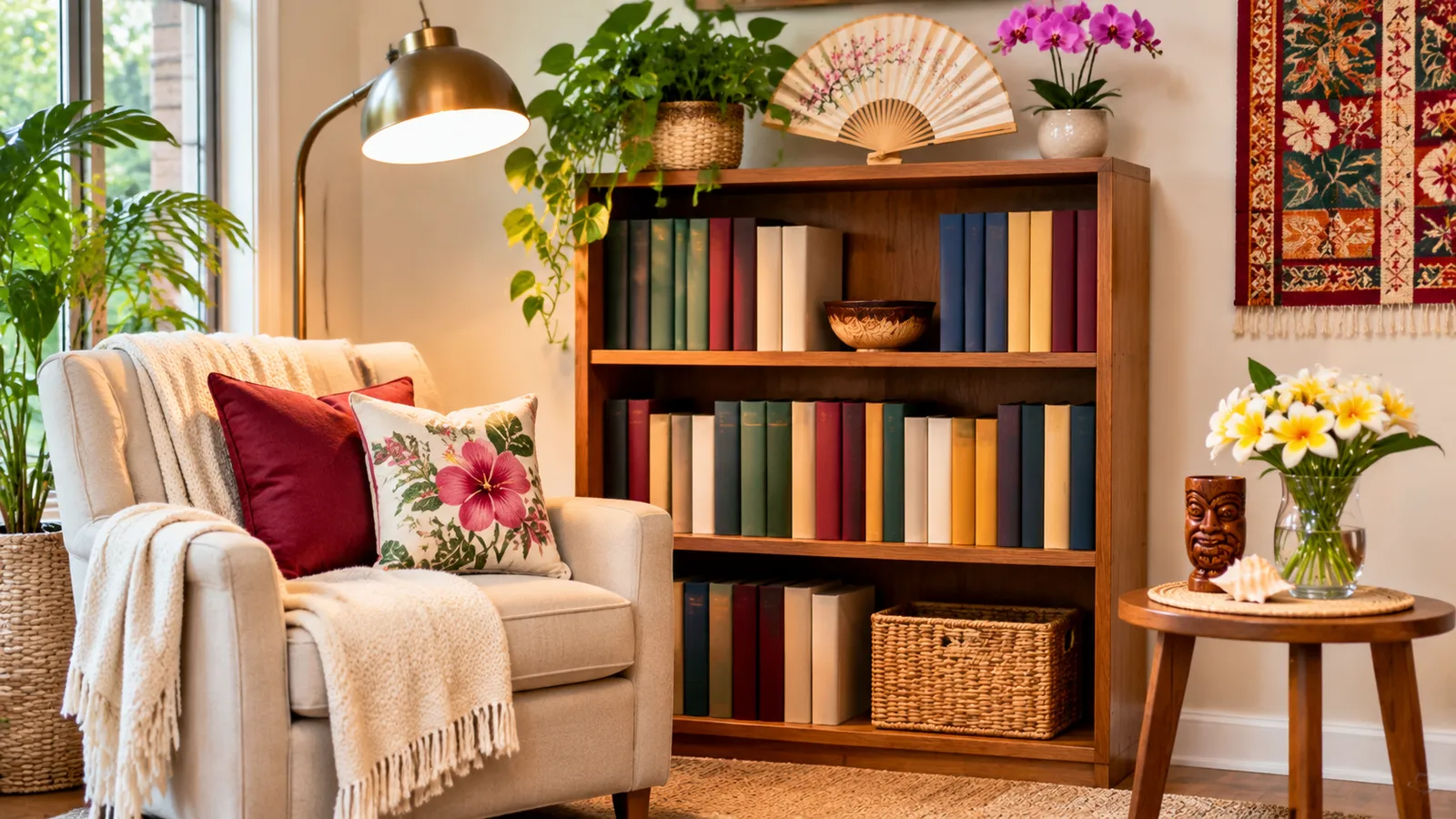
A reading corner is a lovely way to introduce children and adults to different voices and experiences. Choose a quiet corner in a home, classroom, or library and fill it with books by Asian American, Native Hawaiian, and Pacific Islander authors. Include picture books, stories, poetry, and nonfiction titles so readers of all ages can find something they enjoy.
Arrange the books on a small shelf or table with comfortable cushions, a reading lamp, and a few simple decorations. A small sign with a list of recommended books can help visitors choose what to read first. The reading corner can stay open throughout May, giving everyone plenty of time to explore new stories.
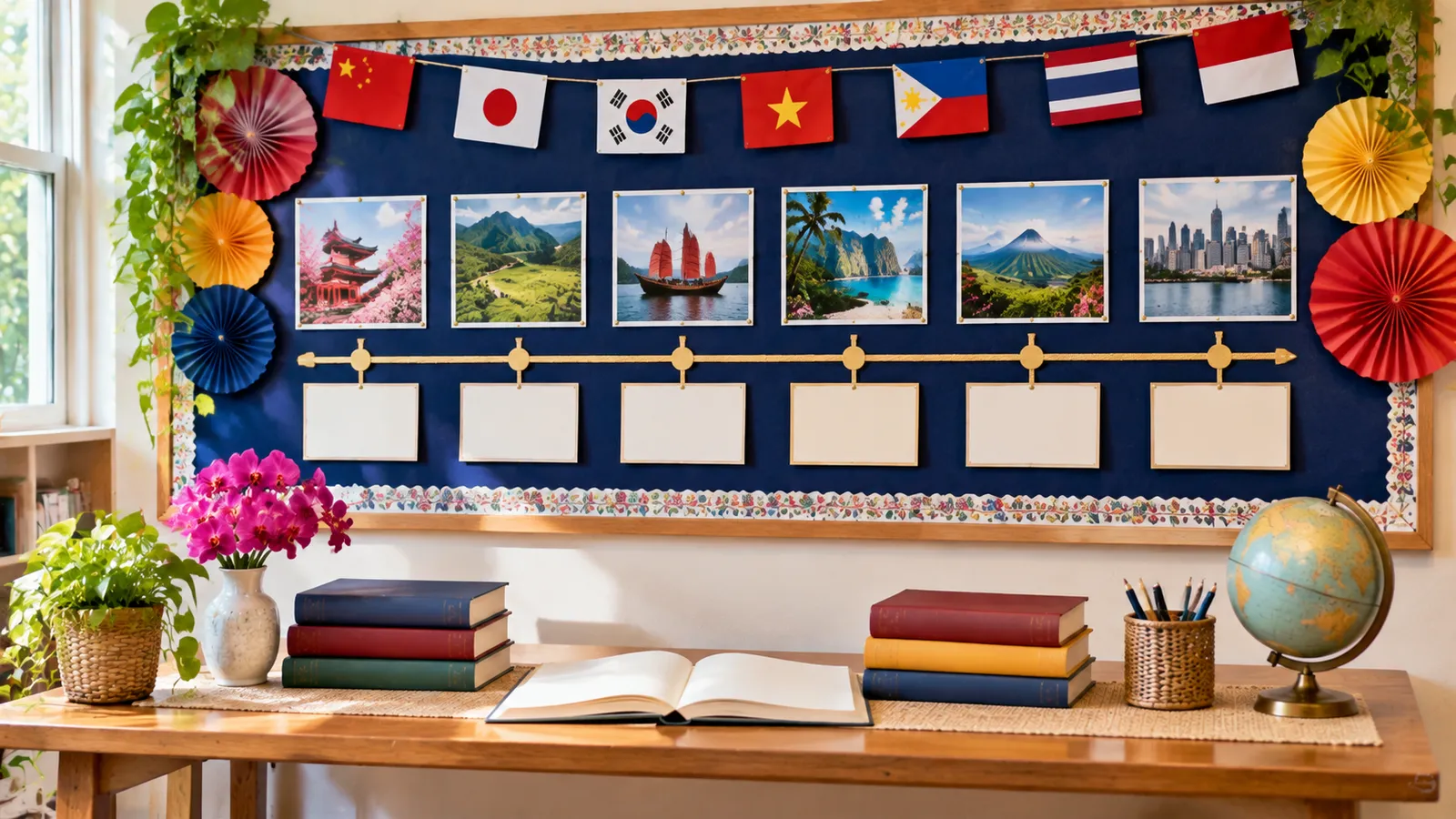
Organize an AANHPI Heritage History Timeline
A history timeline can help children understand important events connected to Asian American, Native Hawaiian, and Pacific Islander communities. Choose a wall or long table where the timeline can be displayed clearly. Start with early migration and settlement, then move through important moments in history, such as cultural contributions, achievements in science and the arts, and changes in civil rights.
Prepare cards with dates, short descriptions, and relevant historical photographs or illustrations. Encourage children to help arrange the cards in order and talk about what they learn. A timeline is a useful learning tool, and it can also lead to conversations about how communities grow and change over time.
Host an AANHPI Authors and Storytelling Day
A storytelling event gives families and communities a chance to enjoy books and stories written by Asian American, Native Hawaiian, and Pacific Islander authors. Choose a selection of stories that are suitable for the audience and cover different themes, such as family life, migration, friendship, and community. Reading aloud can make the stories feel more personal and engaging.
Set up a comfortable reading area with chairs, cushions, and a small table for books. Invite family members, teachers, or community members to take turns reading. After each story, allow time for questions and discussion. A storytelling day can be a relaxed and enjoyable way to celebrate culture and encourage a love of reading.
Decorate a Space With AANHPI Heritage Month Displays
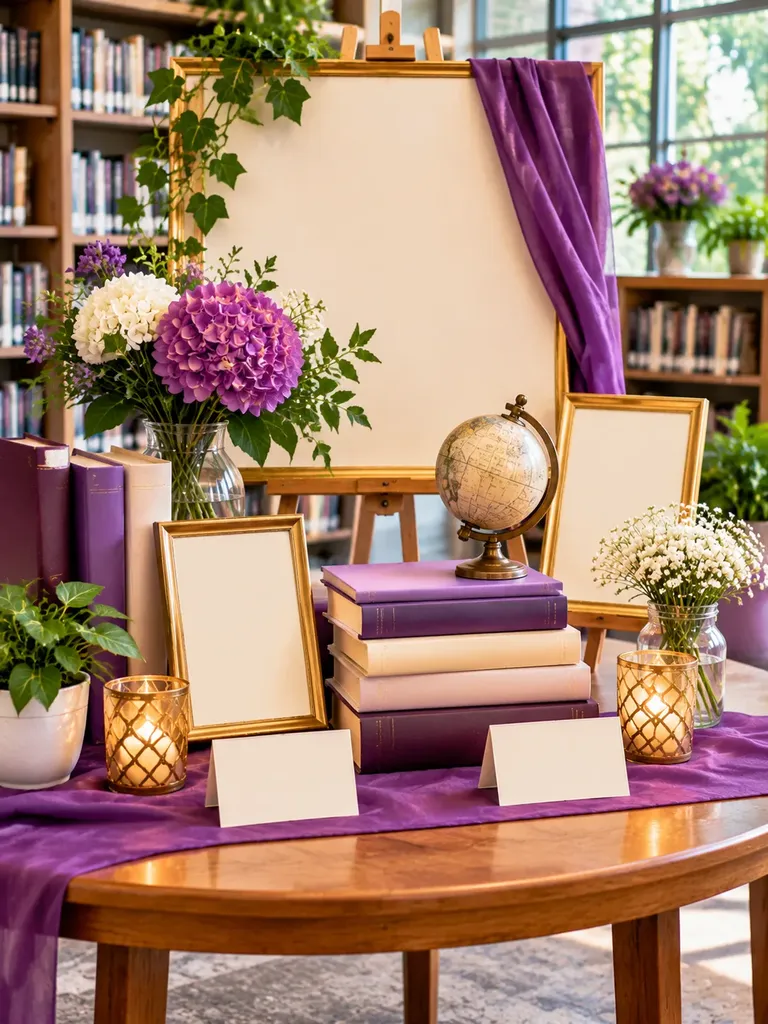
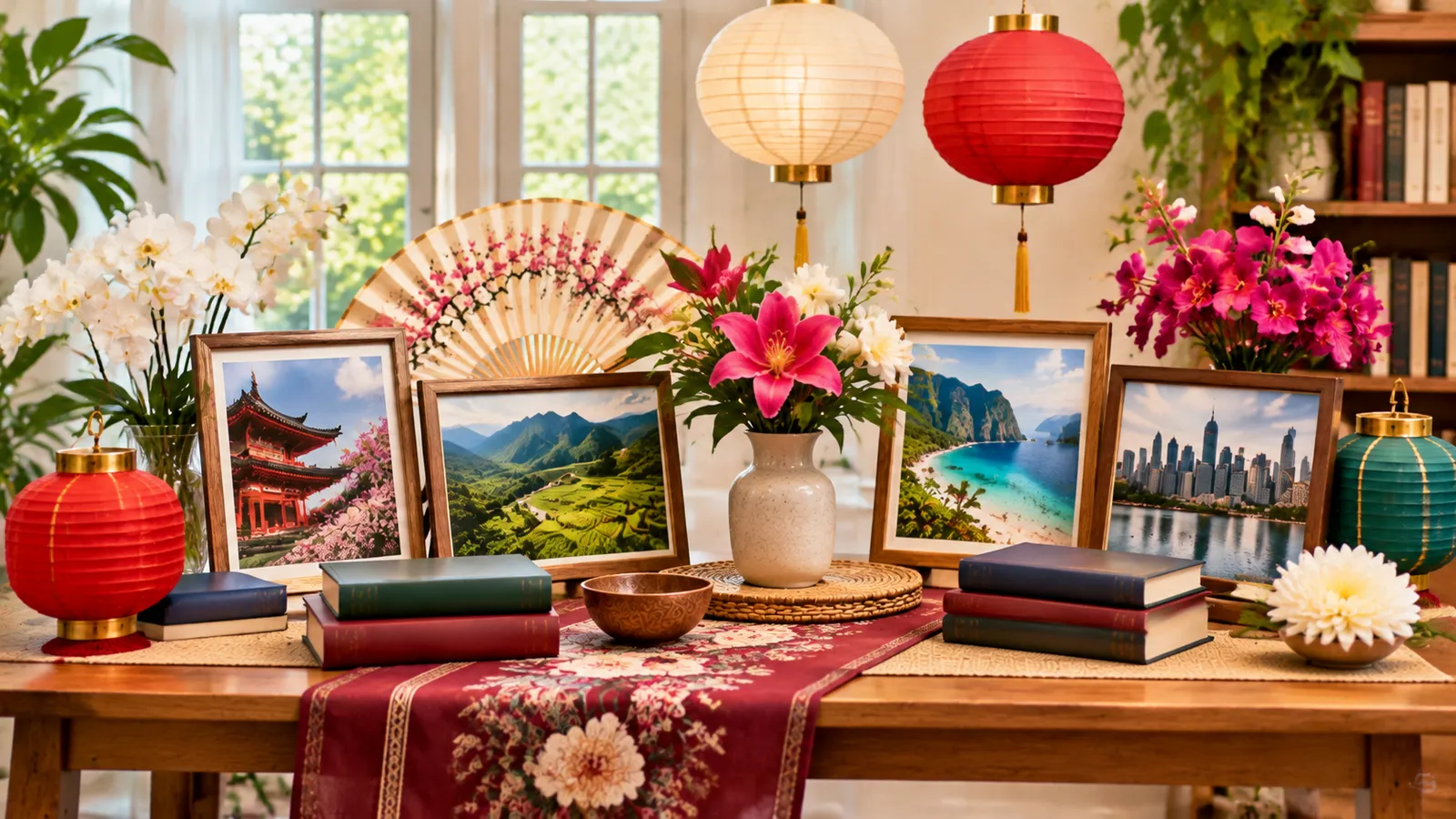
Thoughtful decorations can make a heritage month gathering feel welcoming while helping visitors learn more about AANHPI cultures. Use a display table with books, artwork, photographs, and information cards. Fresh flowers, fabric, and handmade items can add color and texture without making the space feel crowded or complicated.
Choose a neat arrangement with fresh flowers, simple table decorations, fabric accents, and framed letters or artwork. Avoid using too many items, as a clean and organized display is easier to enjoy. A small sign explaining the purpose of the display can help visitors understand the meaning behind the decorations.
Plan an AANHPI Heritage Month Art Workshop
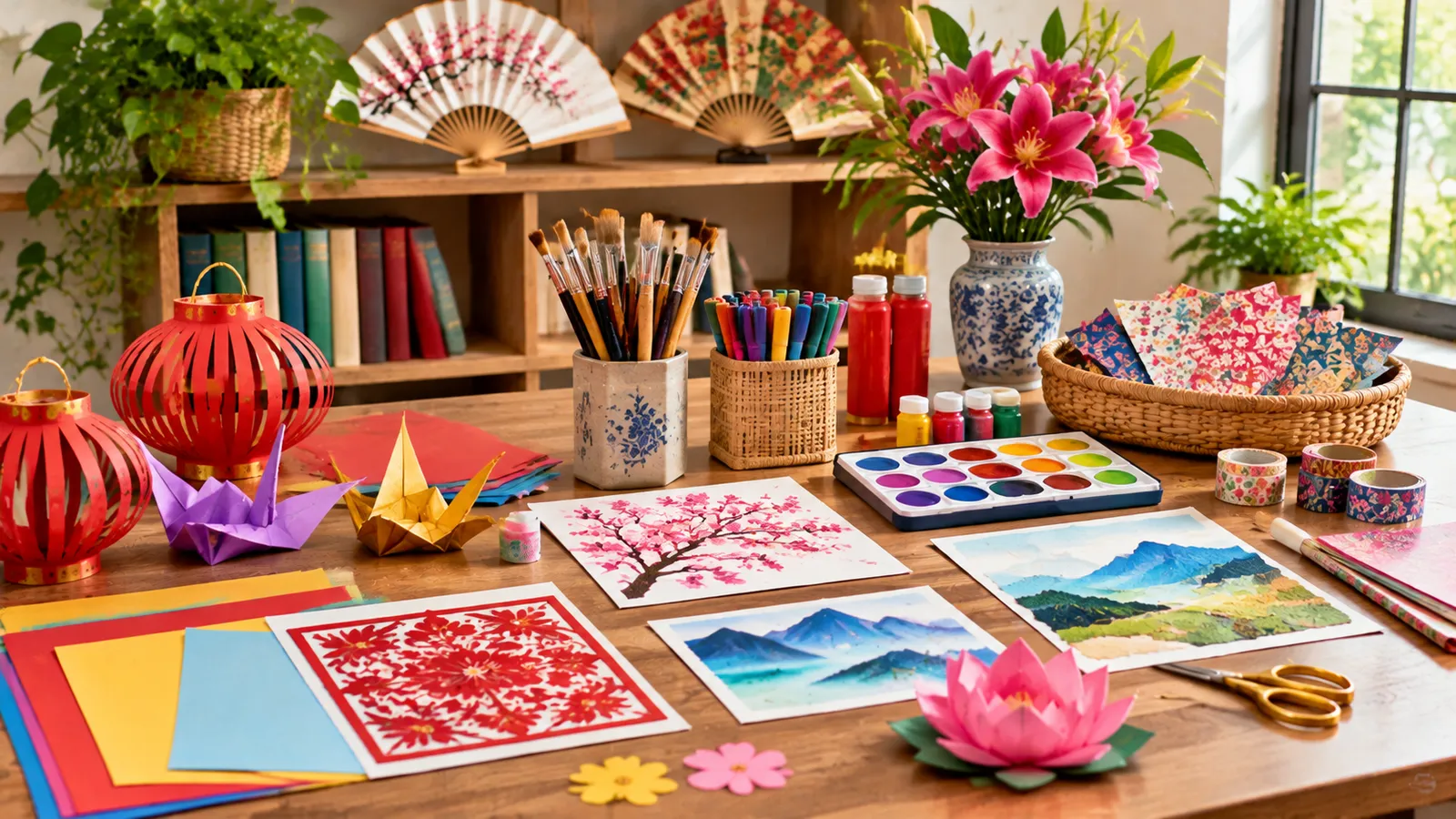
An art workshop is a creative way to explore the work of Asian American, Native Hawaiian, and Pacific Islander artists. Choose a few art forms to focus on, such as calligraphy, paper folding, weaving, printmaking, or traditional patterns. Provide examples of each art form and explain how they are used in different cultures.
Prepare a table with paper, pencils, paint, brushes, markers, and collage materials. Participants can try simple techniques and create their own artwork to take home. An art workshop is suitable for children and adults, and it encourages creativity while helping people learn about different artistic traditions.
Arrange an AANHPI Cultural Food Gathering
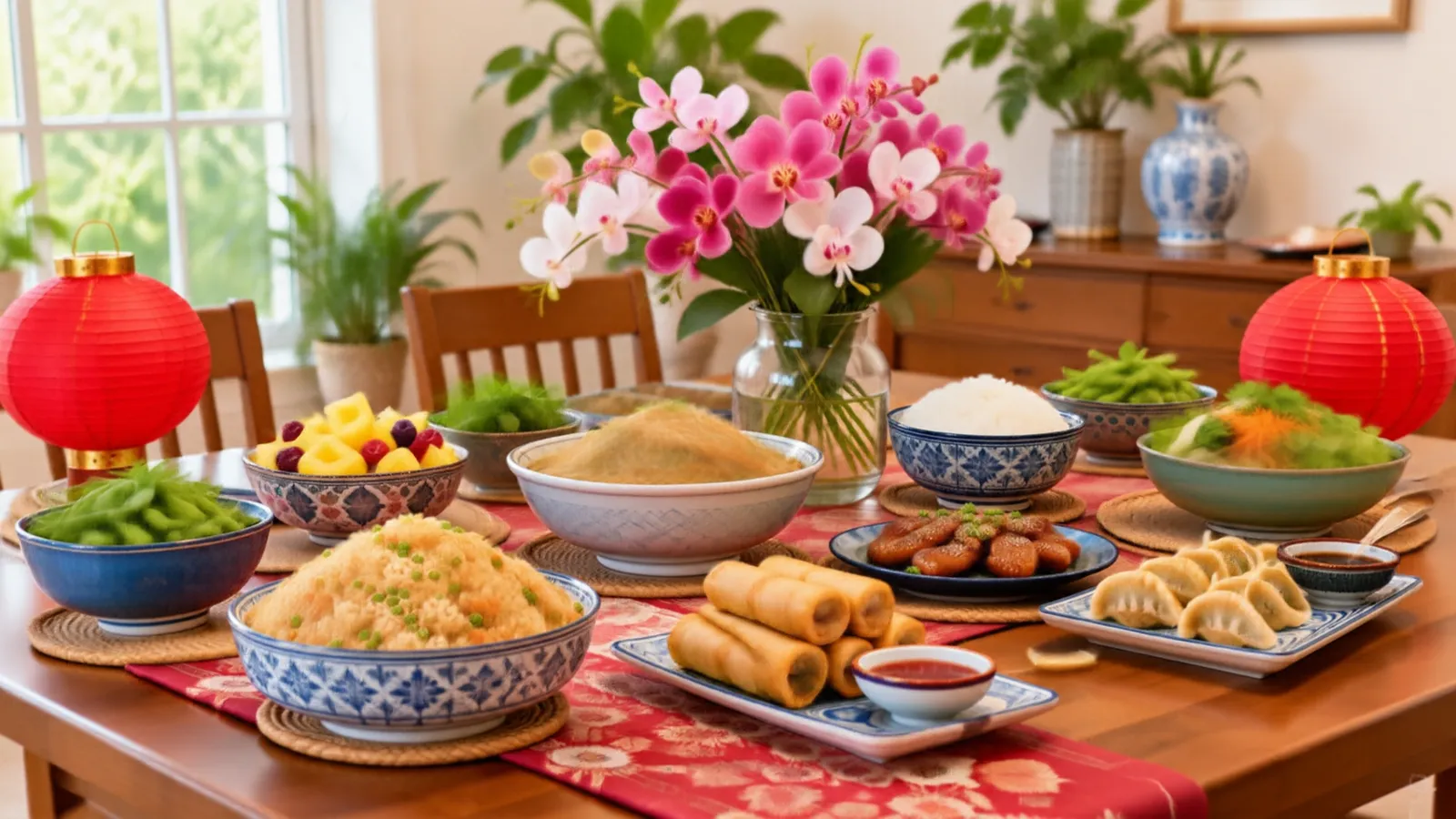
Food is a wonderful way to bring people together and start conversations about family traditions and cultural heritage. Plan a simple gathering where families can share dishes from Asian American, Native Hawaiian, and Pacific Islander cultures. Choose recipes that are easy to prepare and suitable for the group, and include a mix of sweet and savory options.
Invite participants to bring a favorite dish if they feel comfortable doing so. You can place small cards beside each dish with the name of the food and a short description of its origin. A food gathering is a relaxed way to celebrate culture, try new flavors, and learn about the traditions behind different dishes.
Create an AANHPI Inventors and Innovators Discovery Table
A discovery table can introduce children to Asian American, Native Hawaiian, and Pacific Islander inventors, scientists, and innovators. Choose a few people to feature and display short biographies, photographs, and examples of their work. The table can also include simple science activities that relate to their inventions or discoveries.
Add simple hands-on activities that connect with the subjects being explored. Children might build a simple model, try a science experiment, or complete a puzzle related to the inventor's work. A discovery table encourages curiosity and helps children understand how innovation can make a difference in everyday life.

Organize an AANHPI Music and Dance Appreciation Session
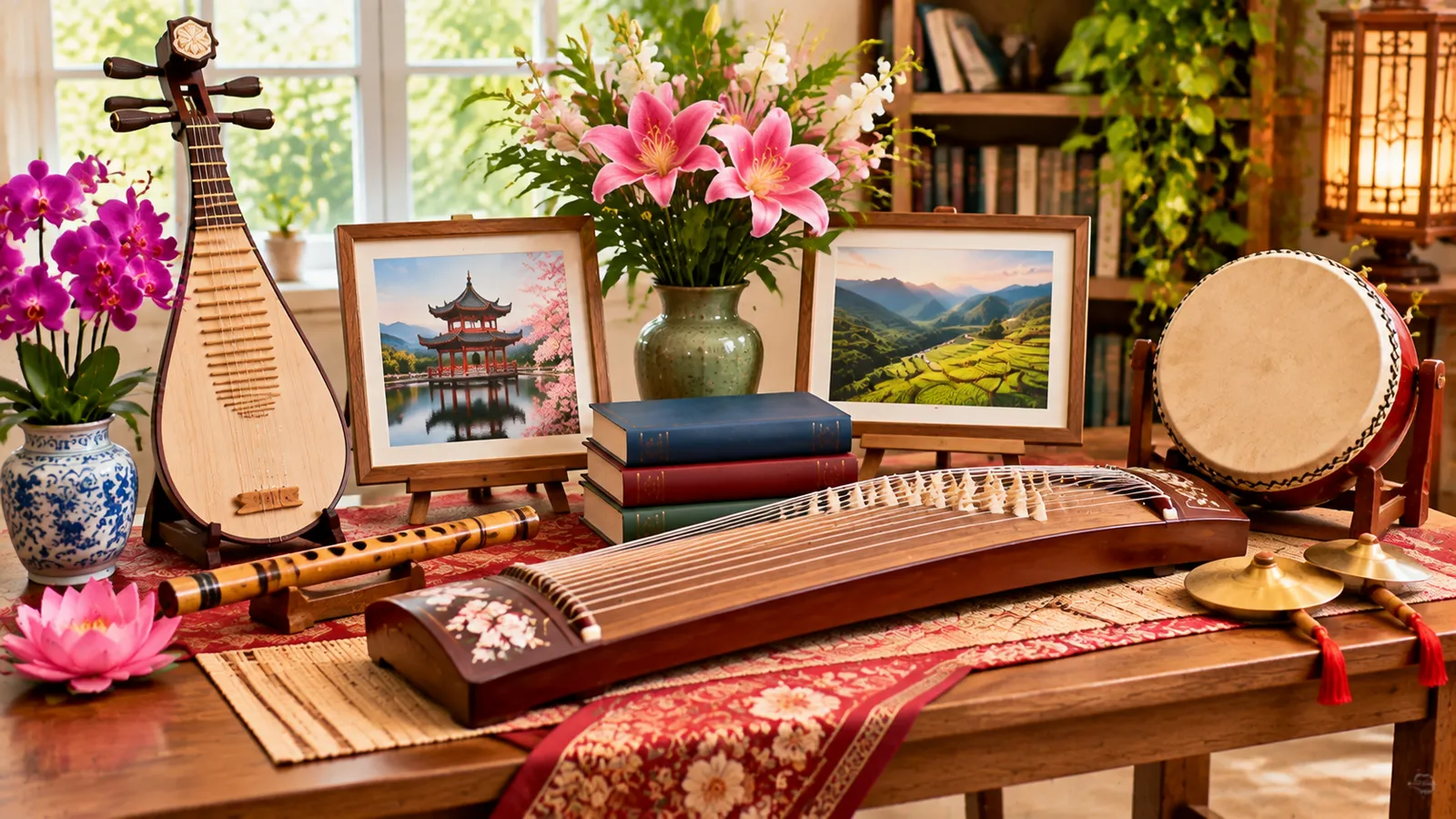
Music and dance are important parts of many Asian American, Native Hawaiian, and Pacific Islander cultures. Organize a session where families can listen to traditional and modern music, watch dance performances, or learn about different instruments. Choose a selection of music that represents different cultures and styles, and provide some background information about each piece.
Prepare a listening station or organize a short presentation with recordings and background information. If possible, invite a local musician or dancer to share their knowledge and perform for the group. A music and dance session can be a joyful way to celebrate culture and learn about the traditions that shape different communities.
Set Up an AANHPI Heritage Month Family Craft Activity
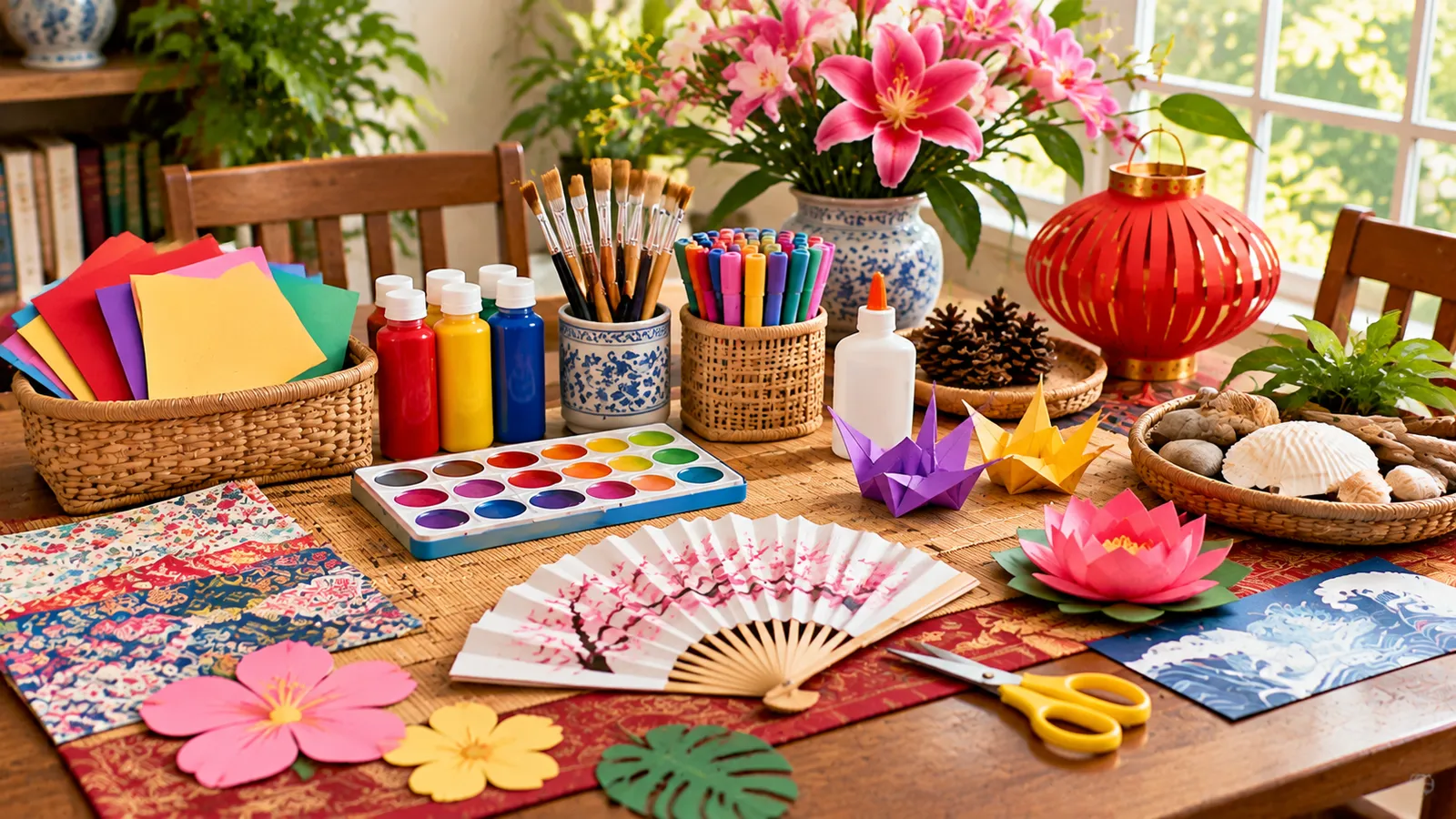
Craft activities can help children explore cultural art forms while using their creativity. Choose projects that are simple and suitable for different ages, such as paper lanterns, fans, woven patterns, or decorative banners. Provide clear instructions and examples so children can follow along easily.
Prepare materials such as colored paper, markers, safe scissors, glue, paint, and natural craft supplies. Set up a table where families can work together and share ideas. A craft activity is a good way to spend time together while learning about different cultural traditions in a hands-on way.
Host an AANHPI Heritage Month Family Discussion Night
A family discussion night can help children and adults learn about AANHPI history and experiences together. Choose a topic to discuss, such as immigration, cultural identity, or contributions to American society. Prepare a few simple questions to start the conversation and encourage everyone to share their thoughts.
Children should feel comfortable asking questions, even when they are learning about a subject for the first time. Keep the discussion friendly and open, and avoid putting anyone on the spot. A family discussion night can help children develop a better understanding of different cultures and the importance of respect and inclusion.
Create an AANHPI Heritage Month Community Photo Gallery
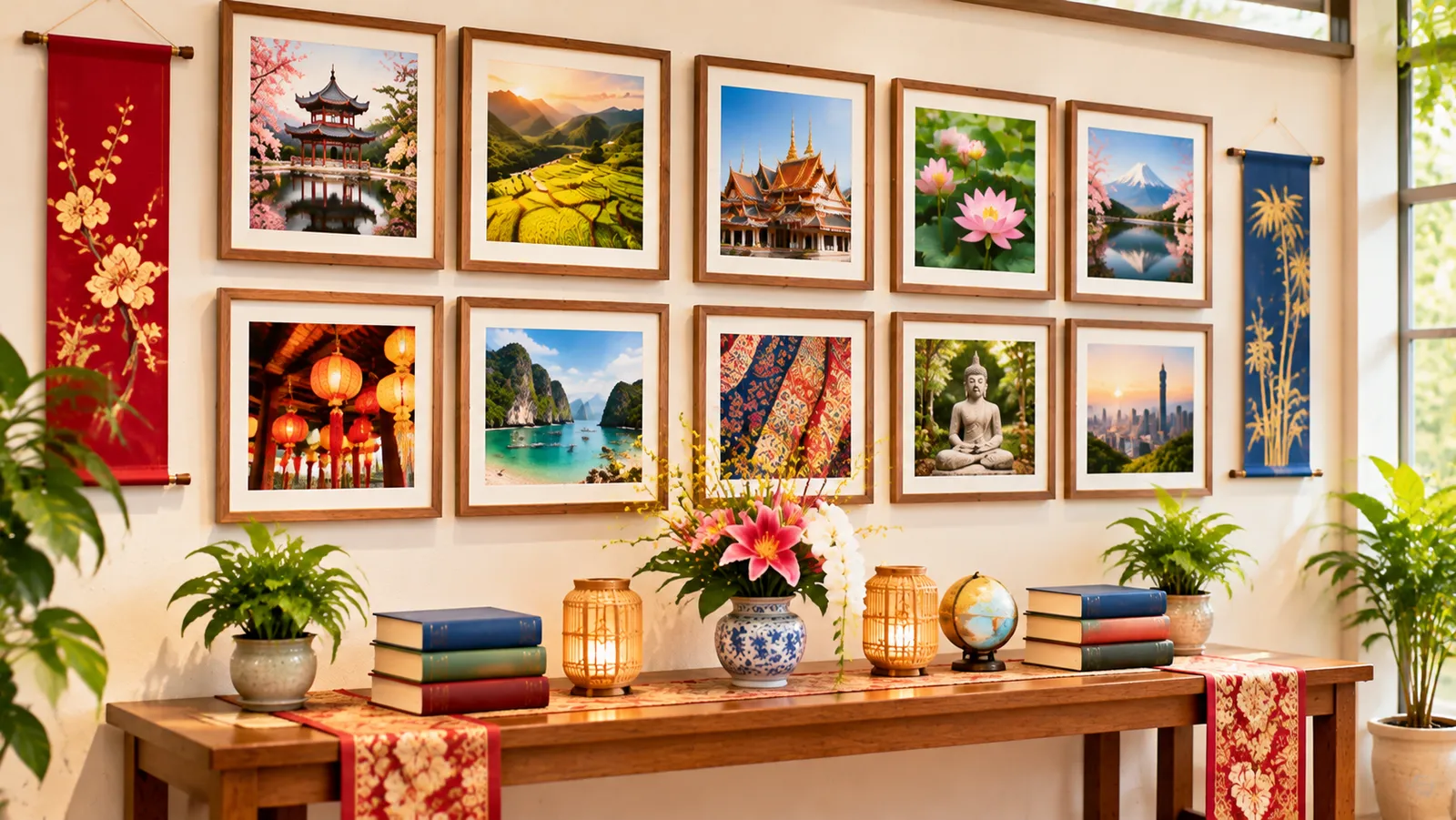
A community photo gallery can bring history and cultural stories to life through photographs, portraits, and family memories. Ask families and community members to share photographs that show their heritage, traditions, or everyday life. Display the photographs on a wall or table with short captions explaining what each image shows.
If possible, invite local residents to contribute photographs or stories about their families and communities. A photo gallery can help people connect with the past and understand how different cultures have shaped the local area. It is also a good way to encourage people to share their own stories and experiences.
Arrange an AANHPI Heritage Month Book Exchange
A book exchange is an easy way to encourage more reading during AANHPI Heritage Month. Ask families, friends, or community members to bring a book by an Asian American, Native Hawaiian, or Pacific Islander author to share. Set up a table where books can be displayed and exchanged, and provide a list of recommended titles for different age groups.
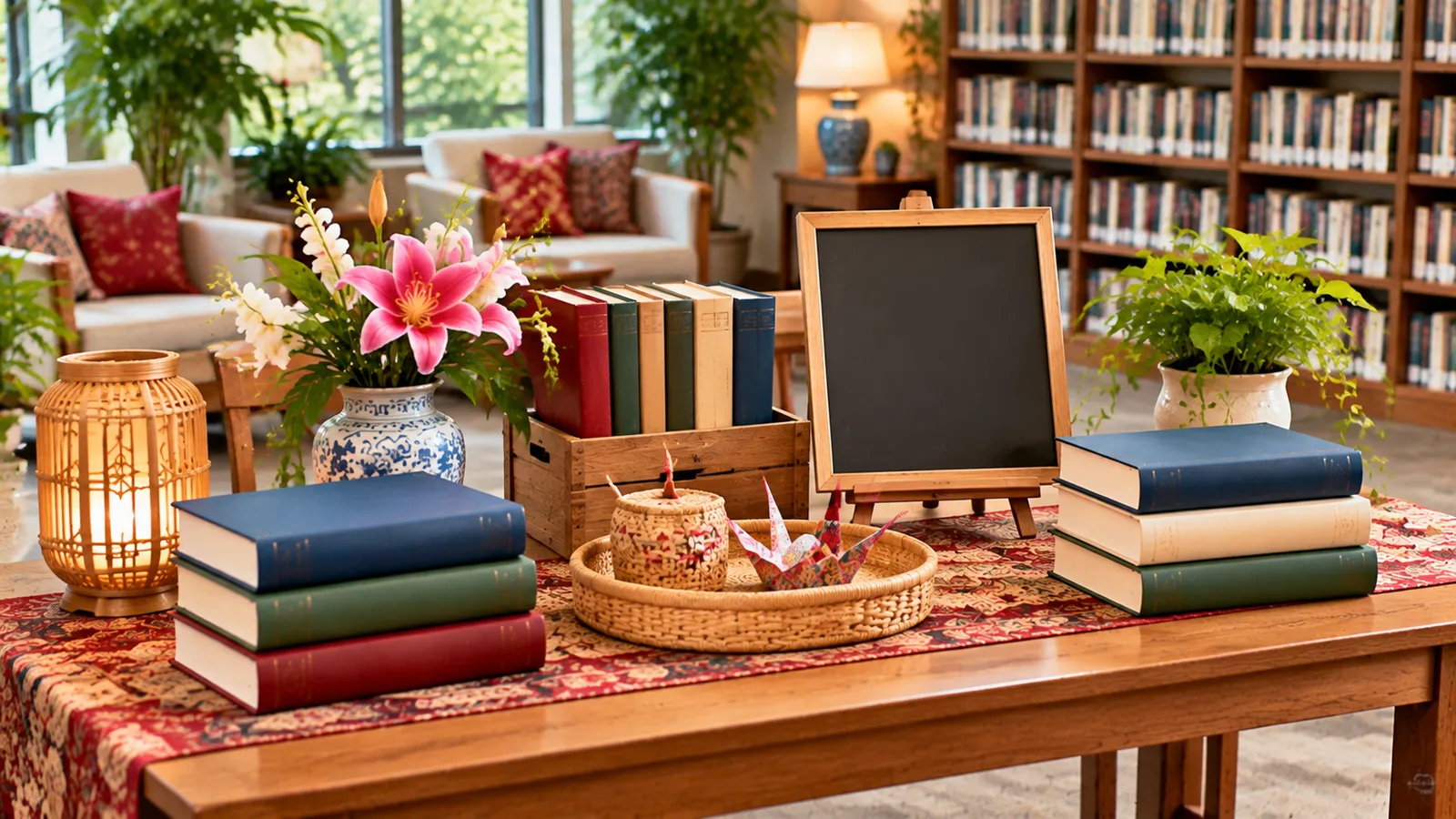
Arrange the books by age group or subject so visitors can find something that interests them. Set up a comfortable reading area nearby where people can sit and look through the books. A book exchange is a simple way to discover new authors and stories while encouraging a love of reading.
Organize an AANHPI Heritage Month Community Learning Event
A community learning event can bring together families, students, educators, local organizations, and cultural groups. Plan a program with short talks, workshops, performances, and displays that highlight AANHPI history and culture. Choose topics that are interesting and relevant to the local community, and invite speakers who can share their knowledge and experiences.
Try to include different age groups and interests so more people can take part. A children's activity area, a food tasting table, and a display of cultural artifacts can make the event more engaging. A community learning event is a good way to celebrate AANHPI Heritage Month while building connections between different groups.
Make AANHPI Heritage Learning a Year-Round Tradition
AANHPI Heritage Month is an important time to recognize history and cultural contributions, but learning should continue throughout the year. Families can keep reading books by AANHPI authors, visiting museums and cultural events, and learning about different traditions. Schools can also include AANHPI history in their lessons all year round.
Schools, libraries, and community groups can also continue their reading programs, displays, and educational activities beyond May. By making learning a regular part of everyday life, families and communities can develop a deeper understanding of AANHPI cultures and contributions. A year-round approach helps ensure that the lessons of heritage month are not forgotten.
Frequently Asked Questions
When is Asian American, Native Hawaiian and Pacific Islander Heritage Month celebrated?
Asian American, Native Hawaiian and Pacific Islander Heritage Month is celebrated every May in the United States. The month was chosen to mark two important events: the arrival of the first Japanese immigrants in May 1843, and the completion of the transcontinental railroad in May 1869.
What are some fun AANHPI Heritage Month activities for families?
Families can read books by AANHPI authors, prepare a cultural meal, create artwork, explore a history timeline, visit a museum, or take part in a community event. Simple activities such as a reading corner, craft project, or family discussion can also make the month meaningful.
How can schools celebrate Asian American, Native Hawaiian and Pacific Islander Heritage Month?
Schools can organize educational displays, reading sessions, history projects, cultural art activities, and community learning events. Teachers can also include books by AANHPI authors in their lessons and invite guest speakers to share their experiences.
Why is AANHPI Heritage Month important?
AANHPI Heritage Month helps people recognize the diverse histories, cultures, experiences, and contributions of Asian American, Native Hawaiian, and Pacific Islander communities. It encourages learning, respect, and inclusion, and helps build stronger communities.
Related Ideas
15 New Year's Day Celebration Ideas for a Fresh Start
15 Martin Luther King Jr. Day Celebration Ideas for Families
15 Presidents' Day Celebration Ideas for Families
15 Memorial Day Celebration Ideas to Honor and Remember
15 Juneteenth Celebration Ideas for Families and Friends
15 Fourth of July Celebration Ideas for a Festive Day
15 Labor Day Celebration Ideas for a Fun Holiday Weekend
15 Columbus Day Celebration Ideas for Families
15 Indigenous Peoples' Day Celebration Ideas for Families
15 Veterans Day Celebration Ideas for Families and Friends
15 Thanksgiving Day Celebration Ideas for Families
15 Christmas Day Celebration Ideas for Families
15 Inauguration Day Celebration Ideas for Families
15 Flag Day Celebration Ideas for Families
15 Constitution Day Celebration Ideas for Families
15 Patriot Day Remembrance Ideas for Families
15 Pearl Harbor Remembrance Day Ideas for Families
15 National Day of Prayer Ideas for Families
15 National Night Out Ideas for Families and Neighbors
15 Black History Month Celebration Ideas for Families
15 Women's History Month Event Ideas for All Ages