15 Native American Heritage Month Celebration Ideas
Native American Heritage Month is observed every November in the United States. It is a time to recognize the history, culture, and contributions of Native American people. Families, schools, libraries, and communities use the month to learn, share stories, and explore the traditions and achievements of Native nations across the country.
There are many thoughtful ways to observe the month at home, in classrooms, and in community spaces. Simple activities such as reading books by Native authors, setting up a display, or visiting a museum can help children learn in a meaningful way. Small gatherings, family discussions, and school projects can also create space for learning and reflection. If you are looking for Native American Heritage Month celebration ideas, this guide shares 15 practical and respectful options. The ideas are suitable for families, children, teachers, and community groups. They focus on learning, creativity, and shared experiences, and they can be adapted for different ages, settings, and budgets.
Create a Native American Heritage Month Educational Display
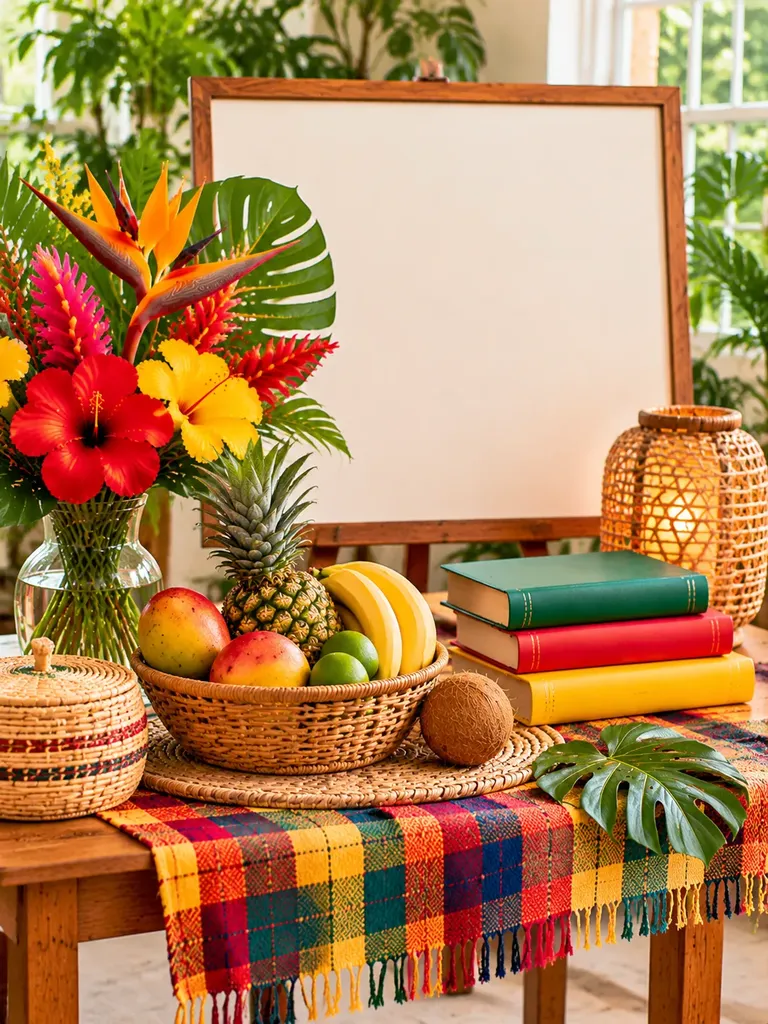
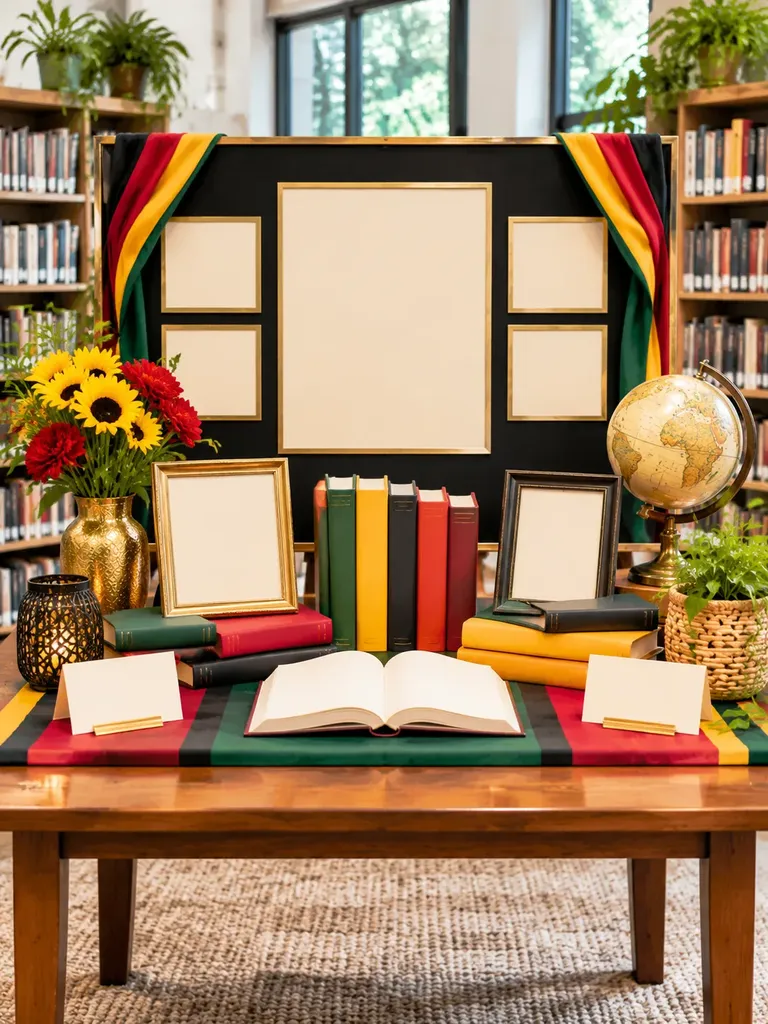
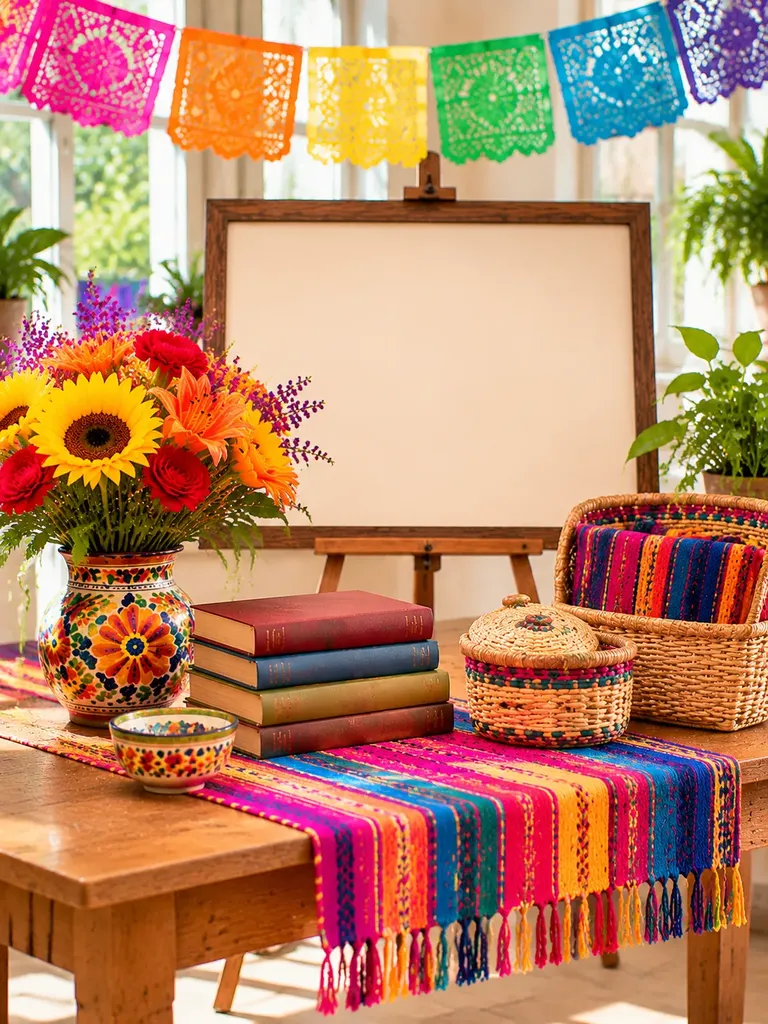
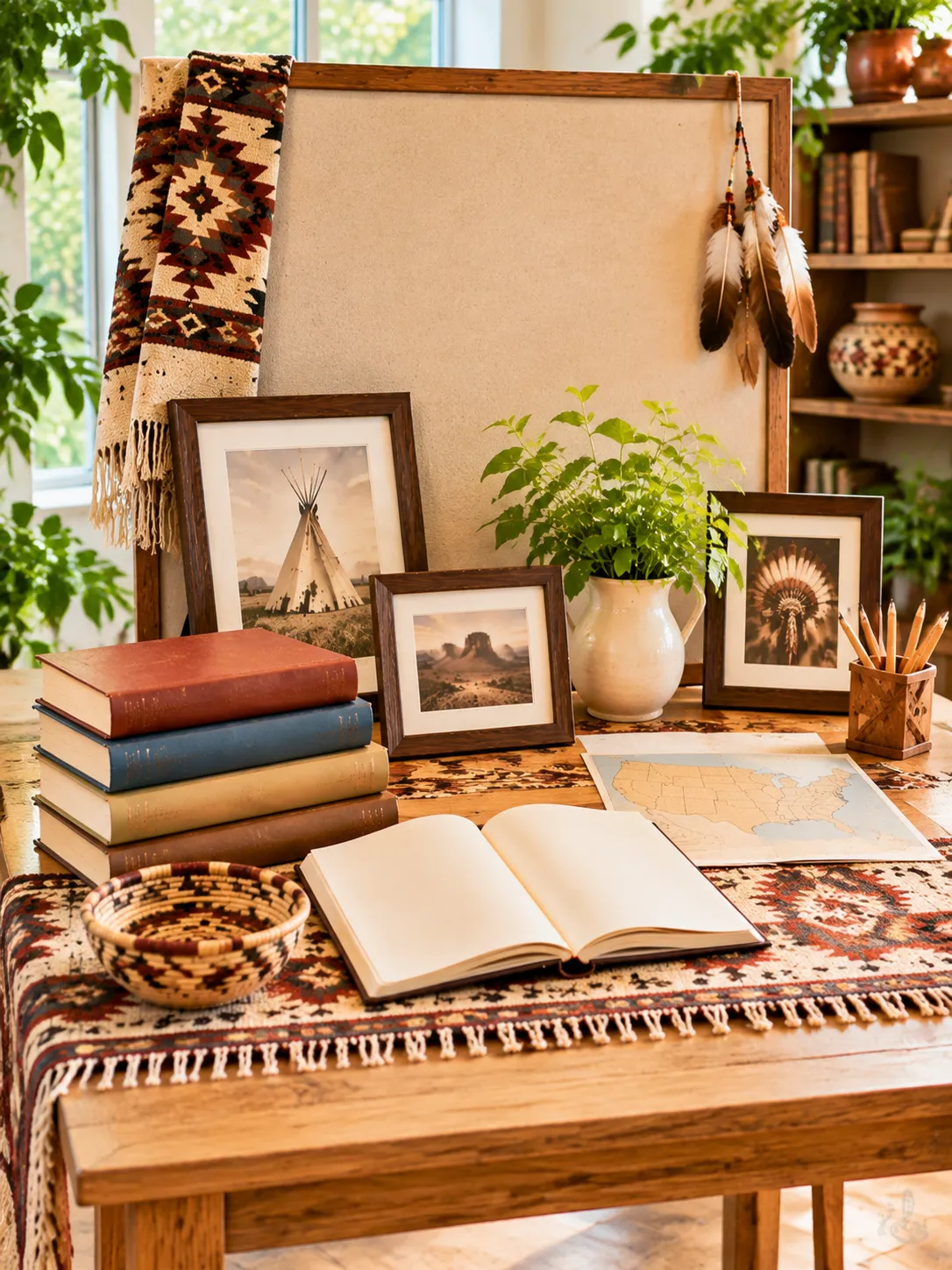
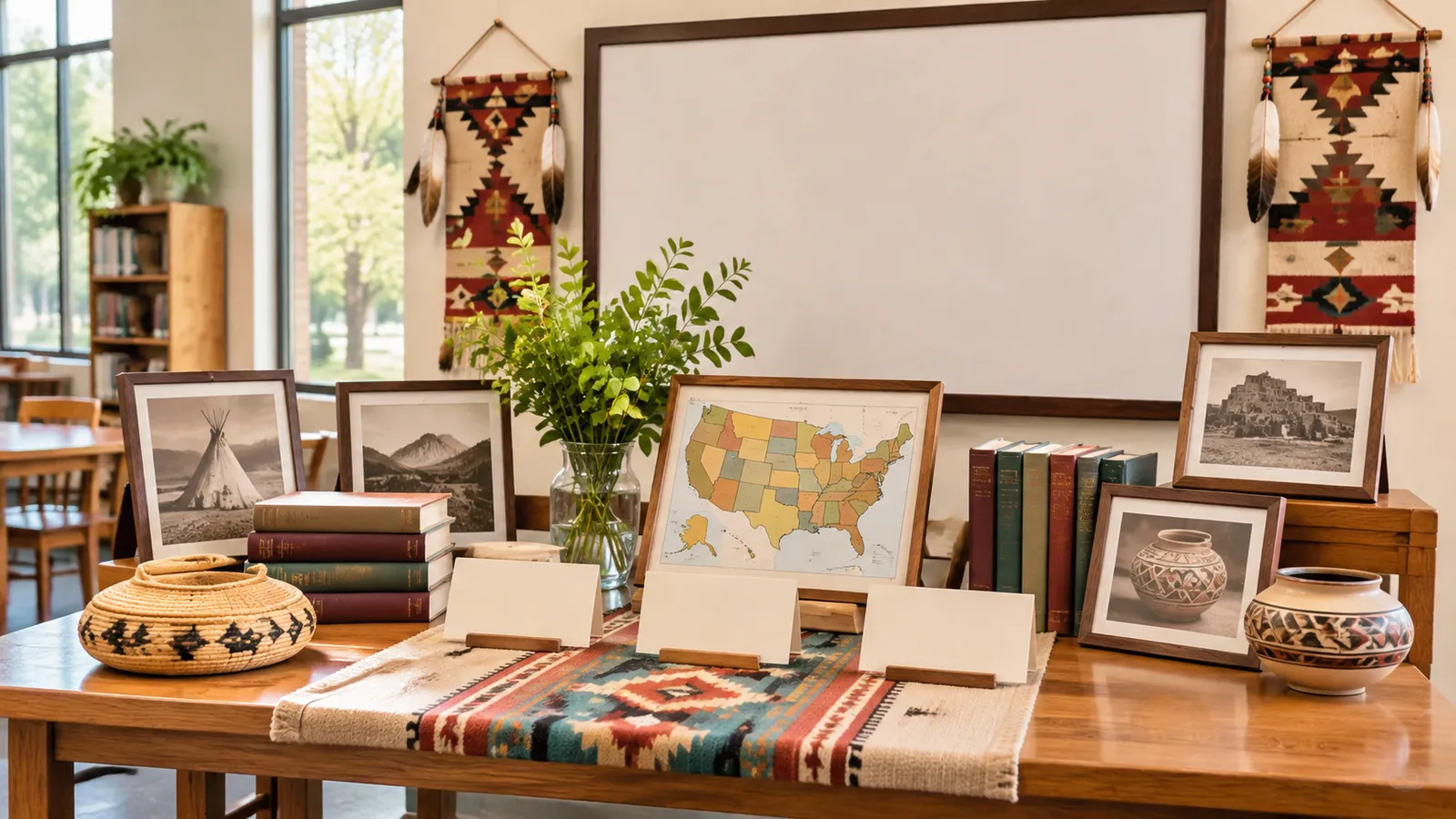
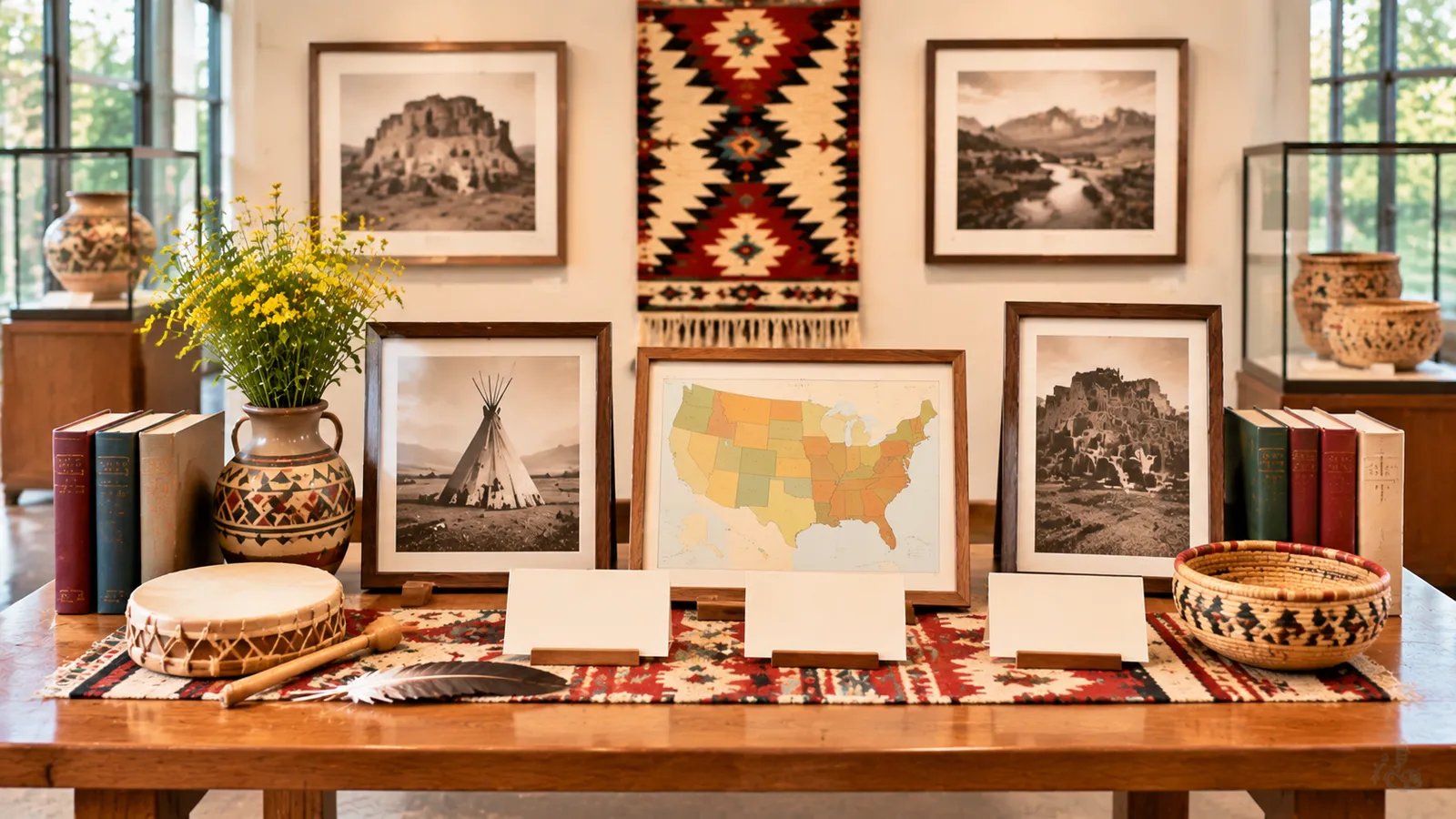
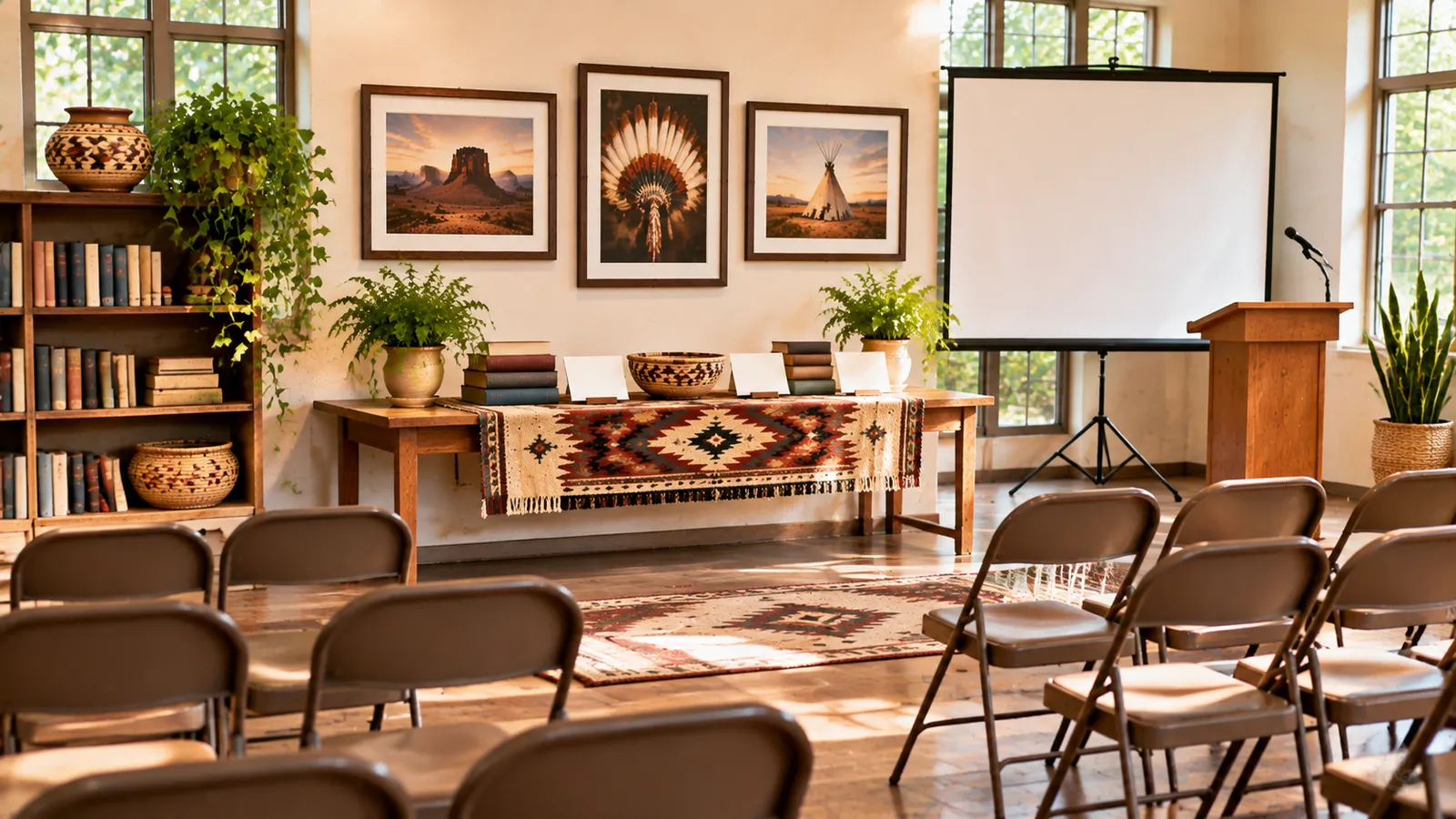
An educational display is a simple way to introduce children and visitors to Native American history and culture. A table, wall, or noticeboard can be used to show maps, photographs, books, and short facts about Native nations, languages, art, and important historical events. Including a variety of topics helps visitors understand that Native American cultures are diverse and have a long history.
Try to include information from several Native nations instead of focusing on just one group. Use reliable sources and add short descriptions that are easy to read and understand. A small collection of books and objects can make the display more interesting and encourage visitors to ask questions and learn more.
Set Up a Reading Corner With Books by Native Authors
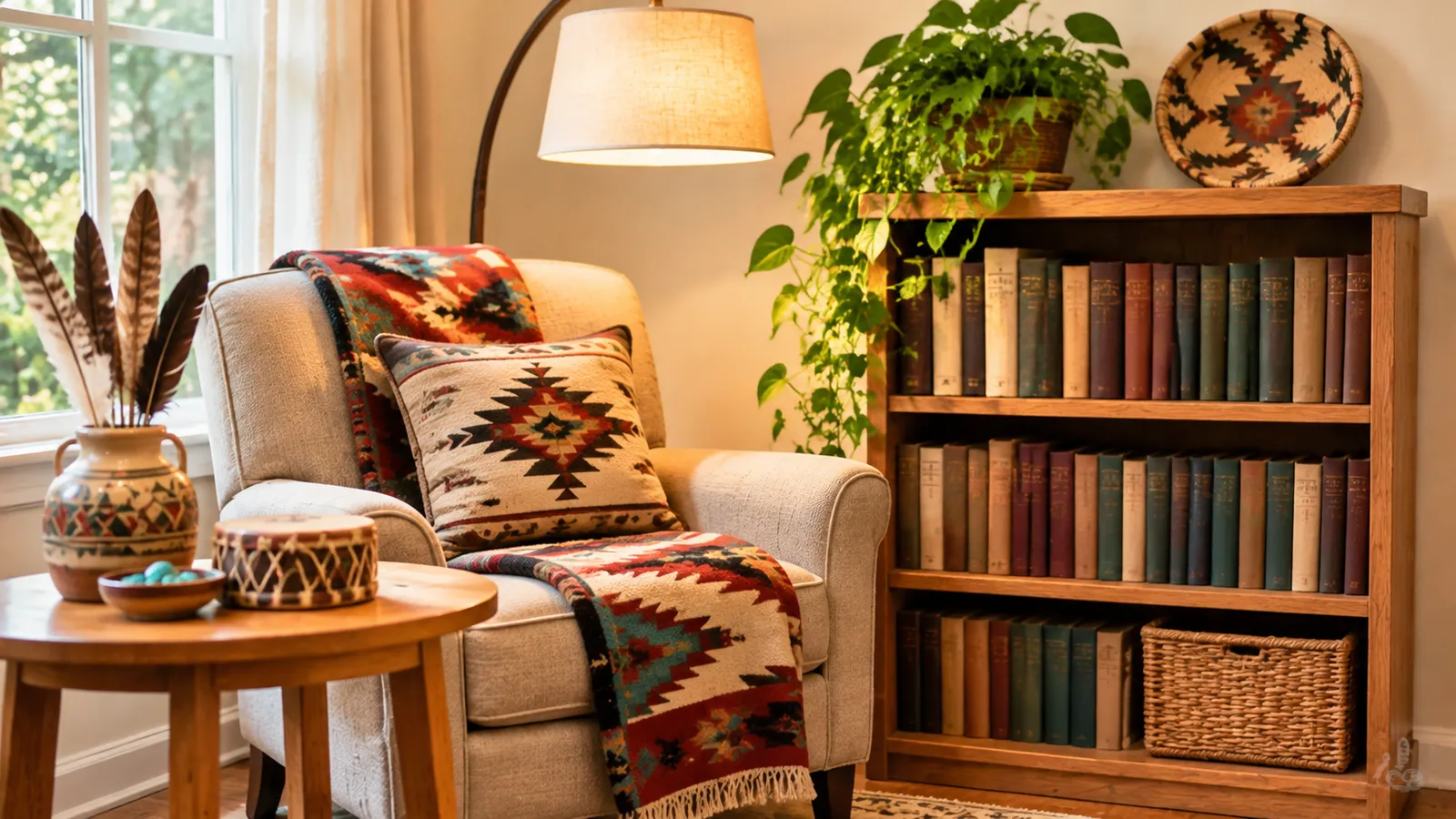
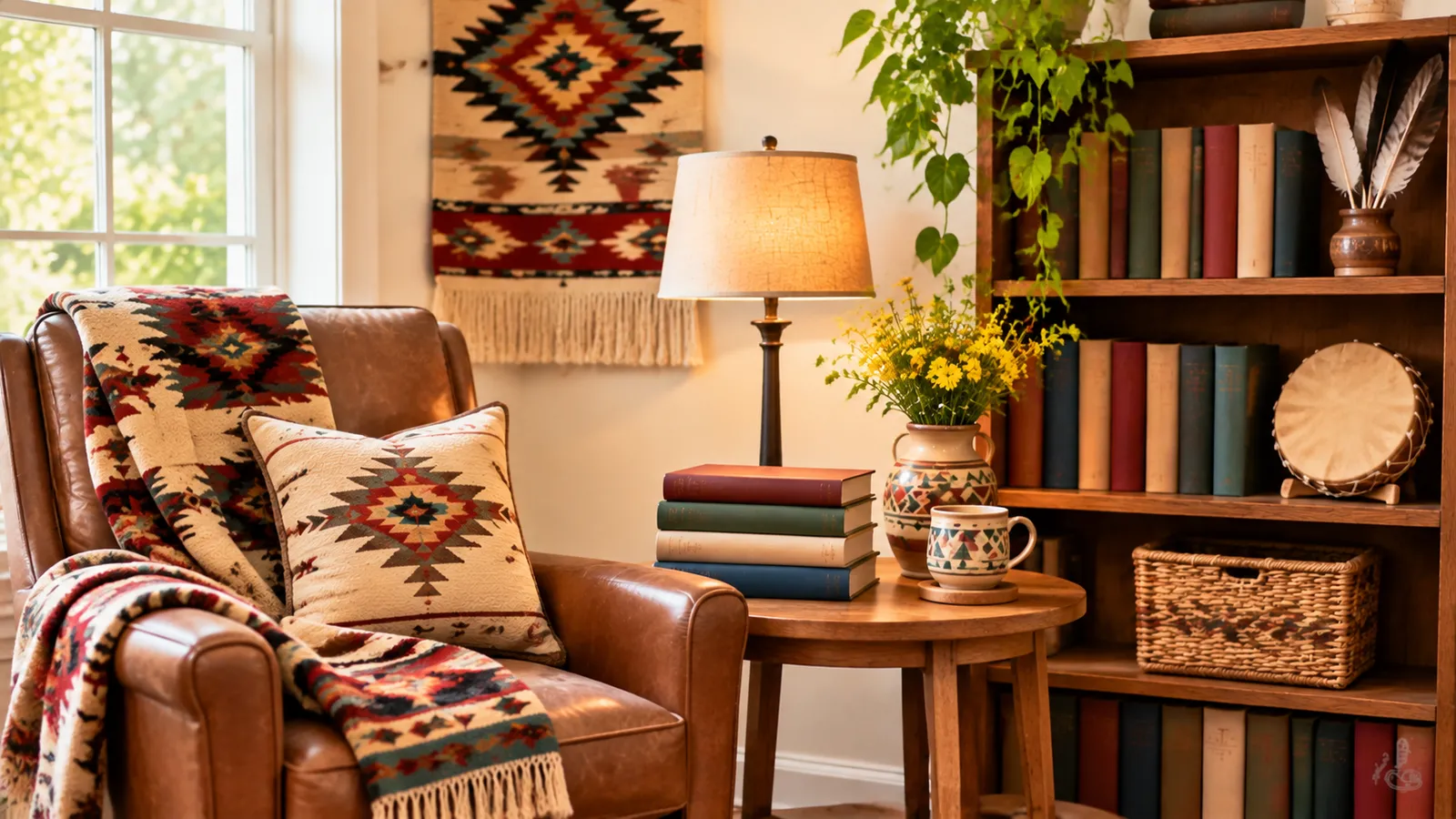
A reading corner is a lovely way to introduce children and adults to Native voices and stories. Choose a quiet corner in a home, classroom, or library and fill it with books written by Native American authors. Include picture books, stories, poetry, and nonfiction titles so readers of all ages can find something they enjoy.
Make the reading space comfortable with cushions, a small bookshelf, a warm lamp, and a soft blanket. A small sign with a list of recommended books can help visitors choose what to read first. The reading corner can stay open throughout November, giving everyone plenty of time to explore new stories.
Learn About the Native Nation Connected to Your Area
One meaningful way to observe Native American Heritage Month is to learn about the tribal nations connected to your local area. Many families do not know which Native nations lived on or continue to live in the land where they live now. Learning about local history can make the month feel more personal and relevant.
Create a simple learning page with the name of the nation, its official website, and a few facts shared by the nation itself. You can also visit a local museum, cultural center, or community event to learn more. Always use information from tribal sources or trusted historical resources when sharing facts with children.
Make a Native American History Timeline
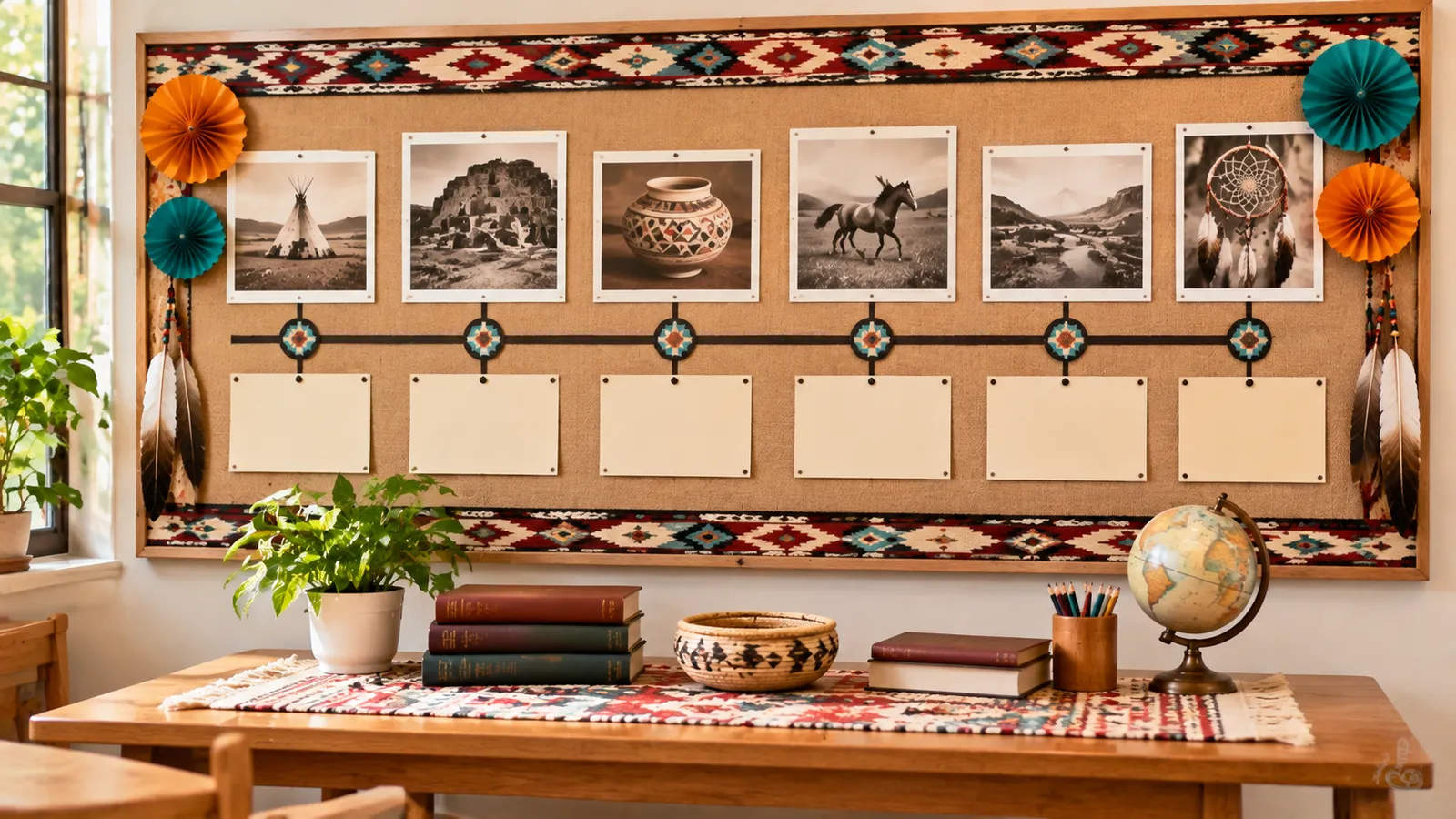
A history timeline can help children understand important events and see how Native American history connects to American history. Choose a wall or long table where the timeline can be displayed clearly. Start with early history, then move through important moments such as treaties, cultural achievements, contributions to art and science, and changes in civil rights.
Prepare cards with dates, short explanations, and photographs or illustrations from reliable historical sources. Encourage children to help arrange the cards in order and talk about what they learn. A timeline is a useful learning tool, and it can also lead to conversations about how communities grow and change over time.
Watch Films and Documentaries by Native Creators
Films and documentaries can help families learn through storytelling, interviews, history, and everyday life. Choose films and documentaries made by Native creators that are suitable for the age of the audience. A short film can be a good starting point for a family discussion or a classroom activity.
Before choosing a film, read its description and check the age rating. After watching, talk about what stood out and what you learned. A film night can be a relaxed way to learn together, and it can also introduce children to Native voices and perspectives they may not have heard before.
Organize a Native American Authors and Storytelling Day
A storytelling day can bring families, students, and community members together around books and stories written by Native authors. Choose a selection of stories that are suitable for the audience and cover different themes, such as family life, community, nature, and history. Reading aloud can make the stories feel more personal and engaging.
Set up a comfortable reading area with chairs, cushions, and a small table for the books. Invite family members, teachers, or community members to take turns reading. After each story, allow time for questions and discussion. A storytelling day can be a relaxed and enjoyable way to celebrate culture and encourage a love of reading.
Plan a Native American Heritage Month Art Appreciation Activity
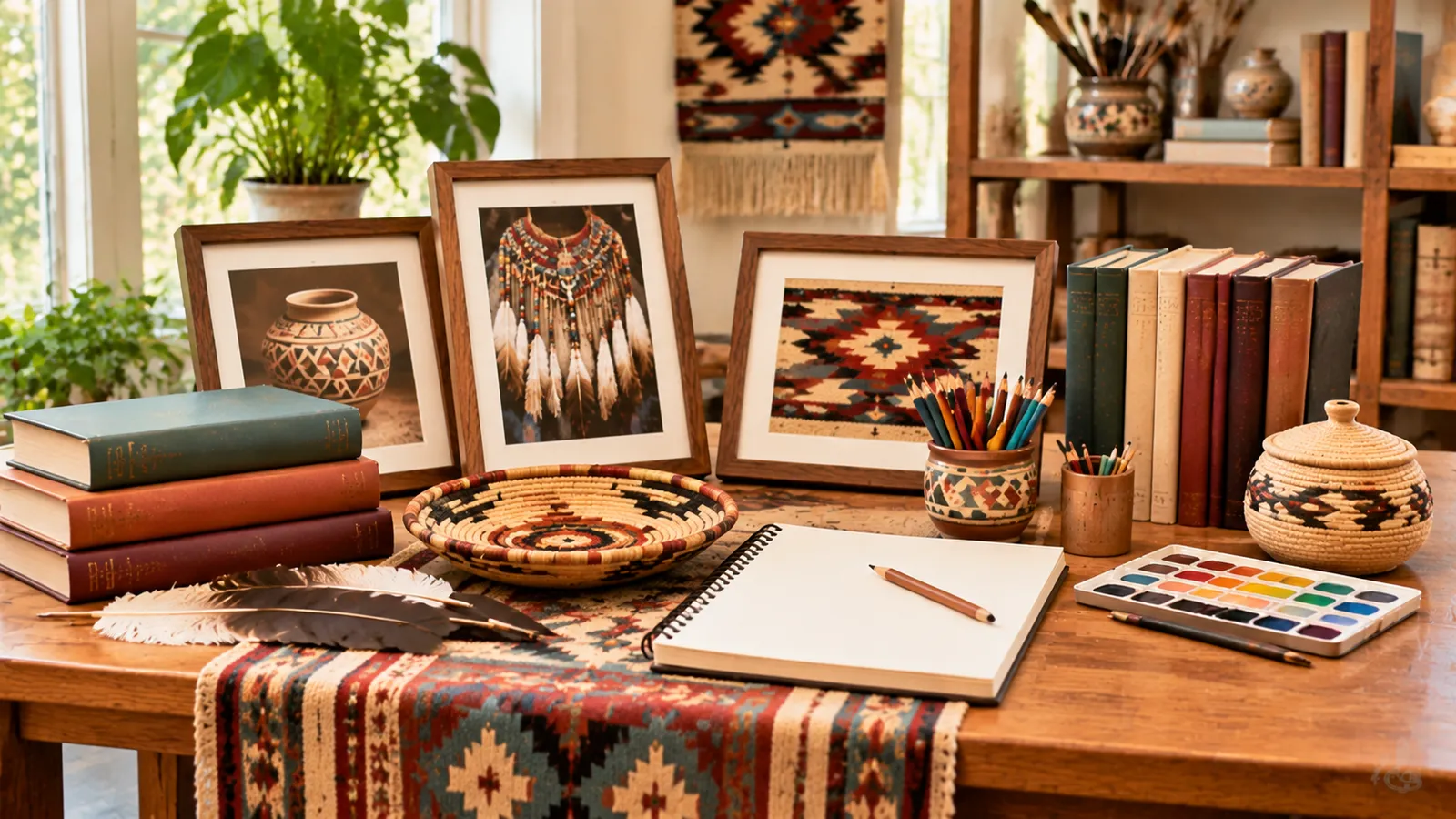
Art can help children explore the creativity and achievements of Native artists. Choose a few Native artists to learn about and look at their work together. Talk about the materials, colors, and stories behind the art, and discuss how art is connected to culture and community life.
Set up a small art appreciation table with books, artist biographies, photographs of artwork, sketchbooks, and drawing materials. Children can make their own artwork inspired by what they have seen, using simple materials such as paper, pencils, and paint. The activity should focus on learning and appreciation rather than copying traditional designs.
Explore Native American History at a Museum or Cultural Center
A visit to a museum or Native cultural center can make learning more memorable. Look for exhibitions about Native history, art, and contemporary life, and check whether the museum offers family activities, guided tours, or educational programs. A visit can help children see real objects and learn from people who share their knowledge and experience.
Before visiting, check the museum's website for opening hours, family activities, and any visitor guidelines. Talk with children before and after the visit about what they saw and what they learned. A museum visit is a good way to spend time together while learning about Native history and culture in a respectful setting.
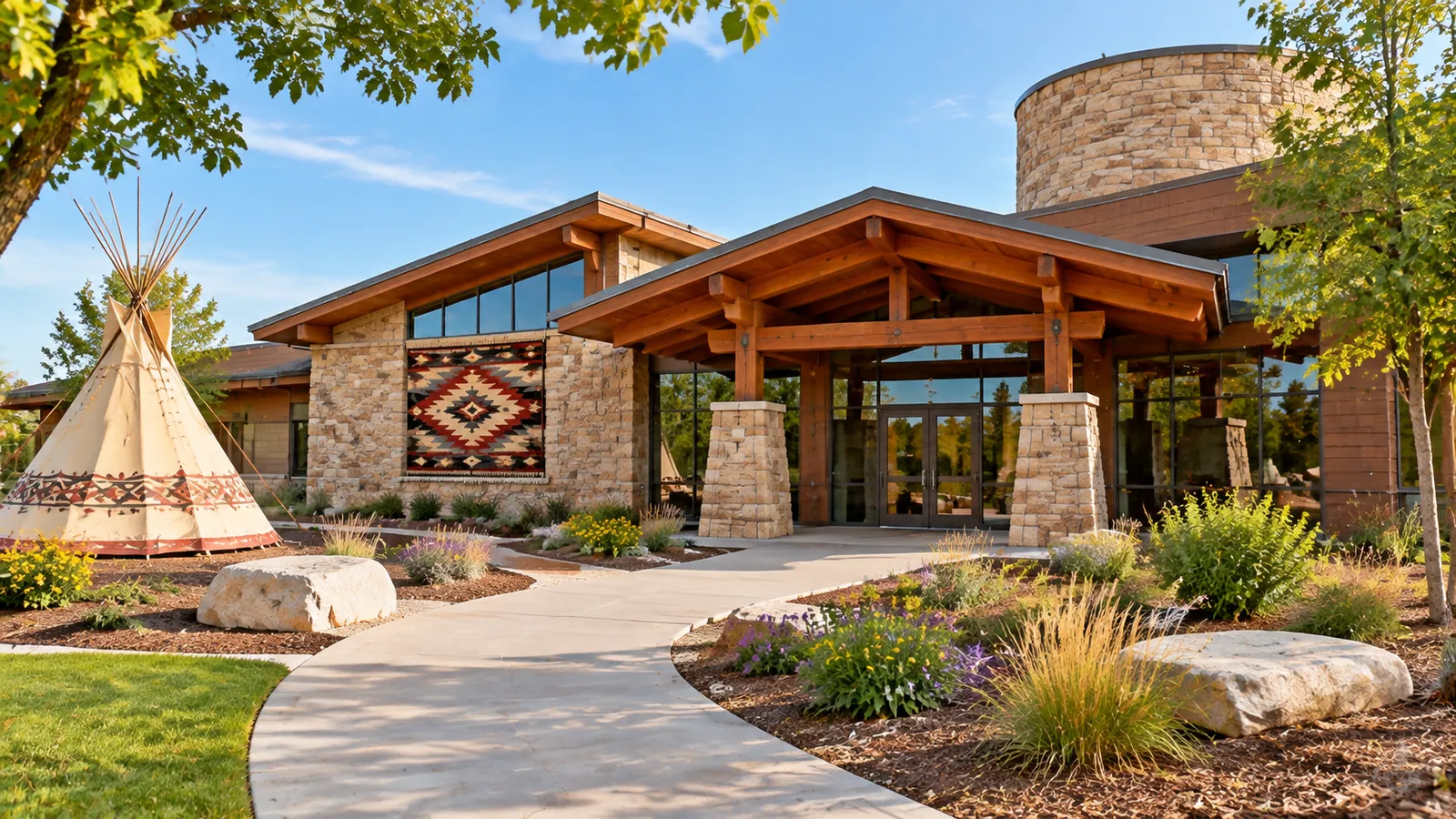
Prepare a Native American Heritage Month Learning Table
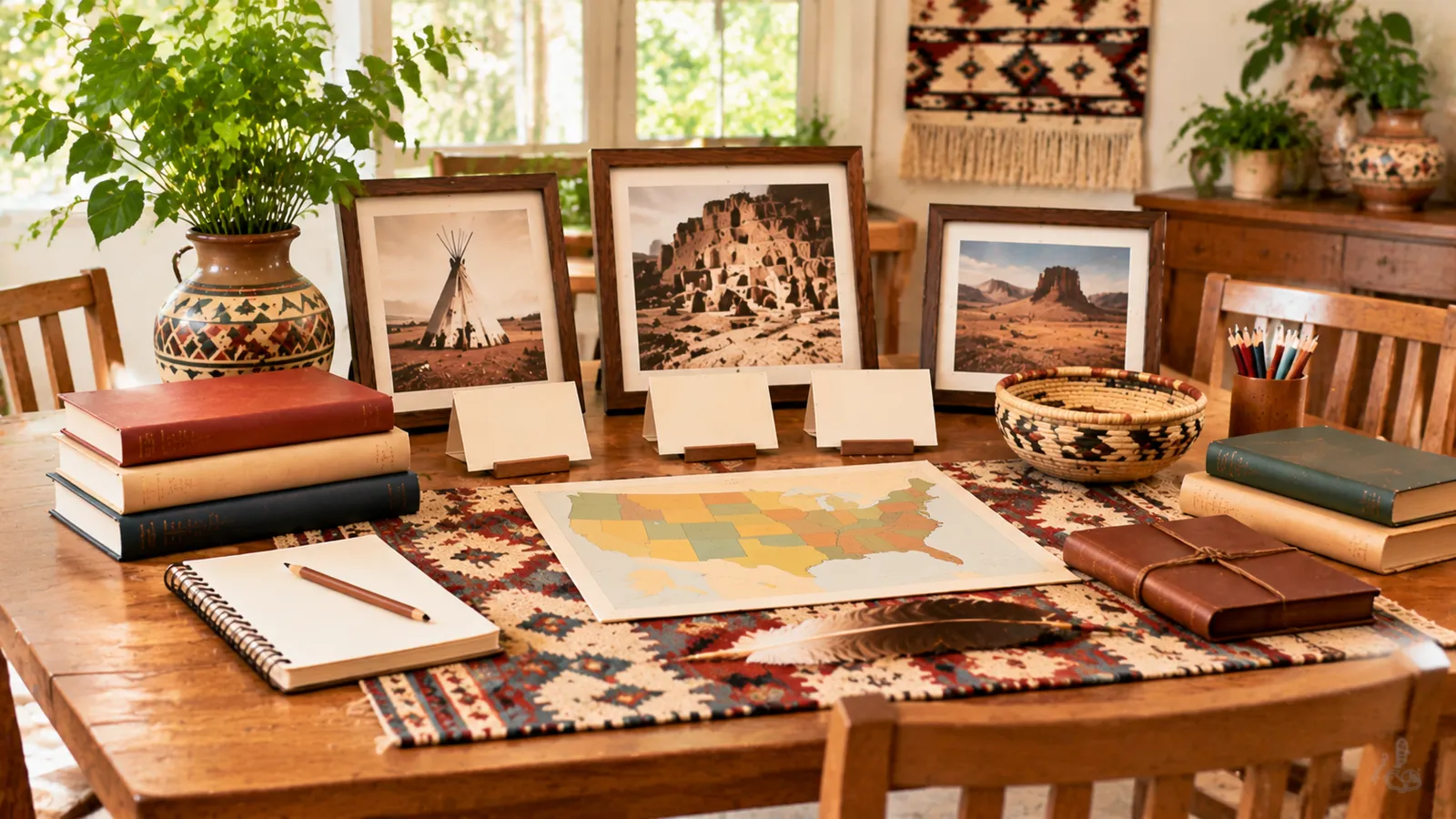
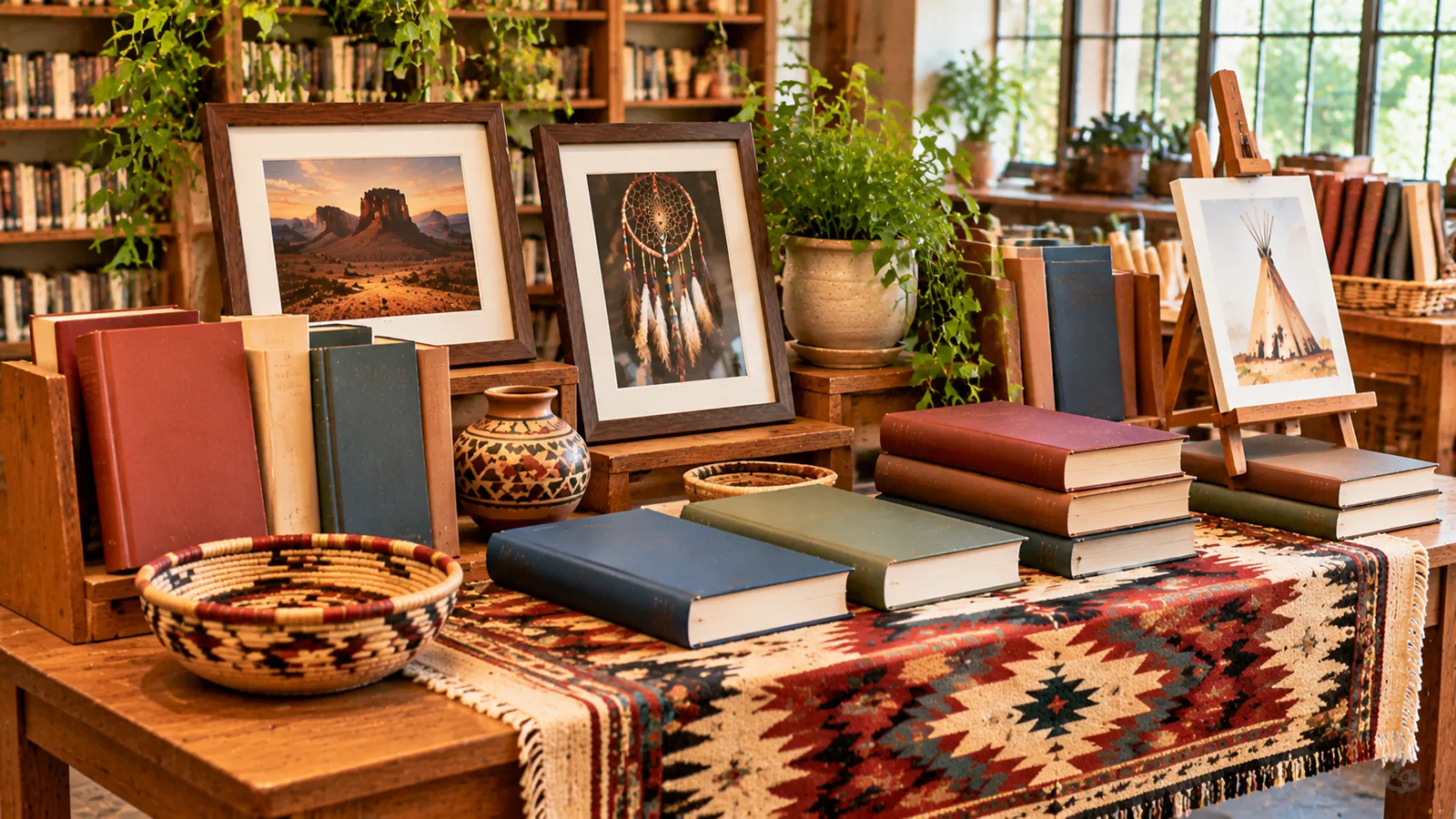
A learning table is an easy activity for a classroom, library, or family gathering. Arrange books, maps, photographs, and information cards on a table where visitors can stop and explore. Include a mix of topics, such as history, art, language, food, and contemporary life, so there is something for everyone.
Keep the table organized and make the materials suitable for the ages of the visitors. Include both children's books and books for adults, as well as simple activity sheets for younger children. A learning table can stay set up throughout November, giving people plenty of time to visit and learn at their own pace.
Host a Native American Heritage Month Family Discussion Night
A family discussion night gives children and adults time to talk about Native American history and culture together. Choose a topic to discuss, such as local tribal history, Native contributions to American life, or the importance of respect and understanding. Prepare a few simple questions to start the conversation and encourage everyone to share their thoughts.
Keep the conversation friendly and open. Children should feel comfortable asking questions, even when they are learning about a subject for the first time. A family discussion night can help children develop a better understanding of different cultures and the importance of listening and respect.
Discover Native Languages and Language Preservation
Language is an important part of cultural identity and community life. Many Native nations have their own languages, and some are working hard to keep them alive through schools, apps, books, and community programs. Learning about language preservation can help children understand why language matters and how communities protect it.
Choose one public educational resource and explore it together. Some tribal language programs share simple words, phrases, and stories online for educational use. Listen to a recording, learn a few words, and talk about how language connects people to their history and community.
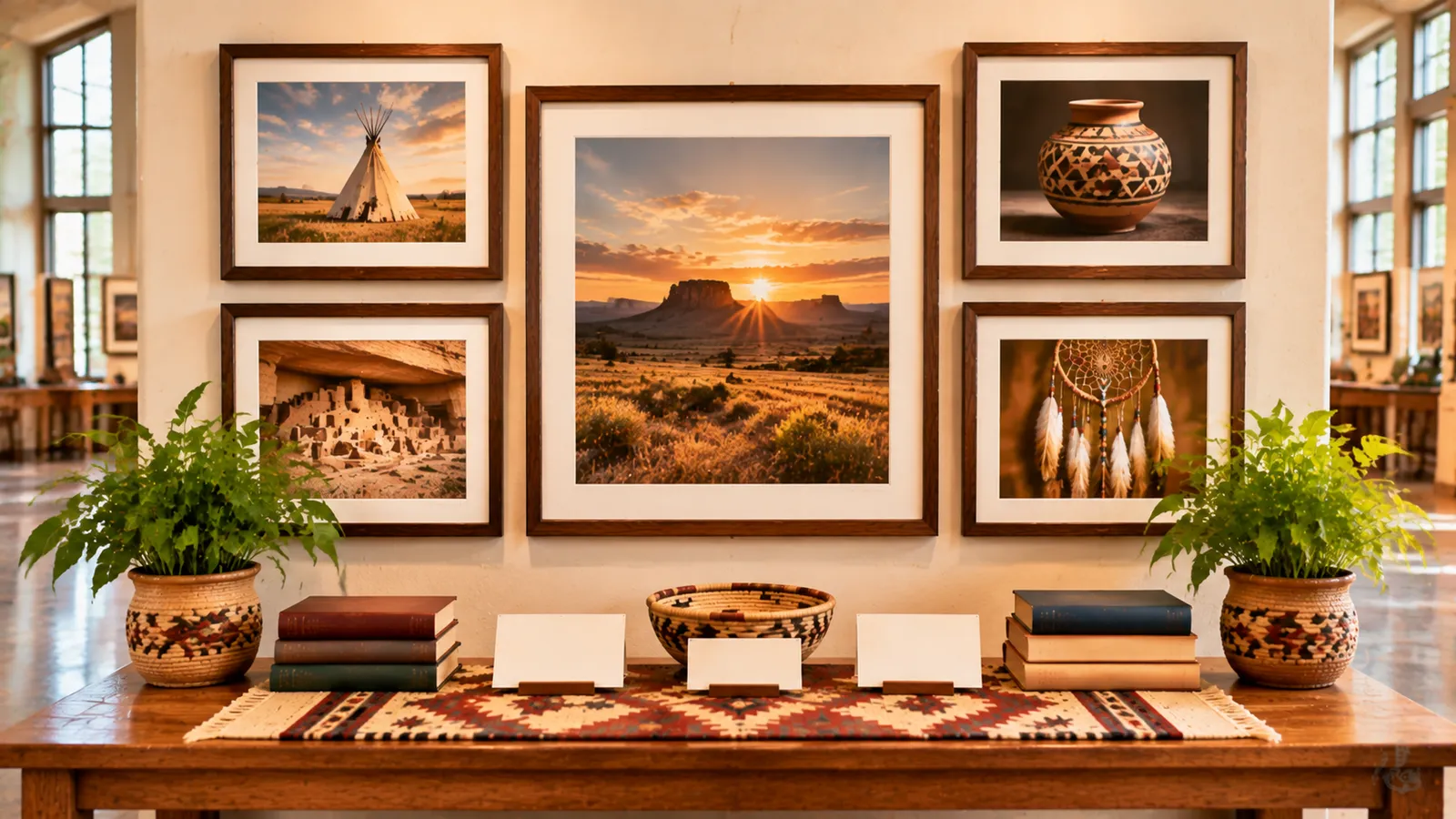
Create a Native American Heritage Month Community Photo Gallery
A community photo gallery can help visitors learn about Native people, places, and achievements through photographs and family stories. Ask families and community members to share photographs that show local history, cultural events, or everyday life. Display the photographs on a wall or table with short, accurate captions.
Arrange the photographs on a wall or display board with short, accurate captions. Make sure the images are shared with permission and that the captions are respectful and accurate. A photo gallery can help people connect with the past and understand how different cultures have shaped the local area.
Support Native-Owned Businesses and Creators
Supporting Native-owned businesses and creators is a practical way to recognize Native talent and contribute to Native communities. Families can look for books, art, jewelry, food, and other products made by Native artists and small businesses. Buying directly from creators helps support their work and their communities.
If you decide to purchase something, choose an item you genuinely want and buy directly from the creator or a Native-owned shop when possible. You can also support Native creators by sharing their work, attending their events, or borrowing their books from the library. Small actions can make a real difference.
Attend a Native American Heritage Month Community Event
Community events can bring people together to learn, listen, and take part in educational activities. Look for events organized by tribal nations, museums, libraries, schools, or cultural centers. These may include talks, exhibitions, workshops, performances, and family activities that are open to the public.
Check the event details before attending, including registration requirements, location, accessibility, and any visitor guidelines. Arrive with an open mind and respect the guidance of the organizers. A community event is a good way to learn directly from Native people and to support local cultural programs.
Make Native American Heritage Learning a Year-Round Tradition
Native American Heritage Month takes place in November, but learning about Native history and contemporary life should continue throughout the year. Families can keep reading books by Native authors, visiting museums and cultural centers, and learning about the Native nations connected to their area. Schools can also include Native history in their lessons all year round.
Choose one or two simple activities that your family can continue regularly. You might read a book by a Native author each month, follow a Native news source, or visit a local cultural center. A year-round approach helps ensure that the lessons of heritage month are not forgotten.
Frequently Asked Questions
When is Native American Heritage Month celebrated?
Native American Heritage Month is observed every November in the United States. The month recognizes the history, culture, and contributions of Native American people and encourages learning and respect.
How can families celebrate Native American Heritage Month?
Families can read books by Native authors, learn about the tribal nations connected to their area, visit a museum or cultural center, set up a learning display, or take part in a community event. Simple activities such as a reading corner, history timeline, or family discussion can also make the month meaningful.
What are some Native American Heritage Month activities for schools?
Schools can organize reading corners, educational displays, history timelines, author events, museum visits, and community learning activities. Teachers can also include books by Native authors in their lessons and invite guest speakers from local tribal communities to share their knowledge.
Why is Native American Heritage Month important?
Native American Heritage Month helps people recognize the history, culture, and contributions of Native American people. It encourages learning, respect, and understanding, and it helps build stronger communities.
Related Ideas
15 New Year's Day Celebration Ideas for a Fresh Start
15 Martin Luther King Jr. Day Celebration Ideas for Families
15 Presidents' Day Celebration Ideas for Families
15 Memorial Day Celebration Ideas to Honor and Remember
15 Juneteenth Celebration Ideas for Families and Friends
15 Fourth of July Celebration Ideas for a Festive Day
15 Labor Day Celebration Ideas for a Fun Holiday Weekend
15 Columbus Day Celebration Ideas for Families
15 Indigenous Peoples' Day Celebration Ideas for Families
15 Veterans Day Celebration Ideas for Families and Friends
15 Thanksgiving Day Celebration Ideas for Families
15 Christmas Day Celebration Ideas for Families
15 Inauguration Day Celebration Ideas for Families
15 Flag Day Celebration Ideas for Families
15 Constitution Day Celebration Ideas for Families
15 Patriot Day Remembrance Ideas for Families
15 Pearl Harbor Remembrance Day Ideas for Families
15 National Day of Prayer Ideas for Families
15 National Night Out Ideas for Families and Neighbors
15 Black History Month Celebration Ideas for Families
15 Women's History Month Event Ideas for All Ages
15 AANHPI Heritage Month Celebration Ideas for Families