15 Black History Month Celebration Ideas for Families
Black History Month is a time to recognize the history, achievements, creativity, and contributions of Black Americans. Celebrated every February in the United States, it offers families, schools, and communities an opportunity to learn about important people, historical events, cultural traditions, and stories that have helped shape the country. It is also a chance to appreciate the many ways Black Americans have influenced art, music, literature, science, education, sports, and everyday life.
There are many thoughtful ways to observe the month at home, in classrooms, libraries, and community spaces. You do not need an elaborate event or expensive decorations to make the occasion meaningful. A reading corner, a history display, a family discussion, or a creative art activity can help people learn something new and encourage children to ask questions. If you are looking for Black History Month celebration ideas, this list includes activities for different ages and settings. Each idea is designed to make learning engaging while keeping the focus on respect, understanding, and the importance of remembering Black history throughout the year.
Create a Black History Month Educational Display
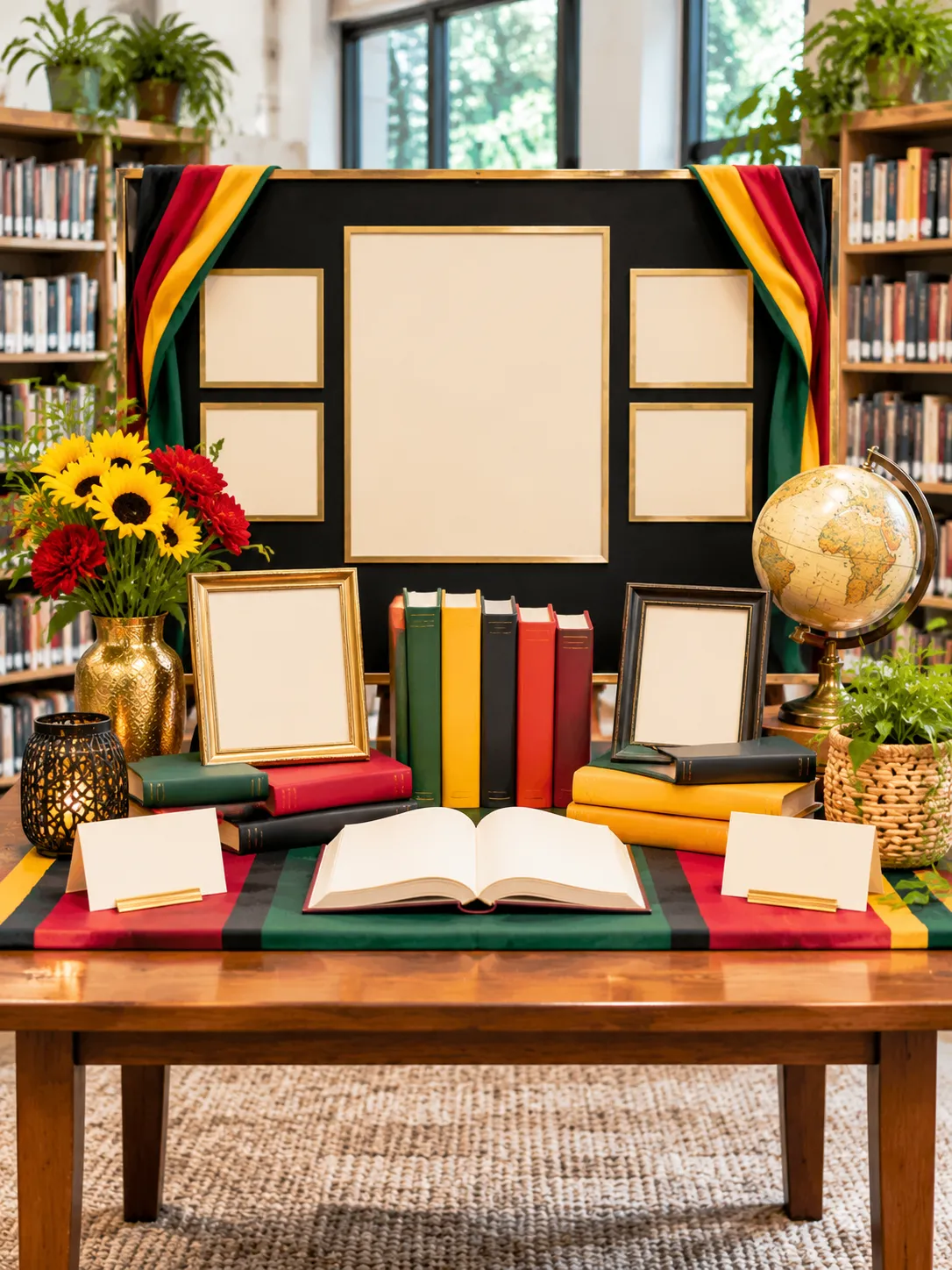
An educational display is a simple way to introduce Black History Month in a home, classroom, library, or community center. Choose a few important historical figures from different fields, such as education, science, literature, civil rights, music, and sports. You can arrange photographs, short biographies, historical timelines, and illustrations on a large board or table. Try to include people from different generations so visitors can see the wide range of contributions made throughout history.
Make the display easy to explore by grouping information into clear sections. For example, one area could focus on inventors, another on writers, and another on people who worked for civil rights and equal opportunities. Use reliable educational sources when preparing information, and check names, dates, and historical details carefully. A well-planned display can encourage visitors to stop, read, ask questions, and discover stories they may not have learned before.
Set Up a Black History Month Reading Corner
A reading corner is a wonderful way to introduce children and adults to Black history through books. Choose age-appropriate picture books, biographies, historical stories, poetry collections, and novels by Black authors. For younger children, illustrated books can make historical people and events easier to understand. Older readers may enjoy biographies, memoirs, and books that explore important moments in American history.
Arrange the books on a small shelf or table with comfortable cushions and a reading lamp. You can add a simple display featuring book covers and short descriptions to help visitors choose what to read. If you are organizing the activity at school or in a library, invite participants to share a favorite passage or talk about something they learned. Reading together can make the month more engaging and help families discover books they may want to read throughout the year.

Organize a Black History Timeline Activity
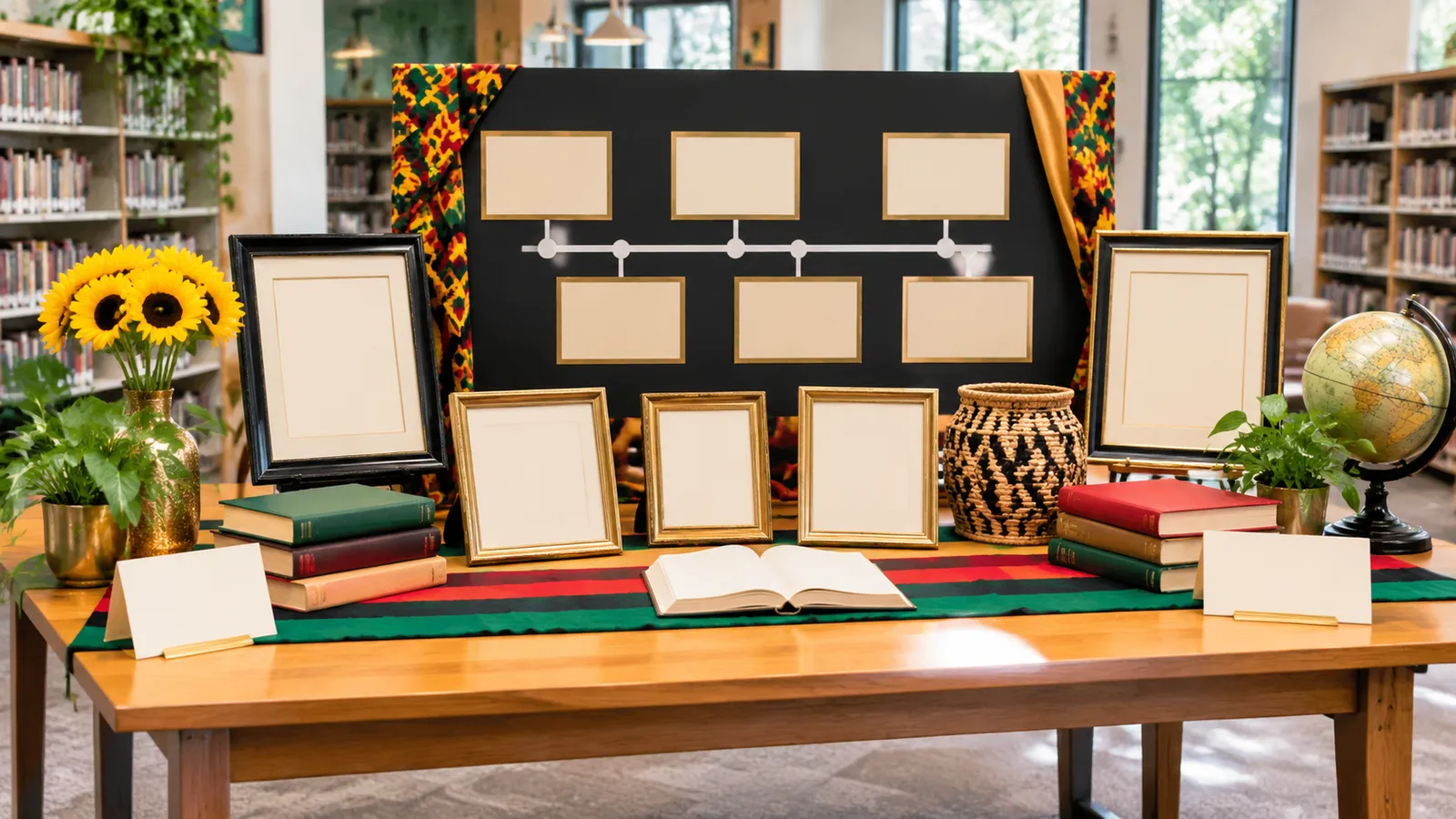
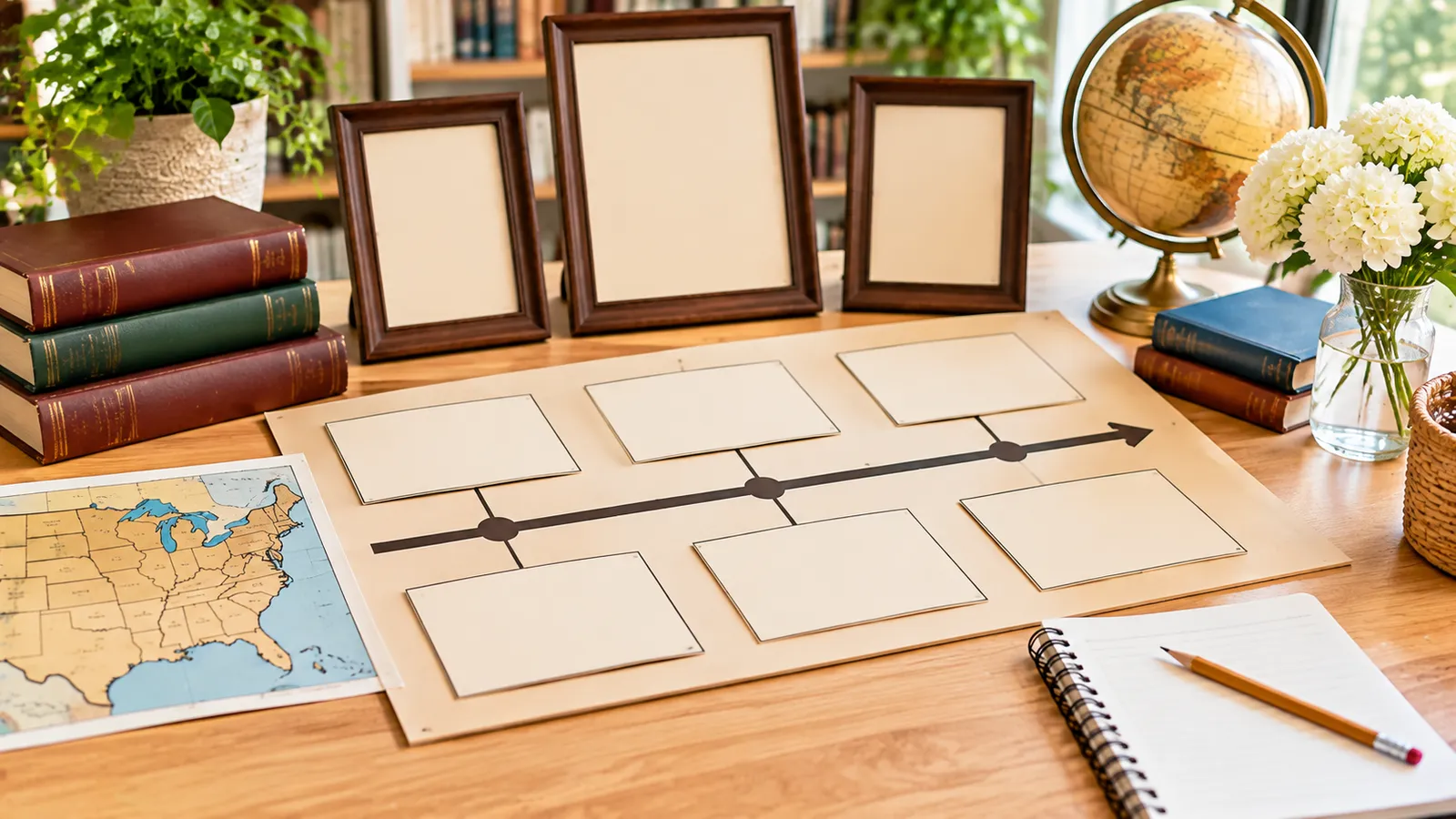
A timeline activity can help children understand how different events and achievements fit into the larger story of Black history in the United States. Choose important moments from different periods, including early Black American history, the abolition of slavery, Reconstruction, the civil rights movement, and more recent achievements. You can also include milestones in science, education, literature, and the arts to show that Black history includes many areas of life.
Prepare timeline cards with dates, short explanations, and relevant pictures. Children can work together to place the cards in chronological order on a wall, table, or long sheet of paper. For younger participants, use fewer events and simple explanations. Older children can research additional details and explain why certain events were important. Encourage questions and discussion so the activity becomes more than just arranging dates.
Host a Black Authors and Storytelling Day
A storytelling day gives families and communities a chance to enjoy the work of Black writers and storytellers. Choose books, poems, short stories, or folktales that are suitable for the age group attending. You can read aloud at home, invite a local librarian to participate, or organize a small reading session at a school or community center. A selection of different writing styles can introduce participants to a wide range of voices and experiences.
After each reading, leave a little time for discussion. Children might talk about their favorite character, an interesting part of the story, or something the book helped them understand. Older readers can discuss themes, historical background, and the author's message. If participants enjoy writing, invite them to create a short story or poem of their own. Keep the focus on listening, learning, and appreciating the power of storytelling.

Decorate a Space With Meaningful Black History Month Displays
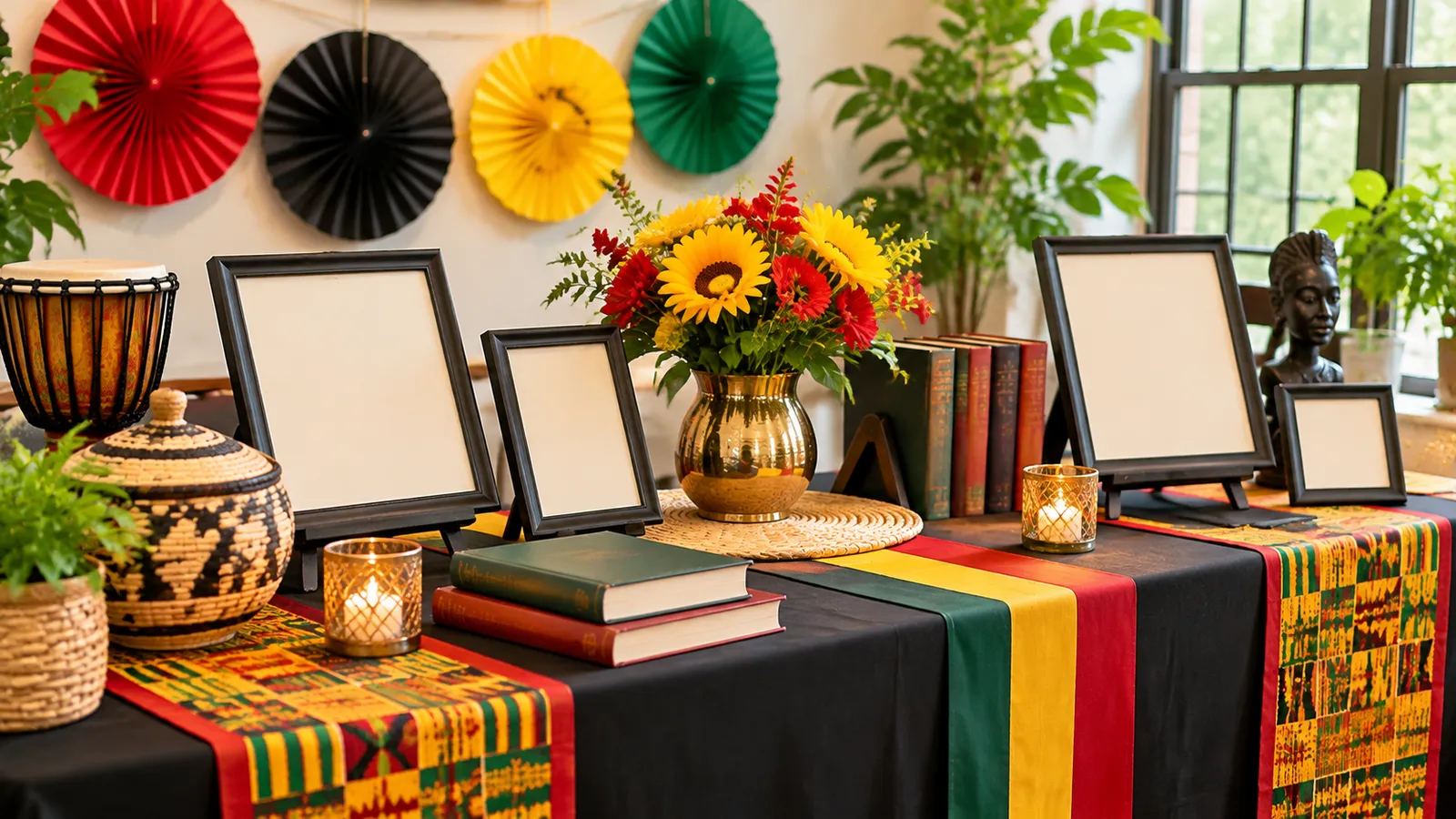
Thoughtful decorations can help make a Black History Month gathering or learning space feel welcoming. Instead of relying only on general party decorations, create displays that share meaningful information. You might use framed portraits of historical figures, short quotations with proper attribution, book covers, educational posters, and artwork inspired by Black history and culture. A simple arrangement can make a stronger impression when every item has a clear purpose.
A red, black, green, and yellow color palette can be used for some decorative elements, but take time to explain the meaning and history of the symbols you choose. Avoid treating cultural symbols as random decorations or using images without understanding their context. You can also create a small information table with books and learning materials. The best displays are attractive while encouraging visitors to learn something meaningful.
Plan a Black History Month Art Activity
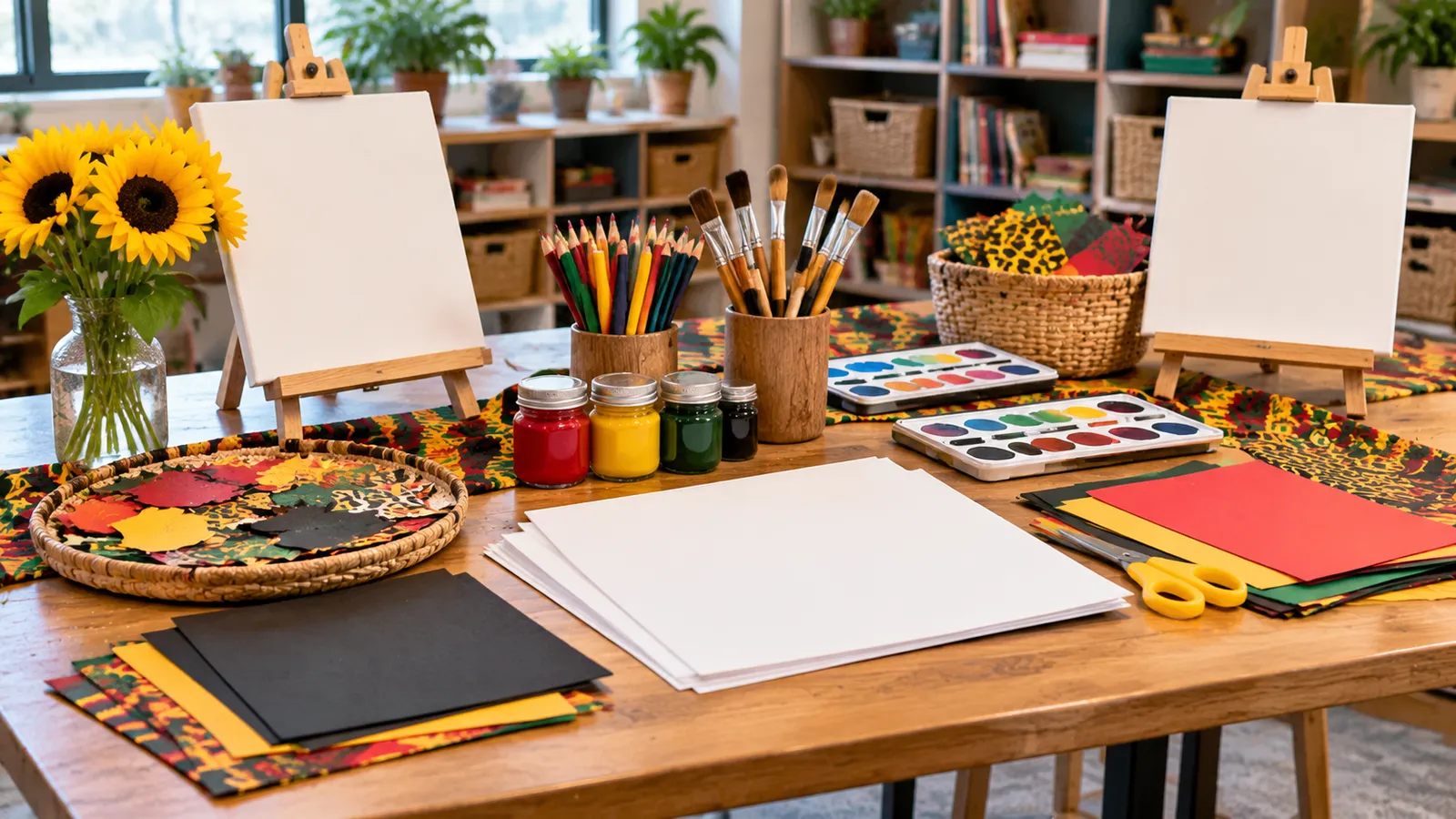
Art is a creative way to explore history, identity, and cultural expression. Set up an activity where children can create portraits, collages, drawings, or mixed-media artwork inspired by Black artists and historical figures. You could introduce participants to artists such as Jacob Lawrence, Alma Thomas, or Romare Bearden, then discuss the different styles, subjects, and stories represented in their work.
Provide paper, colored pencils, paint, markers, and collage materials. Let participants choose their own subjects and express what they have learned through their artwork. You can arrange the finished pieces in a small gallery at home, school, or a community center. Make sure the activity gives credit to the artists who inspired it and encourages children to appreciate different artistic styles rather than expecting everyone to create the same picture.
Prepare a Black History Month Cultural Food Gathering
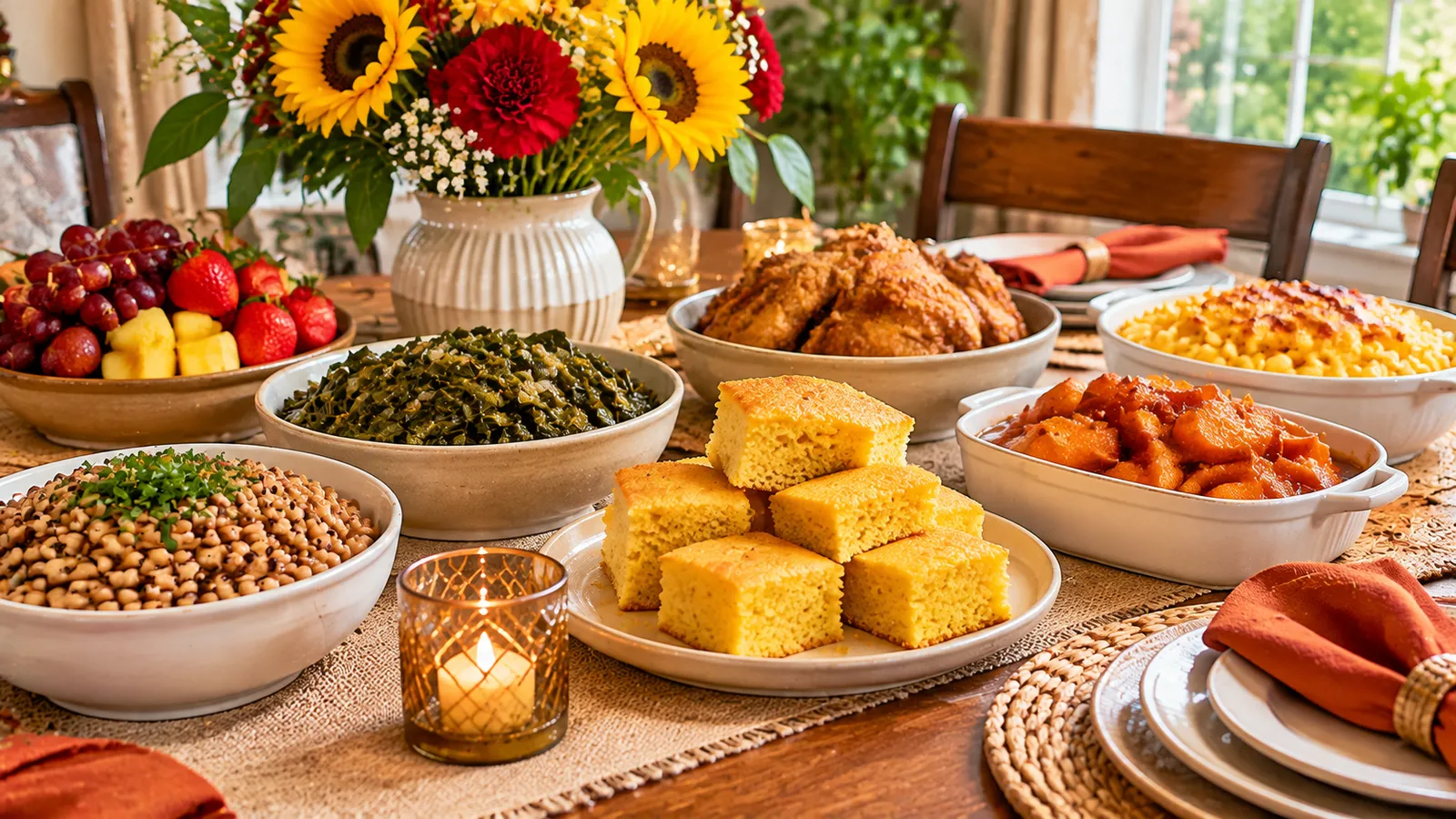
Food can create a welcoming setting for sharing stories and learning about cultural traditions. A Black History Month food gathering could include dishes connected to African American culinary history and the many regional traditions that have shaped it. Depending on the setting, families might share dishes such as cornbread, sweet potatoes, collard greens, black-eyed peas, or other foods that have personal or cultural meaning to them.
Make the gathering about more than serving a meal. Invite participants to share the background of a dish, a family memory, or the reason a particular recipe is important to them. Remember that African American food traditions are diverse and cannot be represented by a single menu. Include a variety of options, clearly label common allergens, and respect different dietary needs. A shared meal can open the door to thoughtful conversations about history, family, and cultural heritage.
Create a Black Inventors and Innovators Discovery Table
A discovery table can introduce children to Black inventors, scientists, engineers, and innovators whose work has made a difference in everyday life. Choose several people from different fields and provide short biographies explaining their work and why it matters. You might explore figures such as Garrett Morgan, whose inventions included a traffic signal improvement and safety equipment, or Dr. Patricia Bath, an ophthalmologist and inventor who developed a laser-based treatment for cataracts.
Add simple hands-on activities that connect with the subjects being explored. Children could build a basic model, solve a design challenge, or draw an invention they would like to create. Make sure the activity explains the real person's contribution accurately and does not suggest that one individual represents all Black innovation. Encourage children to ask questions about science, problem-solving, and the many people whose ideas help improve daily life.

Organize a Black History Month Music Appreciation Session
Music offers another meaningful way to explore Black history and cultural influence. Create a listening session featuring different genres and artists, such as spirituals, jazz, blues, gospel, soul, hip-hop, and other musical traditions. Introduce participants to musicians from different periods and explain how music has reflected personal experiences, cultural expression, social change, and creativity.
You can prepare a simple listening station with headphones or play selected recordings during a family or community gathering. Share short background notes about the artists and the musical styles being heard. For children, ask them to notice instruments, rhythms, and changes in sound. If you plan a public event, make sure you have the appropriate permission to play music. The aim is to appreciate the history and artistry behind the songs, not simply use music as background entertainment.

Set Up a Black History Month Biography Research Project
A biography project gives children and students an opportunity to learn about a person whose life or work interests them. Let each participant choose a historical figure, artist, writer, athlete, educator, scientist, entrepreneur, or community leader. Provide a few trusted sources and ask them to research basic information, including the person's early life, achievements, challenges, and lasting influence.
Participants can present what they learn through a poster, short written report, slideshow, or small display. Encourage them to use their own words and explain why they chose that person. It is also helpful to discuss how to check facts and identify reliable sources. A research project can build reading and presentation skills while helping students understand that Black history includes many different experiences and achievements.

Host a Black History Month Family Discussion Night
A family discussion night can be a simple but meaningful way to observe Black History Month at home. Choose a topic that is suitable for everyone attending, such as an important historical event, a book, a documentary, a notable person, or the history of a local community. Start with a short reading or video from a reliable source, then give everyone time to share questions and thoughts.
Children should feel comfortable asking honest questions, and adults can help explain difficult subjects in an age-appropriate way. Listen carefully and avoid turning the discussion into a test where everyone is expected to know the answers. You can also talk about why learning Black history matters throughout the year. A respectful conversation helps families learn together and gives children a chance to think about fairness, courage, creativity, and community.
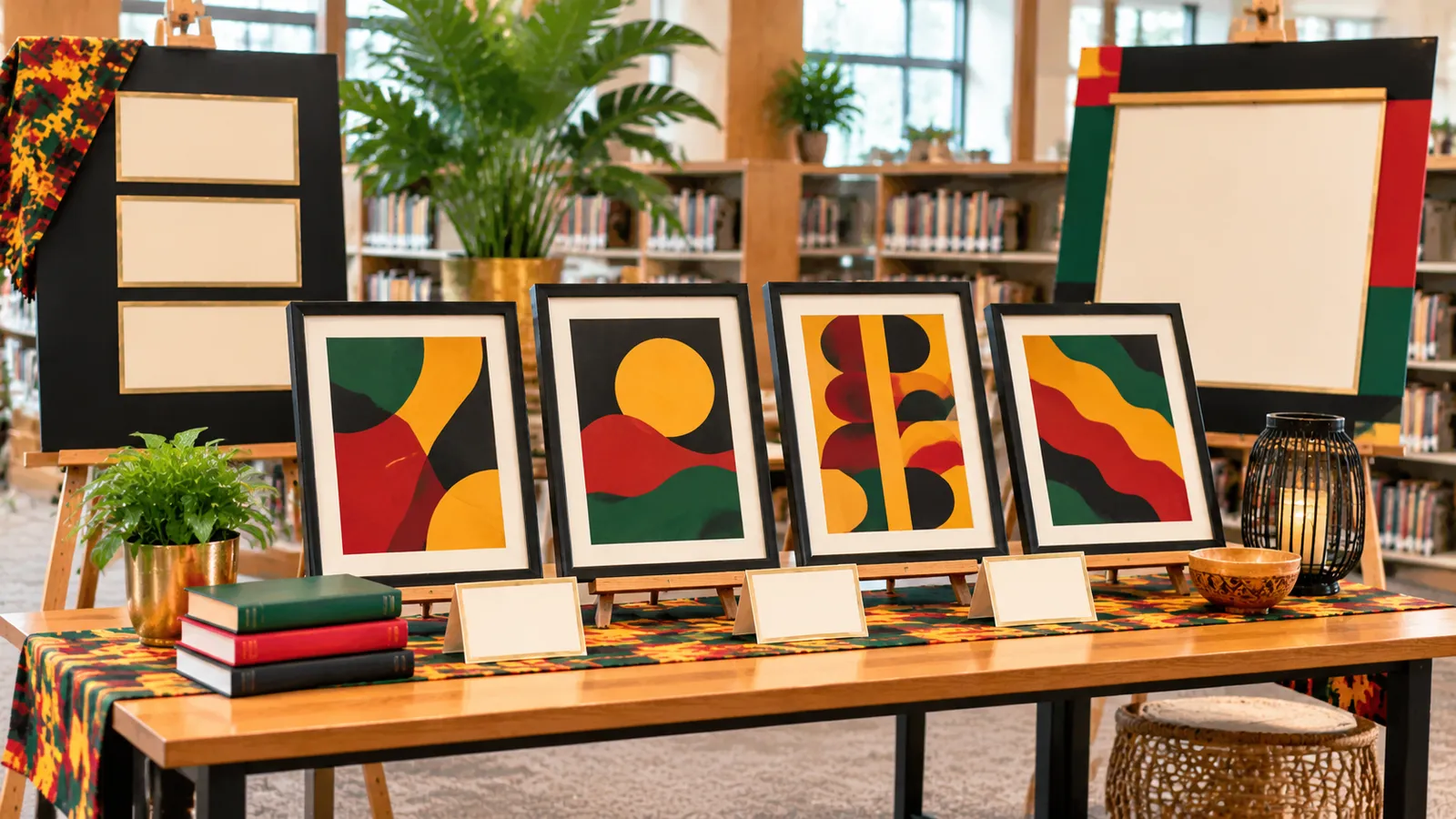
Create a Black History Month Community Art and Photo Gallery
A community gallery can bring together photographs, artwork, book covers, and educational materials that highlight Black history and creativity. Choose a suitable space such as a school hallway, library, community center, or local gathering room. You might include portraits of historical figures, reproductions of well-known artworks where permitted, and original pieces created by local students or artists.
Give each display a short description so visitors understand what they are seeing. If you include work by local artists, ask for permission and credit the creators properly. Avoid using personal photographs or identifiable images without consent. You can invite families to visit the gallery during a scheduled open hour and provide a small guide with questions to encourage closer observation. A gallery makes learning visible and gives community members an opportunity to appreciate a variety of stories and artistic voices.

Arrange a Black History Month Library or Book Exchange Event
A book exchange is an easy way to encourage more reading during Black History Month. Ask families, teachers, or community members to bring books by Black authors or books about Black history that are in good condition. Arrange them by age group or subject so visitors can find biographies, picture books, poetry, historical fiction, and other reading choices.
Set up a simple exchange table where participants can take a book and, if they wish, leave another one for someone else. You can also create a recommendation board where readers share titles they enjoyed. If you are organizing the event through a school or library, check its book donation and exchange guidelines first. A book exchange can help useful stories reach new readers and encourage people to continue exploring Black literature after February.
Plan a Black History Month Community Learning Event
A community learning event can bring together families, students, educators, and local organizations for an afternoon of shared discovery. You could organize short presentations, reading sessions, art activities, historical displays, or discussions led by knowledgeable guest speakers. Consider working with a local library, museum, school, cultural organization, or community group to plan activities that are accurate and welcoming.
Try to include different age groups and interests so more people can take part. A children's activity table could run alongside a presentation for adults, while a reading or art area gives visitors another way to explore the topic. If you invite speakers or artists, ask about their preferred format and any accessibility needs. Keep the schedule relaxed and make sure the event provides reliable information rather than treating Black history as a single story or a one-day subject.
Make Black History Learning a Year-Round Tradition
Black History Month is an important time to focus attention on Black history, but learning should not stop when February ends. Families can make a simple plan to read books by Black authors throughout the year, visit museums and historical sites, explore biographies, and learn about Black artists, scientists, leaders, and community members. Small steps taken regularly can help children develop a broader understanding of American history.
You can also keep a family reading list, visit local cultural events, or choose one person or historical topic to explore each month. Schools and community groups might continue their displays, reading programs, or guest presentations beyond February. The goal is not to turn learning into a once-a-year activity, but to make it a natural part of how families and communities understand the past and appreciate the people who continue to shape the present.
Frequently Asked Questions
When is Black History Month celebrated in the United States?
Black History Month is celebrated every February in the United States. The month provides an opportunity to recognize Black American history, achievements, culture, and contributions.
What are some meaningful Black History Month activities for families?
Families can read books by Black authors, explore biographies, create a historical timeline, visit a museum, prepare a cultural meal, or organize an art activity. A family discussion about an important historical event or person can also be a meaningful way to learn together.
How can I celebrate Black History Month with young children?
Choose activities that are suitable for their age, such as illustrated history books, simple timeline cards, art projects, music appreciation, and storytelling. Use clear explanations, encourage questions, and help children understand why the people and events they are learning about are important.
Why is it important to celebrate Black History Month?
Black History Month helps people learn about Black Americans' experiences, achievements, creativity, and contributions to the United States. It also provides an opportunity to recognize parts of history that have often received too little attention and to encourage continued learning throughout the year.
Related Ideas
15 New Year's Day Celebration Ideas for a Fresh Start
15 Martin Luther King Jr. Day Celebration Ideas for Families
15 Presidents' Day Celebration Ideas for Families
15 Memorial Day Celebration Ideas to Honor and Remember
15 Juneteenth Celebration Ideas for Families and Friends
15 Fourth of July Celebration Ideas for a Festive Day
15 Labor Day Celebration Ideas for a Fun Holiday Weekend
15 Columbus Day Celebration Ideas for Families
15 Indigenous Peoples' Day Celebration Ideas for Families
15 Veterans Day Celebration Ideas for Families and Friends
15 Thanksgiving Day Celebration Ideas for Families
15 Christmas Day Celebration Ideas for Families
15 Inauguration Day Celebration Ideas for Families
15 Flag Day Celebration Ideas for Families
15 Constitution Day Celebration Ideas for Families
15 Patriot Day Remembrance Ideas for Families
15 Pearl Harbor Remembrance Day Ideas for Families
15 National Day of Prayer Ideas for Families
15 National Night Out Ideas for Families and Neighbors