
15 Women's History Month Event Ideas for All Ages
Women's History Month is celebrated every March in the United States. It is a time to recognize the achievements, contributions, and stories of women throughout history. From scientists and educators to artists, writers, athletes, leaders, and community helpers, women have played an important role in shaping the country. The month gives families, schools, and communities a chance to learn about these contributions and celebrate the women who have made a difference.
You do not need to organize a large event to mark the occasion. A small reading activity, a creative display, a family discussion, or a community gathering can help people discover inspiring stories. Children can learn about women who changed history, while adults can explore achievements and experiences they may not have studied before. If you are looking for Women's History Month event ideas, this list offers activities for different ages and settings. Whether you are planning something at home, in a classroom, at a library, or in your neighborhood, these ideas can help make the month interesting, welcoming, and meaningful.
Create a Women's History Month Hall of Fame Display
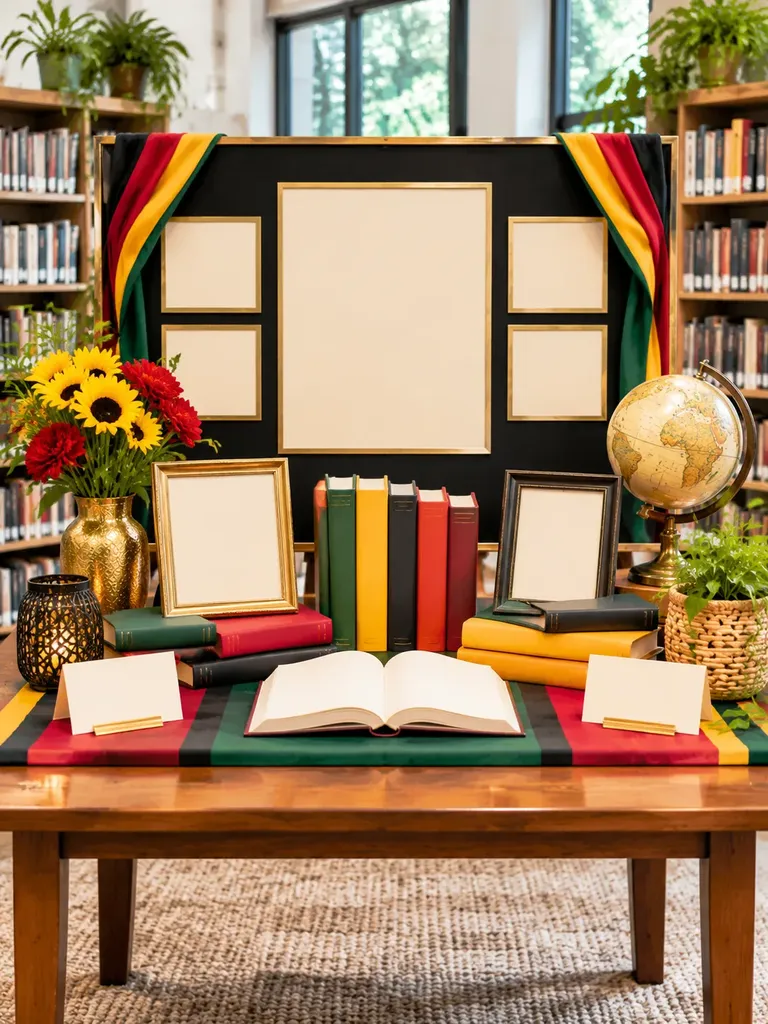
A Women's History Month hall of fame display is a simple way to introduce visitors to women who have made important contributions in different fields. Choose a mix of historical and modern figures, including scientists, educators, writers, artists, athletes, activists, and public leaders. Arrange their portraits, short biographies, and important achievements on a large board or table. Including women from different backgrounds and generations helps visitors understand how many different paths women have taken throughout history.
You can organize the display by subject so it is easy to explore. For example, one section could feature women in science, another could highlight women in sports, and another could focus on writers and artists. Add short descriptions that explain why each person is remembered. Use reliable sources when preparing the information, and check names and dates before displaying them. A thoughtful hall of fame can encourage visitors to learn about people whose stories they may not know.
Set Up a Women's History Month Reading Corner
A reading corner is a lovely way to celebrate women through books and storytelling. Choose picture books, biographies, memoirs, poetry collections, and novels written by women or featuring inspiring female characters. For younger children, illustrated stories about women who explored, invented, taught, or helped others can make history easier to understand. Older readers may enjoy learning about the lives and experiences of women who made a difference in their communities and beyond.
Arrange the books on a small shelf or table with comfortable cushions, a reading lamp, and a few simple decorations. You can add a display of book covers and short descriptions to help visitors choose something interesting. At home, families can set aside time to read together. Schools and libraries can organize a weekly reading session or invite participants to share a favorite book. The activity can also encourage children to discover more books by women throughout the year.

Organize a Women's History Timeline Activity
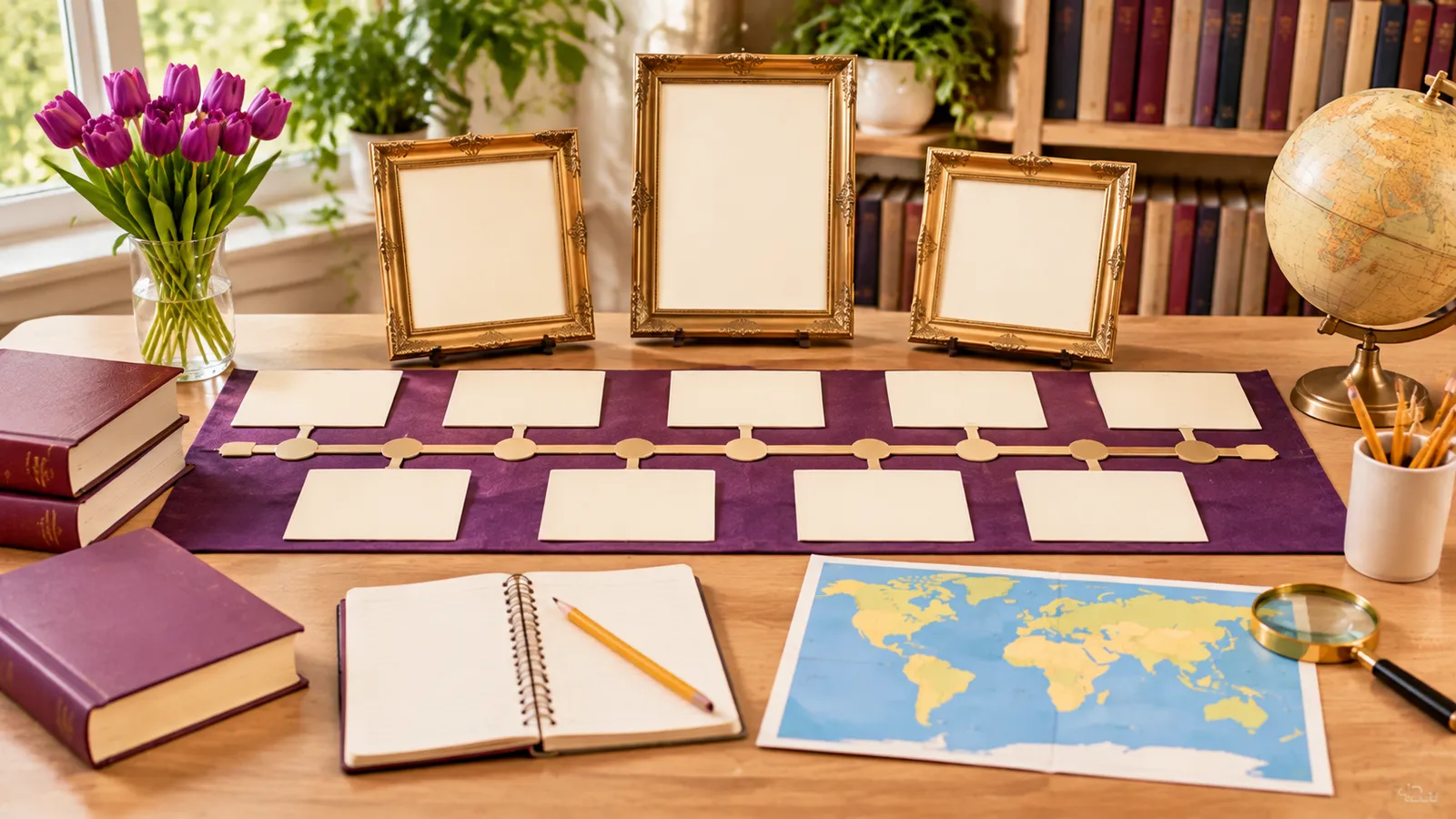
A timeline activity can help children understand how women's achievements and important historical events connect across different periods. Choose a selection of milestones, such as women's contributions to early American communities, the women's suffrage movement, the passage of the 19th Amendment, important achievements in science and education, and more recent milestones in public life. Include different fields so children can see that women's history is not limited to one subject.
Prepare cards with dates, short descriptions, and relevant pictures. Participants can work together to arrange the cards in chronological order on a wall, table, or long sheet of paper. Younger children can use a smaller number of simple cards, while older students can research additional events and explain why they matter. Encourage everyone to ask questions and discuss what they discover. This activity makes history more interactive and helps children understand that progress happens over time.
Host a Women Authors and Storytelling Event
A storytelling event gives families and communities an opportunity to enjoy books, poems, and stories written by women. Choose a selection of age-appropriate works from different authors and backgrounds. You could include picture books for children, short stories for teens, poetry, or passages from biographies and memoirs. Reading different types of writing can introduce participants to a variety of voices, experiences, and ideas.
Set up a comfortable reading area with chairs, cushions, and a small table for books. Invite family members, teachers, librarians, or local readers to take turns sharing a story. After each reading, allow a little time for discussion. Children can talk about their favorite character or what they learned, while older participants can discuss the author's ideas and writing style. If the group enjoys the activity, invite everyone to write a short story or poem of their own.

Decorate a Space With Women's History Month Displays
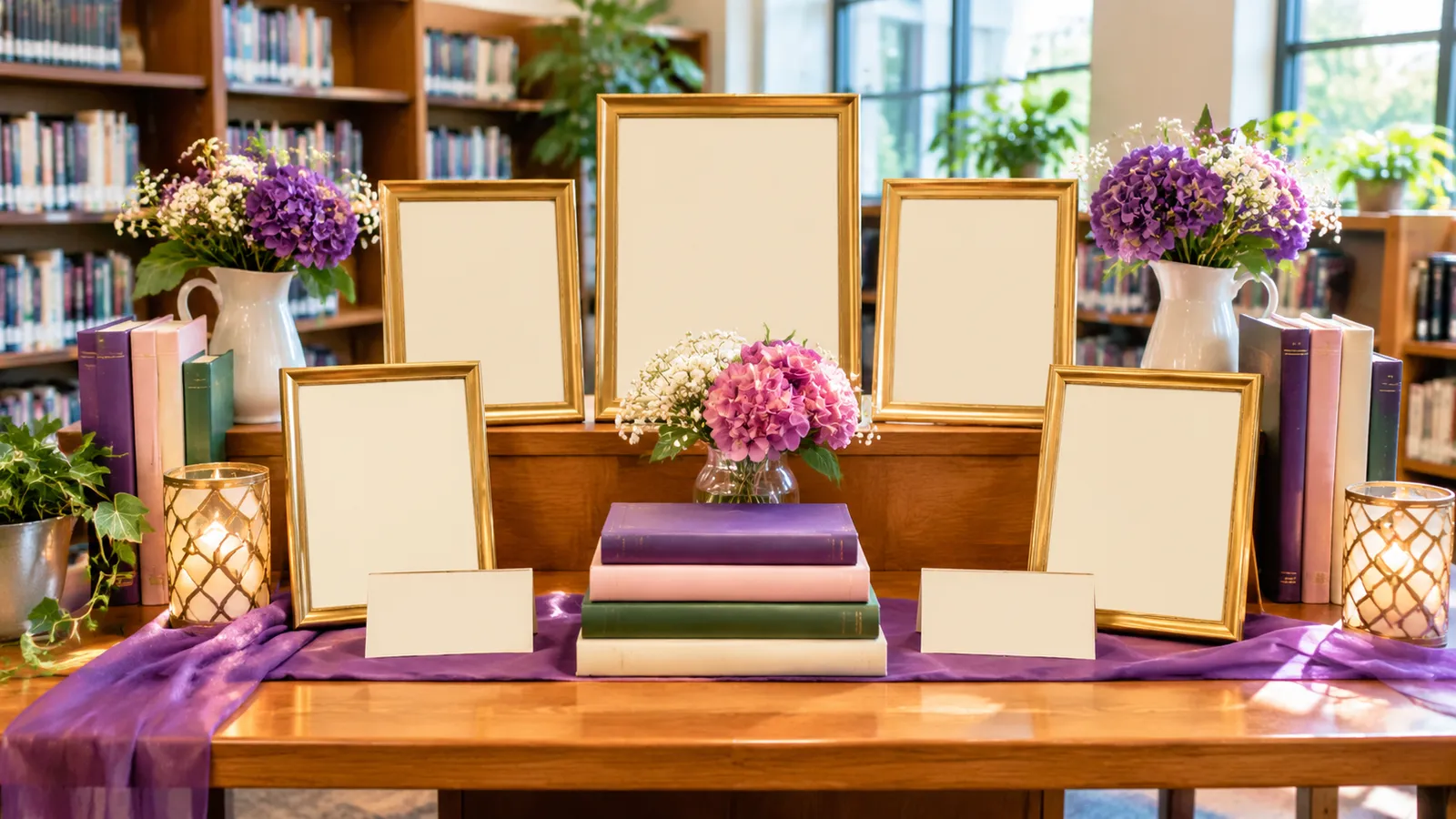
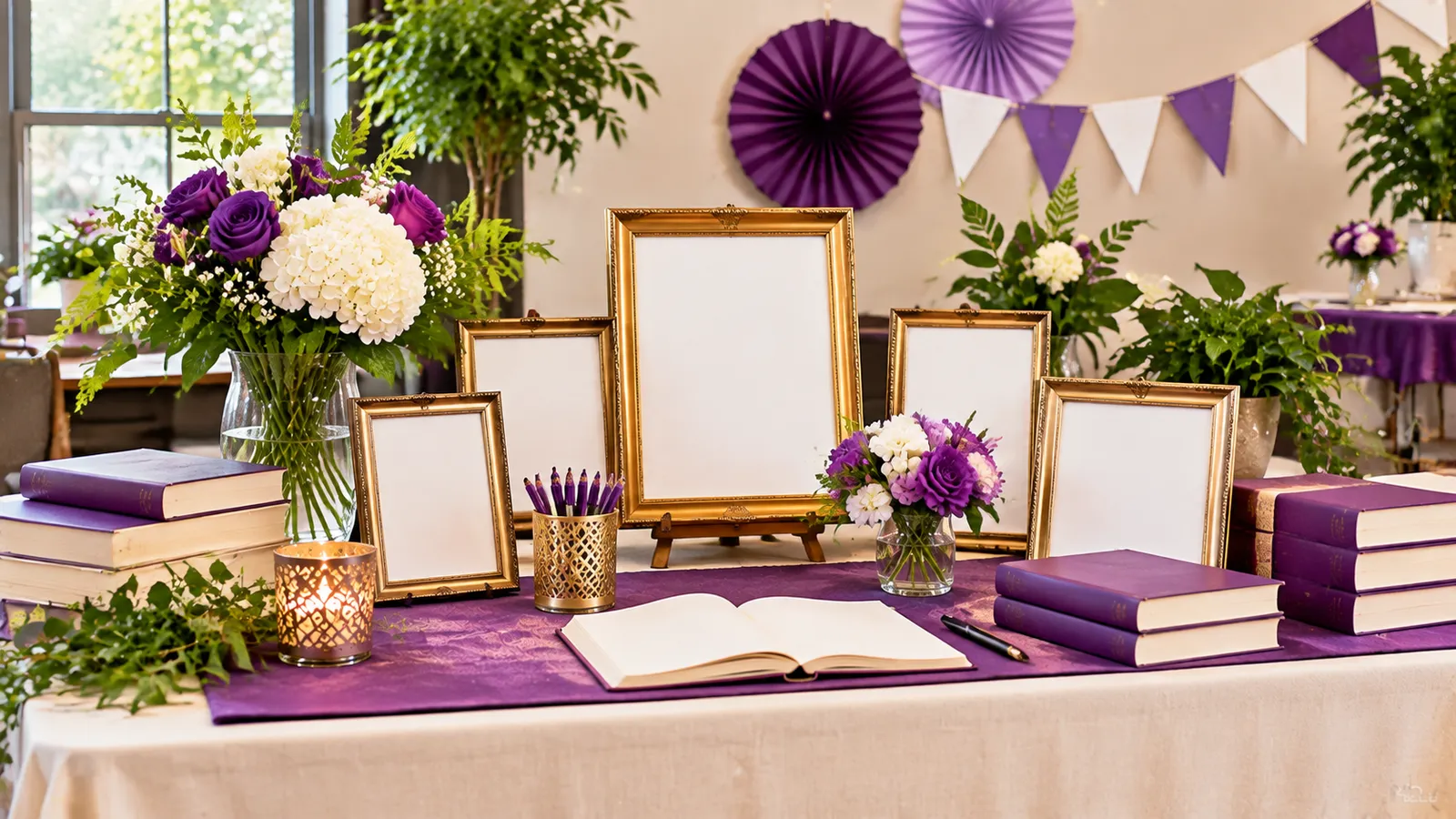
Decorations can make a Women's History Month event feel special while also helping visitors learn. Instead of using decorations that are only for appearance, create a space filled with meaningful details. You could display framed portraits of inspiring women, short biographies, historical photographs, book covers, artwork, and simple information cards. A few well-organized displays can make a classroom, library, community room, or home gathering area feel welcoming.
Choose a color palette that works with your space, such as purple, white, and green, or use soft neutral colors with small decorative accents. You can add flowers, simple banners, paper decorations, and framed learning materials. Make sure any quotations are correctly attributed and that the historical information is accurate. Keep the displays easy to read and avoid overcrowding the space. The best decorations are attractive while giving visitors something interesting to discover.
Plan a Women's History Month Art Workshop
An art workshop is a creative way to explore women's achievements and artistic contributions. Introduce participants to women artists such as Georgia O'Keeffe, Alma Thomas, Faith Ringgold, or Mary Cassatt. Share examples of their work and talk about their different styles, subjects, and creative choices. This gives children and adults a chance to see how women have influenced art across different periods and artistic movements.
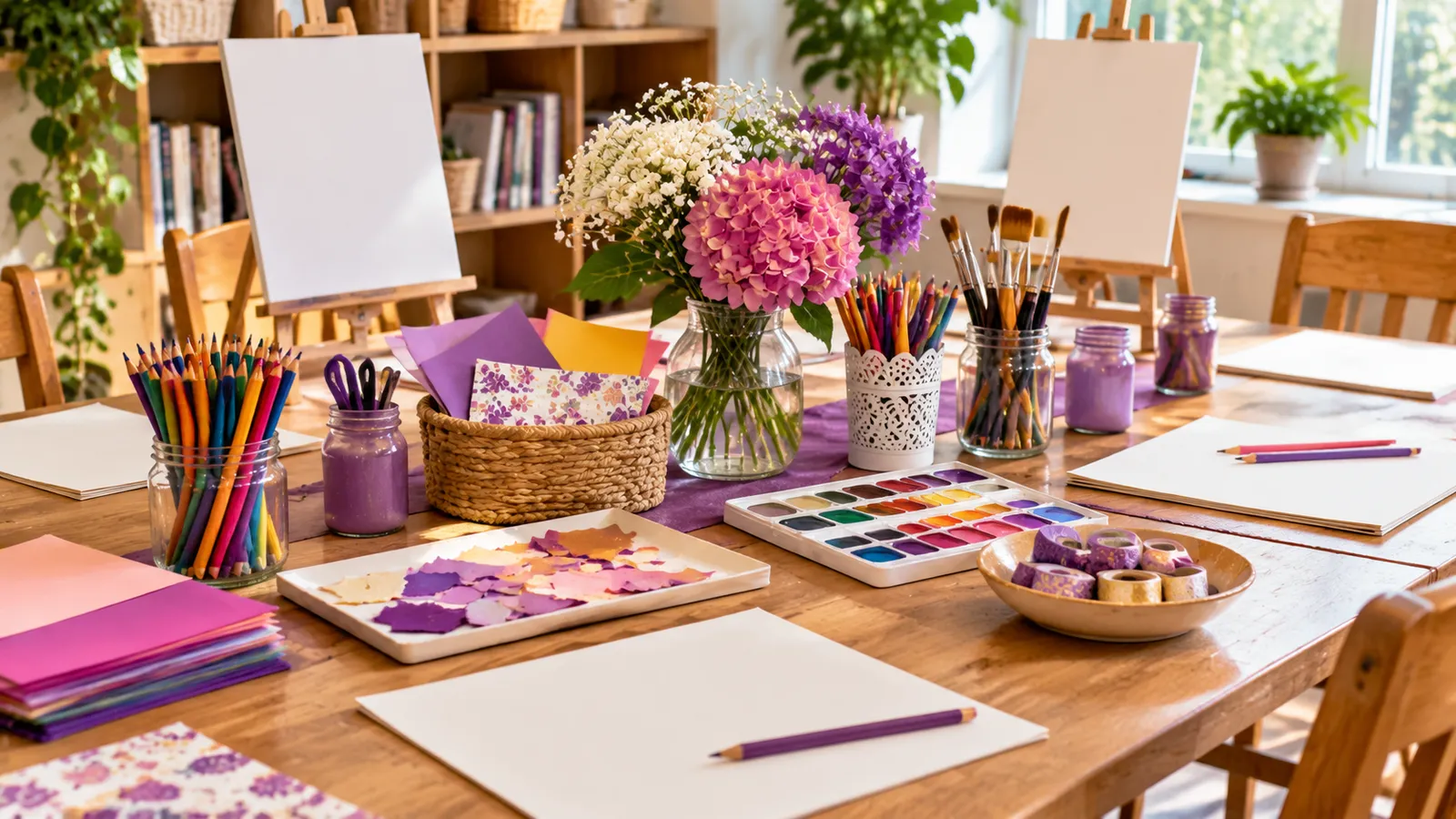
Prepare a table with paper, pencils, paint, brushes, markers, and collage materials. Participants can create a portrait, an abstract design, or an artwork inspired by something they learned about a woman artist. Let everyone choose their own approach rather than asking the group to copy one example exactly. When the workshop is finished, arrange the artwork in a small gallery. Give credit to the artists who inspired the activity and invite participants to share a little about their creations.
Arrange a Women's History Month Inspirational Biography Project
A biography project helps children and students learn about women whose lives and achievements interest them. Each participant can choose a woman from history or the present day, such as a scientist, athlete, writer, educator, inventor, astronaut, or community leader. Encourage them to explore the person's early life, education, work, important achievements, and the challenges she faced along the way.
The finished projects can take different forms. Some students may create posters, while others might prepare a short presentation, a booklet, or a small display. Provide reliable books and websites so participants can check their facts and avoid repeating incorrect information. Ask each person to explain why they chose that particular woman and what they found most interesting. The project can help build research skills while showing children that women have contributed to many areas of life.
Host a Women's History Month Cultural Celebration
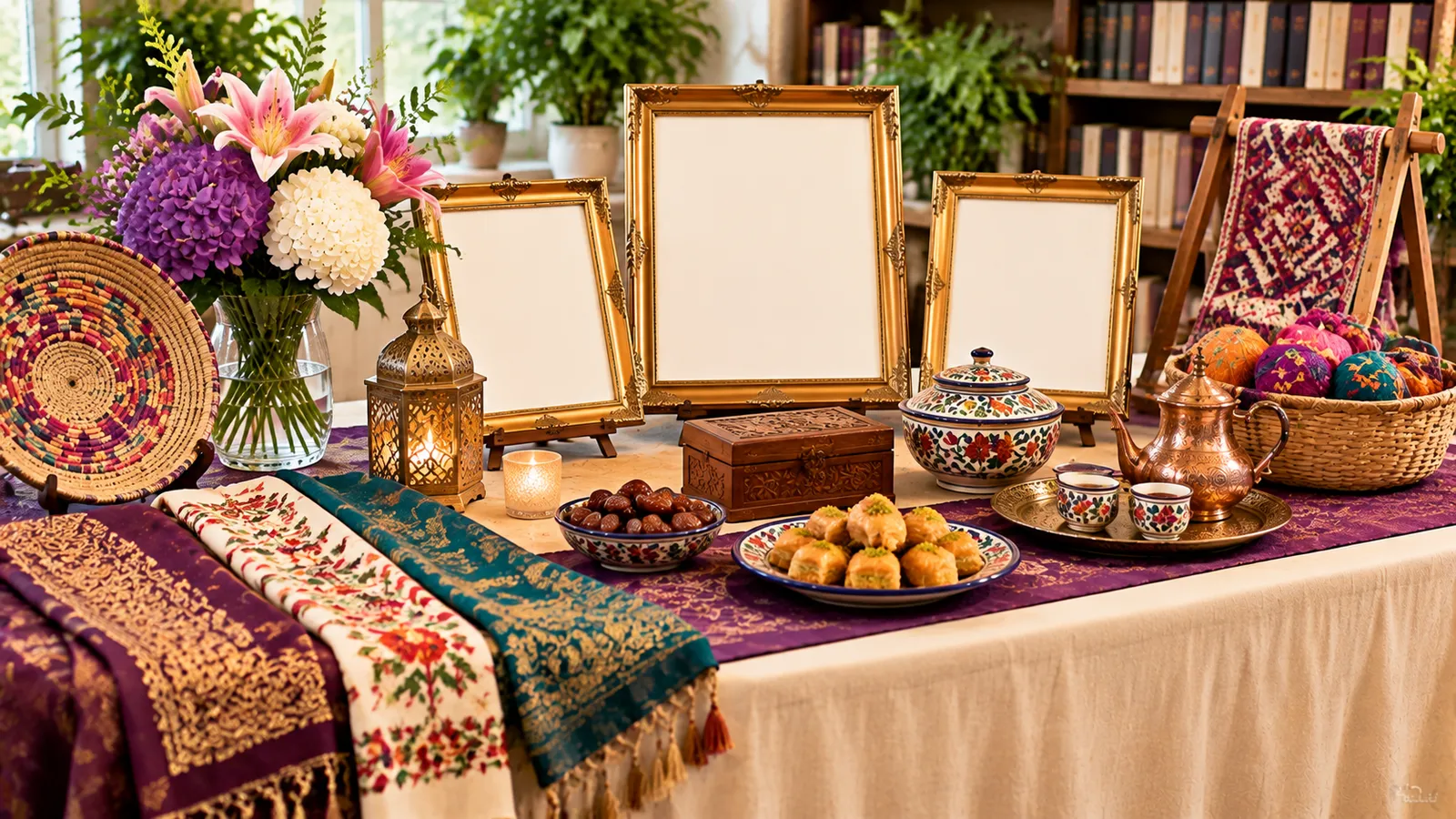
A cultural celebration can highlight the many ways women have shaped traditions, communities, and everyday life. Invite families or community members to share stories, music, recipes, artwork, or traditions that are meaningful to them. You can explore the contributions of women from different backgrounds and generations, making sure the event recognizes that women's experiences are varied and cannot be represented by a single story.
Set up small display tables with cultural items, books, photographs, or information cards. If food is part of the gathering, invite participants to bring a favorite family dish and share its background if they wish. Keep the event welcoming and make sure contributions are shared with permission. You could also include music or short presentations about women who have helped preserve cultural traditions. The goal is to learn from one another and appreciate the many stories women bring to their communities.

Organize a Women in Science and Innovation Discovery Table
A science and innovation table can introduce children to women who have made important discoveries and developed ideas that changed the world. Choose a few examples from different fields, such as Katherine Johnson in mathematics and spaceflight, Marie Curie in scientific research, Dr. Patricia Bath in medicine, or computer science pioneer Grace Hopper. Short biographies can explain what each woman studied, what she achieved, and why her work matters.
Add simple activities that connect with the subjects being explored. Children might try a basic math challenge, build a small model, examine a simple science experiment, or draw an invention of their own. Keep the activities suitable for the ages attending and explain the real achievements behind each display. Encourage questions about problem-solving and discovery. A hands-on table can help children see science as an interesting field with room for people from many backgrounds.

Plan a Women's History Month Music and Performance Day
Music and performance offer an enjoyable way to recognize women who have influenced culture and entertainment. You could introduce participants to women in jazz, classical music, blues, gospel, country, rock, hip-hop, dance, theater, and other creative fields. Choose a mix of artists from different generations and explain a little about their work and the impact they have had on music and performance.
A family or school event could include a listening session, a short presentation, a dance demonstration, or student performances. You can also create a display featuring biographies and photographs of women musicians and performers. If you plan to play recorded music at a public event, check that you have the appropriate permission. Keep the focus on appreciating the talent, creativity, and contributions of women rather than treating the event as background entertainment.
Create a Women's History Month Family Discussion Night
A family discussion night is an easy way to make Women's History Month part of everyday family life. Choose a topic that everyone can understand, such as the history of women's voting rights, a famous woman inventor, women in sports, or the achievements of women in your local community. Start with a short reading, documentary clip, or biography from a reliable source, then invite everyone to share their thoughts.
Children should feel comfortable asking questions, even when they are learning about a subject for the first time. Adults can help explain difficult historical events in an age-appropriate way and make space for different opinions. You could also ask each family member to name a woman who has inspired them and explain why. A relaxed conversation can help children connect history with the people and experiences around them.
Set Up a Women's History Month Community Photo Gallery
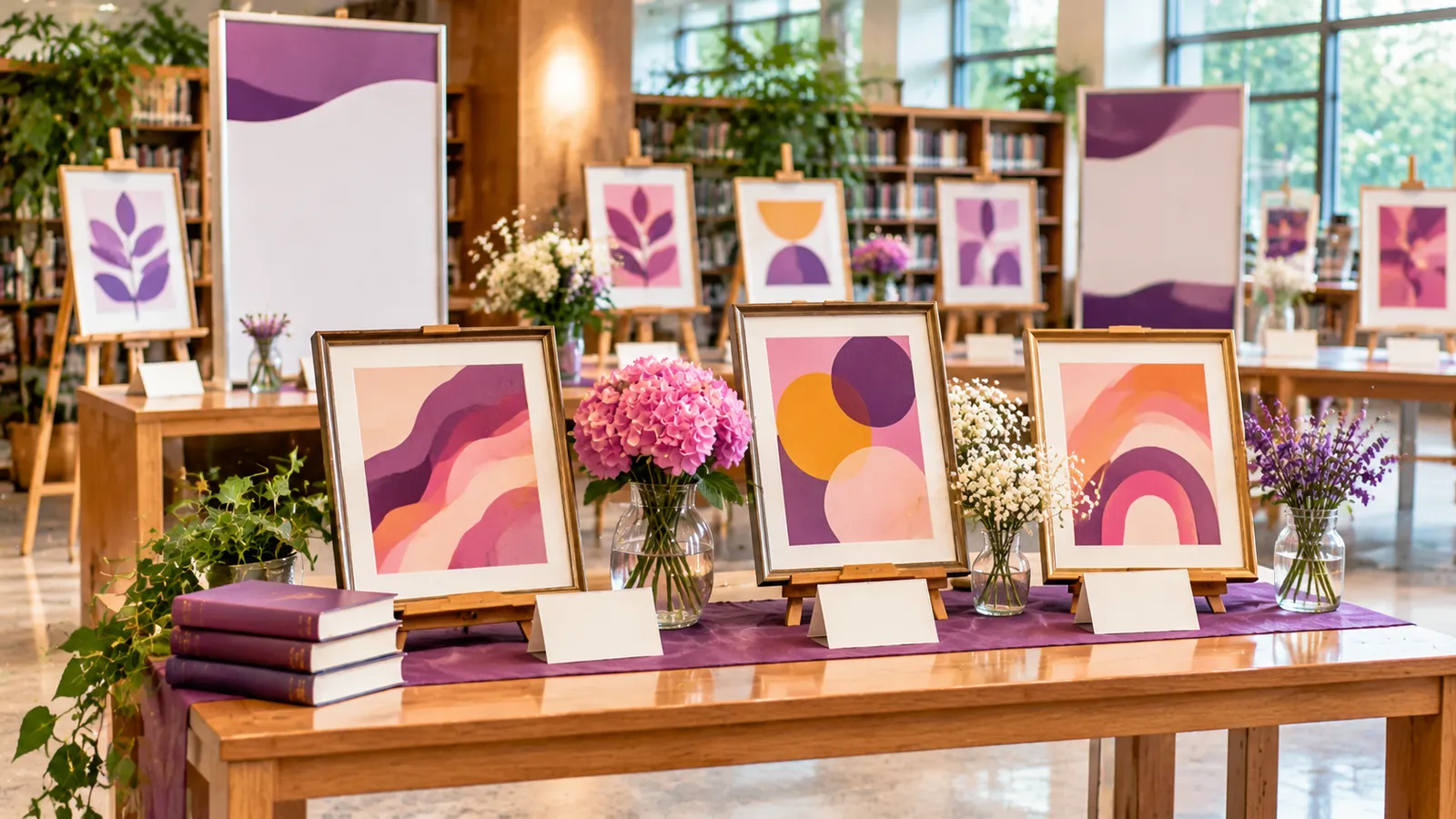
A photo gallery can bring women's stories to life through historical pictures, portraits, and images of important events. Choose a suitable space in a school, library, community center, or neighborhood gathering room. You can include photographs of women from different periods and fields, along with short descriptions explaining who they were and why their work is remembered. A well-organized gallery gives visitors a chance to learn as they move through the display.
If possible, include stories from your own community. You might invite residents to contribute photographs or memories of women who have made a positive difference locally, such as teachers, volunteers, artists, business owners, or community organizers. Always ask permission before displaying personal photographs or stories, and credit contributors as they request. Keep the descriptions clear and respectful. A gallery can help connect well-known historical achievements with the women who make a difference close to home.
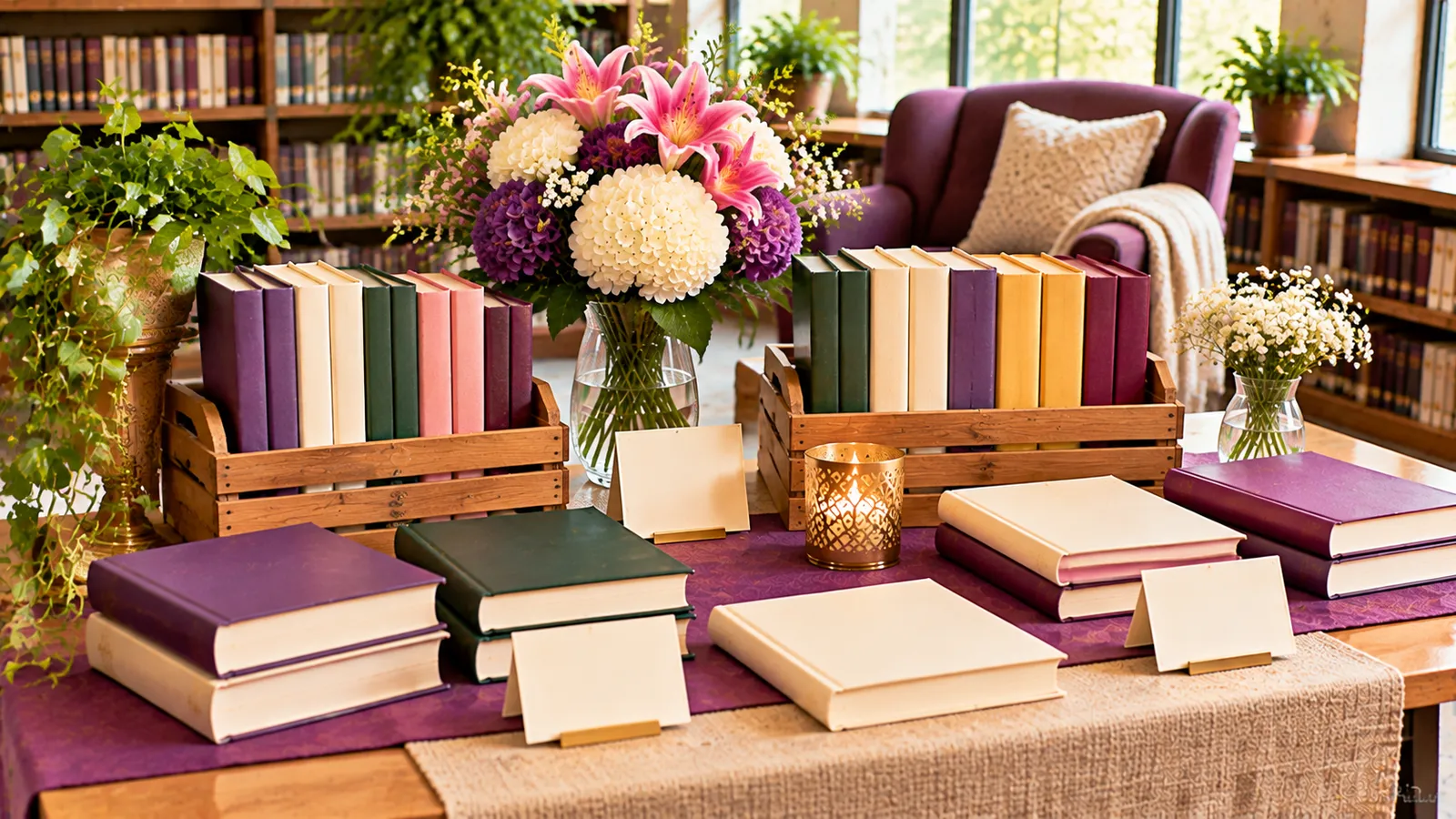
Arrange a Women's History Month Book Exchange
A book exchange is a simple event that encourages people to discover more books by women authors and about women's history. Ask families, students, teachers, or community members to bring books in good condition. You can include biographies, children's books, poetry, novels, memoirs, and books about women in science, history, sports, and the arts. Organize the books by age group or subject so visitors can find something that interests them.
Set up a table where participants can choose a book to take home and, if they wish, leave another book for someone else. Add a small recommendation board where readers can share titles they enjoyed. Schools and libraries should follow their usual donation and exchange guidelines. A book exchange can help stories reach new readers and encourage people to keep exploring women's writing and history after March has ended.
Organize a Women's History Month Community Appreciation Event
A community appreciation event can recognize women who make a difference in everyday life. You could invite residents to share stories about teachers, healthcare workers, volunteers, artists, local business owners, coaches, mentors, and community leaders. These do not need to be famous people. Recognizing the work of women in the local area can help participants understand that history is also shaped by people who support and improve their communities.
Set up a simple appreciation board with blank cards where visitors can write thank-you messages. You might also include a short program with guest speakers, readings, or a display of local women's achievements. Ask for permission before sharing personal stories or photographs. Keep the event open and welcoming, and avoid making recognition feel like a competition. The purpose is to celebrate contributions, encourage gratitude, and help people feel valued.
Make Women's History Learning a Year-Round Tradition
Women's History Month is a useful time to focus on women's achievements, but learning about women's history should not end when March is over. Families can make a habit of reading books by women authors, visiting museums, exploring biographies, and learning about women in science, sports, education, business, and public life. These small activities can help children build a wider understanding of history throughout the year.
Schools, libraries, and community groups can also continue their reading programs, displays, and educational activities beyond the month. You might choose one woman to learn about each month or keep a family list of inspiring people to explore together. Visit local historical sites, attend cultural events, and look for stories from different communities and generations. Making learning a regular habit helps ensure that women's contributions remain part of the larger story of American history.
Frequently Asked Questions
When is Women's History Month celebrated in the United States?
Women's History Month is celebrated every March in the United States. The month recognizes the achievements, contributions, and experiences of women throughout American history.
What are some fun Women's History Month activities for families?
Families can read biographies, create a historical timeline, visit a museum, organize an art workshop, prepare a book exchange, or host a family discussion night. Children can also enjoy simple crafts and research projects about women who made important contributions.
How can schools celebrate Women's History Month?
Schools can organize history displays, reading sessions, biography projects, art activities, classroom discussions, and presentations about women in different fields. Teachers can also invite guest speakers or work with the school library to create a special book display.
Why is Women's History Month important?
Women's History Month helps people recognize the achievements and contributions of women that may not always receive enough attention in traditional history lessons. It encourages learning about women's experiences, celebrates progress, and reminds families and communities to include women's stories throughout the year.
Related Ideas
15 New Year's Day Celebration Ideas for a Fresh Start
15 Martin Luther King Jr. Day Celebration Ideas for Families
15 Presidents' Day Celebration Ideas for Families
15 Memorial Day Celebration Ideas to Honor and Remember
15 Juneteenth Celebration Ideas for Families and Friends
15 Fourth of July Celebration Ideas for a Festive Day
15 Labor Day Celebration Ideas for a Fun Holiday Weekend
15 Columbus Day Celebration Ideas for Families
15 Indigenous Peoples' Day Celebration Ideas for Families
15 Veterans Day Celebration Ideas for Families and Friends
15 Thanksgiving Day Celebration Ideas for Families
15 Christmas Day Celebration Ideas for Families
15 Inauguration Day Celebration Ideas for Families
15 Flag Day Celebration Ideas for Families
15 Constitution Day Celebration Ideas for Families
15 Patriot Day Remembrance Ideas for Families
15 Pearl Harbor Remembrance Day Ideas for Families
15 National Day of Prayer Ideas for Families
15 National Night Out Ideas for Families and Neighbors
15 Black History Month Celebration Ideas for Families