15 Foster Care Welcome Celebration Ideas for a Warm Start
Welcoming a child into your home through foster care is an important moment for everyone involved. There may be excitement, questions, new routines, and a lot to learn as the child gets used to their surroundings. A small welcome celebration can mark the beginning of this new chapter, but it should always be planned around the child’s comfort, privacy, and needs.
A foster care welcome does not have to look like a traditional party. In many cases, a quiet meal, a cozy bedroom, a favorite snack, or a simple family activity may feel much better than a room full of guests. Follow the guidance of the child’s caseworker and agency, respect any contact or privacy rules, and let the child decide how much attention they want. If you are looking for gentle ways to make the first days feel welcoming, these foster care welcome celebration ideas can help. The goal is not to make the child feel they have to celebrate or respond in a certain way. It is to show, through small and thoughtful details, that they are welcome and that their pace will be respected.
Start with the Child’s Comfort in Mind
Before planning decorations or inviting anyone, think about what will help the child feel comfortable. A new placement can bring many changes at once, including a different home, new people, unfamiliar sounds, and a new daily routine. Ask the caseworker or caregiver what is appropriate and whether the child has shared any preferences.
Keep the celebration flexible and low-pressure. Some children may enjoy choosing a snack or picking music, while others may prefer to settle in quietly. Let the child know there is no expectation to join an activity, smile for photos, or greet visitors. Feeling safe and respected matters more than making the day look festive.
Choose a Small and Calm Welcome
A small welcome can be more meaningful than a large party. You might prepare a favorite meal, set out a simple dessert, or spend a little time together in the living room. If the child is comfortable, include only the household members and one or two trusted relatives or friends.
Give the child a clear idea of what will happen and who will be there. Avoid surprise guests, loud music, or a packed schedule. If plans change, explain the change calmly. A predictable and relaxed welcome helps the child understand what to expect without feeling that they have to manage everyone else’s excitement.
Create a Cozy Personal Space
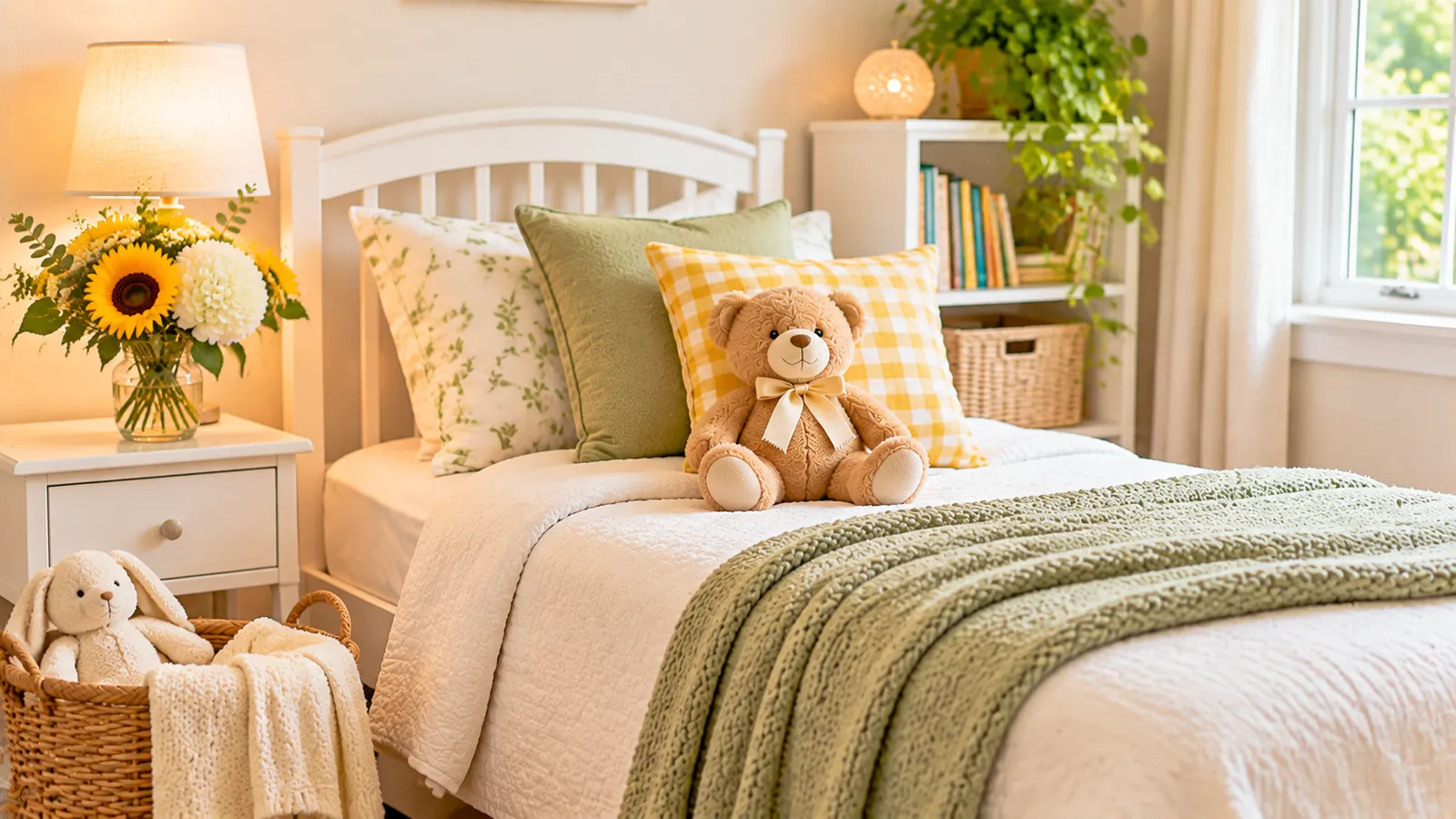
Prepare a bedroom or personal area before the child arrives, with clean bedding, a reading light, storage, and a few everyday essentials. Keep the decor simple at first so the space does not feel overwhelming. If possible, offer a choice of two bedding colors, a blanket, or a small room accessory.
Leave room for the child to make the space their own over time. They may want to display personal belongings, rearrange items, or keep things very simple. Avoid filling the room with permanent decorations before you know what they like. A comfortable space that respects their choices can be a lasting part of the welcome.
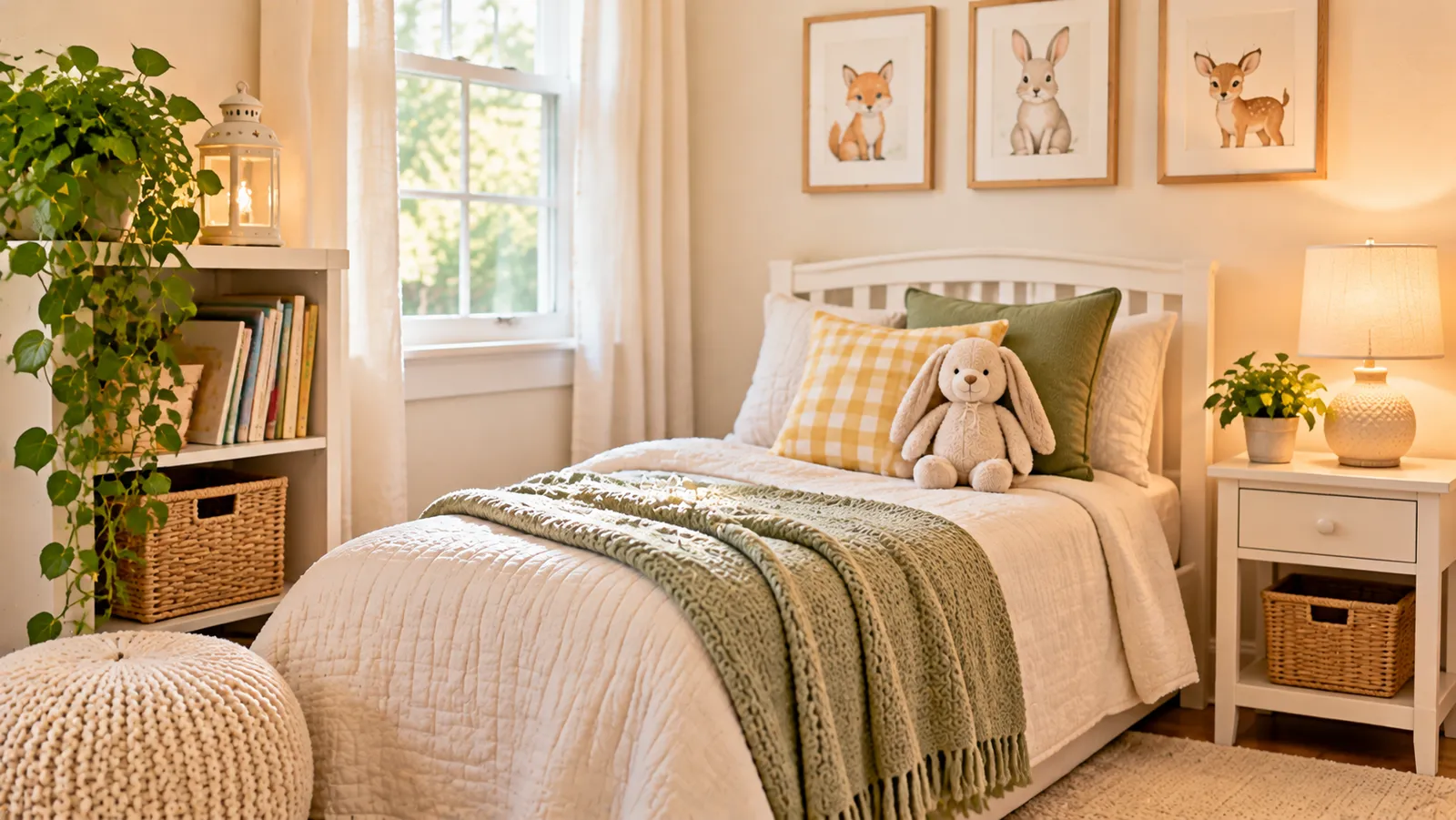
Set Up a Simple Welcome Basket
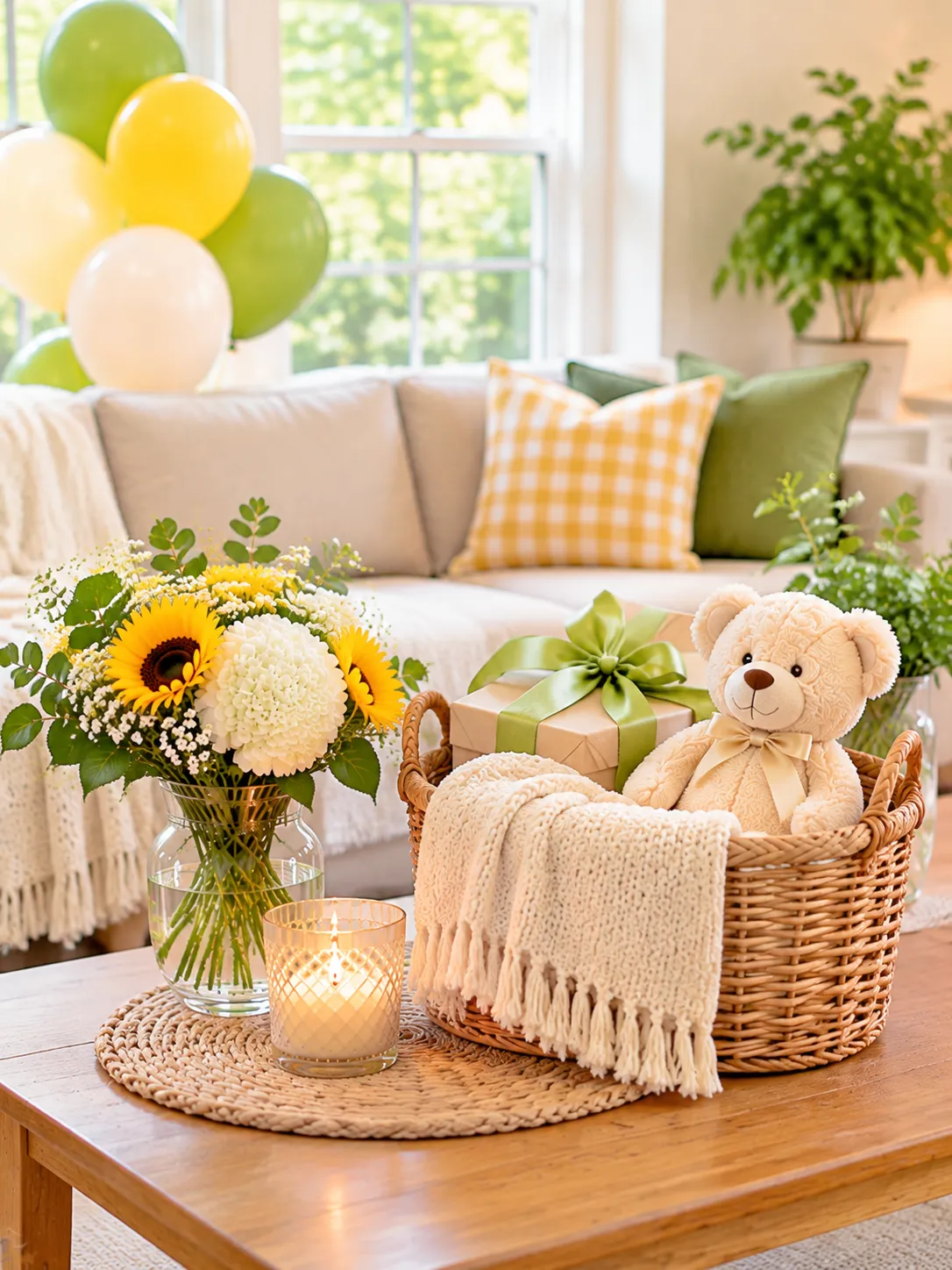
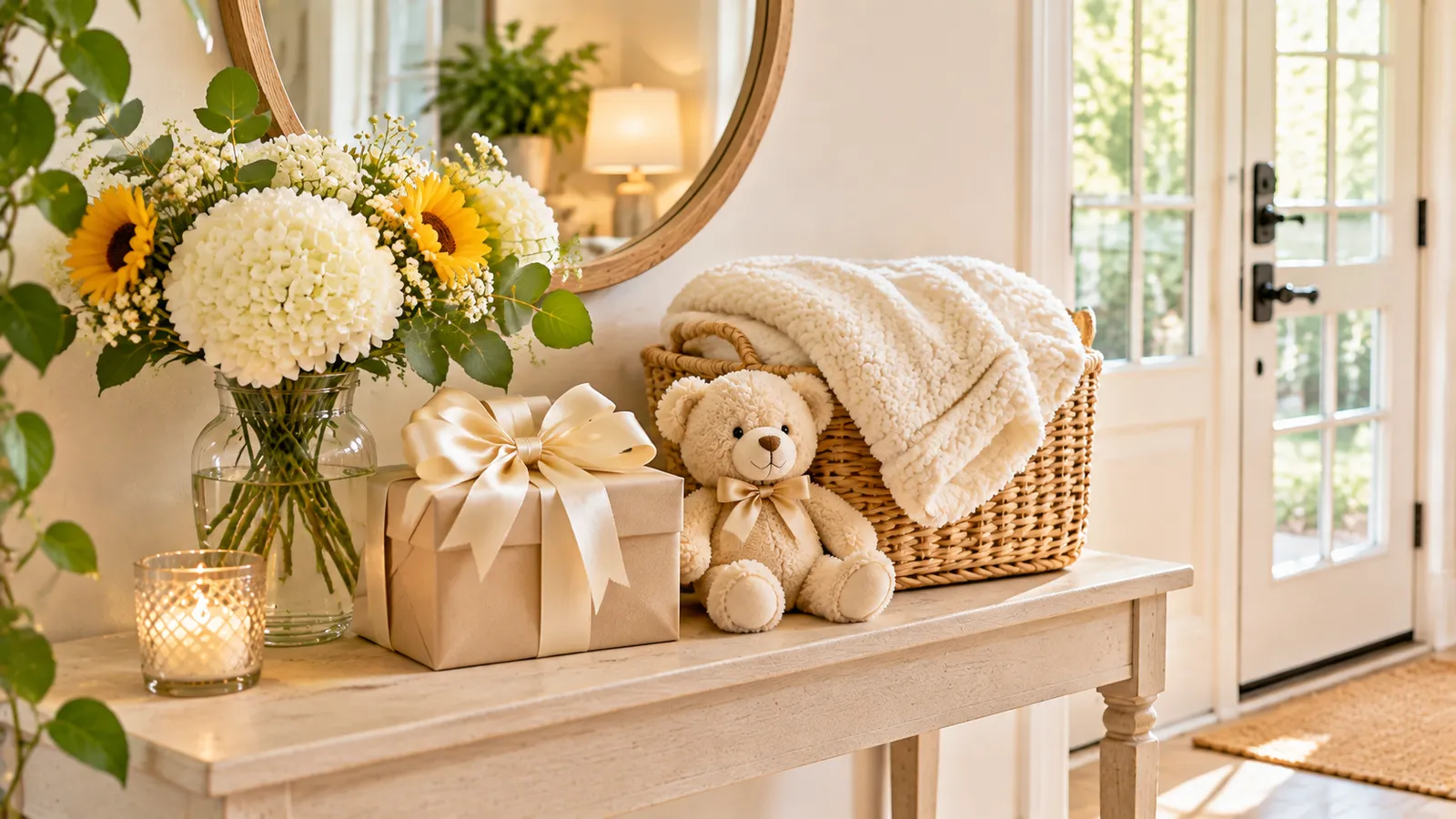
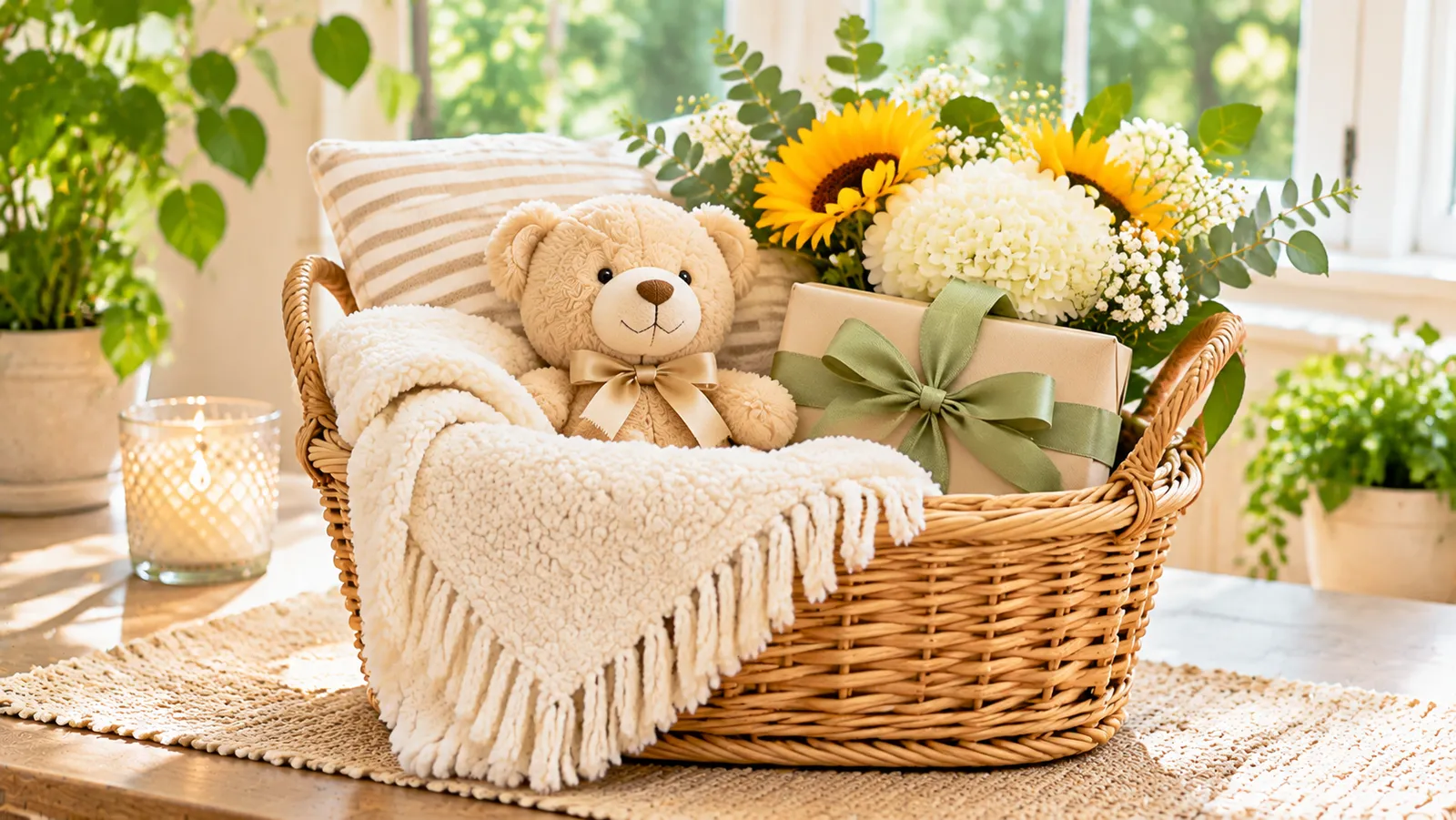
A small basket can hold useful items such as a water bottle, toothbrush, hairbrush, socks, pajamas, a notebook, or a few age-appropriate comfort items. Choose practical things in neutral styles when you do not yet know the child’s preferences. Keep receipts and packaging in case sizes or products need to be changed.
Do not treat the basket as a substitute for asking what the child needs. Some items may be personal or sensitive, and children should have a say in what they use. Let them explore the basket privately if they prefer. A few useful choices are often better than a large collection of gifts they may feel obliged to appreciate.
Use Gentle and Flexible Decorations
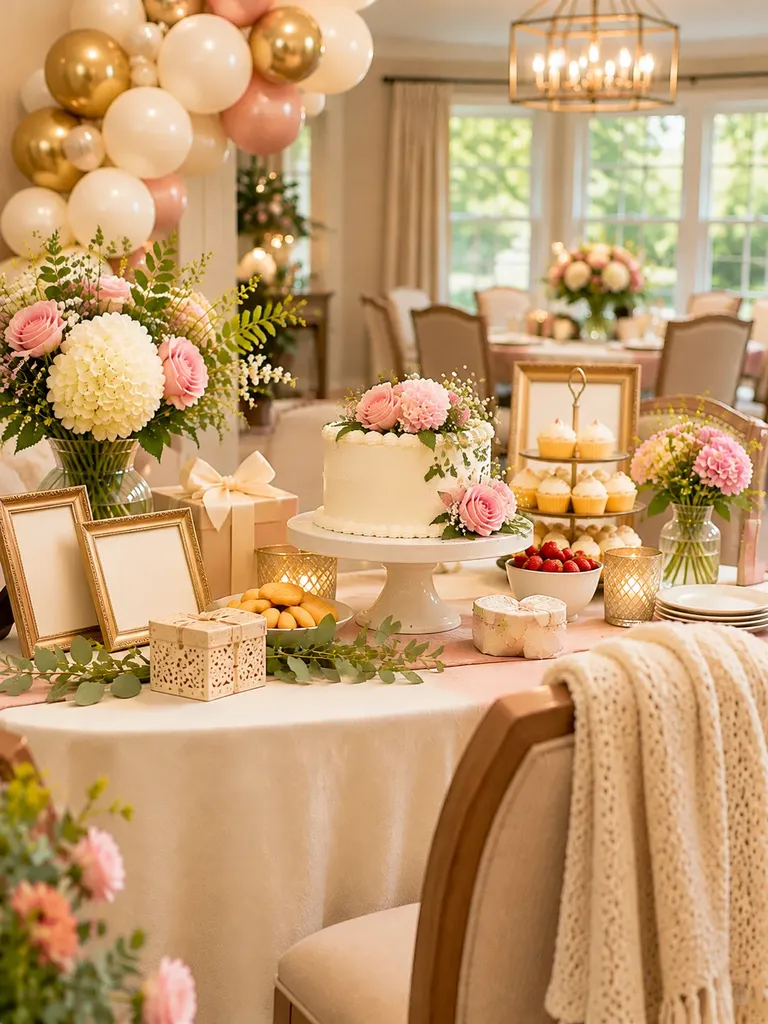
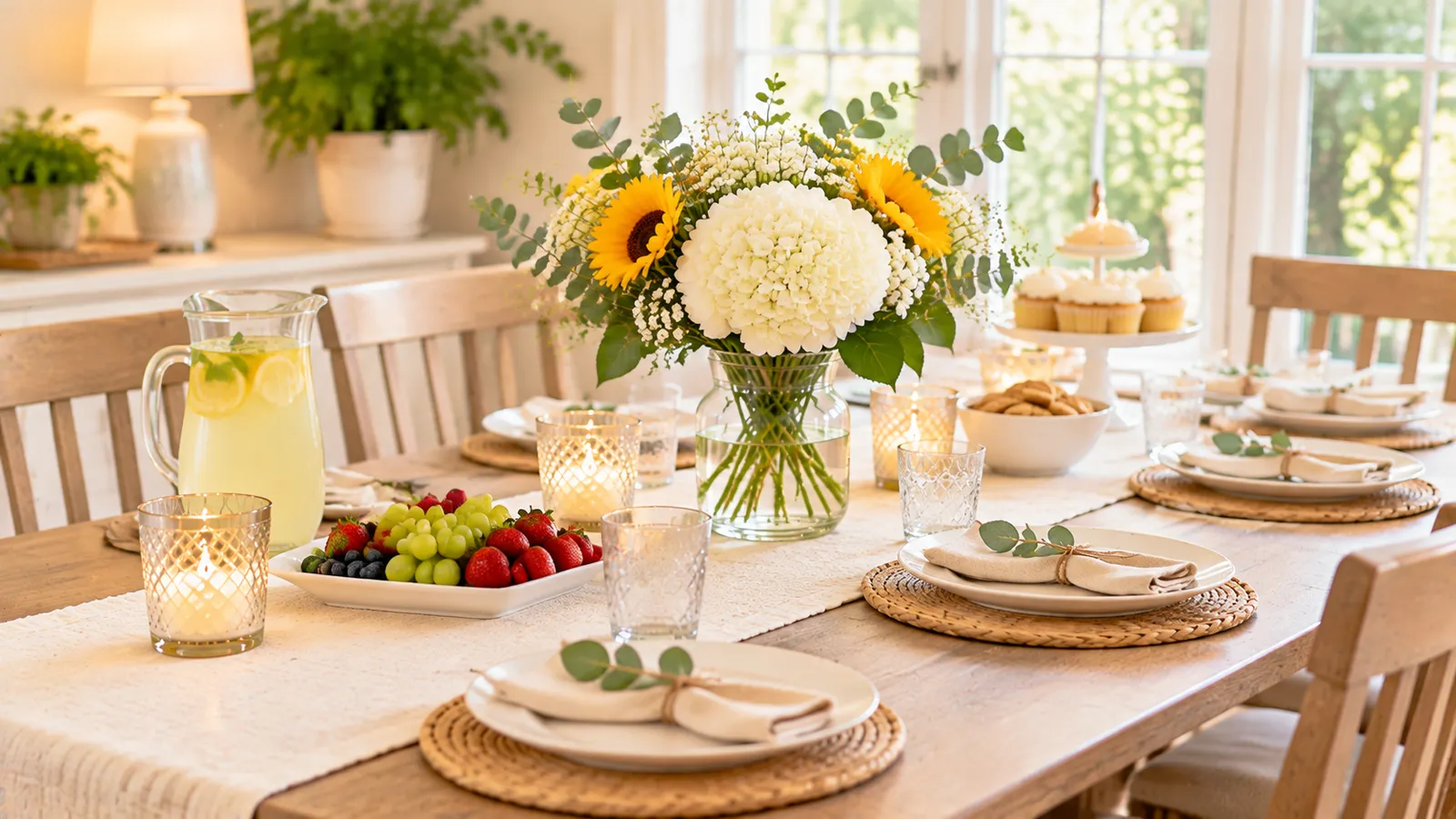
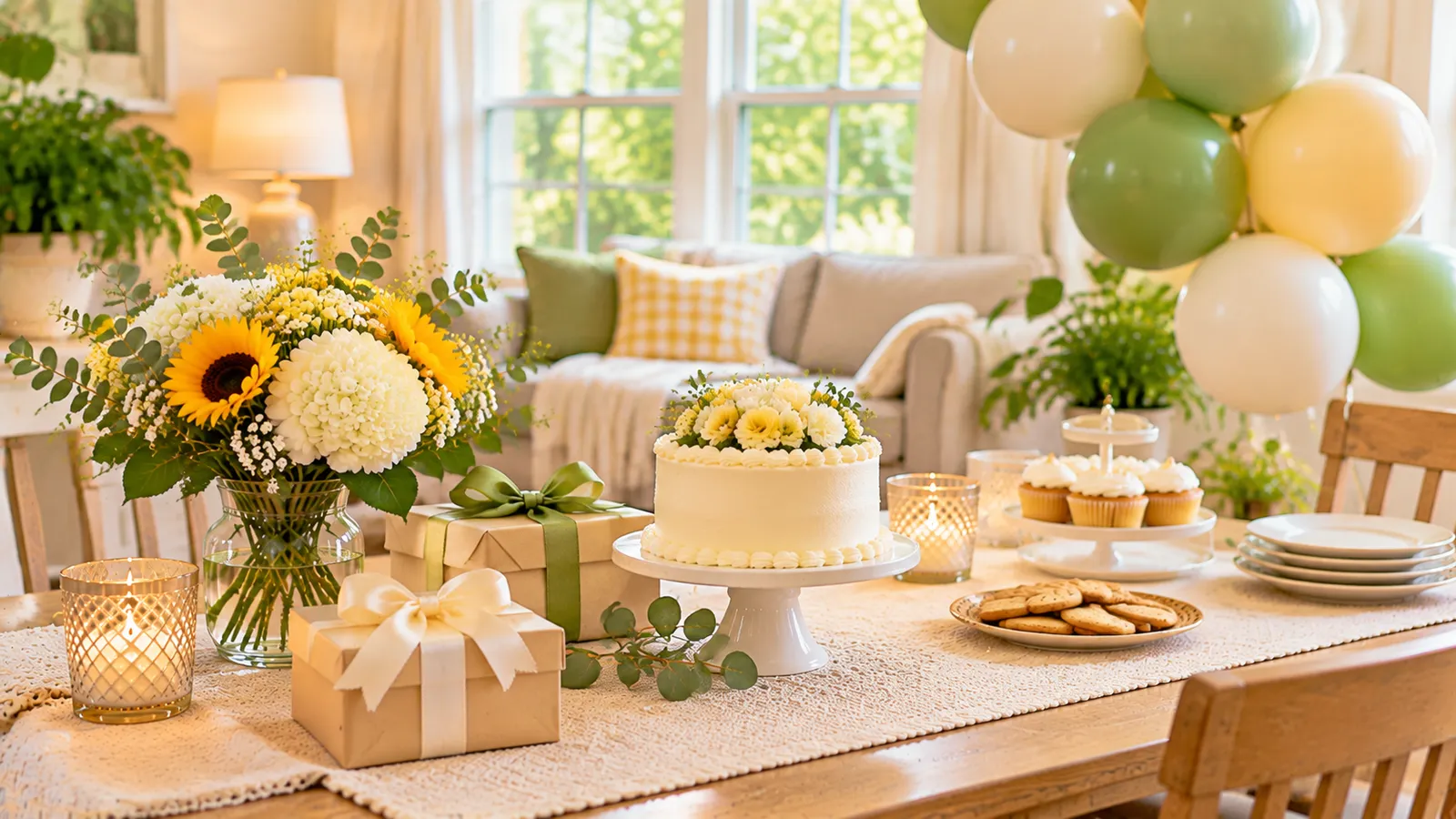
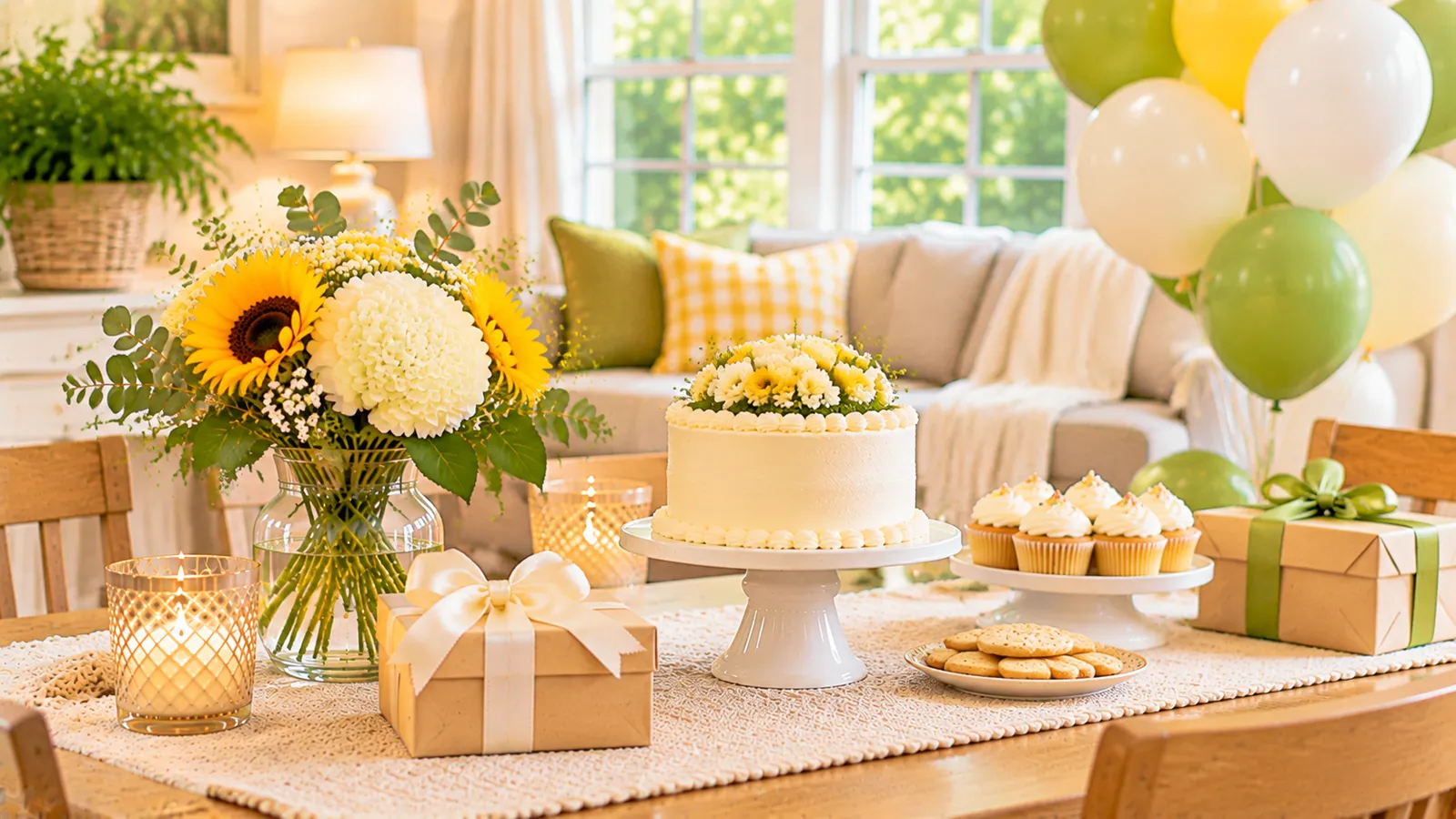
If the child enjoys decorations, choose a simple look with soft colors, fresh flowers placed safely out of reach, paper garlands, or a small balloon cluster. You could decorate the dining table or one corner of the living room rather than changing the whole house. Keep pathways open and avoid anything noisy or startling.
Let the child opt out of decorations or help choose them if they want. Avoid messages that make assumptions about how long the placement will last or what the future will look like. A welcoming room can feel warm without making promises or putting the child on display.
Prepare a Favorite Meal or Snack
Food can be a comforting part of a welcome, especially when you offer familiar and simple choices. Ask about allergies, dietary needs, cultural or religious food preferences, and foods the child does not eat. If you do not know their preferences yet, offer a few straightforward options rather than planning an elaborate menu.
Make mealtime relaxed and avoid turning it into a test of gratitude or good manners. The child may be nervous, tired, or not hungry. Let them choose what and how much to eat within the household’s usual safe options. Keep snacks and water easy to find so they can settle in without having to ask for every small thing.

Invite the Child to Choose an Activity
An activity gives everyone something easy to do together without requiring a long conversation. Offer options such as a board game, coloring, a puzzle, a short walk, baking, or watching a favorite family-friendly movie. Keep the choices age-appropriate and make it clear that joining in is optional.
Let the child choose the activity or suggest something different. If they want to watch rather than participate, that is fine too. Avoid competitive games or activities that could make a child feel singled out. The best first activity is simply a chance to spend time together in a way that feels comfortable.
Plan a Family Meal without Formalities
A shared meal can help introduce household routines in a natural way. Choose a familiar dinner, breakfast, or casual lunch and explain simple details such as where people sit, how food is served, and where drinks are kept. Keep the meal short if the child seems tired or uncomfortable.
Do not expect the child to share personal history or answer questions about their family. Adults should guide conversation toward ordinary topics such as favorite books, games, pets, or hobbies, while allowing the child to pass on any question. A meal should feel like an everyday family moment, not an interview.
Create a Quiet Corner for Downtime
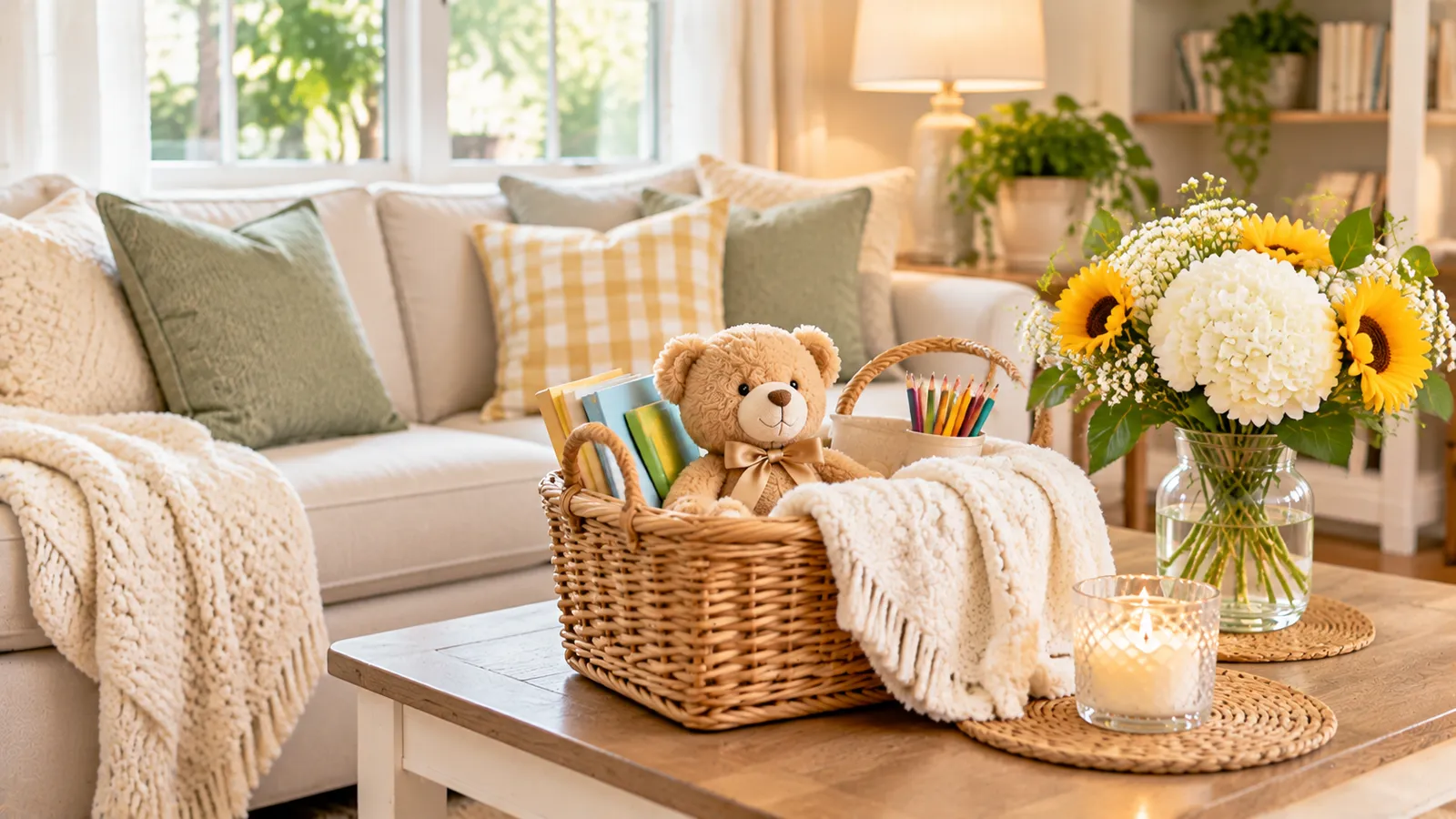
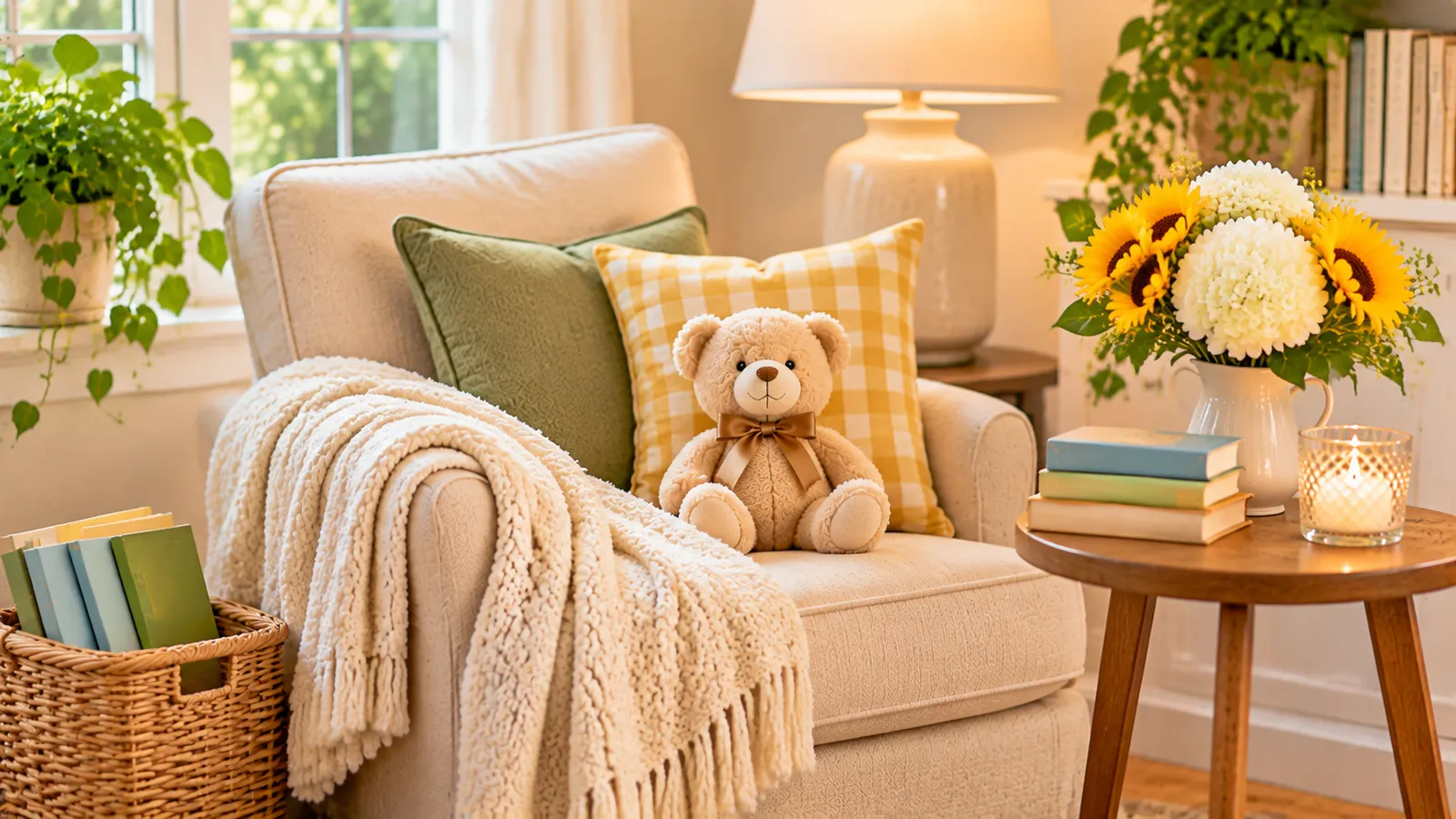
Even a happy welcome can be tiring. Set aside a quiet place with a comfortable chair, soft blanket, books, headphones if appropriate, or a few calm activities. Explain that the child can use the space whenever they want and does not need to ask permission to take a break.
Make sure the quiet area is not used as punishment or as a place where the child is sent away. It should be an available choice, not an expectation. Check in gently and respect signs that the child needs space. A calm corner can help the child manage the many feelings that may come with a new environment.

Offer a Choice of Small Welcome Gifts
If gifts are appropriate, keep them modest and let the child’s interests guide the choices. A sketchbook, art supplies, a book, a sports ball, a puzzle, or a cozy blanket may be useful depending on their age and preferences. When you are unsure, a gift card or a chance to choose something later can give the child more control.
Avoid gifts that suggest the child must become part of a particular family tradition or take on a new identity right away. Do not expect an enthusiastic reaction or a thank-you in front of others. The purpose is to offer something kind, not to create an obligation. Keep the option to exchange or decline a gift open.
Keep Photos and Social Sharing Private
Before taking any pictures, check the agency’s rules and the child’s wishes. Some placements have strict limits on photography, online sharing, or identifying details. Even when photos are allowed, ask permission and respect a no without asking the child to explain.
Do not post the child’s face, name, location, school, placement status, or personal story on social media unless the responsible agency and legal guardians have clearly approved it. Guests should receive the same privacy guidance. A welcome can be remembered through a private note or family journal instead of public photos.
Include Siblings and Other Household Members Thoughtfully
If there are other children in the home, prepare them for the welcome in an age-appropriate way. Explain what they can expect, which belongings are shared, and which personal spaces and items remain private. Give everyone a chance to ask questions without making the new child responsible for reassuring them.
Invite siblings to help with a small task if they want, such as choosing a snack or setting out games. Do not ask them to act as caregivers or expect instant closeness. Relationships take time, and each child needs attention, boundaries, and reassurance as the household adjusts.
Make the First Week Feel Predictable
A welcome celebration is only one moment; the daily routine that follows matters even more. Use a simple schedule for meals, school, bedtime, transportation, and household expectations. Explain changes ahead of time when possible and let the child know which adult they can approach with questions.
Keep routines realistic and coordinate with the caseworker, school, and other approved support people as needed. Children may need time to learn the layout of the home and the family’s habits. Repeat important information calmly rather than assuming they remember it the first time. Predictability can make a new place feel easier to navigate.
Celebrate in a Way That Respects the Child’s Story
Some families may want to mark the first day with a small keepsake, a handwritten note, or a favorite shared activity. Keep the focus on the present moment and avoid language that suggests the child should feel lucky, rescued, or instantly at home. Every child has a personal history that deserves care and respect.
Let the child decide whether they want to keep a memento or mark the date in any way. Avoid public announcements or explanations about why the child is living with you. A thoughtful celebration does not need to tell their story to other people. It can simply communicate that they are valued and welcome today.
Ask for Help and Keep Plans Flexible
Hosting and adjusting to a new placement can be demanding. Ask a trusted adult to help with groceries, a meal, laundry, or practical errands so the primary caregivers can focus on the child. Check with the agency before involving other people or arranging visits, and make sure helpers understand confidentiality and household boundaries.
Be ready to cancel or change the celebration if the child needs rest, privacy, or a quieter day. There is no need to complete every planned activity. The most important part of a foster care welcome is the ongoing care that follows: listening, keeping routines steady, honoring boundaries, and making room for trust to grow at the child’s pace.
Frequently Asked Questions
How do you welcome a foster child into your home?
Start with a calm, prepared environment and explain what the child can expect. Offer practical essentials, simple food choices, and a chance to rest. Follow the child’s lead, respect their privacy, and coordinate with the caseworker about any specific needs or restrictions.
Should you have a welcome party for a foster child?
A party is optional and may not be right for every child. Some children enjoy a small family meal or activity, while others prefer a quiet arrival with no visitors. Ask the child what feels comfortable when appropriate, and follow the agency’s guidance.
What should you put in a foster child welcome basket?
Useful basics may include toiletries, pajamas, socks, a water bottle, a notebook, or a small age-appropriate activity. Choose items with the child’s needs and preferences in mind, and offer choices when possible. Avoid assuming that every child will want the same things.
Can you post photos of a foster child’s welcome celebration on social media?
Do not post photos or identifying details unless the agency and all relevant legal authorities have clearly approved it. Foster care placements often involve strict confidentiality rules. Ask before taking pictures, follow the child’s wishes, and keep private information off public accounts.
Related Ideas
15 Baby Shower Ideas for a Beautiful Celebration
15 Co-Ed Baby Shower Ideas for a Fun, Welcoming Party
15 Gender Reveal Party Ideas for a Memorable Celebration
15 Gender Reveal Dinner Ideas for a Special Night
15 Gender Reveal Balloon Pop Ideas for a Fun Surprise
15 Baby Sprinkle Ideas for a Sweet, Simple Celebration
15 Sip and See Party Ideas for a Sweet Baby Welcome
15 Welcome Baby Party Ideas for a Joyful Celebration
15 Birth Announcement Celebration Ideas for Families
15 Nursery Reveal Party Ideas for a Sweet Baby Celebration
15 Adoption Celebration Ideas for a Meaningful Family Day
15 Adoption Finalization Party Ideas for a Joyful Day
15 Pregnancy Announcement Party Ideas to Share the News
15 Pregnancy Milestone Celebration Ideas for Every Stage
15 Maternity Celebration Ideas for a Special Day
15 Push Present Celebration Ideas for a New Mom
15 First Mother's Day Celebration Ideas for a New Mom
15 First Father's Day Celebration Ideas for a New Dad
15 Baby's First Christmas Ideas for a Special Celebration
15 Baby's First Easter Ideas for a Sweet Celebration
15 Baby's First Halloween Ideas for a Sweet Celebration
15 Baby's First Birthday Party Ideas for a Special Day
15 Baptism Reception Ideas for a Meaningful Celebration
15 Christening Reception Ideas for a Sweet Family Celebration
15 Naming Ceremony Ideas for a Meaningful Celebration
15 Family Reunion Ideas for a Fun Family Gathering
15 Family Game Night Ideas for a Fun Night at Home
15 Family Picnic Ideas for a Fun Day Outdoors
15 Birthday Party Ideas for Grandparents to Feel Special
15 New Family Home Celebration Ideas for a Special Day
15 Welcome Home Baby Party Ideas for a Sweet Celebration
15 Sibling Announcement Party Ideas to Share the News
15 Grandparent-to-Be Announcement Ideas to Share the News