15 Arab American Heritage Month Celebration Ideas
Arab American Heritage Month is a wonderful opportunity to recognize the history, culture, and contributions of Arab Americans. Celebrated each April, the month encourages families, schools, and communities to learn about Arab American experiences and the many ways Arab Americans have helped shape life in the United States. It is also a chance to enjoy cultural traditions through food, music, art, stories, and meaningful activities.
There are many simple ways to take part, whether you are planning a family gathering, decorating a classroom, organizing a community event, or creating an educational display at home. You do not need a large budget or an elaborate celebration. A thoughtful book display, a shared meal, a craft activity, or a conversation about Arab American history can make the month special. Here are 15 Arab American Heritage Month celebration ideas to help you get started.
Create an Arab American Heritage Display
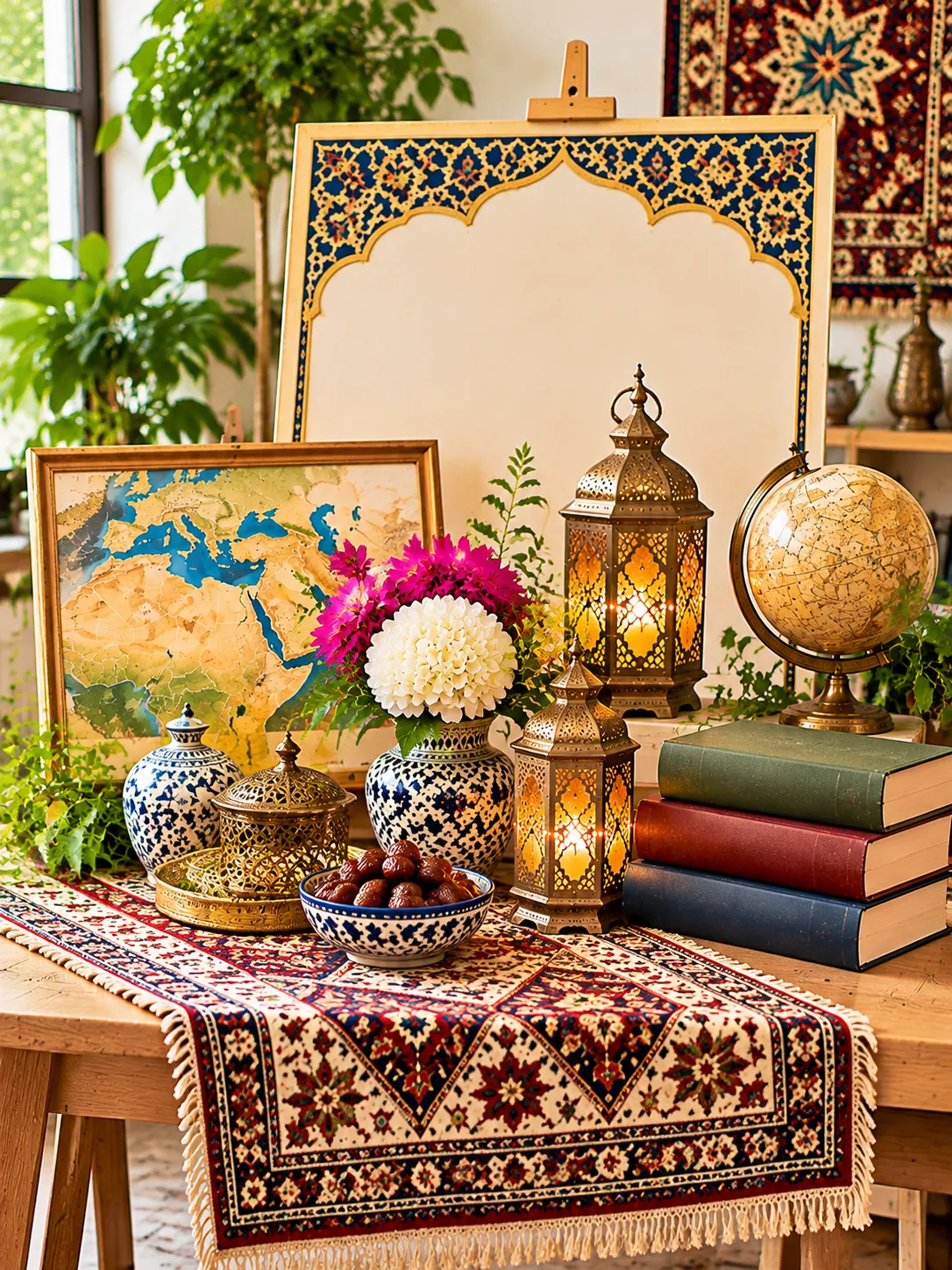
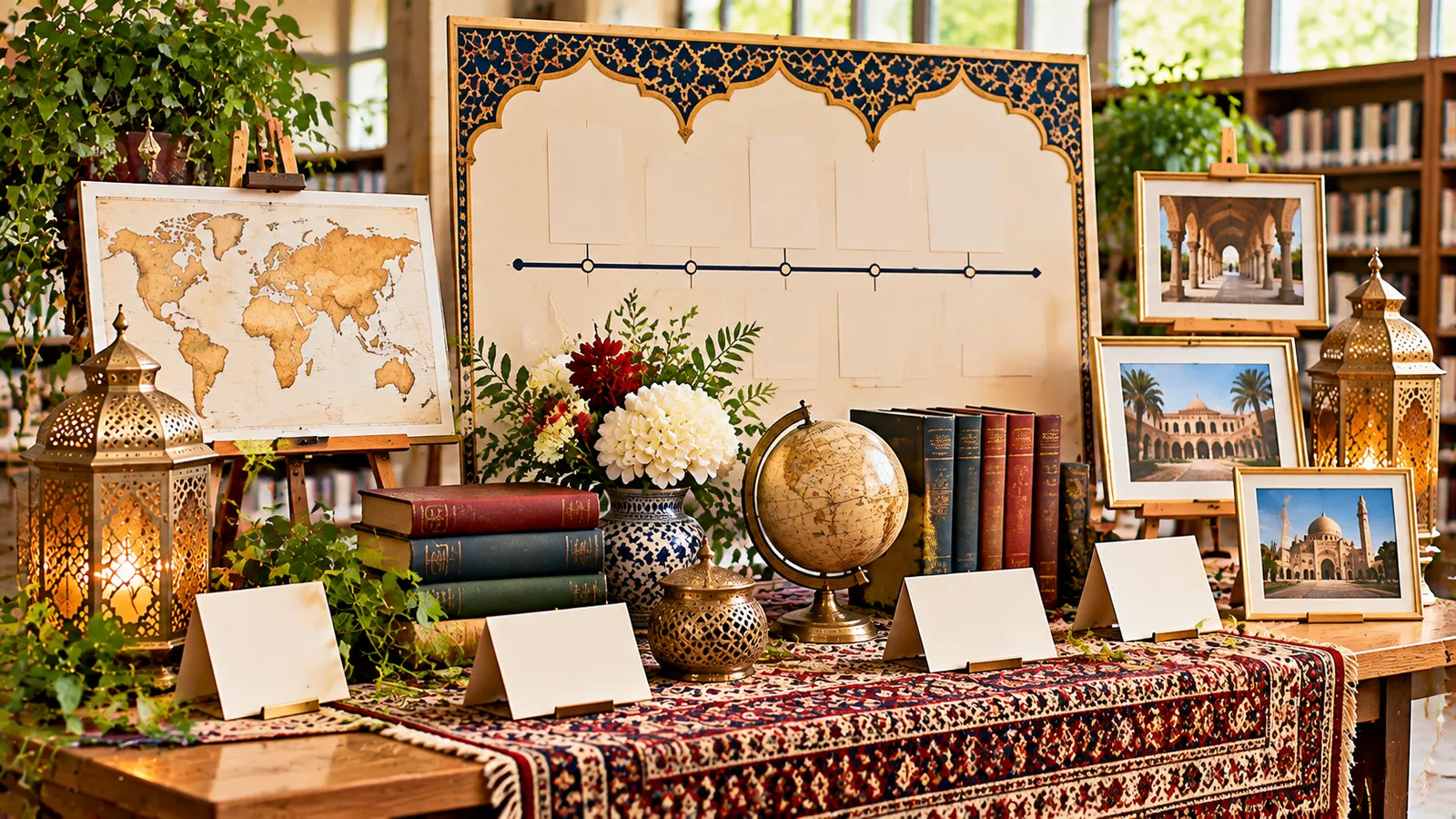
Set up a small heritage display at home, in a classroom, or in a community space. Use a table or shelf to arrange books about Arab American history, photographs of cultural landmarks, maps, and decorative items inspired by different Arab cultures. You can add fresh flowers, patterned fabric, small lanterns, and simple decorative bowls to make the display warm and welcoming.
Try to include information that shows the diversity of Arab American experiences. Arab Americans have family roots in many countries, including Lebanon, Syria, Egypt, Palestine, Jordan, Iraq, Yemen, and others. A display that recognizes different backgrounds can help visitors understand that Arab American culture is not just one tradition or style. Keep the information easy to read and choose reliable educational resources.
Host an Arab American Family Dinner
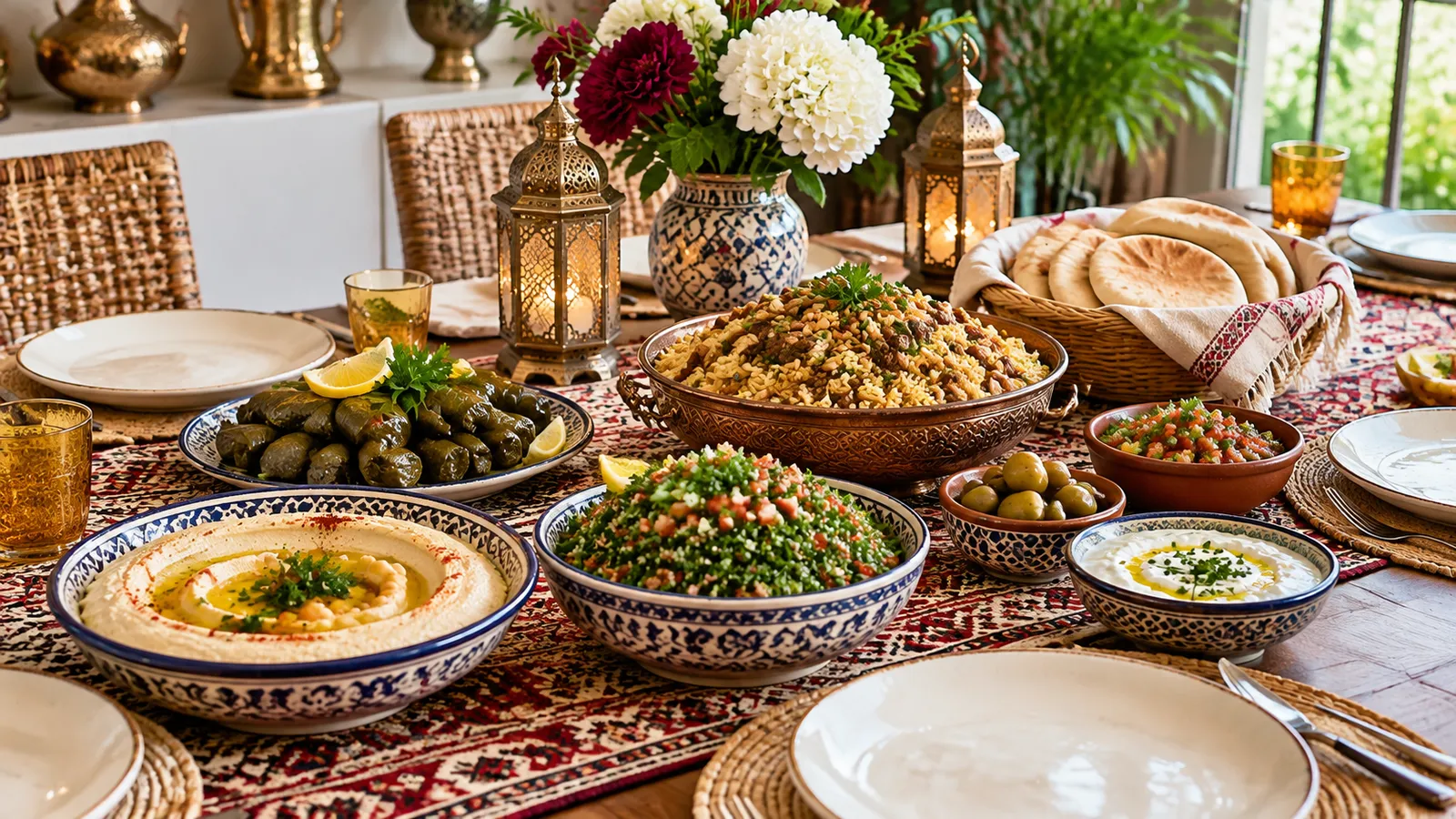
A shared meal is a lovely way to bring people together and learn about food traditions. Invite family members or friends for an Arab-inspired dinner featuring dishes such as hummus, tabbouleh, lentil soup, stuffed grape leaves, or rice dishes. You can prepare everything at home or invite guests to bring a dish they enjoy and would like to share.
Food traditions vary across Arab countries and families, so there is no single menu that represents everyone. If you know someone who wants to share a family recipe, give them the opportunity to tell its story. You can also label the dishes with their names and countries or regions of origin when that information is known. Remember to ask about food allergies and offer vegetarian or other suitable choices.
Decorate With Arab-Inspired Patterns and Details
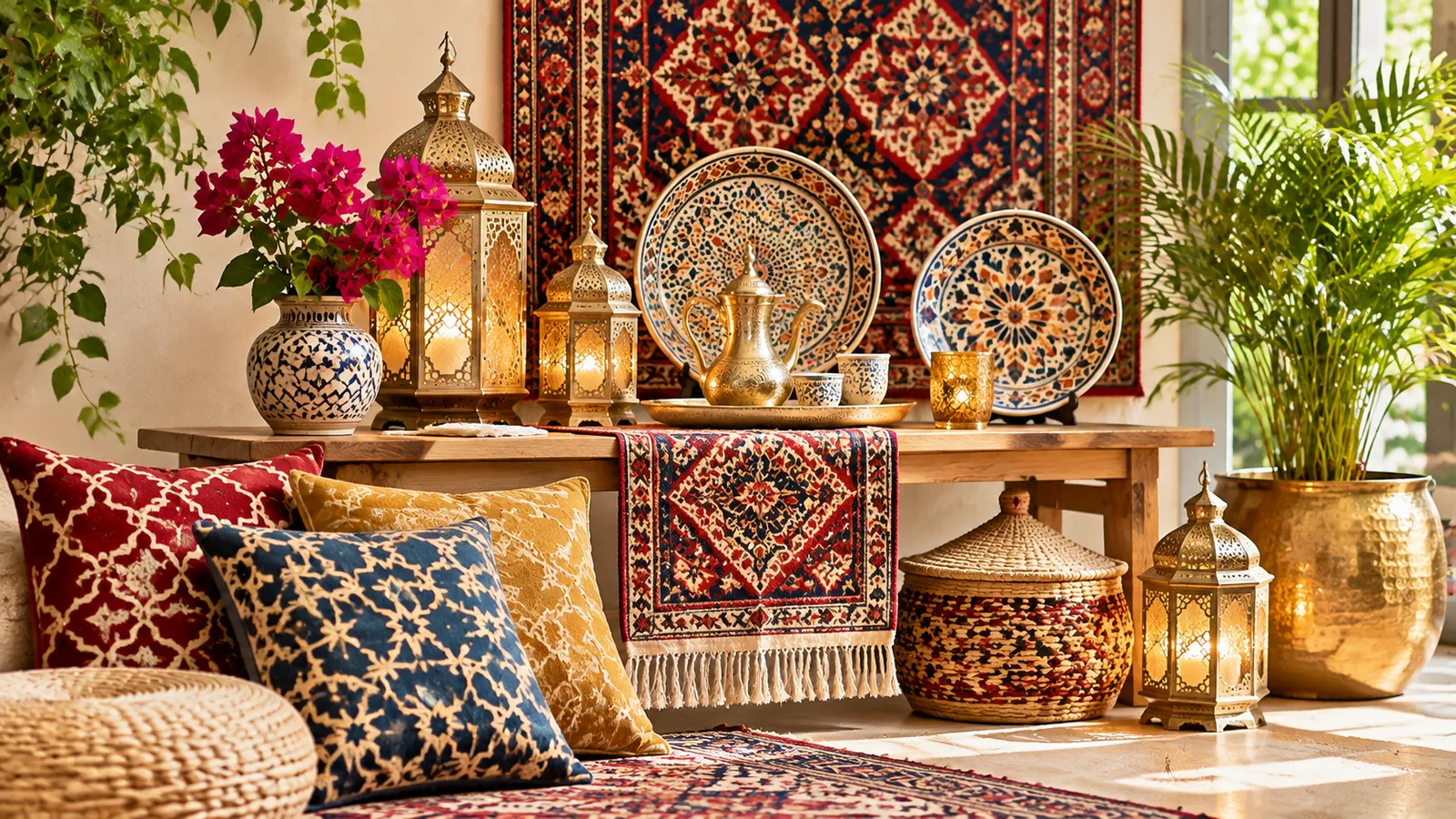
Create a welcoming celebration space with decorative details inspired by Arab art and design. Geometric patterns, colorful textiles, decorative ceramic plates, woven baskets, and metal lanterns can add warmth to a room. Choose a few pieces that work well together rather than filling every surface with decorations.
Arab design traditions are varied, with different styles found across regions and communities. You can use patterns and objects as inspiration while learning about where they come from. Add a small information card explaining the design or craft you are highlighting. This makes the decorations more meaningful and gives children and guests something interesting to discover.
Set Up an Arab Heritage Craft Station
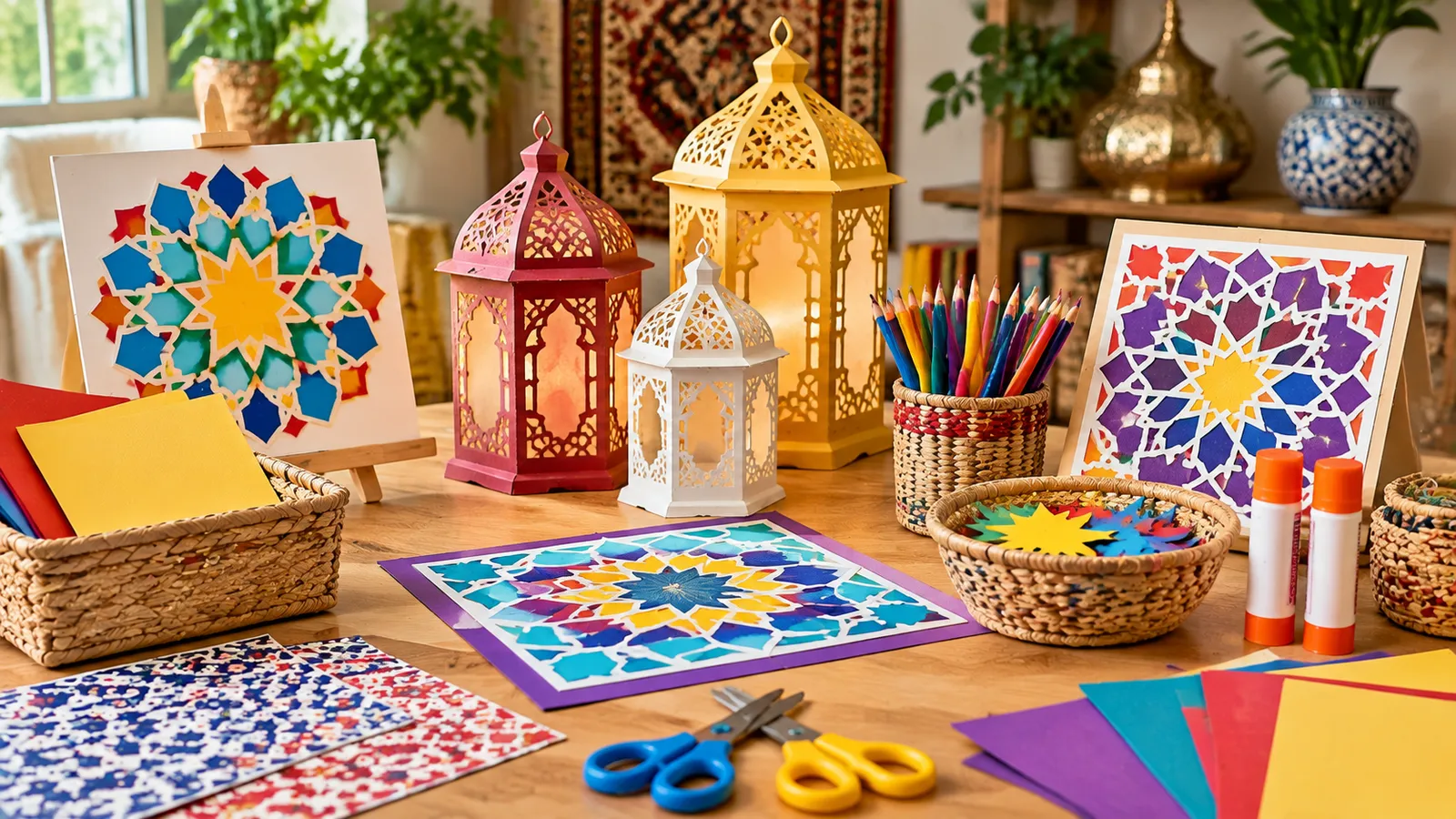
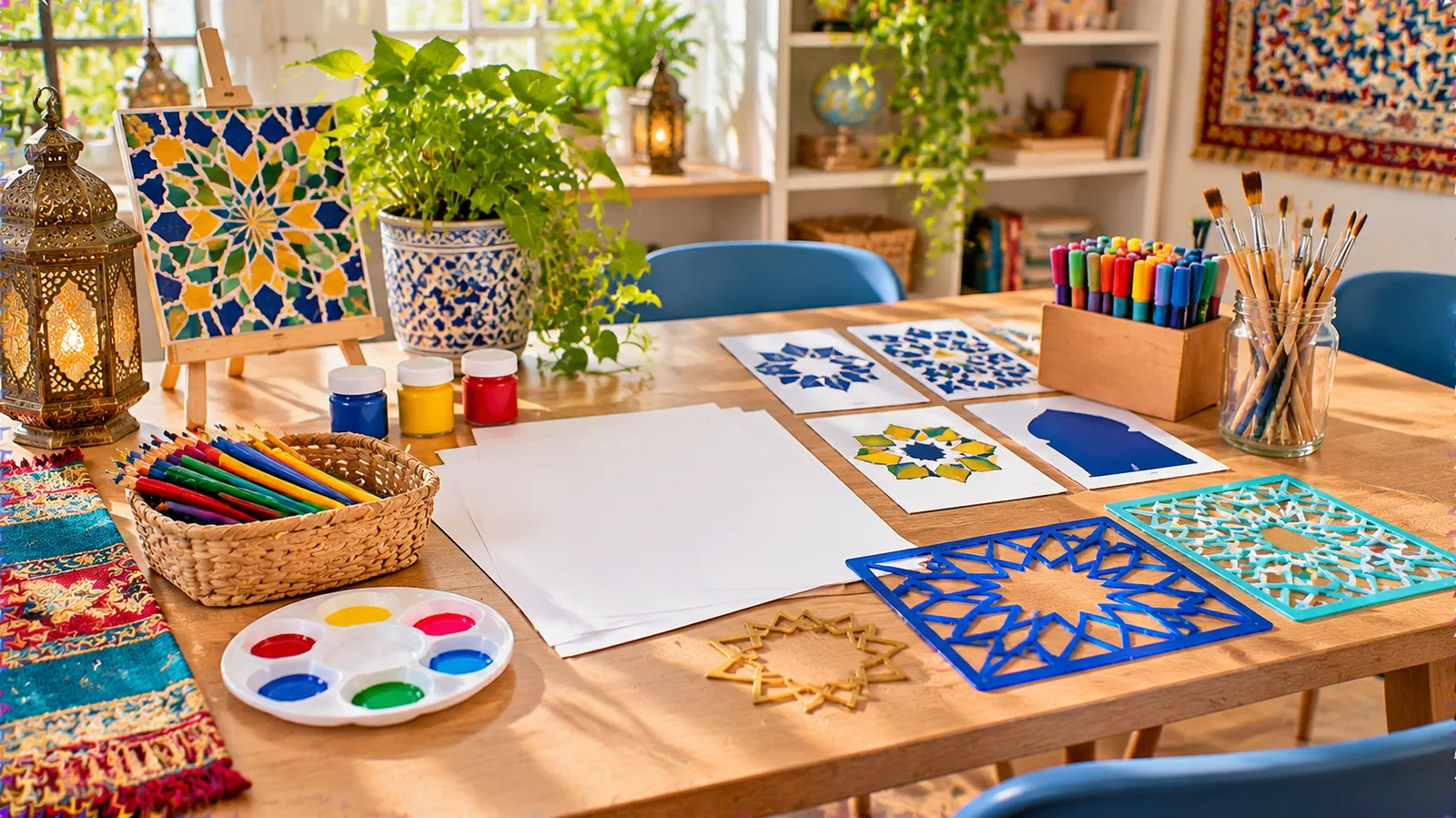
A craft station gives children and adults a hands-on way to enjoy the celebration. Provide colored paper, safe scissors, glue sticks, markers, and patterned materials. Guests can create geometric designs, paper lanterns, decorative bookmarks, or colorful mosaic-inspired artwork using paper shapes.
Before starting, show examples of geometric patterns and explain that these designs appear in many forms of art and architecture across different parts of the Arab world. Let everyone create their own designs instead of expecting all projects to look the same. Display the finished crafts on a wall or table so guests can enjoy the creativity throughout the celebration.
Explore Arab American Music
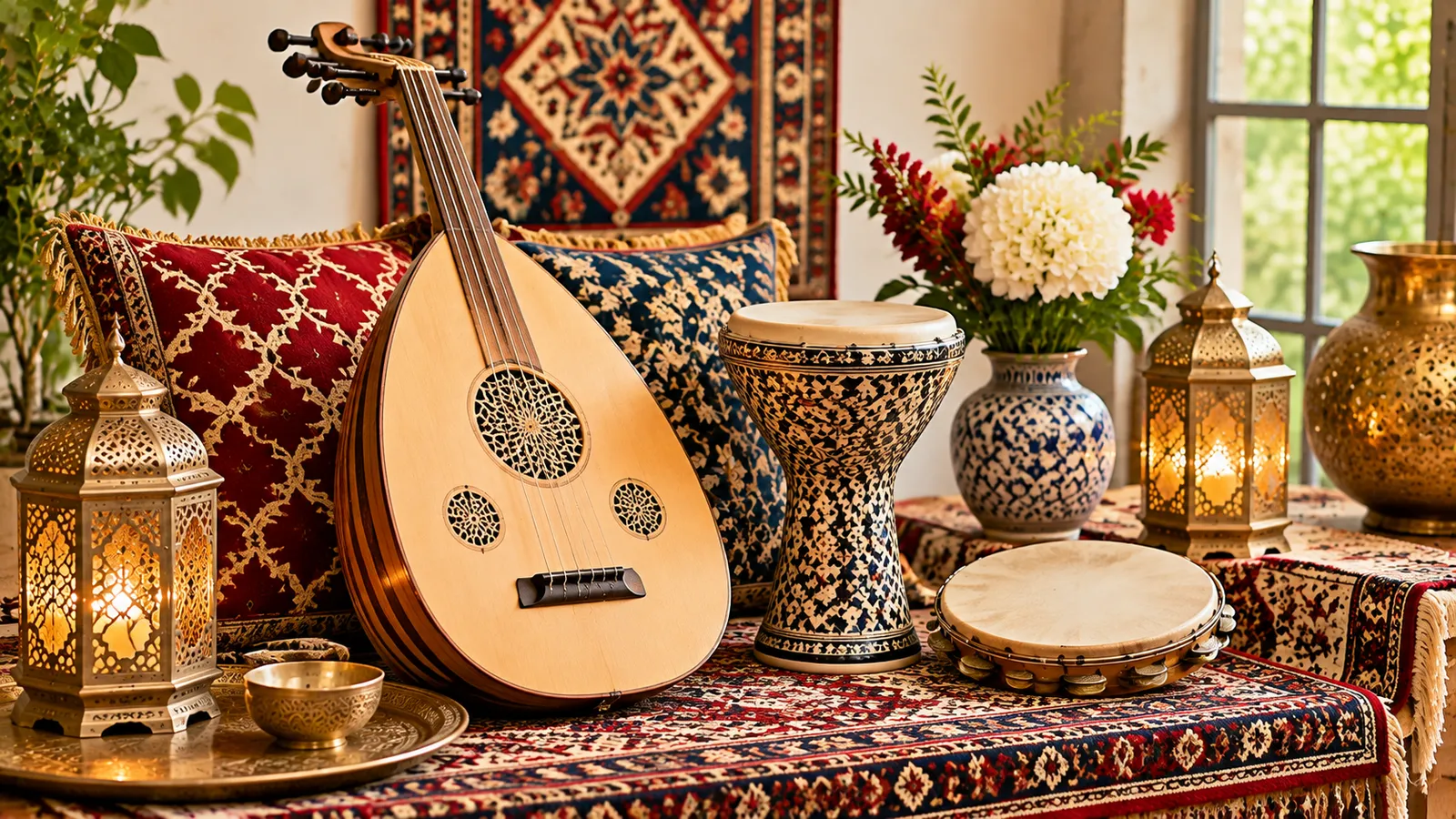
Music can make an Arab American Heritage Month gathering feel lively and inviting. Put together a playlist that introduces guests to different Arab musical styles, artists, and sounds. You might include traditional instruments, contemporary Arab American musicians, and popular songs from artists with different cultural backgrounds.
Take a little time to learn about the music rather than using it only as background decoration. Share the names of the musicians and explain what makes each selection interesting. Arab music is diverse, and musical traditions differ across countries and communities. A varied playlist can help guests discover sounds they may not have heard before.
Prepare an Arab Dessert and Tea Table
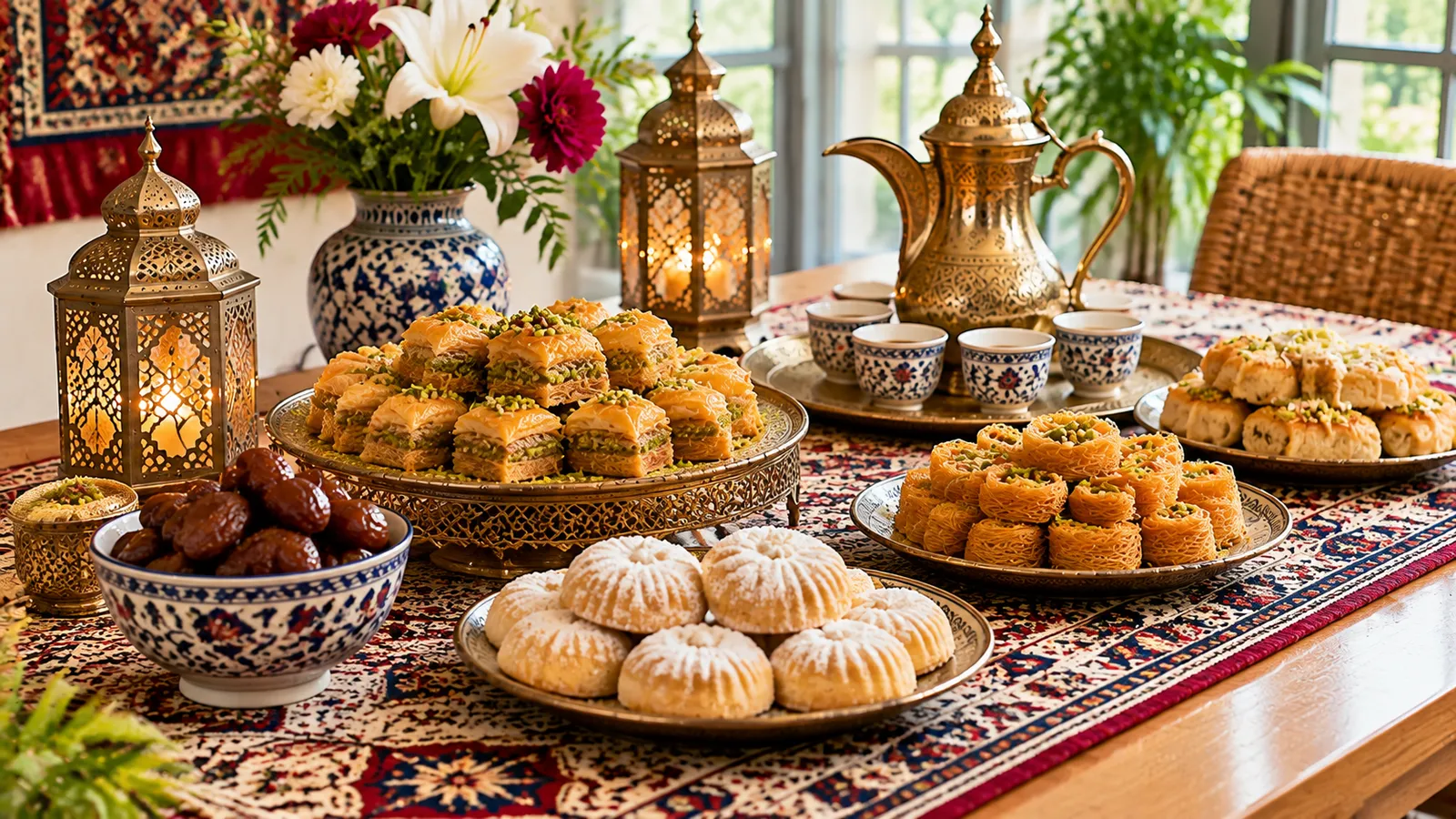
A dessert table is an easy way to add something special to a heritage celebration. Arrange a selection of sweets such as baklava, ma'amoul, date-filled pastries, or other desserts enjoyed in Arab communities. Add small plates, serving trays, napkins, and a simple flower arrangement to make the table look inviting.
You can also serve tea, coffee, or other non-alcoholic drinks alongside the desserts. Presentation does not need to be complicated. Use small serving dishes and label each treat so guests can learn its name. Since recipes vary by country and family, you can include a note about the particular tradition or recipe being shared.
Create an Arab American Reading Corner
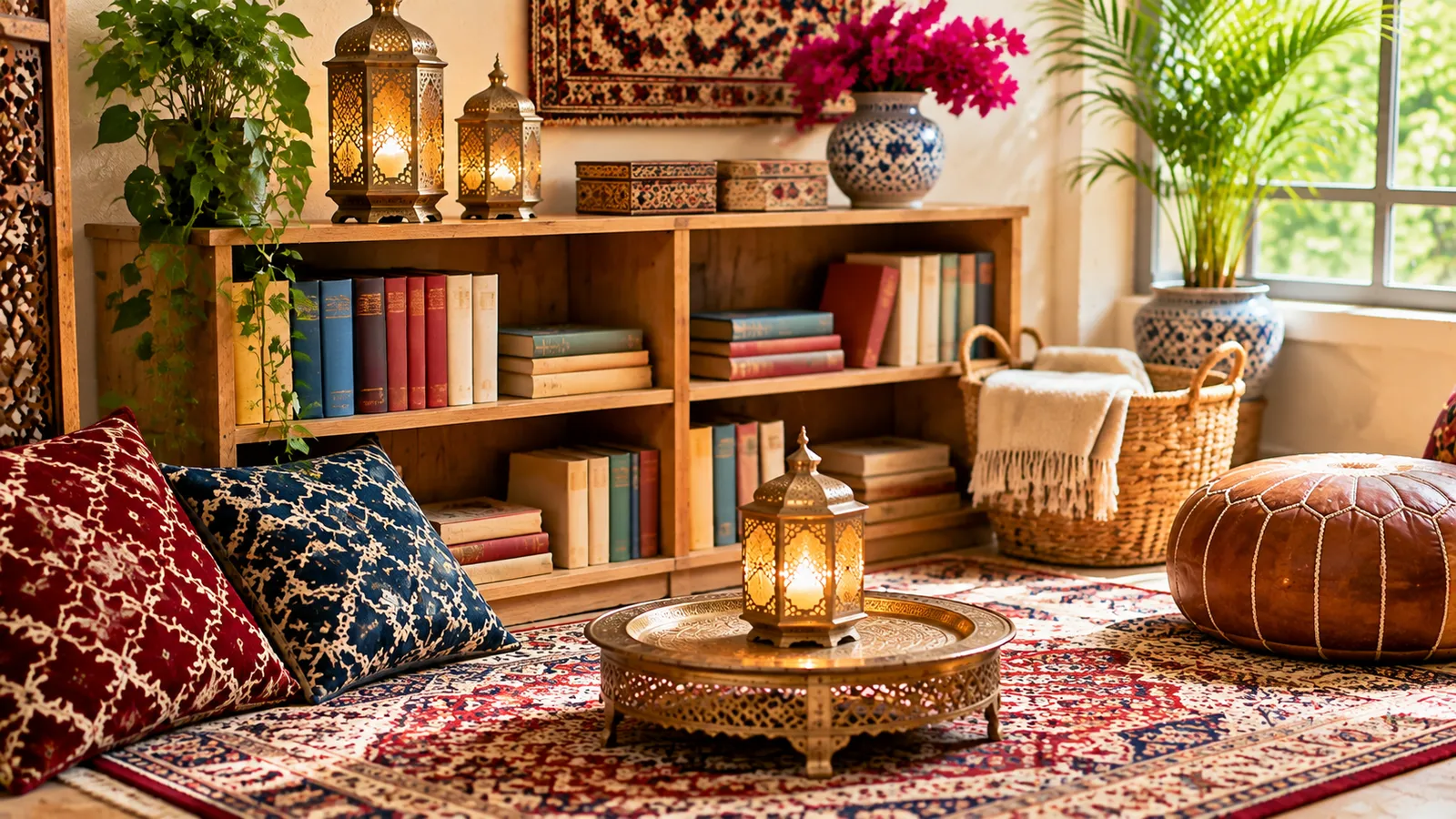
Books are a meaningful way to introduce children and adults to Arab American stories. Set up a reading corner with books by Arab American authors, picture books about Arab American families, biographies, poetry, and stories that explore different cultural experiences. Add comfortable cushions, a soft rug, and a small basket for younger readers.
Choose books that represent a range of voices and experiences. Some stories may focus on family traditions, while others explore immigration, identity, friendship, history, or everyday life in the United States. You can invite family members, teachers, or community volunteers to read a book aloud. After reading, ask children what they learned and which parts of the story stood out to them.
Organize an Arab American Heritage Picnic
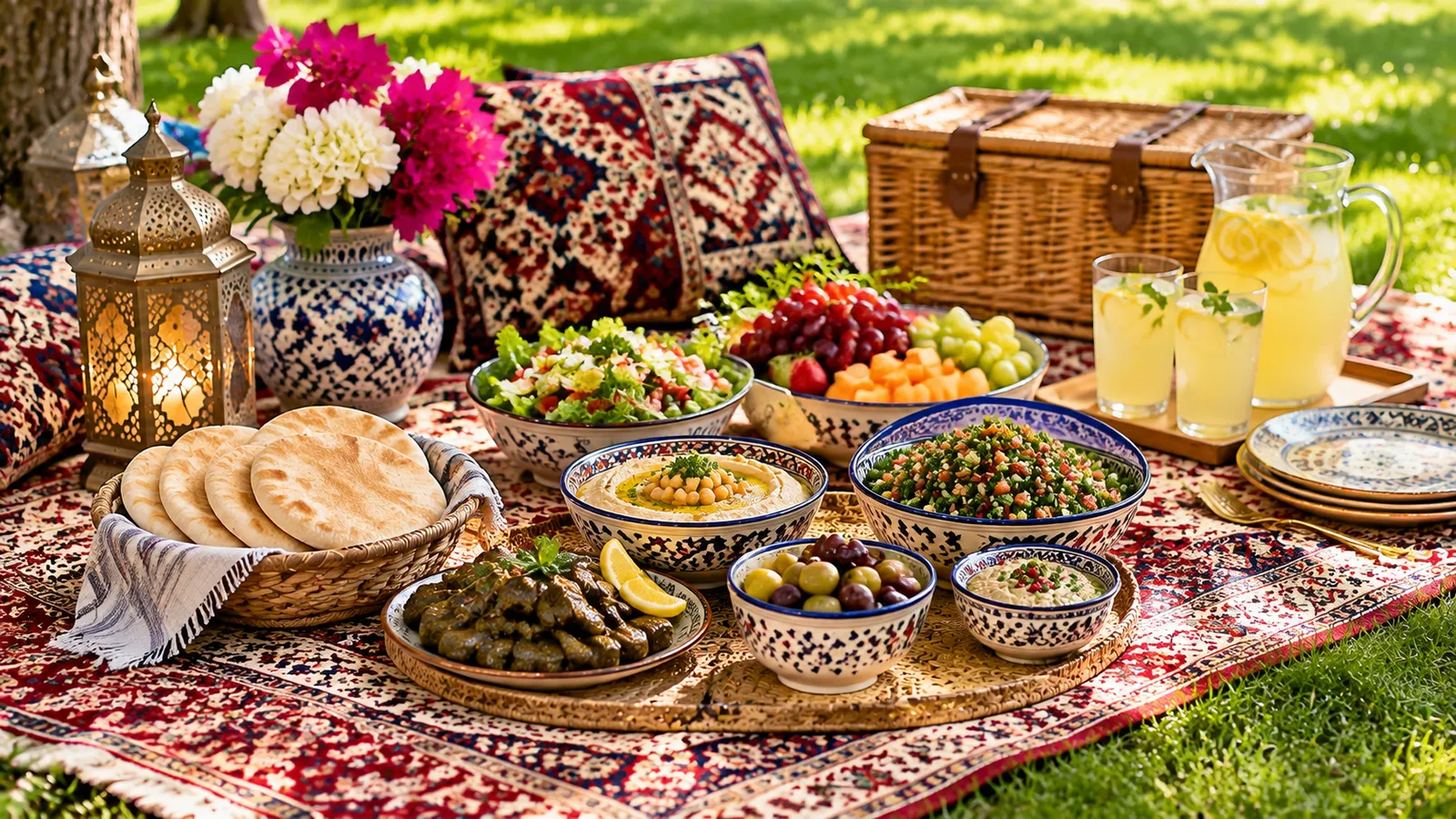
A picnic is a relaxed way to celebrate with family, friends, or neighbors. Choose a park, backyard, or community garden and bring blankets, reusable plates, drinks, and a selection of foods inspired by Arab family recipes. Fresh fruit, salads, pita bread, dips, and easy-to-share dishes can make the meal simple to serve outdoors.
Add a few activities to keep the gathering enjoyable for different age groups. Children can work on coloring sheets, simple crafts, or a cultural discovery activity while adults share stories and recipes. You could also create a small table with books and information about Arab American history. Keep the event comfortable and welcoming so everyone has room to participate.
Arrange an Arab Art and Calligraphy Activity
Art can introduce guests to the beauty and variety of creative traditions found across Arab communities. Set up an art table with paper, pencils, markers, and examples of Arabic calligraphy and decorative lettering. If possible, invite a knowledgeable artist or teacher to demonstrate how Arabic letters connect to form words and artistic compositions.
Make the activity respectful and educational by using accurate examples and checking the spelling and meaning of any Arabic words you include. Arabic is written from right to left, and its lettering has several styles. Children can experiment with decorative shapes and patterns without needing to copy religious or meaningful phrases they do not understand. The finished artwork can be displayed as part of the celebration.
Learn About Arab American History
Arab American Heritage Month is a good time to explore the stories of Arab Americans throughout United States history. Set up a simple timeline with key events, historical photographs, biographies, and examples of contributions in areas such as education, business, public service, science, literature, sports, and the arts.
Try to include a variety of people and experiences rather than focusing on just one individual or time period. You can research local Arab American history, explore community archives, or use educational resources from museums and libraries. For children, turn the activity into a short research project where each person chooses one Arab American figure and shares a few facts about their life and work.
Set Up a Cultural Welcome Table
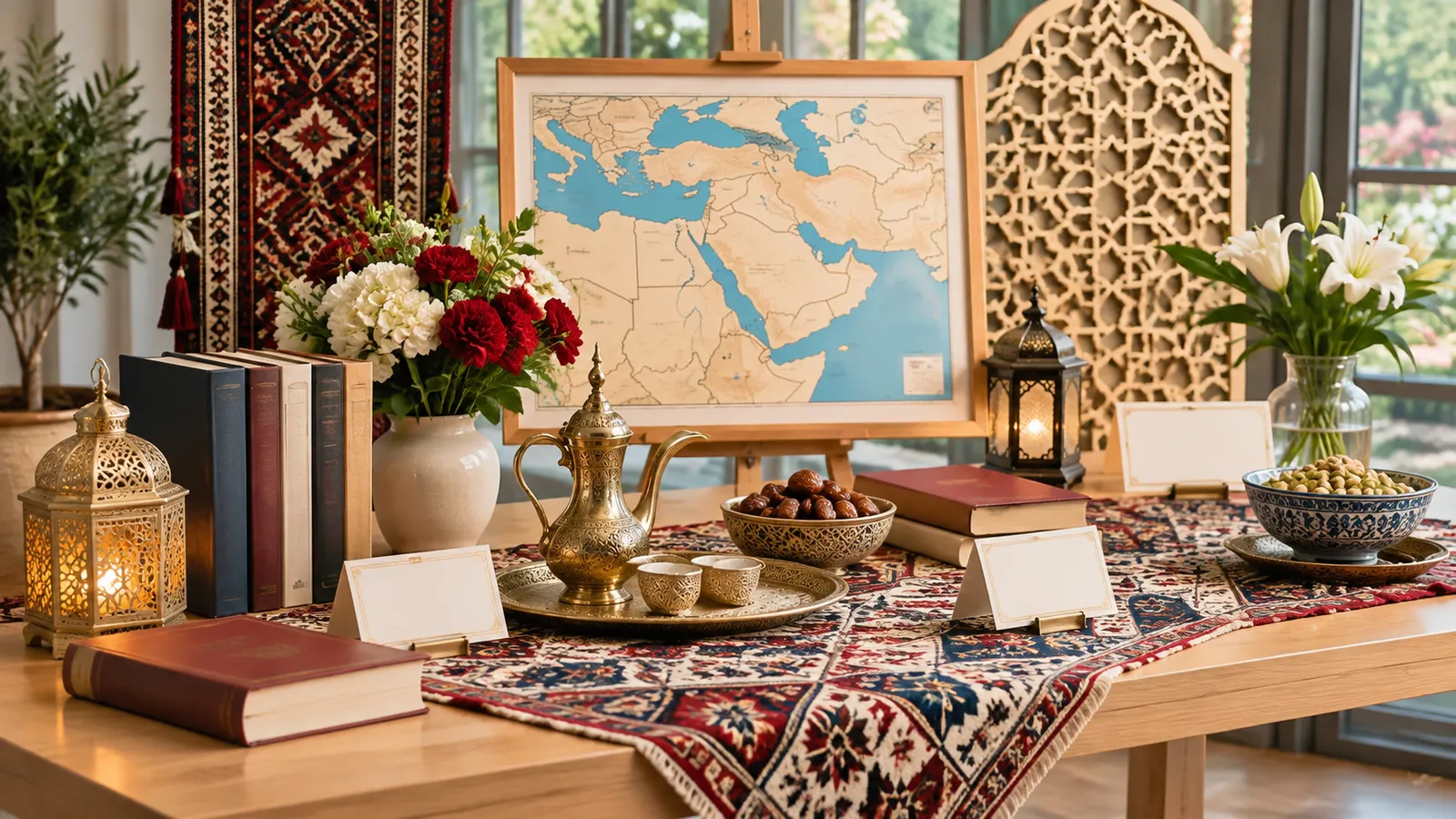
A welcome table can help guests feel included as soon as they arrive at a celebration. Place a small arrangement of flowers, a decorative tray, a few books, and simple information cards on a table near the entrance. You can also include a map showing the many countries and regions connected to Arab American communities.
Keep the display informative without suggesting that every Arab American shares the same customs, language, or family history. A short greeting, a few facts about the month, and a list of activities can help visitors understand the purpose of the gathering. If you are hosting a larger event, provide a sign-up sheet for guests who want to join future cultural or educational activities.
Plan an Arab Geography and Culture Activity
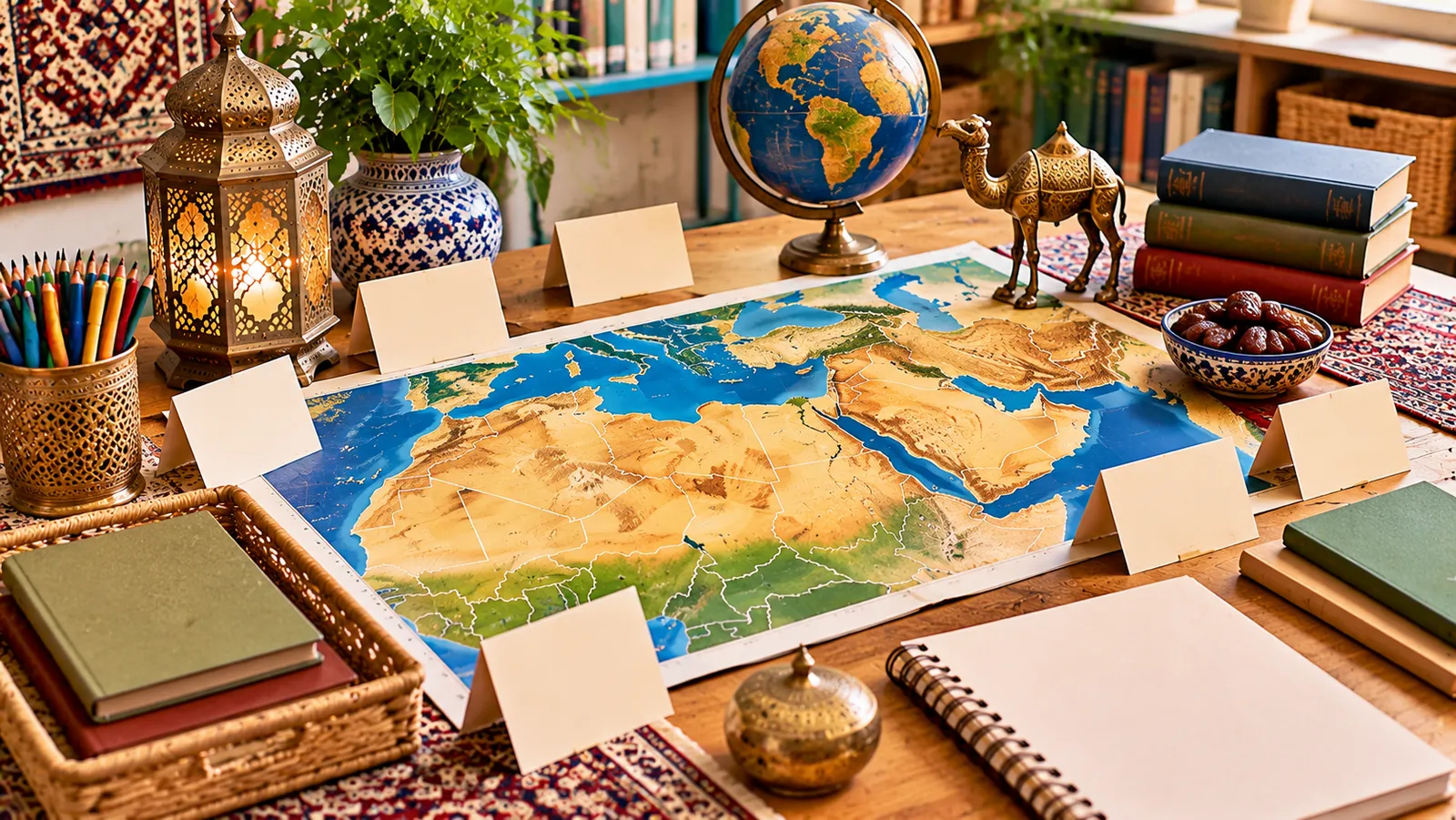
A geography activity can help children and adults learn about the different countries that make up the Arab world. Provide a large map and invite participants to locate countries such as Morocco, Algeria, Tunisia, Egypt, Lebanon, Jordan, Iraq, Saudi Arabia, and others. You can add small cards with country names, capital cities, landmarks, or interesting facts.
Make it clear that the Arab world includes many countries with different landscapes, histories, foods, and traditions. Not every person from these countries has the same identity or cultural background. Let participants explore one country at a time and share what they discover. This activity works well in classrooms, libraries, homeschool settings, and family gatherings.
Support Arab American-Owned Local Businesses
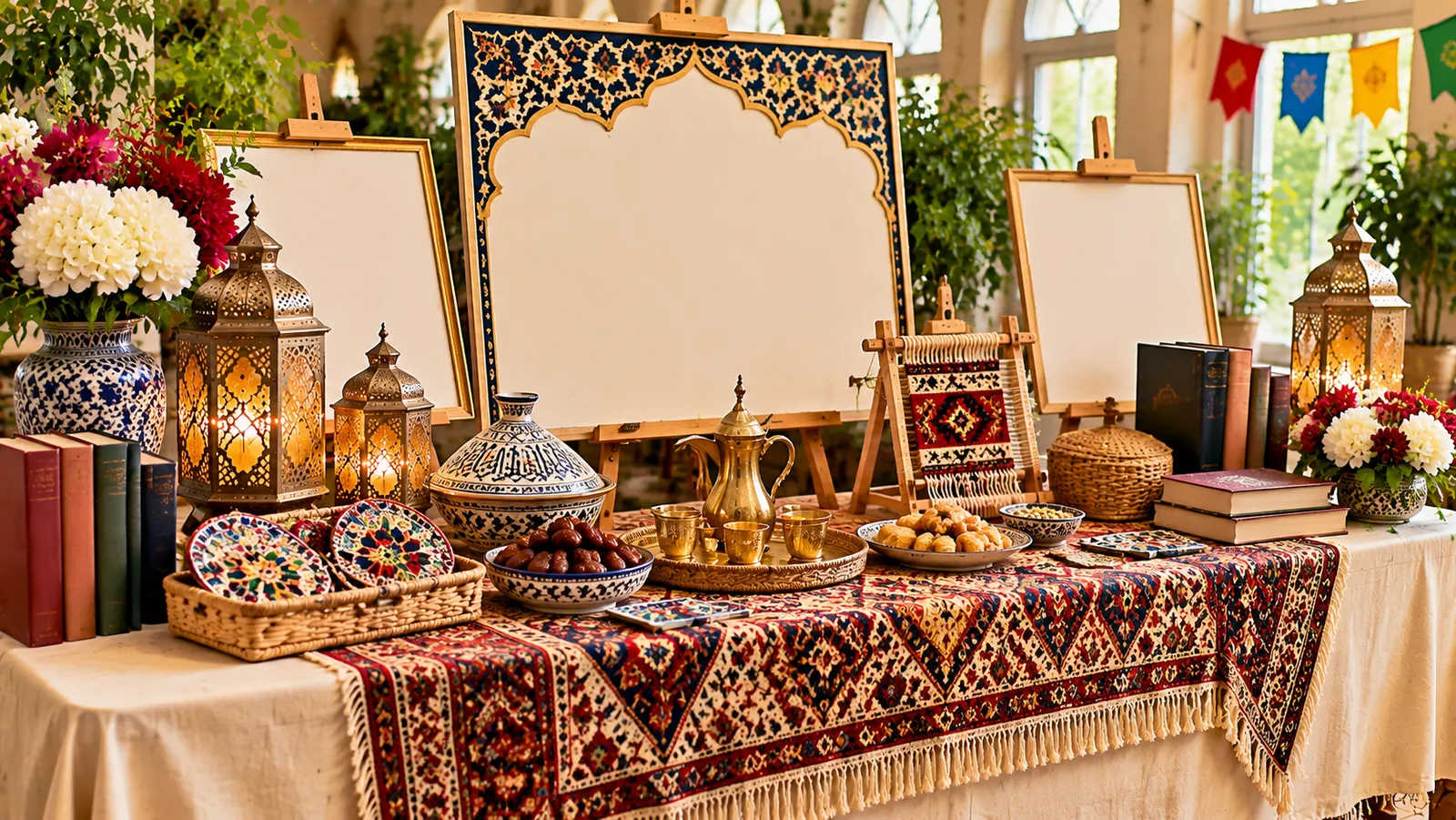
Supporting local businesses is a practical way to recognize Arab American contributions to communities across the country. Look for Arab American-owned bakeries, restaurants, grocery stores, bookstores, art shops, and other small businesses in your area. You might plan a family visit, purchase a product, or share a business recommendation with friends.
If you are organizing a community celebration, consider inviting local business owners to participate. They may be interested in sharing a recipe, displaying handmade products, or talking about how they started their business. Always ask before using a business's name or photographs in event promotions. A little support can help local entrepreneurs feel appreciated and bring neighbors together.
Host an Arab American Film or Documentary Night
A movie night can introduce guests to Arab American stories through film. Choose a family-friendly movie, short film, or documentary made by Arab American filmmakers or featuring Arab American experiences. Check the age rating and subject matter before inviting children, and choose a film that fits the audience.
After the screening, leave some time for a friendly discussion. Ask guests what they learned, which characters or stories they connected with, and whether the film introduced a perspective they had not considered before. You can serve simple snacks and drinks to make the evening feel relaxed. A film night is also a good opportunity to discover filmmakers whose work guests may want to explore later.
Attend a Local Arab American Heritage Month Event
Look for Arab American Heritage Month events in your city or nearby communities. Libraries, museums, universities, cultural organizations, and community groups may host exhibitions, lectures, food festivals, art shows, performances, or family activities during April. These events can offer a chance to learn directly from people who are sharing their own experiences and traditions.
Check event details before making plans, including dates, registration requirements, parking, accessibility, and whether activities are suitable for children. If there are no events nearby, consider attending an online talk or organizing a small educational gathering with friends. Taking part in a local event can make the month feel more connected and help build relationships within the community.
Frequently Asked Questions
### 1. When Is Arab American Heritage Month Celebrated?
Arab American Heritage Month is celebrated every April in the United States. It is a time to recognize Arab American history, culture, achievements, and contributions to communities across the country.
### 2. How Can Families Celebrate Arab American Heritage Month at Home?
Families can celebrate by preparing Arab dishes, reading books by Arab American authors, learning about different Arab countries, creating art, listening to music, and setting up a small heritage display. Even one simple activity can create an opportunity to learn together.
### 3. What Are Some Easy Arab American Heritage Month Activities for Schools?
Schools can organize geography activities, book readings, art projects, cultural displays, history timelines, and classroom discussions. Teachers can also invite Arab American community members or local artists to share their knowledge and experiences.
### 4. Why Is Arab American Heritage Month Important?
Arab American Heritage Month helps recognize the diverse experiences, history, and contributions of Arab Americans. It also gives people an opportunity to learn about different cultures, celebrate community achievements, and encourage understanding and respect.
Related Ideas
15 New Year's Day Celebration Ideas for a Fresh Start
15 Martin Luther King Jr. Day Celebration Ideas for Families
15 Presidents' Day Celebration Ideas for Families
15 Memorial Day Celebration Ideas to Honor and Remember
15 Juneteenth Celebration Ideas for Families and Friends
15 Fourth of July Celebration Ideas for a Festive Day
15 Labor Day Celebration Ideas for a Fun Holiday Weekend
15 Columbus Day Celebration Ideas for Families
15 Indigenous Peoples' Day Celebration Ideas for Families
15 Veterans Day Celebration Ideas for Families and Friends
15 Thanksgiving Day Celebration Ideas for Families
15 Christmas Day Celebration Ideas for Families
15 Inauguration Day Celebration Ideas for Families
15 Flag Day Celebration Ideas for Families
15 Constitution Day Celebration Ideas for Families
15 Patriot Day Remembrance Ideas for Families
15 Pearl Harbor Remembrance Day Ideas for Families
15 National Day of Prayer Ideas for Families
15 National Night Out Ideas for Families and Neighbors
15 Black History Month Celebration Ideas for Families
15 Women's History Month Event Ideas for All Ages
15 AANHPI Heritage Month Celebration Ideas for Families
15 Native American Heritage Month Celebration Ideas
15 LGBTQ+ Pride Month Celebration Ideas for Everyone
15 Caribbean American Heritage Month Celebration Ideas
15 Hispanic Heritage Month Celebration Ideas
15 Italian American Heritage Month Celebration Ideas